
Flowers
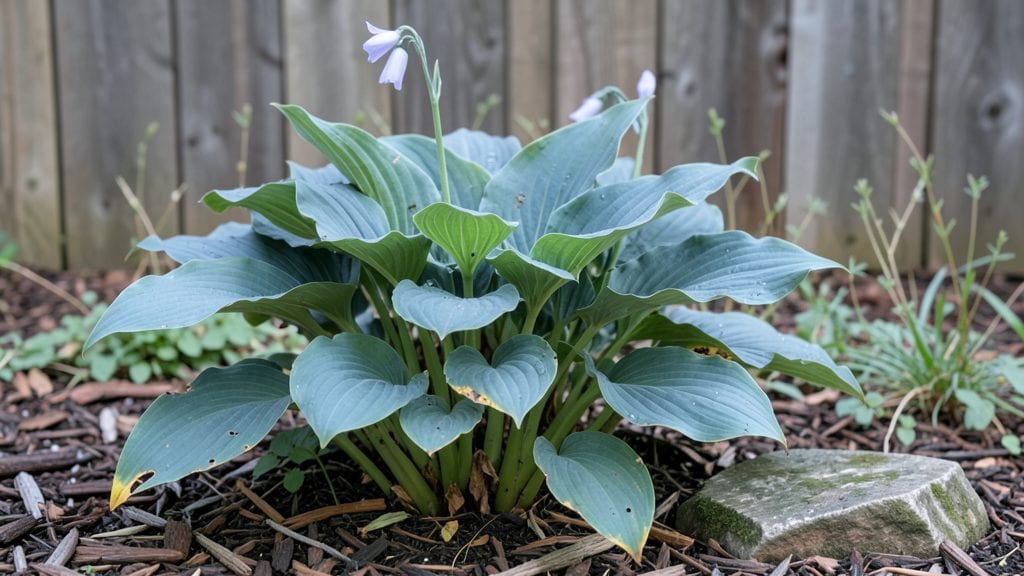
Shade-friendly flowers transform dull corners into vibrant havens—even where sunlight barely reaches. 🌿 I’ve designed a foolproof combination of blooms that thrive in partial to full shade, bringing color and texture to spaces most gardeners overlook.
The secret lies in matching plants to light levels: hostas under dappled oak trees, bleeding hearts in filtered shade, and impatiens in deep shade where nothing else survives.
This recipe delivers year-round interest with layered heights and bloom times. Start with tall hellebores (early spring) as a backdrop, then weave in mid-height astilbes (summer) and low-growing ajugas (fall). Each plant fills a niche—some handle dry shade, others prefer moisture—so you’ll never have bare spots.
The color palette runs from deep burgundy to soft lavender, ensuring your garden feels lush without direct sun.
You’ll create a low-maintenance shade garden that outshines sun-loving displays. The key is plant placement: group moisture-lovers together and avoid overcrowding. Within a season, you’ll have a self-sustaining corner that blooms continuously, attracts pollinators, and reduces watering needs. Here’s how to assemble the perfect shade-friendly palette for your space.
Perfect for woodland gardens, patio containers, or understory plantings, this approach works in zones 4-9. Whether you’re reviving a neglected area or designing a new space, these flowers deliver effortless elegance with minimal sunlight. Let’s bring your shady spots to life.
📚 In This Guide
- What you need
- Instructions
- Tips and common mistakes
- Wrapping up and next steps
What you need
- ● Shade-tolerant flower seeds or plants: 1–3 packs of impatiens (e.g., New Guinea Impatiens)
- ● 1–2 packs of begonias (e.g., Wax Begonias or Rex Begonias)
- ● 1 pack of fuchsias (trailing or bush varieties)
- ● 1 pack of heucheras (for foliage + subtle blooms)
- ● 1 pack of astilbes (feathery plumes, thrives in shade)
- ● Containers or garden beds: 1–3 10–12 inch pots (for potted flowers)
- ● OR 1–2 raised beds or garden plots (if planting directly)
- ● High-quality potting mix: 1–2 5-gallon bags of well-draining, peat-based mix (add perlite or compost for aeration)
- ● Watering can or hose with a gentle spray nozzle
- ● Organic fertilizer: 1 10–20 lb bag of balanced 10-10-10 or slow-release shade-friendly fertilizer
- ○ Mulch (optional but recommended): 1 5-gallon bag of shredded bark or pine straw (to retain moisture)
- ● Slow-release fertilizer spikes (for easy feeding)
- ● Garden gloves (to protect hands while planting)
- ● Pruning shears (for trimming dead blooms)
- ● Decorative stones or pebbles (for a polished container look)
- ● Shade cloth (10–30%) (if your area gets partial sun)
Step-by-Step guide to planting shade-friendly flowers
Let’s create a vibrant shade garden that thrives with minimal sunlight and delivers year-round color.
🌱 Step 1: Select the Right Shade-Tolerant Varieties
Choose flowers that thrive in low to no direct sunlight, focusing on hardy perennials like heuchera (coral bells), hostas, astilbes, and bleeding hearts. Annuals like impatiens and fuchsias also excel in shade. I always check the plant tags for light requirements—partial shade (3-6 hours of light) suits most, while full shade (less than 3 hours) needs varieties like Japanese painted ferns or toad lilies. Group plants by their light needs to avoid competition.
For a year-round display, layer early bloomers like heathers (winter/spring) with summer stars like hydrangeas and columbines. Fall brings Japanese anemones and sedum, while winter interest comes from ornamental grasses and evergreen hellebores. This ensures no bare patches as seasons shift.
🪴 Step 2: Prepare the Soil for Moisture-Retentive Growth
Shade gardens often have compacted, moisture-retentive soil, so amend with 3-4 inches of organic matter—I use a mix of compost and peat moss to improve drainage while holding moisture. Test your soil’s pH; many shade-loving plants prefer slightly acidic to neutral (6.0-7.0). If your soil is heavy clay, incorporate perlite or coarse sand to prevent waterlogging, which can suffocate roots.
Dig a broad, shallow trench around the planting area to encourage root spread. This mimics natural woodland conditions where shade plants thrive. Water the amended soil deeply before planting to settle it—you’ll see it darken slightly, signaling it’s ready for roots.
☀️ Step 3: Plant with Layered Depth and Spacing
Start with taller plants (4-6 feet) like astilbes or foxgloves at the back, then mid-height heuchera (18-24 inches) in the middle, and ground covers (6-12 inches) like ajuga or sweet woodruff in front. Space perennials 12-24 inches apart—closer for spreading types like hostas, wider for clump-formers like peony. Annuals can go 6-12 inches apart since they’ll fill in quickly.
Dig holes twice as wide as the root ball but only as deep. Place plants so the top of the root ball sits level with the soil surface—burying stems too deep causes rot, while leaving them exposed stresses the plant. Backfill with native soil mixed with a handful of compost, then water deeply to eliminate air pockets.
💧 Step 4: Water Deeply and Mulch for Moisture Retention
Shade gardens dry out slower than sunny ones, but consistent moisture is critical—especially for newly planted roots. Water 1-2 inches per week, more in extreme heat. I use a soaker hose to deliver water slowly at the base, avoiding wetting foliage (which invites fungal diseases). Water in the early morning so leaves dry quickly.
Apply 2-3 inches of mulch (shredded bark or leaves) to suppress weeds and retain moisture. Keep mulch 2 inches away from stems to prevent rot. Replenish mulch annually—it breaks down faster in shade gardens. You’ll notice fewer weeds and more vibrant blooms as the soil stays cooler and moist.
✂️ Step 5: Maintain with Seasonal Pruning and Fertilizing
Deadhead spent blooms throughout the season to encourage more flowers—especially for impatiens and fuchsias, which bloom continuously. Cut back perennials like astilbes in early spring to make room for new growth. For woody shrubs (e.g., hydrangeas), prune in late winter to shape and remove dead wood.
Fertilize lightly in early spring with a balanced, slow-release fertilizer (10-10-10). Shade plants don’t need heavy feeding—too much nitrogen leads to lush foliage but fewer blooms. I top-dress with compost annually in fall to replenish nutrients naturally. Watch for yellowing leaves, a sign of over-fertilizing or poor drainage.
Tips & tricks for perfect shade-friendly flower gardens
Creating a thriving shade garden takes more than just selecting the right plants—it’s about understanding their unique needs and creating the ideal environment. Here are the game-changing tips that’ll help your shade-friendly flowers flourish all year long.
Light Layering Strategy: In Step 1, when selecting varieties, remember that partial shade (3-6 hours of light) and full shade (less than 3 hours) create completely different growing conditions. Place your most shade-tolerant varieties like Japanese painted ferns and toad lilies where they receive the least light, while heuchera and hostas can handle slightly more brightness. This layered approach mimics natural woodland conditions where different plants thrive at varying light levels.
Soil Science Matters: The 3-4 inches of organic matter you add in Step 2 isn't just about improving drainage—it's about creating the perfect moisture-retentive environment. For heavy clay soils, mix in perlite or coarse sand to create pockets of air while still maintaining that moisture retention. I like to think of it as creating a "sponge" for your plants' roots, where they can access water without drowning. Test your soil's pH before planting; most shade plants prefer slightly acidic to neutral (6.0-7.0), which you can achieve with a simple soil test kit from your local garden center.
Planting Precision: When you're planting in Step 3, that twice-as-wide hole is crucial for root spread, but don't overlook the depth. The top of the root ball should sit level with the soil surface—this prevents stem rot from burying too deep while ensuring roots aren't exposed. I've seen too many gardeners plant too shallow, which stresses plants immediately. Pro tip: Use a small stake to mark the original planting depth before removing plants from their pots.
Watering Wisdom: The 1-2 inches per week guideline in Step 4 is perfect, but timing matters just as much. Water in the early morning to allow foliage to dry completely before evening, which prevents fungal diseases like powdery mildew that love damp leaves. For newly planted shade gardens, consider installing a soaker hose on a timer—it delivers water directly to roots without disturbing the soil surface, which is especially important for delicate shade plants.
Pro Tips for Shade Friendly Flowers
- Creating a thriving shade garden takes more than just selecting the right plants—it’s about understanding their unique needs and creating the ideal environment.
- Light Layering Strategy: In Step 1, when selecting varieties, remember that partial shade (3-6 hours of light) and full shade (less than 3 hours) create completely different growing conditions.
- Soil Science Matters: The 3-4 inches of organic matter you add in Step 2 isn't just about improving drainage—it's about creating the perfect moisture-retentive environment.
Frequently asked questions
Got questions about keeping your garden vibrant in shady spots? We’ve got answers!
Whether you’re troubleshooting wilting blooms or picking the perfect palette, these FAQs will help you master shade-friendly flowers with ease.
What are the easiest shade-friendly flowers for beginners?
Start with impatiens, begonias, or fuchsias—they thrive in low light and bloom prolifically. Hostas and heucheras are also low-maintenance, offering foliage and flowers (or striking leaves) with minimal fuss. For instant color, opt for coleus or caladiums, which add tropical flair without high sunlight demands.
When is the best time to plant shade-friendly flowers?
Plant in early spring (after the last frost) or early fall for optimal root establishment. Avoid summer heat, which can stress plants. If planting perennials, give them 6–8 weeks before the first frost to acclimate. Containers can be planted year-round, but adjust watering for seasonal changes.
How often should I water shade-friendly flowers?
Shady areas retain moisture longer, but consistent watering is key. Water 1–2 times per week (or daily in extreme heat) to keep soil evenly damp. Mulch around plants to retain moisture and prevent weeds. Signs of overwatering: Yellowing leaves or mold; underwatering: Wilting or crispy edges.
Can I mix shade-friendly flowers with sun-loving plants?
Yes! Use transitional plants like astilbes or coral bells as buffers. Place sun-lovers (e.g., daylilies) at the outer edges of shady beds where they get a few hours of indirect light. Avoid crowding—shade plants need 3–6 hours of dappled light, while sun plants crave full exposure.
Why are my shade flowers not blooming?
Check these culprits:
- Light levels: Too little light (even shade plants need some brightness). Move to a brighter spot if possible.
- Over-fertilizing: Too much nitrogen = leafy growth, fewer blooms. Use a low-nitrogen, high-phosphorus fertilizer.
- Pruning needs: Deadhead spent blooms (e.g., impatiens) to encourage new flowers.
- Stress: Fluctuating temps or poor drainage can halt blooming. Ensure well-draining soil and consistent care.
Pro Tip:
Rotate containers every few weeks to ensure even light exposure—this mimics natural light shifts and prevents leggy growth. A 5-minute daily check for pests (like aphids on fuchsias) keeps your shade garden thriving!
Wrapping up and next steps
Transforming your shady spots into vibrant gardens is easier than you think! With the right shade-friendly flowers, you can enjoy year-round color and beauty—no direct sunlight required.
Whether you’re a seasoned gardener or just starting out, these resilient blooms prove that even the darkest corners can thrive with the perfect recipe for success.
Ready to dive in? Grab your gardening gloves, pick your favorite varieties, and start planting today! For extra inspiration, explore our planting guide or share your progress with the gardening community. Happy growing! 🌿✨