
Planting
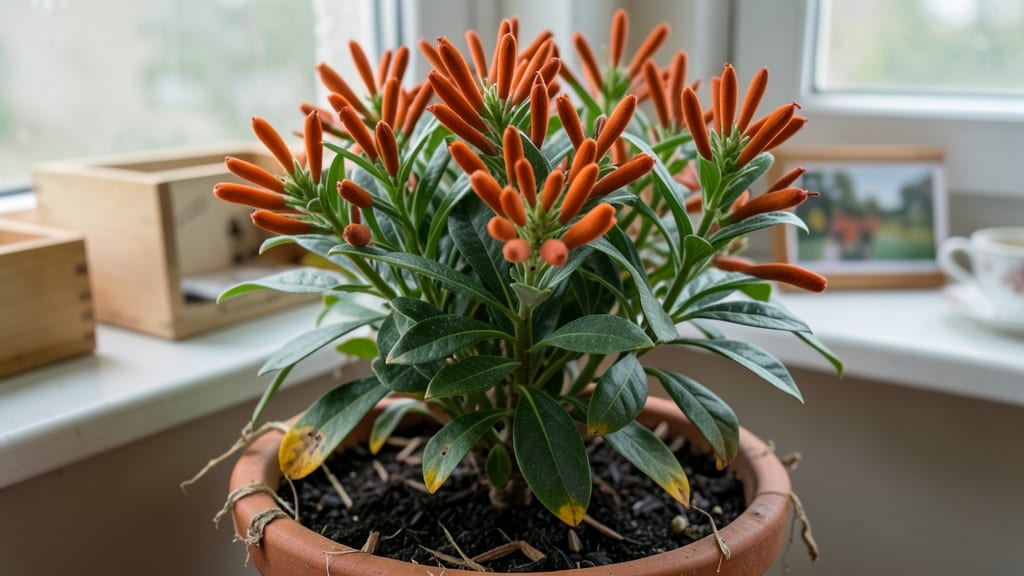
Growing shrimp flower plants in the Pacific Northwest means vibrant blooms that survive our famously damp winters—no greenhouses or fuss required. I’ve wrestled with these striking plants for years, and the secret lies in mimicking their native desert conditions, even when it rains sideways outside.
The key isn’t just soil or sun; it’s balancing moisture and airflow to keep those shrimp-like blossoms popping from spring through fall.
You’ll need a well-draining cactus mix (never regular potting soil), a pot with drainage holes, and a sunny spot where they get at least 6 hours of light daily.
Water only when the top inch of soil feels bone-dry—overwatering is the fastest way to kill them, even in our wet climate. A fan on low for a few hours a day mimics their windy desert home and prevents fungal issues.
What you end up with is a compact, bushy plant covered in bright orange-red blooms that look like tiny shrimp. The flowers last for weeks, and with proper care, your shrimp flower can grow 2-3 feet tall while thriving through our mild winters.
The best part? They’re drought-tolerant once established, making them low-maintenance stars for patios or containers.
For PNW gardeners, the biggest challenge is winter moisture—cover pots with burlap if rain persists, and move them to a sheltered spot if frost threatens. With these adjustments, your shrimp flower will reward you with bold color and resilience that outshines most annuals. Let’s get yours growing strong!
📚 In This Guide
- What you need
- Instructions
- Tips and common mistakes
- Wrapping up and next steps
What you need
- ● Shrimp flower seeds or cuttings: 3–5 (seeds take longer to sprout; cuttings speed up growth).
- ● Well-draining potting mix: 2–3 gallons (blend 60% peat moss or coconut coir, 30% perlite, and 10% compost for aeration).
- ● Containers: 2–3 12-inch pots with drainage holes (or a raised bed if planting outdoors).
- ● Slow-release fertilizer: 1 packet (look for a 10-10-10 or 20-20-20 NPK ratio).
- ● Mulch: 1–2 inches of shredded bark or straw (to insulate roots in cooler months).
- ● Basic gardening tools: Trowel, pruning shears, and gloves (for handling soil and plants).
- ● Watering can or hose with a gentle spray nozzle: Shrimp flowers hate soggy roots!
- ○ Grow lights (optional but helpful): 1–2 LED grow bulbs (if starting indoors before last frost).
- ○ Thermometer (optional): To monitor soil temps—ideal range is 60–75°F (15–24°C).
- ○ Pacific Northwest frost cloth (optional): 1 roll (for light frosts; shrimp flowers tolerate 28°F (-2°C) but may need protection below that).
Instructions for growing Pacific Northwest-resilient shrimp flower plants
Here's how to establish thriving shrimp flower plants that withstand our region's cool, damp climate.
Select the Right Site and Prepare the Soil
Shrimp flower (Justicia brandegeana) thrives in partial shade with morning sun and afternoon dappled light—ideal for Pacific Northwest gardens. Choose a spot with 4-6 hours of filtered sunlight daily, as direct afternoon sun scorches the delicate foliage. I always test the soil first: shrimp flowers prefer well-draining, humus-rich soil with a pH of 6.0-7.0. If your garden soil is heavy clay, amend it with 3-4 inches of compost mixed into the top 12 inches of soil.
Work the compost in thoroughly, breaking up any compacted layers. The goal is a loose, airy medium that mimics the plant's natural woodland understory habitat. A simple scratch test tells you if you've done it right: when you dig down 6 inches, the soil should crumble easily between your fingers without sticking to your trowel.
Plant at the Correct Depth and Spacing
For 4 plants, dig holes twice as wide as the root ball but only as deep as the container they came in. Shrimp flowers resent being buried too deep, which can cause stem rot in our damp climate. Place each plant so the top of the root ball sits just below soil level—this prevents water from pooling around the stem. Space plants 18-24 inches apart to allow for their eventual 3-foot spread while maintaining good airflow.
Fill the holes with soil, pressing gently around the roots to eliminate air pockets. Water deeply right after planting to settle the soil and encourage root contact. You'll know you've done it right when the soil surface around each plant looks slightly concave—this creates a natural water catchment basin for our region's frequent light rains.
Establish a Consistent Watering Routine
Shrimp flowers need consistent moisture but hate soggy roots. Water once weekly during the first 4-6 weeks after planting, providing 1 gallon per plant each time. After establishment, reduce to every 10-14 days, always checking the soil 2 inches deep before watering—if it feels dry, it's time. Our Pacific Northwest climate means you can often go longer between waterings than you'd expect, as morning fog and afternoon shade reduce evaporation.
Water at the base of the plant in the early morning to prevent fungal issues. Avoid wetting the foliage, which can lead to powdery mildew in our humid summers. You'll notice healthy shrimp flowers develop bright red bracts (the "shrimp-like" flower structures) when they're properly hydrated—this is your visual cue that the watering routine is working.
Apply Seasonal Fertilization for Vigorous Growth
Feed shrimp flowers with a balanced, slow-release fertilizer (10-10-10) at half-strength in early spring as new growth appears. This timing matches our region's typical late April to early May planting window. Avoid high-nitrogen fertilizers, which promote leafy growth at the expense of those striking red bracts. In late summer, switch to a low-phosphorus, high-potassium formula (5-10-10) to support flowering and prepare plants for winter.
Work the fertilizer into the top 3 inches of soil around each plant, keeping it 3 inches away from the stems. Water thoroughly after application to prevent root burn. You'll see the difference in 3-4 weeks: plants fertilized at the right time develop darker green leaves and more abundant flower bracts than those left unfed.
Protect from Winter Conditions
Shrimp flowers are surprisingly cold-hardy for their tropical appearance, tolerating temperatures down to 20°F when properly prepared. In late fall, reduce watering to every 3-4 weeks and stop fertilizing entirely. Apply a 3-inch layer of mulch (shredded bark or leaves) around each plant, keeping it 3 inches away from the stems to prevent rot. This mulch layer acts as insulation against our Pacific Northwest's winter rains and temperature swings.
In early spring, remove any dead foliage but leave the mulch in place until mid-March, when soil temperatures consistently reach 50°F. You'll know your winter protection worked if the plants emerge with green stems and no signs of frost damage—just a few new leaves signaling they're ready to grow again.
Tips & tricks for perfect shrimp flower plant growth
These practical insights will help you cultivate thriving shrimp flowers that thrive in our region's challenging conditions.
Soil Preparation Insight: When amending heavy clay soil with compost, mix it into the top 12 inches thoroughly—don't just top-dress. I've found that using a garden fork to break up compacted layers at 6 inches deep creates the ideal loose, airy medium shrimp flowers crave. For even better drainage, consider adding perlite or coarse sand (about 20% of your compost volume) to mimic their natural woodland habitat.
Planting Depth Secret: The key to preventing stem rot in our damp climate is getting the planting depth just right. Place the root ball so its top sits just below soil level—this subtle adjustment prevents water pooling around stems. I've learned this the hard way after losing plants to rot when they were buried too deeply. That slight concave shape around each plant after watering? That's your visual confirmation you've done it correctly.
Watering Strategy: Our Pacific Northwest climate makes watering shrimp flowers a balancing act. The weekly gallon-per-plant rule during establishment works beautifully, but I've found that checking soil moisture at 2 inches deep gives more reliable results than sticking to a schedule. In particularly rainy summers, you might need to skip watering entirely—those bright red bracts tell you everything you need to know about hydration levels.
Fertilization Timing: The spring feeding window of late April to early May aligns perfectly with our climate's natural awakening. I've noticed that applying fertilizer at half-strength prevents root burn while still delivering noticeable results in just 3-4 weeks—those darker green leaves and abundant bracts are your reward for patience. For late summer, switch to that low-phosphorus formula to support flowering without promoting excessive leaf growth.
Pro Tips for Shrimp Flower Plant
- These practical insights will help you cultivate thriving shrimp flowers that thrive in our region's challenging conditions.
- Soil Preparation Insight: When amending heavy clay soil with compost, mix it into the top 12 inches thoroughly—don't just top-dress.
- Planting Depth Secret: The key to preventing stem rot in our damp climate is getting the planting depth just right.
Frequently asked questions
Can shrimp flower plants survive PNW winters?
Yes! This hardy perennial tolerates USDA Zones 8–11 and can survive light frosts (down to 25°F) if planted in well-draining soil and protected from heavy winds. In colder zones (like Western WA/OR), mulch heavily or grow in containers to move indoors.
When is the best time to plant shrimp flower?
Spring (after last frost) or early fall (4–6 weeks before first frost) are ideal. Avoid planting in summer heat—it stresses roots. For PNW gardeners, April–May or September–October work best. Container plants can be planted anytime!
How often should I water shrimp flower in the PNW?
Water deeply 1–2 times per week (more in summer, less in winter). This drought-tolerant plant hates soggy soil—ensure 6+ inches of drainage. In containers, check soil moisture daily; outdoor plants need less frequent watering once established.
Why aren’t my shrimp flowers blooming?
Blooms thrive with full sun (6+ hours/day) and regular pruning after flowering. Over-fertilizing (especially with high nitrogen) or poor drainage can stunt blooms. Try moving to a sunnier spot, trimming spent flowers, or adding bone meal for phosphorus.
Are there frost-proof alternatives to shrimp flower?
Yes! Try these PNW-friendly perennials with similar vibrant blooms:
- Lavender (Lavandula) – Drought-tolerant, fragrant, Zone 5+
- Russian Sage (Perovskia) – Silvery foliage, Zone 4–9
- Catmint (Nepeta) – Pollinator magnet, Zone 3–8
- Yarrow (Achillea) – Tough, low-maintenance, Zone 3–9
Wrapping up and next steps
The shrimp flower plant is a resilient, frost-hardy gem perfect for Pacific Northwest gardeners! With the right soil, sunlight, and care, you’ll enjoy its vibrant blooms year after year—even through chilly winters. 🌿❄️
Ready to grow your own? Start by prepping your garden spot this weekend—plant seeds or tubers in early spring or fall, and watch your garden transform! For extra tips, check out our FAQ section or explore companion plants to boost your shrimp flower’s health.