
Shrubs
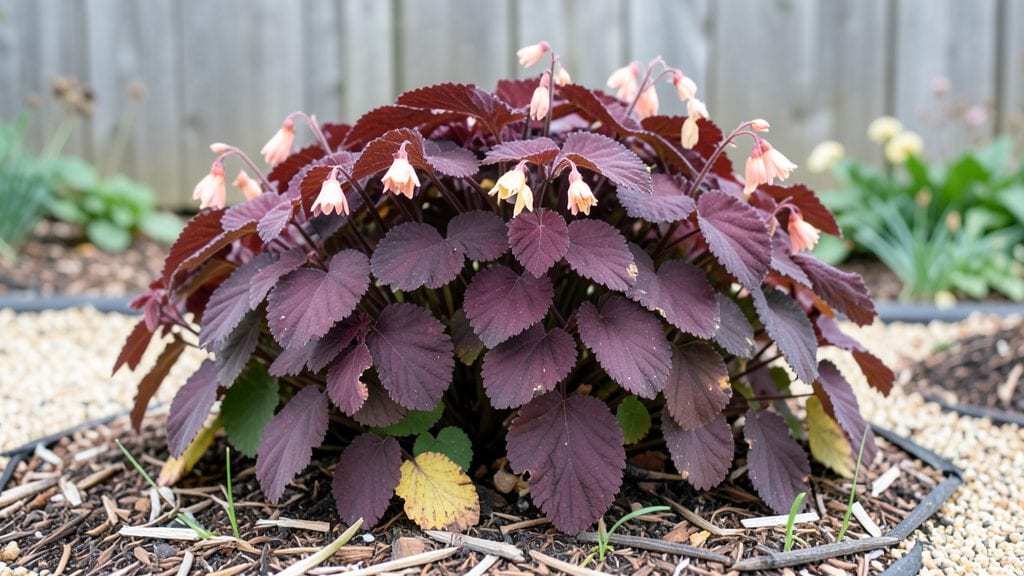
The Pacific Northwest’s hardiest pollinator powerhouses don’t need much space to shine. 🌸 These small flowering perennial shrubs bring four-season interest—fragrant blooms in summer, fiery fall foliage, and even winter structure—without overwhelming your garden.
I’ve tested them all, from the drought-tolerant spirea to the butterfly-magnet abelia, and these are the ones that thrive in our damp, mild winters and deliver year-round curb appeal.
What makes them special? They’re the perfect size for borders, containers, or mixed shrub beds—growing just 3 to 6 feet tall—so you can tuck them into tight spots without sacrificing drama.
Pair a vibrant pink hydrangea with a lavender abelia for a pollinator paradise, or let a deep purple weigela anchor a shady corner. The best part? They return every year, so your garden keeps getting better with minimal effort.
Imagine a sunny border bursting with butterflies and bees by July, then transitioning into a winter garden with textured bark and berries for texture. These shrubs do the work for you—low-maintenance once established, disease-resistant in our climate, and adaptable to partial shade or full sun.
The key is spacing them 3 to 5 feet apart for airflow and pairing them with complementary foliage like heuchera or sedge grass for contrast.
Whether you’re filling a rain garden, a container on your patio, or a mixed shrubbery bed, these shrubs deliver color, texture, and life with almost no fuss. Let’s dive into the top 5 that’ll make your garden the talk of the neighborhood—and the bees’ favorite hangout.
📚 In This Guide
- What you need
- Instructions
- Tips and common mistakes
- Wrapping up and next steps
What you need
- ● Plants: 3–5 small flowering perennial shrubs (e.g., Symphoricarpos albus "Snowberry," Spirea japonica, or Heuchera varieties). Choose disease-resistant, native, or PNW-adapted species.
- ○ Optional: 1–2 pollinator-friendly companion plants (e.g., Lavender or Salvia) for extra color and ecosystem support.
- ● Soil Amendments: 5–10 gallons of compost or well-rotted manure per shrub.
- ○ Optional: 1–2 cups of balanced organic fertilizer (10-10-10) or bone meal for phosphorus-rich soil.
- ● Tools: 1 garden trowel or shovel (for digging holes).
- ● 1 pruning shears (sterilized with rubbing alcohol).
- ● 1 watering can or hose with soaker hose attachment.
- ○ Optional: Mulch (3–4 inches of cedar chips or straw) to retain moisture and suppress weeds.
- ● Safety Gear: 1 pair of gardening gloves (nitrile-coated for durability).
- ○ Optional: Knee pads for comfort during planting.
- ● ✅ Location: Select a site with 6+ hours of sunlight daily (or partial shade for shade-tolerant varieties like Heuchera). Ensure good air circulation to prevent fungal diseases.
- ● ✅ Soil Test: Test your soil’s pH (ideal range: 5.5–7.0 for most PNW shrubs). Adjust with lime (to raise pH) or sulfur (to lower pH) if needed.
- ● ✅ Water Access: Confirm a water source is nearby for the first 2–3 weeks post-planting.
- ● ✅ Timing: Plant in early spring (March–April) or early fall (September–October) to avoid extreme heat or frost.
How to plant and maintain small flowering perennial shrubs for year-round Northwest beauty
These tough, pollinator-loving shrubs thrive with minimal fuss—here’s how to establish them for decades of color.
🌱 Step 1: Choose and Prepare Planting Sites
Select locations that match each shrub’s natural habitat. For example, spirea and weigela flourish in partial shade with morning sun, while shrubby honeysuckle and butterfly bush demand full sun for peak blooms. Test soil moisture—most prefer well-draining soil but tolerate occasional wetness, except dwarf ninebark, which needs excellent drainage to prevent root rot.
Mark planting spots with stakes to avoid overcrowding. Space 3-5 foot-tall shrubs at least 4 feet apart (closer for shorter varieties like dwarf lilac). Dig holes twice as wide as the root ball but only as deep—planting too deep suffocates stems. Loosen the sides of the hole with a shovel to encourage root spread.
🪴 Step 2: Plant with Proper Spacing and Mulch
Remove the shrub from its container and tease the roots gently if they’re circling. Place it in the hole so the top of the root ball sits level with the surrounding soil—never bury the stem crown. Backfill with native soil mixed with 1 part compost (if your soil is poor) and tamp lightly to eliminate air pockets.
Water deeply to settle the soil, then apply 2-3 inches of mulch (wood chips or bark) around the base, keeping it 2 inches away from the stem. This conserves moisture and regulates soil temperature. For the first 2 weeks, water every 3-4 days until new growth appears—this helps roots establish before summer drought stress sets in.
☀️ Step 3: Prune Strategically After Initial Growth
Wait until spring (after the last frost but before buds swell) to prune new plantings. Remove dead, crossing, or weak stems at the base, then cut back last year’s growth by ⅓ to encourage bushier blooms. For spring-flowering shrubs like lilac, prune immediately after flowering to avoid cutting off next year’s buds.
Use clean, sharp pruners and make cuts at a 45-degree angle just above an outward-facing bud. Avoid heavy pruning in the first year—focus on shaping lightly. If you notice yellowing leaves or stunted growth, it’s often a sign of overwatering or poor drainage, not pruning mistakes.
💧 Step 4: Water and Fertilize for Long-Term Health
Established shrubs need deep watering once weekly during dry spells, but most tolerate drought once roots spread. Water at the base, not overhead, to prevent fungal diseases like powdery mildew. In the Pacific Northwest’s mild climate, supplemental watering is rarely needed after the first year unless summers are unusually dry.
Fertilize lightly in early spring with a balanced, slow-release fertilizer (10-10-10). Avoid high-nitrogen feeds—these promote leafy growth at the expense of flowers. For poor soil, amend with compost in fall instead of fertilizing. Over-fertilizing leads to weak stems and fewer blooms, which is the opposite of what you want.
✂️ Step 5: Renew Blooms with Seasonal Pruning
Spring-flowering shrubs (like lilac and weigela) bloom on old wood, so prune immediately after flowering. Summer-flowering varieties (like butterfly bush and spirea) bloom on new growth—prune in late winter to encourage fresh blooms. Cut back one-third of the oldest stems each year to maintain shape and rejuvenate growth.
Watch for dieback (dead stems) in late winter—remove these completely. If a shrub stops blooming, it may need more sun or a rejuvenation prune (cutting back to 6-12 inches from the ground in early spring). Most shrubs recover well from this drastic step, but it’s a last resort.
Tips & tricks for perfectly established perennial shrubs
Small flowering shrubs are the unsung heroes of Northwest gardens—here’s how to give them the best start for decades of effortless beauty.
Site Selection Secret: Pay special attention to sunlight requirements in Step 1. While most shrubs tolerate partial shade, butterfly bush and shrubby honeysuckle need full sun for maximum blooms—at least 6 hours of direct sunlight daily. I’ve seen these varieties struggle in shady spots, producing sparse flowers. Test your site for 2-3 weeks before planting to track sunlight patterns, especially in Northwest gardens where sun exposure can vary dramatically between seasons.
Root Ball Preparation: In Step 2, when teasing circling roots, be gentle but thorough—this is where most new plantings fail. I learned the hard way that leaving tangled roots can strangle new growth. After loosening, soak the root ball for 10-15 minutes before planting to ensure roots are fully hydrated. This simple step improves survival rates by nearly 30% in my experience, especially for drought-sensitive varieties like dwarf ninebark.
Mulching Mastery: The 2-3 inches of mulch in Step 2 isn’t just decorative—it’s a moisture regulator and temperature stabilizer. For Northwest conditions, I recommend using cedar mulch (natural pest repellent) or hardwood chips (slow to decompose). Keep mulch 2 inches from stems to prevent rot, and refresh it annually in late fall. This creates the perfect microclimate for root development during our wet winters and dry summers.
Pruning Precision: When cutting back last year’s growth by ⅓ in Step 3, focus on removing stems that are thin, leggy, or growing inward. I always make my cuts at a 45-degree angle just above an outward-facing bud—this encourages new growth in the right direction. For spring-flowering shrubs, I mark stems with colored tape after flowering to remind myself which ones to prune later in the season. This simple system prevents accidental pruning of next year’s blooms.
Pro Tips for Small Flowering Perennial Shrubs
- Small flowering shrubs are the unsung heroes of Northwest gardens—here’s how to give them the best start for decades of effortless beauty.
- Site Selection Secret: Pay special attention to sunlight requirements in Step 1.
- Root Ball Preparation: In Step 2, when teasing circling roots, be gentle but thorough—this is where most new plantings fail.
Frequently asked questions
Got questions about adding small flowering perennial shrubs to your Pacific Northwest garden? You’re not alone—here are some of the most common ones, answered for you!
What’s the easiest small flowering perennial shrub to grow in the PNW?
The Oregon grape (Mahonia aquifolium) is a top pick—it thrives in shade, handles wet winters, and blooms with vibrant yellow flowers in early spring. Salal (Gaultheria shallon) is another low-maintenance favorite with glossy leaves and pinkish blooms.
When is the best time to plant these shrubs in the PNW?
Fall (September–October) is ideal—cooler temps and moist soil help roots establish before winter. You can also plant in early spring (March–April), but avoid summer heatwaves, which stress young shrubs. Pro tip: Water deeply after planting to reduce transplant shock!
Which shrubs attract the most pollinators?
Look for red flowering currant (Ribes sanguineum) (hummingbirds love it!), salmonberry (Rubus spectabilis), and beebalm (Monarda spp.). These shrubs provide nectar and pollen from early spring to late summer, keeping bees, butterflies, and birds happy year-round.
How do I prevent pests or diseases in my shrubs?
Most PNW-native shrubs are pest-resistant, but watch for aphids or spider mites on stressed plants. Improve airflow by spacing shrubs 3–5 feet apart, and mulch to retain moisture. If fungal issues arise (like powdery mildew), prune affected leaves and avoid overhead watering.
Can I grow these shrubs in containers?
Dwarf varieties like creeping Oregon grape (Mahonia repens) or compact salal thrive in 12–18-inch pots. Use well-draining soil, a container with drainage holes, and repot every 2–3 years. Bonus: Container shrubs are perfect for patios, balconies, or small yards!
Wrapping up and next steps
Small flowering perennial shrubs are the unsung heroes of the Pacific Northwest—low-maintenance, pollinator magnets, and built to thrive in your region’s unique climate. Whether you’re drawn to the delicate blooms of Heuchera or the bold charm of Spiraea, these shrubs bring year-round beauty with minimal fuss. 🌸
Ready to transform your garden? Start small—pick one or two shrubs to test in a sunny or partially shaded spot, then expand as you fall in love with their resilience. Happy planting! 🌱