
Flowers
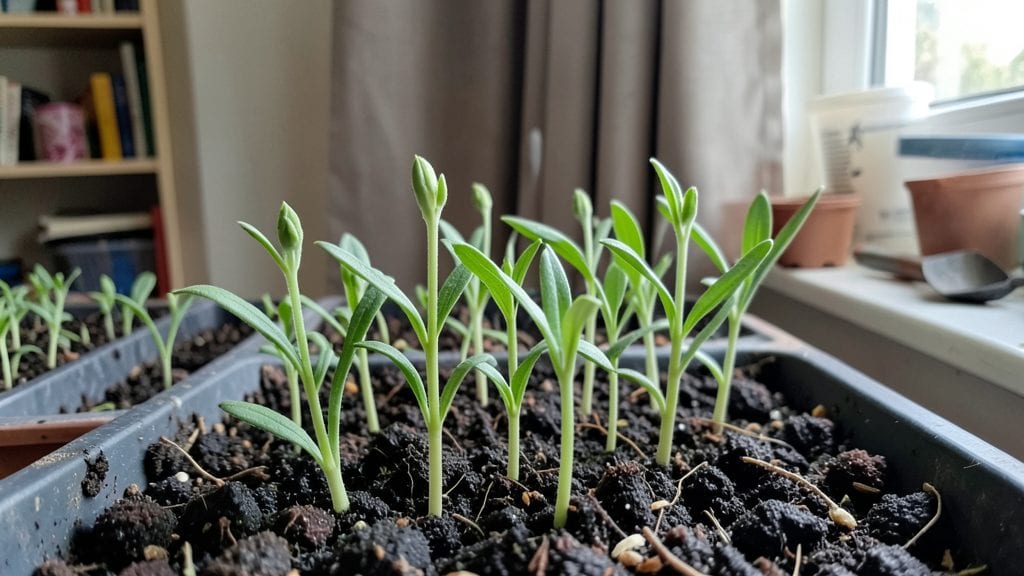
Growing snapdragon flower seedlings from those first tiny sprouts to 6-foot-tall blooms is one of the most rewarding gardening experiences—if you know the secrets. 🌱 I’ve watched my own seedlings go from delicate green spears to vibrant flower spikes in just 10 weeks, and the key is in the early care.
Most gardeners rush the process, but snapdragons need patience and precise conditions to thrive.
The magic starts with well-draining soil and a sunny windowsill or grow light, not the brightest spot in your house. Overwatering is the #1 killer—keep the soil moist but not soggy, and use small pots to prevent root rot.
Once seedlings hit 2-3 inches tall, they’re ready for their first transplant into slightly larger containers, where they’ll stretch toward the light like little green soldiers.
By the time you’re pinching back the tips (yes, really!) to encourage bushier growth, you’ll see those velvety buds forming along the stems. A balanced fertilizer every 2-3 weeks keeps them strong, and a little afternoon shade in hot climates prevents bolting.
The payoff? Clusters of bi-color blooms that last from summer into fall.
This method works for both direct sowing in cool spring soil and indoor starts for later seasons. Whether you’re growing in containers or the ground, the same principles apply—just adjust spacing to 12-18 inches apart for full, dramatic spikes. Let’s get those seedlings standing tall!
📚 In This Guide
- What you need
- Instructions
- Tips and common mistakes
- Wrapping up and next steps
What you need
- ● Snapdragon seeds: Choose high-quality, non-GMO seeds (e.g., Antirrhinum majus). A pack of 50-100 seeds is ideal for beginners.
- ● Seed-starting trays or pots: Biodegradable or plastic cell trays (72-200 cells) or small pots (2-3 inches in diameter).
- ● Seed-starting mix: Lightweight, sterile potting soil (avoid garden soil—it’s too dense!). A 10-15 lb bag works for most setups.
- ● Grow lights or sunny windowsill: A full-spectrum LED grow light (12-16 inches above seedlings) or a south-facing window with 6+ hours of sunlight.
- ● Watering can or spray bottle: A gentle spray bottle (to avoid disturbing seeds) or a small watering can with a fine rose.
- ○ Plastic wrap or humidity dome: Keeps moisture in while seeds germinate (optional but helpful for humidity-loving Snapdragons).
- ● Fertilizer: A balanced, water-soluble fertilizer (5-10-5 or 10-10-10) for seedlings. Dilute to half-strength.
- ● Plant labels: Small markers or popsicle sticks to track varieties (Snapdragons come in many colors!)
- ● Tweezers or small spoon: For delicate seed placement.
- ○ Heat mat (optional): Speeds up germination (70-75°F is ideal).
- ○ Fans (optional): Encourages strong seedlings by mimicking wind.
- ● Transplanting tools: Small hand trowel or butter knife for moving seedlings.
Step-by-Step instructions for growing snapdragon flower seedlings
Here's how I transform delicate snapdragon sprouts into sturdy, blooming plants ready for the garden.
🌱 Step 1: Prepare Containers and Seed Starting Mix
Use 4-inch deep trays with drainage holes to give roots room to establish before transplanting. Fill each cell with a sterile seed-starting mix—never garden soil, which can harbor fungal diseases that snapdragons are particularly sensitive to. I like to mix in 10% perlite for extra aeration, as snapdragons dislike soggy roots.
Moisten the mix until it holds together when gently squeezed but doesn't drip. Press down lightly to eliminate air pockets, then tap the tray gently on the table to settle the soil evenly. The surface should be firm enough to hold seeds in place but not compacted—think of it like packing snow for a snowman, not a brick wall.
🌱 Step 2: Sow Seeds at the Correct Depth and Spacing
Snapdragon seeds are tiny but don't need deep planting. Scatter them 1/8 inch below the soil surface—about the thickness of a credit card—using a seed spreader or your fingertip to avoid overcrowding. I plant 2-3 seeds per cell since germination rates can be inconsistent, but thin to the strongest seedling later to prevent competition.
Cover lightly with a fine mist from a spray bottle until the soil looks uniformly damp. Avoid heavy watering, which can wash seeds deeper than intended. Place the tray in a humidity dome or cover loosely with plastic wrap to retain moisture and warmth. Snapdragons germinate best at 70-75°F, so a seedling heat mat helps if your home runs cooler.
☀️ Step 3: Provide Light and Monitor Germination
Seedlings will emerge in 7-14 days, but don't be surprised if some take longer—patience is key. Once sprouts appear, remove the humidity dome immediately to prevent damping-off, a fungal disease that turns stems to mush overnight. Place the tray under a grow light positioned 2-3 inches above the seedlings for 14-16 hours daily. Snapdragons need strong light to avoid becoming leggy and weak.
Watch for first true leaves (the second set after the initial cotyledons) to appear. This is your signal to start fertilizing lightly with a balanced liquid fertilizer diluted to half strength. Over-fertilizing now will burn tender roots, so less is more. Rotate the tray daily so seedlings grow straight rather than leaning toward the light.
✂️ Step 4: Thin and Harden Off Seedlings
When seedlings reach 2 inches tall and have 3-4 true leaves, thin to the strongest plant per cell using clean scissors to snip weak stems at soil level. Avoid pulling, which can disturb roots. Transplant any thinned seedlings into their own 3-inch pots if you have extra space—they'll catch up quickly with proper care.
Two weeks before your last frost date, begin hardening off by placing seedlings outside in a shaded, sheltered spot for 1 hour the first day. Gradually increase exposure over 10-14 days, moving them to morning sun first to avoid scorching. Snapdragons are cold-hardy but need this acclimation to thrive after transplanting. By the time you plant them outdoors, they'll be tough enough to handle light frosts and full sun.
🪴 Step 5: Transplant and Establish Outdoor Plants
Choose a sunny spot with well-draining soil—snapdragons hate soggy feet. Space seedlings 10-12 inches apart in rows 18 inches apart to allow airflow and prevent mildew. Dig holes twice as wide as the root ball to encourage root spread, then water deeply before and after transplanting. Mulch with 1 inch of organic mulch to retain moisture and suppress weeds.
Water deeply every 2-3 days until established, then taper to 1 inch per week once blooming begins. Snapdragons are drought-tolerant once mature, but consistent moisture during the first 4-6 weeks ensures strong root growth. You'll know they're thriving when they shoot up 12-18 inches tall in just a few weeks—watch for those first buds to form, and get ready for a season of vibrant blooms!
Tips & tricks for perfect snapdragon seedling growth
Here's what I've learned after nurturing hundreds of snapdragon seedlings—these tricks will help you avoid common pitfalls and grow plants that thrive from seed to bloom.
The Humidity Factor: Snapdragons despise soggy roots, so while the humidity dome in Step 2 is crucial for germination, remove it immediately when sprouts appear. I've seen damping-off wipe out entire trays overnight—don't let that happen to you. After removing the dome, place a small fan on low setting near the tray to improve airflow without drying out the soil. This creates the perfect balance between moisture retention and disease prevention.
Lighting Strategy: The 14-16 hours of grow light in Step 3 is non-negotiable for preventing leggy seedlings. I position my grow light just 2-3 inches above the plants and adjust the height as they grow—closer when they're tiny, higher as they reach for the light. Watch for seedlings stretching toward the light; if they're leaning, rotate the tray daily. For extra insurance, supplement with a second light source if your seedlings appear pale or stretched.
Thinning Technique: When you reach Step 4 and need to thin to the strongest seedling, use clean scissors to snip at soil level rather than pulling. I've ruined more seedlings than I care to admit by tugging—it disturbs the roots of the remaining plants too. After thinning, give the remaining seedlings a gentle shake to help them settle into their new space. This small action makes a surprisingly big difference in their stability.
Transplanting Timing: The hardening-off process in Step 4 is where many gardeners go wrong. Start with just 1 hour of shade on day one, then gradually increase exposure. I've seen snapdragons go from thriving seedlings to crispy casualties overnight when moved too quickly. Two weeks before your last frost date is the perfect window—this gives them time to acclimate without risking transplant shock. If your forecast calls for frost during this period, cover seedlings with a light frost cloth for added protection.
Pro Tips for Snapdragon Flower Seedlings
- Here's what I've learned after nurturing hundreds of snapdragon seedlings—these tricks will help you avoid common pitfalls and grow plants that thrive from seed to bloom.
- The Humidity Factor: Snapdragons despise soggy roots, so while the humidity dome in Step 2 is crucial for germination, remove it immediately when sprouts appear.
- Lighting Strategy: The 14-16 hours of grow light in Step 3 is non-negotiable for preventing leggy seedlings.
Frequently asked questions
Got questions about nurturing snapdragon flower seedlings? You’re not alone! Here are answers to the most common concerns—from timing to troubleshooting—so you can grow confidently from seed to bloom.
How long does it take for snapdragon seedlings to germinate?
Snapdragon seeds typically sprout in 7–21 days, depending on temperature and moisture. Keep soil consistently warm (around 70°F) and humid—cover trays with plastic wrap until germination to speed things up. Patience is key, but avoid overwatering, which can drown delicate sprouts. Pro tip: Use a heating mat if your home runs cool!
When should I transplant snapdragon seedlings outdoors?
Wait until after the last frost and when nighttime temps stay above 50°F. Seedlings should have 4–6 true leaves and be at least 3–4 inches tall. Harden them off for 7–10 days by gradually exposing them to outdoor conditions. Plant in partial shade to prevent legginess—morning sun is ideal. Watch for: Wilting or yellowing leaves, which may signal transplant shock.
Why are my snapdragon seedlings turning yellow or leggy?
Leggy or yellow seedlings often mean too much light (or not enough) or overcrowding. Move trays to a bright, indirect spot (like a south-facing window with sheer curtain) and thin seedlings to 1–2 inches apart. If soil stays soggy, reduce watering—root rot can mimic nutrient deficiency. Boost light with a grow bulb if natural light is weak. Quick fix: Bury stems deeper when transplanting to encourage stronger roots!
Can I grow snapdragons from seeds indoors year-round?
Yes! Snapdragons thrive indoors with 12–14 hours of light daily (grow lights help) and cool temps (60–65°F). Start seeds 8–10 weeks before your last frost for outdoor planting, or grow as potted plants for balconies/patios. Just ensure good airflow to prevent mold, and fertilize lightly (half-strength) every 4–6 weeks. Bonus: Deadhead spent blooms to encourage nonstop flowers!
What’s a good alternative if snapdragon seeds fail to sprout?
If germination flops, try bought seedlings from nurseries (look for sturdy, green stems) or switch to easy-to-grow annuals like calendula, cosmos, or marigolds. For snapdragons specifically, stratify seeds (mix with damp sand, refrigerate for 2 weeks) to mimic winter conditions and boost success. Remember: Fresh seeds (from reputable sellers) germinate best—store-bought packets are your best bet!
Wrapping up and next steps
Growing snapdragon flower seedlings into vibrant, towering blooms is a rewarding journey that blends patience, care, and a little green thumb magic! 🌱 With the right soil, sunlight, and attention to detail, you’ll soon enjoy a garden bursting with color and charm.
Whether you’re a seasoned gardener or a curious beginner, every tiny sprout is a step toward a stunning floral display.
Ready to watch your seedlings thrive? Take the next step—transplant them into your garden or containers, and keep nurturing them with love. Before you know it, your snapdragons will be reaching for the sky, ready to brighten up your outdoor space! 🌸