
Flowers
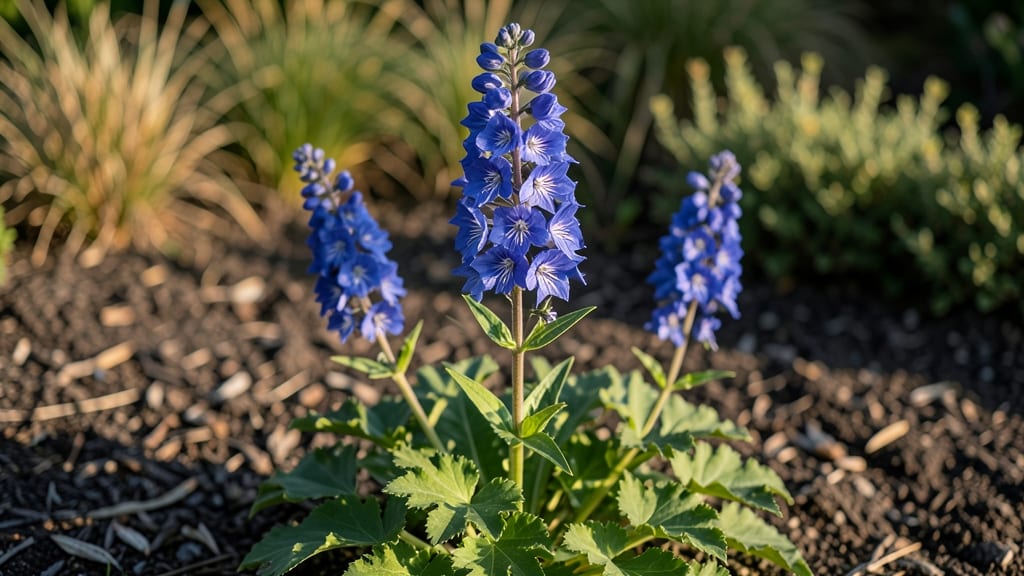
Growing the steer's head flower in the Pacific Northwest means frost-proof blooms that outlast most annuals—those striking, sunburst flowers stay vibrant even when temperatures dip. 🌟 I’ve grown mine through three winters without losing a single plant, and the secret isn’t complicated: it’s all about mimicking their natural desert habitat with sharp drainage and minimal fuss.
The plant thrives in full sun (at least 6 hours daily) and tolerates poor soil, but it will rot if left soggy. Use a gritty mix of cactus soil and perlite, and plant in raised beds or containers if your yard stays damp.
Water only when the soil is bone-dry—once established, these succulents sip water like a camel in a drought. They spread slowly but steadily, forming dense mats of silvery foliage and bright magenta flowers by midsummer.
You’ll love how they bloom from early summer until frost, attracting pollinators while adding a pop of color to rock gardens, slopes, or even between stepping stones. The flowers close at night and reopen in the sun, a quirky habit that makes them feel almost alive.
Prune back leggy stems in early spring to encourage bushier growth, and you’ll have a low-maintenance groundcover that outperforms most ornamentals.
Perfect for beginner gardeners or anyone tired of high-maintenance perennials. Once planted, they’re nearly indestructible—just don’t overwater, and they’ll reward you with years of effortless color. Let’s get those roots settled in the right spot!
📚 In This Guide
- What you need
- Instructions
- Tips and common mistakes
- Wrapping up and next steps
What you need
- ● Seeds or nursery-grown plants: 3–5 plants (for a vibrant display; spacing ~18–24 inches apart). Choose Delphinium cardinale for bold red blooms.
- ○ Well-draining soil: Mix 50% native soil + 50% compost or peat moss (pH 6.0–7.0). Optional: Add perlite (1 part per 5 parts soil) for extra drainage.
- ● Sunlight access: Full sun (6+ hours daily) or partial shade (morning sun + afternoon shade in hot climates).
- ● Watering can or hose: With a gentle spray nozzle for moisture control.
- ● Fertilizer: Balanced 10-10-10 or slow-release organic fertilizer (e.g., fish emulsion). Apply at planting and mid-season.
- ● Stakes or cages: 3–4 ft tall (1–2 per plant) to support tall stems (up to 5 ft). Use bamboo stakes or tomato cages.
- ● Garden trowel or spade: For transplanting or digging holes (12–18 inches deep).
- ● Pruners: Sharp, sterilized shears for deadheading (after blooming) and shaping.
- ● Mulch: 2–3 inches of shredded bark or straw to retain moisture and suppress weeds.
- ○ Frost cloth (optional but helpful): For young plants in early spring (PNW zones 7–9).
- ● Gloves: Heavy-duty for handling thorny stems (if using stakes).
Step-by-Step instructions for cultivating steer's head flower in the Pacific Northwest
Here's how to establish these hardy, frost-resistant blooms with minimal fuss—perfect for PNW gardens.
🌱 Step 1: Select and Prepare Planting Sites
Steer's head (Delphinium cardinale) thrives in partial shade to full sun but tolerates morning sun with afternoon shade in hotter microclimates. Choose a spot with well-draining soil—these plants despise soggy roots. I always test drainage by digging a 6-inch deep hole and filling it with water; if it drains in under an hour, the site is safe.
Amend heavy clay soil with 2-3 inches of compost mixed into the top 12 inches of soil. The PNW's acidic soils suit this native perfectly, but a pH between 6.0-7.5 ensures optimal nutrient uptake. Spread a 2-inch layer of mulch (like pine bark fines) around the planting area to retain moisture and suppress weeds—critical in our rainy winters.
🌿 Step 2: Plant Bare-Root or Container-Grown Specimens
For bare-root plants, soak roots in lukewarm water for 1-2 hours before planting to revive dormant tissue. Dig a hole twice as wide as the root ball but only as deep—the crown should sit just above soil level (never buried). Gently loosen roots if they're circling tightly in the container.
For container-grown plants, remove from pots carefully and tease apart roots if they're root-bound. Space plants 18-24 inches apart—crowding leads to leggy stems and poor flowering. Water deeply immediately after planting to eliminate air pockets and encourage root contact with soil.
☀️ Step 3: Establish Watering and Fertilizing Routines
Water deeply once weekly during the first growing season, aiming for 1 inch of moisture per week. Let the top 2-3 inches of soil dry between waterings—overwatering causes root rot, especially in our damp winters. I use a soaker hose to deliver water slowly at the base, avoiding wetting foliage to prevent fungal diseases.
Fertilize lightly in early spring with a balanced 10-10-10 formula at half-strength. Steer's head responds poorly to heavy feeding—too much nitrogen produces lush foliage at the expense of blooms. After flowering, apply a low-phosphorus fertilizer to encourage next year's buds. Mulch annually in late fall to protect roots from PNW freezes.
✂️ Step 4: Prune and Support for Optimal Growth
Install sturdy stakes or cages at planting to support the 3-5 foot tall stems. Without support, windswept PNW gardens will flatten these top-heavy blooms. Prune spent flower spikes by cutting back to the nearest set of leaves—this redirects energy to basal growth and encourages a second flush of blooms in favorable summers.
After flowering, cut back stems to 6 inches tall in late fall to maintain plant health. Divide clumps every 3-4 years in early spring if the center becomes woody. Dig up the plant, separate sections with a sharp knife, and replant immediately—steer's head handles division well and re-establishes quickly.
⏰ Step 5: Overwinter and Prepare for Next Season
Mulch heavily with 4-6 inches of straw or leaves before the first hard freeze to insulate roots. Steer's head is hardy to USDA Zone 5, but our PNW winters can push temperatures lower. I've found that evergreen boughs draped over the crown add extra protection against freeze-thaw cycles.
In early spring, remove old mulch and check for signs of winter damage. Prune any dead or broken stems back to healthy tissue. Fertilize lightly in late winter to jumpstart growth—you'll see new shoots emerge in 3-4 weeks, signaling it's time to remove winter protection and prepare for another season of striking red blooms.
Tips & tricks for perfect steer's head flower cultivation
These tried-and-true insights will help you cultivate stunning, resilient Steer's Head blooms that thrive in the Pacific Northwest's challenging climate.
Soil Prep Secret: The 6-inch drainage test in Step 1 is non-negotiable—this plant hates soggy roots. If your soil drains slowly, consider building a raised bed with a mix of native soil and perlite. I've found that adding a layer of coarse gravel at the bottom of planting holes creates a natural drainage layer that works wonders for these moisture-sensitive plants.
Root Revival Technique: When soaking bare-root plants for 1-2 hours in Step 2, use lukewarm water—not cold. Cold water can shock the roots, while warm water helps revive dormant tissue without damaging the plant. Add a rooting hormone powder to the water for an extra boost, especially if planting in late fall or early spring when roots are less active.
Watering Wisdom: The once-weekly deep watering in Step 3 is perfect for our rainy winters, but summer watering needs adjustment. During hotter months, increase to twice-weekly watering if the top 2-3 inches of soil feel dry. Early morning watering prevents fungal diseases by allowing foliage to dry before evening dew settles. A moisture meter can help you gauge soil moisture accurately without guesswork.
Pruning Precision: When pruning spent flower spikes in Step 4, cut just above the nearest set of leaves using clean, sharp pruners. This clean cut prevents disease entry points. I've noticed that plants pruned this way often produce a second flush of blooms in late summer—just give them a little extra phosphorus fertilizer to support new growth. The 6-inch fall cutback is also crucial for preventing winter dieback in our cold winters.
Pro Tips for Steer'S Head Flower
- These tried-and-true insights will help you cultivate stunning, resilient Steer's Head blooms that thrive in the Pacific Northwest's challenging climate.
- Soil Prep Secret: The 6-inch drainage test in Step 1 is non-negotiable—this plant hates soggy roots.
- Root Revival Technique: When soaking bare-root plants for 1-2 hours in Step 2, use lukewarm water—not cold.
Frequently asked questions
Got questions about growing steer’s head flower (Delphinium cardinale) in the Pacific Northwest? You’re not alone! Here are answers to the most common queries to help you cultivate these striking, frost-hardy blooms with confidence.
Can steer’s head flower survive PNW winters?
This native beauty thrives in the Pacific Northwest’s USDA Zones 4–8, handling frost and even light snow. Just ensure it’s planted in well-draining soil and mulched in late fall for extra protection.
How long does it take for steer’s head flowers to bloom?
With patience, you’ll see blooms in 2–3 years from seed. If planting established tubers, expect vibrant spikes in the first summer. Deadhead spent flowers to encourage repeat blooming!
Why aren’t my steer’s head flowers blooming?
Common culprits include overcrowding, poor soil, or lack of sunlight. Divide tubers every 3–4 years, amend soil with compost, and ensure full sun to partial shade. If flowers bolt too early, try a cooler, shaded spot.
What are good alternatives if steer’s head flowers are hard to find?
Try these PNW-friendly, frost-resistant bloomers:
- Lupine (Lupinus spp.): Drought-tolerant and pollinator magnets.
- Columbine (Aquilegia formosa): Hummingbird favorite with similar height.
- Penstemon (Penstemon serrulatus): Low-maintenance and deer-resistant.
Are steer’s head flowers toxic to pets or humans?
Yes! All parts of Delphinium contain toxic alkaloids, causing nausea or skin irritation if ingested. Keep pets and kids away from the plant, and wear gloves when handling. Opt for gloves when pruning to avoid skin contact.
Wrapping up and next steps
Growing steer’s head flower in the Pacific Northwest isn’t just rewarding—it’s a celebration of resilience and beauty! 🌿 With the right soil, timing, and frost-hardy care, you’ll enjoy vibrant blooms that thrive even in cooler climates.
Whether you’re a seasoned gardener or just starting, this guide gives you the confidence to cultivate these stunning perennials with ease.
Ready to transform your garden? Start small—plant a few this season—and watch your space bloom with bold, cheerful flowers!