
Container Gardens
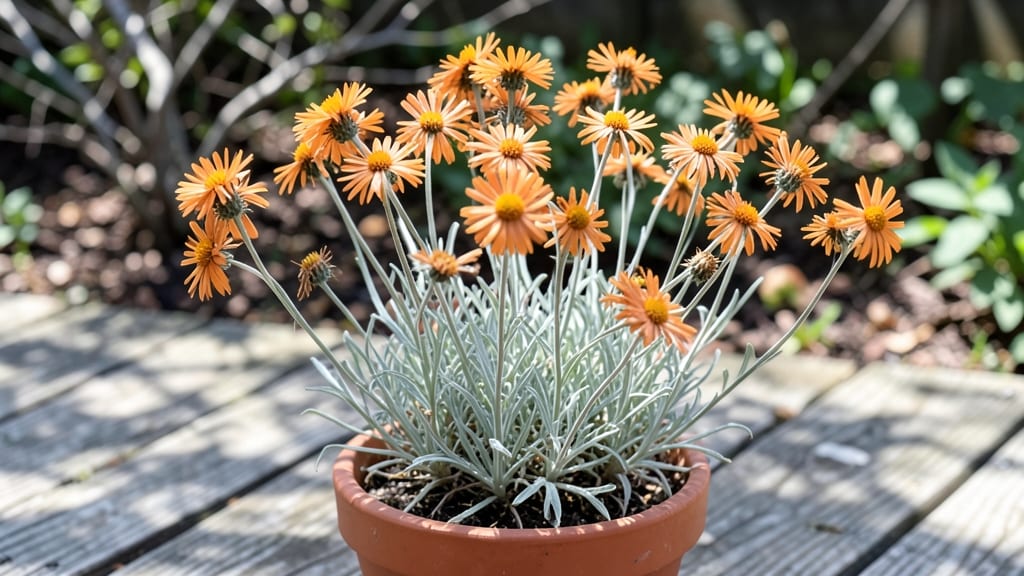
Growing strawflowers in pots is the easiest way to add year-round color without deadheading or fuss—my first batch lasted from June until Christmas with zero extra work. 🌸 The secret lies in their drought tolerance and long-lasting blooms, which makes them perfect for balconies, patios, or even sunny windowsills where space is tight.
You’ll need well-draining potting mix, a container with drainage holes, and a spot that gets at least 6 hours of sunlight daily. Strawflowers thrive in 5-7 inch pots and need watering only when the top inch of soil feels dry—overwatering is their only real enemy.
A balanced fertilizer every 4-6 weeks keeps them blooming, but they’ll forgive occasional neglect.
What you’ll end up with is a low-maintenance plant that blooms continuously, even in winter if kept indoors. The papery flowers hold their shape for weeks, making them ideal for bouquets or patio displays. Plus, they repel pests naturally, so you won’t need sprays or interventions.
Whether you’re a beginner or a seasoned container gardener, strawflowers are the foolproof choice for color without the hassle. Let’s get those pots planted—your balcony will thank you!
📚 In This Guide
- What you need
- Instructions
- Tips and common mistakes
- Wrapping up and next steps
What you need
- ● Strawflower plants: 3–5 mature plants (check local nurseries or online plant shops for Xerochrysum varieties like ‘Golden Dream’ or ‘Mauve Queen’).
- ● Containers: 1–3 pots (8–12 inches in diameter) with drainage holes.
- ○ Optional: Decorative cache pots (1–2 inches larger than the drainage pots) for a polished look.
- ● Potting mix: 1 bag (5–10 quarts) of well-draining cactus/succulent mix or a blend of: 60% potting soil
- ● 30% perlite or pumice
- ● 10% coarse sand
- ● Drainage layer: Small gravel, pebbles, or broken pottery shards (1–2 inches per pot).
- ● Fertilizer: Slow-release granular fertilizer (e.g., 10-10-10) or liquid bloom booster (like fish emulsion).
- ● Tools: Trowel or small shovel
- ● Gloves (to protect your hands from prickly stems)
- ● Watering can with a rose nozzle (for gentle watering)
- ● Mulch: Decorative stones or bark chips (to retain moisture and add flair).
- ● Support: Small stakes or tomato cages (if your strawflowers lean tall).
- ● Companion plants: Succulents (e.g., sedum or echeveria) or ornamental grasses for texture.
- ● Spray bottle: For misting leaves in dry climates.
How to grow strawflowers in pots for long-lasting color
Here’s the simple system I use to keep strawflowers blooming in containers for months—no deadheading required.
🌱 Step 1: Choose the Right Containers and Soil Mix
Strawflowers thrive in 5-7 inch diameter pots with drainage holes—terracotta works best because it wicks away excess moisture. I fill each with a blend of 50% premium potting mix and 50% perlite or coarse sand to prevent root rot. The mix should feel light and airy when squeezed; if it clumps, add more perlite.
Pack the soil firmly around the edges of the pot to create a stable base. Strawflowers have deep taproots, so a pot that’s at least 8 inches deep ensures they won’t become root-bound. Place a handful of slow-release fertilizer pellets in the bottom before adding soil—this feeds the plants for up to 3 months.
☀️ Step 2: Plant Seeds or Transplants at the Right Depth
If starting from seed, sow 2-3 seeds per pot at a depth of ¼ inch. Press them gently into the soil and cover lightly with a fine layer of sand to prevent fungal issues. Keep the soil consistently moist (not soggy) until germination, which takes 10-14 days in 70-75°F conditions.
For transplants, dig a hole twice as wide as the root ball and place the plant so the top of the root ball sits ½ inch below the pot’s rim. This prevents soil from washing away during watering. Gently firm the soil around the roots and water deeply to settle everything in place.
💧 Step 3: Water and Fertilize for Continuous Blooms
Water strawflowers when the top inch of soil feels dry, which usually means every 3-4 days in warm weather. Let excess water drain completely—strawflowers despise soggy roots. I use a watering can with a narrow spout to direct moisture at the base, avoiding the foliage to prevent mildew.
Feed every 6 weeks with a balanced liquid fertilizer (10-10-10) diluted to half-strength. This encourages long stems and vibrant blooms without excessive foliage growth. Stop fertilizing in late summer to allow flowers to mature fully for drying.
✂️ Step 4: Position for Maximum Sun and Airflow
Strawflowers need full sun (6+ hours daily) to produce their signature long-lasting blooms. A south-facing patio or balcony works perfectly, but if you’re in a shaded spot, supplement with a grow light for 4-6 hours daily. Rotate the pots a quarter turn weekly so stems grow straight toward the light.
Space pots 12 inches apart to allow airflow—this reduces humidity around the foliage and prevents powdery mildew. If you notice leaves yellowing or wilting, it’s a sign of overwatering or poor drainage. Adjust your watering schedule immediately.
🌿 Step 5: Maintain for Year-Round Color (No Pruning Needed!)
Unlike other flowers, strawflowers don’t require deadheading—they dry beautifully on the stem. Once blooms fade, leave them in place until they turn completely brown. At that point, you can either cut the entire stem back to 2 inches above the soil or leave it for drying.
In late fall, move pots to a cool, bright location (50-60°F) with minimal watering. Resume regular care in early spring when new growth appears. This perennial in warm climates will reward you with 2-3 years of blooms in containers with minimal effort.
Tips & tricks for perfect strawflower pots
A few simple strategies will help you maximize your strawflowers' beauty and longevity with minimal effort.
Soil Mix Secret: The 50/50 blend of premium potting mix and perlite or coarse sand is non-negotiable for strawflowers. I've found that adding a handful of orchid bark to the mix creates even better drainage while retaining moisture—this prevents the root rot that can plague container-grown strawflowers. The bark breaks down slowly, creating air pockets that mimic their native dry conditions.
Temperature Control: Strawflowers are sensitive to temperature swings, especially during germination. Maintain that 70-75°F range consistently—if your home dips below 65°F, consider using a seedling heat mat underneath the pots. I've seen germination times stretch to 3 weeks when temps drop below 60°F, so don't rush it. The extra patience pays off with stronger plants.
Lighting Strategy: For those 4-6 hours of grow light in shaded spots, I recommend using full-spectrum LED grow lights positioned 6 inches above the plants. These mimic natural sunlight better than regular bulbs and won't overheat your strawflowers. Place a small fan nearby to create gentle airflow—this prevents the leggy growth that occurs when plants stretch toward light sources.
Winter Care: When moving pots to that cool, bright location (50-60°F) in fall, I always wrap the pots in bubble wrap before placing them in a protected spot. This extra insulation prevents temperature fluctuations that can stress the plants. Reduce watering to once every 10-14 days during winter months, as the plants enter a natural dormancy period.
Pro Tips for Strawflowers In Pots
- A few simple strategies will help you maximize your strawflowers' beauty and longevity with minimal effort.
- Soil Mix Secret: The 50/50 blend of premium potting mix and perlite or coarse sand is non-negotiable for strawflowers.
- Temperature Control: Strawflowers are sensitive to temperature swings, especially during germination.
Frequently asked questions
Got questions about keeping strawflowers thriving in pots? We’ve got answers! Here are some of the most common queries from gardeners just like you.
Can strawflowers survive winter in pots?
Strawflowers are hardy little survivors! In USDA Zones 8-11, they’ll often overwinter in pots if left undisturbed. For colder climates (Zones 7 or below), move pots to a sheltered spot, wrap them in frost cloth, or bring them indoors near a sunny window. Just avoid freezing temps—these beauties prefer warmth!
How often should I water potted strawflowers?
Let the top inch of soil dry out between waterings—usually every 5-7 days, depending on heat and humidity. Overwatering is the enemy! Strawflowers hate soggy roots, so ensure pots have drainage holes. Pro tip: Water deeply but less frequently to encourage strong root growth.
Do strawflowers need full sun in containers?
Strawflowers love 6+ hours of direct sunlight daily. In pots, they’ll still bloom beautifully with 4-5 hours, but colors may fade and growth slow. South- or west-facing spots are ideal. If your space is shady, consider a grow light to keep them happy.
Can I grow strawflowers in small pots?
Yes, but size matters! Aim for at least a 6-inch pot per plant (or 1 gallon for multiple stems). Smaller pots dry out faster and limit root space. Use lightweight, well-draining soil mix to keep weights manageable. Bonus: Dwarf varieties like ‘Moulin Rouge’ thrive in 4-inch pots!
Why aren’t my strawflowers blooming?
No blooms? Check these fixes:
- Light: Move to a sunnier spot.
- Water: Overwatering stresses plants—let soil dry slightly.
- Food: Feed with low-nitrogen fertilizer (like 5-10-10) every 4-6 weeks.
- Deadheading: Snip spent blooms to encourage new ones!
Are strawflowers toxic to pets?
Strawflowers are non-toxic to cats and dogs, according to the ASPCA. You can safely enjoy them guilt-free—just avoid the occasional nibble (they’re not a snack, after all!).
Wrapping up and next steps
Growing strawflowers in pots is your ticket to a vibrant, low-maintenance garden that blooms effortlessly year after year! 🌸 With just a sunny spot, well-draining soil, and a little patience, you’ll enjoy their cheerful colors without the hassle of pruning or fuss.
Whether you’re a seasoned gardener or a beginner, these hardy beauties prove that stunning results don’t require complicated care.
Ready to dive in? Start small—pick a pot, grab a strawflower plant, and let nature do the rest. Soon, you’ll be sharing your blooming success with neighbors (and maybe even winning a few compliments!). Happy planting! 🌱