
Orchid Care
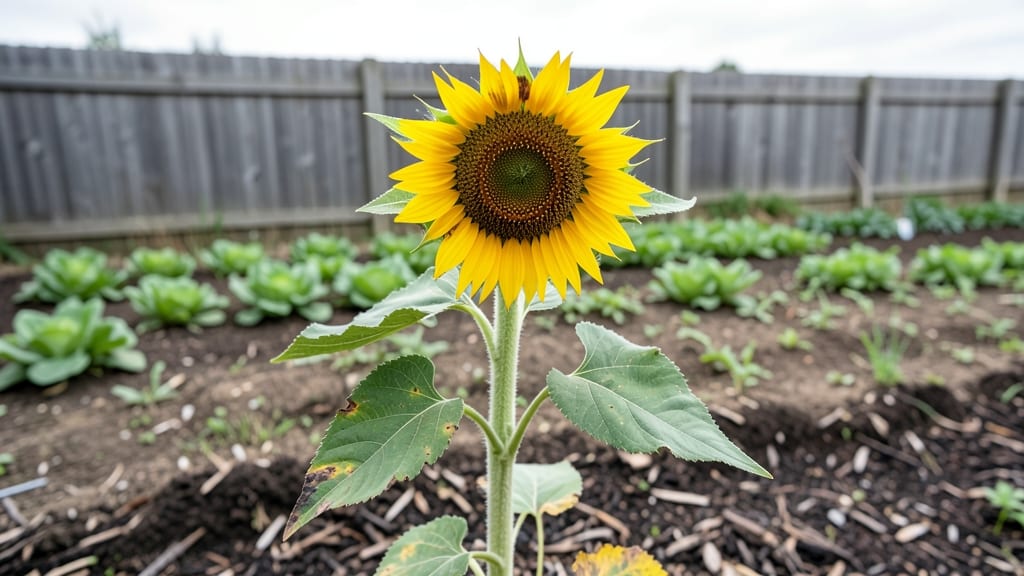
Sunflower season 1 in the Pacific Northwest arrives sooner than you’d expect—and if you skip the cold-hardy varieties, you’ll miss the 8-foot giants stealing the show by July. ✨ I planted my first batch last spring, and they... neighborhood block party.
The key? Timing isn’t just about spring or summer—it’s about soil warmth and frost dates.
Most gardeners assume sunflowers need hot weather to thrive, but in cooler climates like ours, early planting (as soon as soil is workable) gives roots time to establish before summer heat. A 5-gallon pot or direct-sown row works—just space seeds 6 inches apart and keep soil moist until sprouts appear.
The real secret? Amending clay-heavy PNW soil with compost before planting ensures those deep taproots get off to a strong start.
By mid-June, you’ll watch stems shoot up like skyscrapers, turning your garden into a golden canopy. Even in rainy summers, sunflowers handle moisture better than most flowers, and their drought tolerance means less fuss once established.
The trade-off? They’ll need staking if winds pick up—those top-heavy blooms can flop without support.
This blueprint works for zones 4-7, but adjust for tropical climates by planting later (after last frost) and choosing shorter varieties. Now let’s clear up the biggest myth: “Season 1” isn’t about spring vs. summer—it’s about giving sunflowers the head start they need to beat the heat.
📚 In This Guide
- What you need
- Instructions
- Tips and common mistakes
- Wrapping up and next steps
What you need
- ● Sunflower Seeds: Cold-hardy varieties (e.g., Helianthus annuus ‘Russian Giant’ or ‘Autumn Beauty’): 10–20 seeds
- ● Organic, non-GMO seeds (if preferred): 1 packet (50+ seeds)
- ● Growing Containers or Garden Beds: For containers: 5-gallon pots (1–2 per plant) with drainage holes
- ● For in-ground: Well-draining soil (loamy or sandy), amended with compost
- ● Potting Mix: 1 bag (1–2 cubic feet) of high-quality, peat-free mix (e.g., Black Gold Natural & Organic)
- ● Fertilizer: Balanced organic fertilizer (e.g., 10-10-10 or fish emulsion): 1 application at planting
- ● Tools: Hand trowel or small shovel
- ○ Garden gloves (optional but highly recommended!)
- ● Watering can or hose with a gentle nozzle
- ● Sunlight: Full sun (6+ hours/day)—PNW’s shorter days? No problem! South-facing spots are ideal.
- ● Climate Prep: Start seeds indoors 4–6 weeks before last frost (use grow lights if needed).
- ● Hardening off seedlings 10–14 days before transplanting (acclimate to outdoor temps!).
- ● Watering Plan: Keep soil consistently moist (not soggy!)—especially during PNW’s unpredictable spring rains.
- ● Decorative stakes or trellises (for tall varieties like ‘Russian Giant’)
- ● Birdseed mix (to attract pollinators—sunflowers are a feeder’s dream!)
- ● Photo journal (track growth from sprout to bloom—#SunflowerSeason1 goals!)
Instructions: planting cold-hardy sunflowers in the Pacific Northwest
Here’s how I get sunflowers thriving in our cool, damp climate—no special tricks, just smart timing and care.
🌱 Step 1: Choose the Right Varieties for Cold Climates
Not all sunflowers handle our chilly springs. I always pick dwarf varieties like 'Teddy Bear' or 'Moulin Rouge'—they bloom faster and tolerate cooler soil better than giant types. These stay compact (3-5 feet tall) and handle 30°F nights without fuss.
Check seed packets for days to maturity—aim for 60-70 days to bloom. Longer-maturing varieties risk bolting too late in our short season. I plant two weeks earlier than the average last frost date because cold soil slows germination.
☀️ Step 2: Prep Soil and Plant After Frost Threat Passes
Sunflowers hate soggy roots, so I amend heavy Pacific Northwest soil with 2-3 inches of compost mixed into the top 6 inches of bed. Work it in until the soil looks dark and crumbly—no clumps larger than a pencil eraser. This prevents waterlogging while retaining moisture.
Wait until soil warms to 55°F (use a soil thermometer) before planting. In our climate, that’s usually mid-May. Push seeds 1 inch deep, 6 inches apart in rows 18 inches apart. Tap the soil gently after planting to ensure good seed-to-soil contact—this prevents air pockets that block germination.
💧 Step 3: Water Deeply and Protect Young Plants
Water 1 inch per week once seeds sprout, keeping soil evenly moist but not soggy. I use a soaker hose to avoid wetting leaves, which prevents fungal diseases like powdery mildew. Young seedlings need consistent moisture—let the top 1 inch of soil dry between waterings, but never let it get bone-dry.
If frost sneaks back in (it happens!), cover seedlings with frost cloth at night. Sunflowers can handle light frost, but new sprouts are delicate. Watch for yellowing leaves—that’s your signal to act fast. Once plants hit 6 inches tall, they’re tough enough to shrug off cooler temps.
✂️ Step 4: Support Tall Varieties and Deadhead for More Blooms
If you planted taller varieties, install stakes or cages when plants reach 18 inches—before they get top-heavy. I tie stems loosely with soft garden twine (not wire—it cuts into stems). Let the plant lean naturally against the support; forcing it upright can snap weak stems.
Once the first blooms fade, snip spent flowers with clean shears. This redirects energy to side shoots, giving you more blooms per plant. I deadhead every 3-4 days in peak summer to keep flowers coming. If birds start pecking at seeds, cover the heads with netting—they’ll still get a meal, but you’ll save some for next year.
⏰ Step 5: Harvest Seeds for Next Season’s Plants
Leave 3-4 of the strongest stems to mature fully. When the back of the flower head turns yellow and seeds feel firm when squeezed, it’s time to harvest. Cut the entire head, hang it upside-down in a dry, dark place, and let seeds dry for 2 weeks. Then rub the head to release seeds—store them in a paper envelope in the fridge for planting next spring.
Don’t rush this step. Green seeds won’t store well, and damp heads invite mold. I label each variety with the year and variety name—next season’s plants will thank you for the fresh stock. With these methods, I’ve grown sunflowers reliably for three straight years in our cool climate.
Tips & tricks for perfect Pacific Northwest sunflower growth
These little tricks will help you beat our region's damp, cool climate and grow sunflowers that rival summer sunshine.
Variety Matters: In Step 1, when selecting dwarf varieties like 'Teddy Bear' or 'Moulin Rouge', look for packets that specify "cold-hardy" or "early maturing". These varieties can handle our 30°F nights without wilting, while standard varieties often bolt too late in our short season. I've found that even within dwarf varieties, some tolerate our climate better than others—ask local gardeners for their top performers.
Soil Prep Secret: For Step 2, don't just add compost—mix in a handful of perlite or coarse sand to improve drainage in our heavy Pacific Northwest soil. This prevents waterlogging while still retaining moisture. I like to work in the compost and perlite mixture until the soil looks like dark, crumbly cake batter—no clumps larger than a pencil eraser. This texture is perfect for sunflower roots.
Timing is Everything: The two-week early planting window mentioned in Step 1 is crucial because cold soil slows germination. I use a soil thermometer to confirm 55°F soil temperature—this is often mid-May in our region, but can vary by microclimate. If your soil stays cooler, consider using a black plastic mulch to warm it faster. Planting too early in cold soil can lead to rot before sprouting.
Watering Wisdom: In Step 3, when watering 1 inch per week, focus on deep watering rather than frequent light watering. This encourages deep root growth that can handle our occasional dry spells. I water in the morning so any moisture on leaves has time to evaporate, reducing fungal risks. And remember—sunflowers hate soggy roots, so always check drainage before planting.
Pro Tips for Sunflower Season 1
- These little tricks will help you beat our region's damp, cool climate and grow sunflowers that rival summer sunshine.
- Variety Matters: In Step 1, when selecting dwarf varieties like 'Teddy Bear' or 'Moulin Rouge', look for packets that specify "cold-hardy" or "early maturing".
- Soil Prep Secret: For Step 2, don't just add compost—mix in a handful of perlite or coarse sand to improve drainage in our heavy Pacific Northwest soil.
Frequently asked questions
about Sunflower Season 1 in the Pacific Northwest—because growing cold-hardy blooms shouldn’t come with guesswork! Here are answers to the most common questions from gardeners just like you.When is the best time to plant sunflowers in the PNW?
For Sunflower Season 1, start seeds indoors 4–6 weeks before your last frost date (typically mid-April for most of the PNW). Transplant seedlings outdoors after soil warms to 50°F (10°C), usually late May to early June. Direct-sow outdoors in late May for a shorter season but equally stunning results! Pro tip: Use black plastic mulch to speed up soil warming.
Are these sunflowers truly cold-hardy?
Sunflower Season 1 varieties are bred to thrive in the PNW’s cooler climates. They tolerate light frosts (down to 28°F/-2°C) and even perform well in zones 5–8. Just ensure they get 6+ hours of sunlight daily—they’ll reward you with vibrant blooms even in chilly summers.
What if my sunflowers aren’t growing tall or blooming?
Check these troubleshooting steps:
- Sunlight: Move to a sunnier spot if stems are leggy.
- Water: Keep soil moist (not soggy) during flowering.
- Soil: Amend with compost if growth stalls—sunflowers love nutrient-rich dirt.
- Pests: Inspect for aphids or slugs (use neem oil or diatomaceous earth if needed).
If blooms fail, try hand-pollinating with a soft brush!
Can I grow sunflowers in containers?
Yes! Choose dwarf varieties (like ‘Moulin Rouge’) for pots. Use a 5-gallon container minimum with drainage holes and fill with well-draining potting mix. Place in full sun and fertilize lightly every 3–4 weeks. Bonus: Container sunflowers are perfect for balconies or patios!
How long does it take for sunflowers to bloom?
From seed to bloom, expect 8–12 weeks depending on variety and conditions. Early-summer plantings (June) may bloom by late August, while fall plantings (July) could flower as late as October. Fun fact: Some varieties continue blooming into frost!
Wrapping up and next steps
Sunflower Season 1 in the Pacific Northwest isn’t just about cold-hardy blooms—it’s about embracing resilience and turning your garden into a vibrant canvas.
Whether you’re a seasoned orchid enthusiast or a curious beginner, these sunflower varieties and care tips prove that beauty thrives even in cooler climates. 🌸❄️ Now that you’re armed with the right materials, techniques, and answers, it’s time to roll up your sleeves!
Start by sketching your garden layout or ordering seeds—your future sunflower masterpiece awaits. Happy planting!