
Lawn
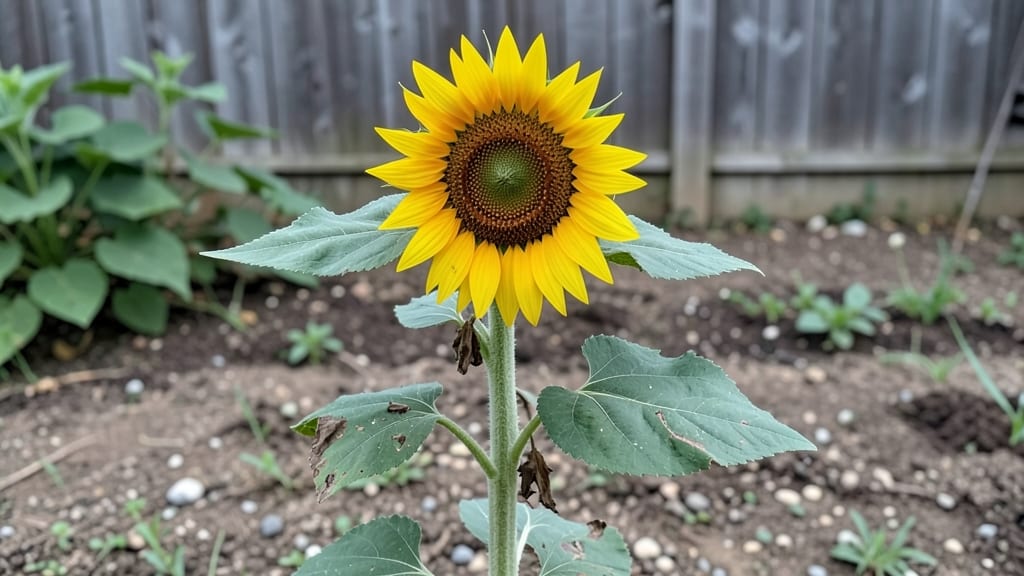
Growing sunflower seed heads is where gardening gets unexpectedly rewarding—those golden puffs of potential appear just when you think the season’s over. ✨ I’ve watched my frost-hardy varieties stand tall through chilly mornings, their heads maturing into harvestable treasures long after other flowers have bowed out.
The trick to great seed heads starts with patience and a few smart choices: drought-tolerant varieties like ‘Moulin Rouge’ or ‘Russian Giant,’ well-drained soil, and spacing that lets air circulate.
You’ll need about 12-18 inches between plants, and a sunny spot that gets at least six hours of light daily—even in cooler climates. The payoff? Seed heads that stay on the stalk until you’re ready to harvest, even after the first frost.
By late summer, you’ll have plump, dry seed heads perfect for crafts, bird feeders, or even roasted snacks. The birds will thank you, your fall decor will shine, and you’ll have proof that sunflowers aren’t just summer’s showstoppers—they’re the unsung heroes of autumn gardening.
Let’s get those stalks standing tall and productive.
Whether you’re growing for beauty, birds, or both, this method works for small spaces and large gardens alike. The key is timing: harvest when the backs of the seed heads turn brown, and store them in a dry place. No fancy equipment needed—just sun, soil, and a little attention.
📚 In This Guide
- What you need
- Instructions
- Tips and common mistakes
- Wrapping up and next steps
What you need
- ● Sunflower seeds: Choose frost-resistant varieties like Helianthus annuus (e.g., 'Russian Giant' or 'Autumn Beauty'). Buy 20-50 seeds per plant, depending on your space.
- ● Well-draining soil: A mix of 60% topsoil, 30% compost, and 10% perlite/sand (for aeration). Aim for a pH of 6.0–7.5.
- ● Containers or garden bed: For containers: 5-gallon pots (minimum) with drainage holes (1–2 plants per pot).
- ● For in-ground: Space seeds 12–18 inches apart in rows 2–3 feet apart.
- ● Watering can or hose: With a gentle spray nozzle to avoid displacing seeds.
- ● Garden trowel or transplanting tool (for digging holes or sowing seeds).
- ○ Gloves (optional but recommended for handling soil/seeds).
- ● Mulch (straw or shredded leaves) (1–2 inches) to retain moisture and protect against frost.
- ● Fertilizer: Balanced 10-10-10 or organic options like compost tea or worm castings (apply lightly at planting).
- ● Sunlight tracker: Ensure your spot gets 6+ hours of direct sun daily (even in cool climates!).
- ● Seed starter kit (for indoor germination before transplanting).
- ● Plant markers (to track varieties if growing multiple types).
- ● Pest deterrents: Neem oil or row covers for young seedlings.
- ● Pruning shears (to trim deadheads and encourage branching).
Step-by-Step instructions for growing sunflower seed heads in cool climates
Here's how to grow sunflowers that thrive in cooler weather and produce stunning seed heads.
🌱 Step 1: Choose the Right Variety for Cool Climates
Pick frost-resistant varieties like 'Autumn Beauty' or 'Moulin Rouge'—they handle cooler temperatures better than standard types. Look for seeds labeled as short-day varieties, which bloom earlier in cooler conditions. I always check the packet for days to maturity to ensure they finish before the first hard frost in my zone.
Plant seeds directly in the garden after the last frost date, or start indoors 4-6 weeks before the last frost if you have a short growing season. The key is timing: sunflowers need 80-100 days to mature, so cooler climates benefit from early starts. If you're unsure about your frost dates, check your local cooperative extension service for precise timing.
🪴 Step 2: Prepare the Soil and Plant Seeds
Sunflowers love well-draining soil with plenty of organic matter. Mix the soil to a depth of 12 inches and work in 2-3 inches of compost to improve fertility. Sunflowers are heavy feeders, so don’t skimp on the nutrients. I like to add a balanced 10-10-10 fertilizer at planting time to give them a strong start.
Plant seeds 1 inch deep and 6 inches apart in rows 18-24 inches apart. If you’re growing 4 plants, space them evenly in a square or line for balanced sunlight exposure. Water the soil thoroughly after planting to settle it around the seeds. Keep the soil consistently moist but not soggy—sunflowers hate wet feet, which can lead to rot.
☀️ Step 3: Provide Support and Monitor Growth
Sunflowers need full sun (6-8 hours daily), so choose a spot where they won’t be shaded by trees or buildings. If you’re in a cooler climate, they’ll appreciate a little extra warmth, but they’ll still grow well in partial sun if given enough time. You’ll notice the first true leaves emerge in 7-10 days, and the plants will grow 1-2 inches per day once established.
Tall varieties may need staking if they topple in wind or rain. I use 3-foot bamboo stakes tied loosely to the stem with soft fabric strips to avoid damaging the plant. Watch for pests like aphids or beetles—spray with a strong stream of water or use neem oil if you spot them early. The goal is to keep the plants healthy so they put all their energy into growing those iconic seed heads.
✂️ Step 4: Harvest and Preserve Seed Heads
Wait until the back of the seed head turns yellow-brown and the petals have fallen off completely before harvesting. This usually happens 2-3 weeks after flowering, depending on your climate. Cut the stem 6 inches below the head with clean shears. Hang the heads upside down in a dry, well-ventilated area for 1-2 weeks to fully dry.
Once dry, rub the seed head between your hands to release the seeds. Store them in a paper bag or airtight container in a cool, dark place for planting next year. If you’re keeping the seed heads for decoration, remove the remaining seeds and spray-paint them with a matte finish to preserve their color. Sunflowers are incredibly resilient, and with the right care, you’ll have stunning seed heads even in cooler climates.
Tips & tricks for perfect sunflower seed heads in cool climates
Growing sunflowers that thrive in cooler weather takes a few smart strategies—here's what I've learned from years of trial and error.
Variety Selection Tip: In Step 1, when choosing your frost-resistant varieties, look for seed packets that specify "short-day" types—they're bred to bloom earlier in cooler conditions. I've found 'Autumn Beauty' consistently outperforms others in my zone 5 garden. Also, check the maturity days on the packet—you want varieties that finish between 80-100 days, which matches perfectly with the cool-season growing window we're targeting.
Soil Preparation Hack: For Step 2, don't just add compost—mix in some sand if your soil is heavy clay. I've seen sunflower roots struggle in compacted soil, leading to stunted growth. The 12-inch soil depth prep is crucial because sunflower roots can grow that deep! Consider adding a handful of bone meal to the planting hole for extra phosphorus—it helps those strong taproots develop quickly.
Planting Timing Strategy: The 4-6 week indoor start timing in Step 1 is flexible—if you're in a particularly cool climate, push it to 6 weeks. I've had great success with this adjustment because it gives seedlings a stronger start before transplanting. Remember, the goal is to have mature plants by your first frost date, not just any arbitrary date.
Harvesting Insight: In Step 4, when harvesting, wait until the seed head is completely dry before cutting. I test this by gently tapping the back of the head—if seeds rattle inside, it's ready. The 2-3 week window after flowering can vary by 5-7 days depending on your specific climate, so don't rush it. For drying, I use a well-ventilated garage with a fan blowing gently—this speeds up the process to about 10 days instead of the full 2 weeks.
Pro Tips for Sunflower Seed Head
- Growing sunflowers that thrive in cooler weather takes a few smart strategies—here's what I've learned from years of trial and error.
- Variety Selection Tip: In Step 1, when choosing your frost-resistant varieties, look for seed packets that specify "short-day" types—they're bred to bloom earlier in cooler conditions.
- Soil Preparation Hack: For Step 2, don't just add compost—mix in some sand if your soil is heavy clay.
Frequently asked questions
Got questions about growing sunflower seed heads? You’re not alone! Here are some of the most common queries—plus straightforward answers to help you cultivate stunning, frost-resistant blooms in cool climates.
What’s the best time to plant sunflower seed heads for a fall harvest?
For frost-resistant varieties, sow seeds 85–100 days before your first fall frost. In cooler climates, start indoors 4–6 weeks before the last spring frost, then transplant outdoors. If you’re aiming for winter interest, choose late-maturing varieties (like ‘Russian Mammoth’) and plant in early summer.
Can sunflower seed heads survive light frost?
Yes! Sunflowers are surprisingly hardy—mature seed heads tolerate light frost without damage. However, immature blooms may crack if frozen while still moist. Harvest seed heads after the first hard frost for best results, or protect young plants with row covers if frost is unexpected.
What can I do if my sunflower seed heads turn brown before ripening?
Brown seed heads before full ripeness usually signal drought stress, pests, or fungal issues. Check for:
- Drought: Water deeply 1–2 times per week (especially during flowering).
- Pests: Inspect for aphids or beetles; use neem oil if needed.
- Fungus: Improve airflow by spacing plants 12–18 inches apart.
Are there sunflower alternatives for small spaces or containers?
Try these compact or dwarf varieties perfect for containers or tight gardens:
- ‘Teddy Bear’ – 2–3 ft tall, great for cut flowers.
- ‘Moulin Rouge’ – 3–4 ft, striped blooms, excellent for seed heads.
- ‘Sunspot’ – 1–2 ft, heat-tolerant and early bloomer.
How long does it take for sunflower seed heads to fully mature?
From planting to maturity, sunflowers typically take 80–120 days, depending on the variety. Seed heads are ready for harvest when:
- The back of the head turns brown/yellow.
- Seeds rattle when shaken.
- Leaves yellow and die back.
Wrapping up and next steps
Growing a sunflower seed head in cool climates is not only possible but also incredibly rewarding—whether you're drawn to their cheerful blooms or their frost-resistant resilience! 🌻 With the right variety, soil prep, and care, you can enjoy towering sunflowers even in chilly regions.
Their versatility means they’ll brighten your garden, attract pollinators, and even provide edible seeds for snacking or bird-feeding.
Now that you’re armed with tips on materials, planting, and troubleshooting, why not take the next step? Start small with a few sunflower seed heads this season, experiment with varieties, or even share your harvest with neighbors. Happy growing—your garden (and local wildlife!) will thank you! 🌱