
Propagation
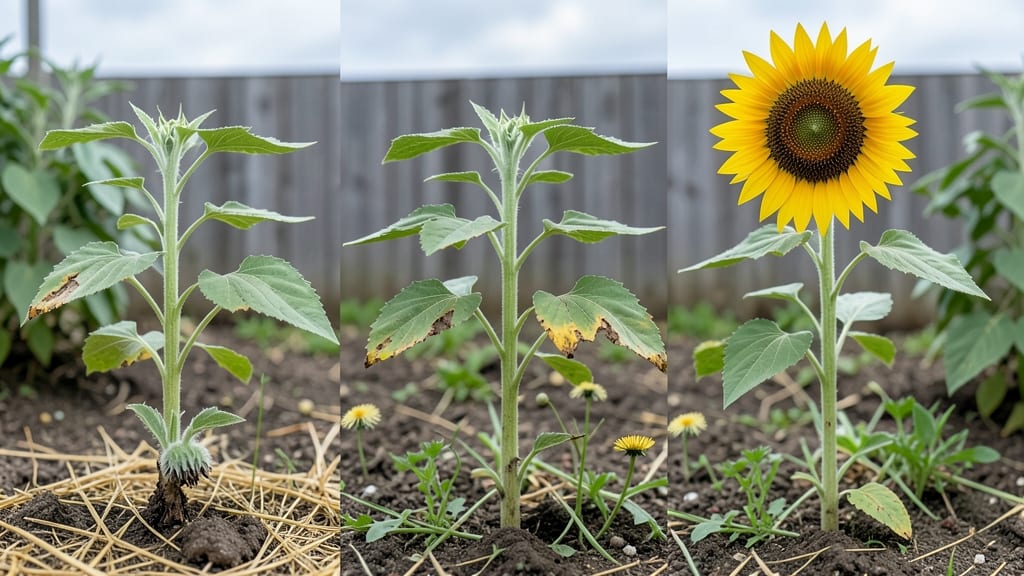
The sunflower seeds life cycle unfolds like nature’s own countdown—from a tiny seed to a towering bloom in just 90 days. There’s something magical about watching those first green cotyledons push through the soil, knowing they’ll soon reach heights that dwarf even the tallest gardeners.
This journey isn’t just about growth; it’s about patience, sunlight, and the quiet thrill of seeing nature’s engineering at work.
Here’s the thing—sunflowers don’t just grow; they transform. A seedling that starts as a fragile sprout with two tiny leaves becomes a 10-foot giant in a matter of weeks, all while storing energy in its roots, leaves, and eventually, its seeds.
The real secret? They thrive on full sun, deep watering, and rich soil—no fancy tricks, just the basics done right. I’ve seen firsthand how a single missed watering can stall progress, but when conditions are perfect, the results are jaw-dropping.
By the time you’re harvesting seeds, you’ll have witnessed every stage: the velvety buds swelling into blooms, the golden centers drawing bees, and the dry, papery heads ready for next year’s garden. The best part?
You’re not just growing a plant—you’re creating a legacy in those seeds, ready to repeat the cycle all over again. Let’s break down how to guide them through each phase without a hitch.
Whether you’re a first-timer or a seasoned grower, understanding this rhythm turns sunflowers from a summer decoration into a year-round lesson in resilience. The stages don’t just happen—they’re shaped by what you do (or don’t do) in the soil, water, and sunlight.
Ready to pull up a chair and watch the show?
📚 In This Guide
- What you need
- Instructions
- Tips and common mistakes
- Wrapping up and next steps
What you need
- ● Sunflower seeds: Choose heirloom or hybrid varieties (e.g., ‘Mammoth’, ‘Russian Giant’, or ‘Autumn Beauty’). Buy 50–100 seeds for a small garden or 100+ for larger plots. Opt for untreated, non-GMO seeds for the best germination.
- ● Growing containers: Seed trays or biodegradable pots (3–4 inches deep) for starting indoors—10–20 trays depending on seed quantity.
- ● Outdoor garden bed (6+ feet wide, 12+ inches deep) or large pots (15+ gallons) for transplanting. Ensure well-draining soil.
- ● Potting mix: Use a lightweight, sterile mix (e.g., 60% peat moss, 30% perlite, 10% compost). Avoid garden soil—it can harbor diseases! (~5–10 gallons).
- ● Watering can or spray bottle: A gentle misting nozzle (for seeds) and a rose attachment (for mature plants).
- ● Fertilizer: Starter fertilizer: Balanced 10-10-10 or fish emulsion (follow package rates).
- ● Growth fertilizer: Low-nitrogen, high-phosphorus (e.g., 5-10-10) once plants are 6+ inches tall.
- ● Hand trowel or transplanting spade (for digging and relocating seedlings).
- ● Garden gloves (to protect hands from prickly stems later!).
- ● Measuring tape or ruler (to track plant height and spacing).
- ● Pruning shears (for removing dead leaves or adjusting growth).
- ○ Sunlight meter or grow lights (optional but helpful): A meter ensures 6–8 hours of direct sunlight/day; grow lights (LED, full-spectrum) work for indoor starts.
- ○ Row covers or mesh (optional): Protects seedlings from pests like birds or deer.
- ● Climate: Sunflowers thrive in USDA Zones 2–11. Start seeds indoors 2–4 weeks before last frost (or direct-sow after soil reaches 50°F+).
- ● Sunlight: Full sun (6+ hours/day) is a must—no compromises!
- ● Spacing: Seedlings: 6–12 inches apart (closer for dwarf varieties).
- ● Mature plants: 18–36 inches apart (check seed packet for variety-specific needs).
- ● Watering schedule: Keep soil consistently moist (not soggy) during germination; reduce to 1–2 inches/week once established.
Understanding the sunflower seeds life cycle: a 90-Day journey
Here's how to track every stage of a sunflower's rapid growth—from tiny seed to towering bloom.
Germination (Days 1-14)
The first stage begins when you plant the seed ½ inch deep in well-drained soil at a temperature between 60-70°F. Within 3-7 days, you'll see the first sign of life—a small shoot pushing through the soil. This is when the radicle (the embryonic root) emerges and begins anchoring the seedling.
Keep the soil consistently moist but never soggy during this period. You'll notice the seedling's first true leaves appear after about 10-14 days. These leaves are different from the initial cotyledons (seed leaves) and will be more elongated and pointed. This is your cue that the seedling is now photosynthesizing on its own.
Vegetative Growth (Days 15-45)
Once the seedling has its first true leaves, it enters the vegetative stage, where it focuses on growing taller and developing a strong stem. You'll see rapid growth during this phase, with the plant adding 3-5 new leaves per week. The stem will become thicker and more rigid as it prepares to support the eventual flower head.
This is when sunflowers need full sun (6-8 hours daily) to prevent leggy growth. If you notice the stem stretching excessively or leaning toward the light, it's a sign the plant isn't getting enough sunlight. During this stage, the plant's root system also expands significantly, so water deeply once a week to encourage strong root development.
Bud Formation (Days 45-60)
Around 45 days, you'll start to see the first signs of the flower bud forming at the top of the stem. The bud will appear as a small, tightly wrapped cluster of petals. This is an exciting phase because it marks the transition from vegetative growth to reproductive growth. The plant will slow its height increase and begin focusing energy on developing the flower.
During this stage, reduce watering slightly to every 5-7 days, allowing the soil to dry out a bit between waterings. This helps prevent the bud from rotting and ensures the plant directs its energy toward flowering rather than maintaining excess moisture. You'll also notice the leaves at the base of the plant beginning to yellow and die back—this is normal and part of the plant's natural progression.
Flowering and Pollination (Days 60-75)
By day 60, the sunflower will fully open its bloom, revealing its vibrant petals and the central disk where pollination occurs. The flower will track the sun (heliotropism) in its early stages, moving from east to west throughout the day. This behavior maximizes pollen exposure and increases the chances of successful pollination by bees and other insects.
Once the flower is fully open, it will remain in bloom for 1-2 weeks, during which time it will produce nectar to attract pollinators. You'll see the disk at the center of the flower darken as it develops seeds. If you're growing sunflowers for seeds, avoid harvesting the flower head until the back turns yellow and the petals have fallen off naturally.
Seed Maturation and Harvest (Days 75-90)
The final stage begins when the petals drop off, and the seed head turns brown and dry. This typically happens around day 75-90, depending on the variety and growing conditions. The seeds inside the head will mature fully, and the back of the head will split open slightly, revealing the seeds.
To harvest, cut the stem 2-3 inches below the flower head and hang it upside down in a dry, well-ventilated area for 1-2 weeks. This allows the seeds to dry completely and loosens them from the head. Once fully dry, you can rub the head gently to release the seeds or remove them by hand. Store the seeds in a cool, dry place for future planting.
Tips & tricks for perfect sunflower growth
Tracking a sunflower's transformation from seed to towering bloom reveals nature's most dramatic growth stories. Here's how to optimize each stage for maximum success.
Germination Success: The 3-7 day window for germination is your first critical test. Plant seeds in a warm spot (70°F) and maintain consistent moisture—think of it like a spa treatment for your seedling. I've learned the hard way that soggy soil can drown emerging roots, so use a spray bottle for gentle watering during this delicate phase. The first true leaves appearing around day 10-14 signal the plant's independence from its seed reserves.
Vegetative Growth Optimization: During the rapid 3-5 leaves per week phase (days 15-45), your sunflower's foundation is being built. This is when the stem's strength is determined—never skimp on sunlight here. I've seen plants stretch painfully toward windows when they needed that full 6-8 hours daily. A simple trick: rotate your pot weekly to encourage even growth toward all light sources. The once-weekly deep watering isn't just about hydration; it's about developing that deep root system that will support the eventual 10-foot giant.
Bud Formation Insight: Around day 45 when that first bud appears, you're witnessing a metabolic shift from growth to reproduction. The plant's yellowing lower leaves are actually a good sign—they're recycling nutrients upward. This is when I reduce watering to every 5-7 days, which might seem counterintuitive, but it prevents bud rot while maintaining enough moisture for the flower's development. Watch for the bud to tighten—the tighter the wrap, the more energy the plant is putting into that future bloom.
Harvesting Strategy: That 1-2 week hanging period after cutting is crucial for seed maturation. I've found the best results come from hanging heads in a dark, airy space—natural light can cause premature drying. The seeds will be ready when they easily separate from the head with gentle rubbing. For storage, I use airtight containers with silica packets to maintain viability for up to 3 years. The key is patience—rushing the drying process can lead to shriveled, non-viable seeds.
Pro Tips for Sunflower Seeds Life Cycle
- Tracking a sunflower's transformation from seed to towering bloom reveals nature's most dramatic growth stories.
- Germination Success: The 3-7 day window for germination is your first critical test.
- Vegetative Growth Optimization: During the rapid 3-5 leaves per week phase (days 15-45), your sunflower's foundation is being built.
Frequently asked questions
Got questions about growing sunflowers from seeds?
You’re not alone! Here are answers to the most common queries—whether you’re a beginner or just fine-tuning your green thumb.
How long does it take for sunflower seeds to sprout?
Sunflower seeds typically sprout in 7–14 days after planting, depending on soil temperature and moisture. If your seeds haven’t sprouted in 2 weeks, gently check for mold or rot—if the soil feels damp and clumpy, it might be time to replant. Keep the soil warm (around 70°F) and moist for the best results!
Can sunflowers grow in partial shade?
Sunflowers thrive in full sun (6+ hours daily), but they can tolerate partial shade (4–6 hours) if given extra care. In shady spots, expect smaller blooms and shorter stems. If you’re growing them in containers, place them in the sunniest part of your patio or balcony to maximize growth.
What’s the best way to harvest sunflower seeds?
Harvest seeds when the back of the flower head turns yellow and the petals drop off. Cut the head, hang it upside-down in a dry, dark place for 1–2 weeks to dry, then rub the head between your hands to release the seeds. Store them in a cool, dry spot for up to 6 months.
Why aren’t my sunflower seeds germinating?
Common culprits include old seeds (use fresh seeds for best results), cold soil, or overwatering (which can cause rot). Try soaking seeds overnight in warm water before planting, or test a few in a damp paper towel—if they don’t sprout in 3–5 days, they may be non-viable. Pro tip: Plant a few extra seeds to account for potential losses!
Can I grow sunflowers in containers?
Dwarf varieties (like ‘Teddy Bear’ or ‘Moulin Rouge’) are perfect for containers. Use a 5-gallon pot or larger with drainage holes, fill it with well-draining soil, and place it in full sun. Just ensure the container is sturdy—sunflowers can get top-heavy!
Wrapping up and next steps
The sunflower seeds life cycle is a stunning reminder of nature’s resilience—from a tiny seed to a towering bloom in just 90 days! Whether you’re growing them for beauty, birds, or snacks, understanding each stage helps you nurture them with confidence.
Now that you’re armed with the right tools, timing, and tips, why not plant a few seeds today? Start small, observe the magic unfold, and soon you’ll be harvesting sunflowers like a pro! 🌻