Propagation
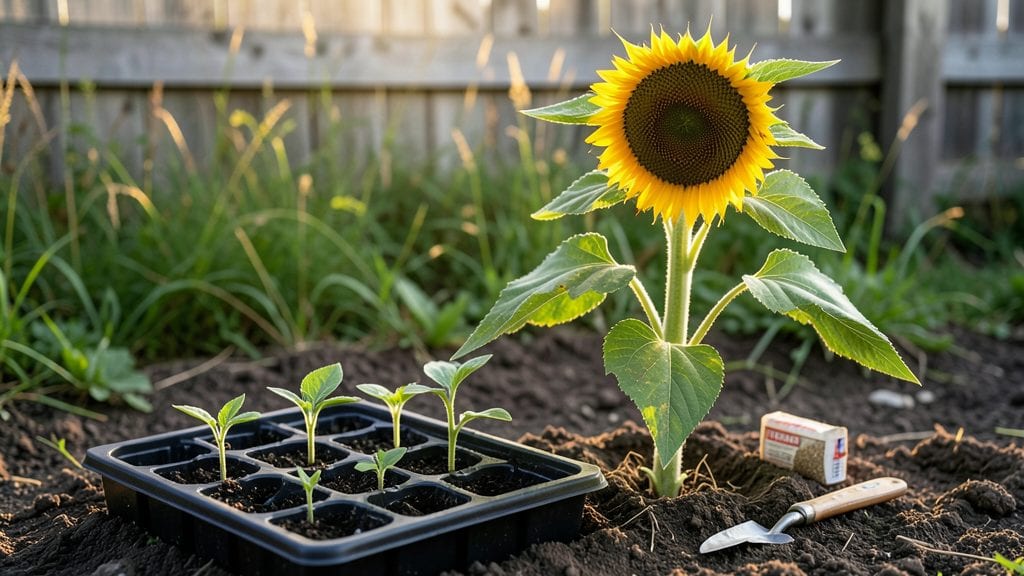
Farming sunflower seeds is one of those gardening wins that feels like magic—from a tiny seed to a 10-foot-tall golden giant in just 6 weeks. 🌻 I remember the first time I watched my kids’ faces light up when those first green shoots broke through the soil; there’s nothing like it.
The secret isn’t complicated, but the timing and care make all the difference.
You’ll need sunny soil, a patch of ground with at least 6 hours of direct sunlight, and a handful of seeds planted about 1 inch deep. Sunflowers are forgiving but hate soggy soil—drainage is key.
The real trick? Consistent moisture in the first two weeks while roots establish, then letting them drink deeply when they’re taller. Most beginners overwater, thinking bigger blooms mean more water, but it’s actually about strong stems.
By week 4, you’ll see those iconic yellow faces turning toward the sun, and by harvest time, you’ll have heavy seed heads perfect for birds, cooking, or next year’s garden.
The best part? Sunflowers clean the soil naturally, making them a low-maintenance superstar for any plot. Let’s get those seeds in the ground—your summer skyline won’t know what hit it.
Works in urban gardens, rural fields, or even large containers—just adjust spacing. And if you’re in a cooler zone, opt for shorter varieties like ‘Teddy Bear’ for a guaranteed show. Ready to grow something that’ll make your neighbors ask, “How’d you get those so tall?” Let’s do this.
📚 In This Guide
- What you need
- Instructions
- Tips and common mistakes
- Wrapping up and next steps
What you need
- ● Sunflower seeds: Choose heirloom or hybrid varieties (e.g., ‘Mammoth’ or ‘Autumn Beauty’). Buy 10–50 seeds depending on your space.
- ● High-quality potting soil: 5–10 gallons of well-draining, organic mix (e.g., Miracle-Gro All Purpose or FoxFarm Ocean Forest).
- ● Containers: For indoor starts: 4–6-inch pots (1 per seed) or seed trays with drainage holes.
- ● For direct sowing: A well-prepared garden bed (6+ inches deep) or large containers (12+ inches wide/deep).
- ● Watering can or spray bottle: With a gentle, adjustable nozzle to avoid disturbing seeds.
- ○ Grow lights (optional but helpful): A full-spectrum LED (e.g., Spectrum 90000) for indoor starts, placed 2–4 inches above seedlings.
- ● Gloves: A pair of gardening gloves to protect hands from soil and thorns.
- ● Trowel: A small hand trowel for planting seeds at 1-inch depth.
- ● Fertilizer: Starter fertilizer: Fish emulsion or balanced 10-10-10 (mix 1 tbsp per gallon of water).
- ○ Growth booster (optional): Compost tea or worm castings for nutrient-rich soil.
- ● Sunlight access: A south-facing window (for indoor starts) or 6+ hours of direct sunlight daily (for outdoor growth).
- ○ Thermometer (optional): To monitor soil temps—sunflowers thrive in 70–85°F.
- ● 🌡️ Soil temp matters: Wait until soil is at least 55°F before direct sowing (use a seedling heat mat if starting early indoors).
- ● ✨ Thinning seedlings: Once sprouts have 2 true leaves, thin to 1 plant per pot/12 inches apart in the ground.
- ● 🚫 Avoid overcrowding: Sunflowers need space to grow—give tall varieties 2+ feet of clearance!
Step-by-Step instructions for farming sunflower seeds
Here’s how I grow sunflowers from seed to towering bloom—every stage broken into simple, foolproof steps.
🌱 Step 1: Prepare the Soil and Plant Seeds Directly
Sunflower seeds thrive when planted directly in the ground, so skip the indoor starting phase. Choose a sunny spot with 6+ hours of direct sunlight and soil that drains well—sunflowers hate soggy roots. Loosen the top 6 inches of soil with a garden fork or tiller to break up compaction. Mix in a handful of balanced fertilizer (10-10-10) to give seedlings a nutrient boost.
Drop 2-3 seeds per planting hole, spaced 6 inches apart in rows 18-24 inches apart. Plant seeds 1 inch deep—deeper planting slows germination, while shallower planting risks drying out. Water gently after planting to settle the soil around the seeds. Germination takes 7-14 days, so keep the soil consistently moist (not soggy) until sprouts appear.
☀️ Step 2: Provide Consistent Sun and Water
Sunflowers are sun worshippers—full sun is non-negotiable. If your garden gets afternoon shade, move plants to a sunnier location immediately. You’ll see seedlings emerge as two small, round cotyledons (the first true leaves). Once they appear, thin seedlings to 1 plant per hole, keeping the strongest, most upright sprout. Snip the extras at soil level with clean scissors—don’t pull, or you’ll disturb roots.
Water deeply 1-2 times per week, aiming for 1 inch of water per week. Let the top 2 inches of soil dry between waterings to prevent fungal diseases. Mulch around plants with 2-3 inches of straw or grass clippings to retain moisture and suppress weeds. Watch for wilting—sunflowers droop when thirsty, but they bounce back quickly after a drink.
🌿 Step 3: Fertilize and Support for Height
When seedlings reach 12 inches tall (about 4-6 weeks after planting), side-dress with ½ cup of 10-10-10 fertilizer per plant. Scratch it into the soil around the base, then water deeply to activate the nutrients. This mid-season boost encourages strong stem development and larger blooms. Avoid over-fertilizing—too much nitrogen leads to leafy growth at the expense of flowers.
Tall sunflower varieties (like ‘Mammoth’ or ‘Russian Giant’) may need staking if stems lean or flop in wind. Insert 3-foot bamboo stakes near each plant at planting time, then loosely tie stems to the stake with soft garden twine as they grow. Don’t cinch too tight—sunflowers need room to sway slightly for stability. You’ll know support is working when stems stand upright without bending toward the light.
⏰ Step 4: Monitor for Pests and Harvest at Peak
Sunflowers attract aphids, beetles, and birds, but most damage is cosmetic. Blast off aphids with a strong spray of water, or introduce ladybugs for natural control. Birds love the seeds, so cover young blooms with bird netting if they become a nuisance. Watch for powdery mildew (a white, dusty fungus) on leaves—improve airflow by thinning plants and spray with a baking soda solution (1 tsp baking soda + 1 quart water + a drop of dish soap) if needed.
Harvest seeds when the back of the flower head turns yellow and the petals drop. Cut the entire head with 6 inches of stem attached and hang it upside down in a dry, dark place to dry for 2-3 weeks. Rub the dried head between your hands to release seeds, then store them in a cool, dark place for up to 2 years. You’ll know seeds are ready when they’re plump, dry, and rattle inside the head.
Tips & tricks for perfect sunflower farming
Here’s how to turn those delicate sprouts into towering sunflowers—without the common pitfalls that trip up gardeners.
Soil Prep Secret: In Step 1, don’t just loosen the soil—break up any clumps larger than a golf ball. Sunflower roots need unfettered access to oxygen, and compacted soil can stunt growth. I use a garden fork to create a loose, almost fluffy texture in the top 6 inches, almost like aerating a lawn. This helps those roots spread out quickly for stability.
Thinning Technique: When you’re thinning seedlings in Step 2, wait until they’re at least 2 inches tall before snipping the extras. Younger plants are more fragile, and pulling them can uproot the remaining seedlings. Use clean scissors to cut at soil level—this prevents disturbing the roots of your keepers while giving you strong, established plants to work with.
Fertilizer Timing: The mid-season boost in Step 3 is crucial, but timing matters. Apply that ½ cup of 10-10-10 fertilizer when your plants hit 12 inches—but only if they’ve developed at least 4-6 true leaves. Too early, and you’ll encourage leafy growth over flowers. Too late, and you might not see the full height potential of your varieties like ‘Mammoth.’ Water deeply right after fertilizing to help the nutrients soak into the soil.
Harvesting Hack: For Step 4, don’t wait until the flower head is completely dry before harvesting. Cut it when the back turns yellow and petals start dropping—this is peak seed maturity. Hang the head upside down in a paper bag to catch any seeds that might fall while drying. This prevents seed loss and keeps your workspace cleaner than if you hung it bare.
Pro Tips for Farming Sunflower Seeds
- Here’s how to turn those delicate sprouts into towering sunflowers—without the common pitfalls that trip up gardeners.
- Soil Prep Secret: In Step 1, don’t just loosen the soil—break up any clumps larger than a golf ball.
- Thinning Technique: When you’re thinning seedlings in Step 2, wait until they’re at least 2 inches tall before snipping the extras.
Frequently asked questions
Got questions about growing sunflower seeds? You’re not alone! Here are answers to the most common queries to help you cultivate a thriving crop with confidence.
How long does it take for sunflower seeds to sprout?
Sunflower seeds typically sprout within 7–14 days after planting, depending on soil warmth and moisture. For faster germination, keep the soil consistently moist (not soggy) and maintain temperatures between 70–85°F (21–29°C). Patience is key—some varieties may take up to 3 weeks!
Can I plant sunflower seeds too early in the spring?
Yes, but with caution! Sunflowers thrive in warm soil, so wait until after the last frost when nighttime temperatures stay above 50°F (10°C). Planting too early in cold soil can slow germination or cause rot. Use a soil thermometer to check—ideal temps are 60°F (15°C) or warmer.
What’s the best way to troubleshoot yellowing leaves?
Yellowing leaves usually signal overwatering, nutrient deficiency, or pests. First, check soil moisture—sunflowers prefer well-draining soil and hate soggy roots. If leaves are pale, add a balanced fertilizer (10-10-10) or compost. For pests like aphids, spray with neem oil or introduce ladybugs!
Are sunflower seeds drought-tolerant once established?
Once sunflowers reach 4–6 inches tall, they’re surprisingly drought-resistant. However, deep watering 1–2 times per week (especially during flowering) ensures bigger blooms. Mulch around the base to retain moisture and suppress weeds—sunflowers will reward you with taller, sturdier stems.
Can I grow sunflowers in containers?
Yes! Dwarf varieties like ‘Teddy Bear’ or ‘Moulin Rouge’ thrive in 5-gallon pots with drainage holes. Use a lightweight potting mix and place containers in full sun. Just ensure pots are at least 12 inches deep—sunflowers have deep roots! Rotate pots weekly for even growth.
Wrapping up and next steps
Growing sunflower seeds from sprout to bloom in just six weeks is a rewarding journey that combines patience, care, and a touch of sunshine! 🌻 Whether you're a beginner or a seasoned gardener, watching those towering stems reach for the sky is pure magic.
The key lies in preparing the right soil, providing consistent sunlight, and staying vigilant against pests—but trust us, the effort is worth every golden bloom.
Ready to take the next step? Plant your seeds today and turn your garden—or even a sunny windowsill—into a vibrant sunflower haven! Share your progress with fellow gardeners, experiment with varieties, and enjoy the beauty (and snacks!) your hard work brings. Happy growing! 🌱