
Landscaping
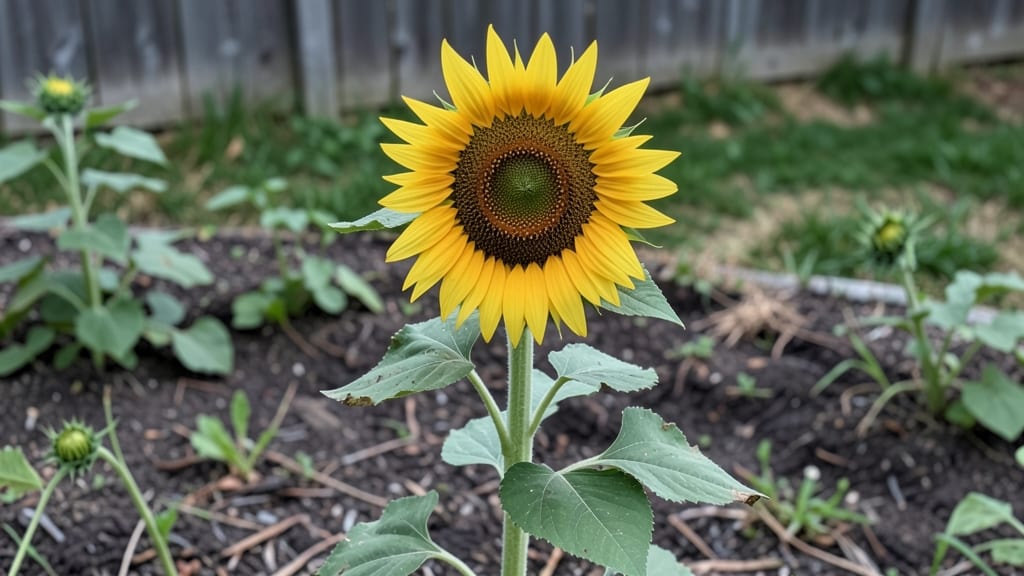
Planting sunflowers in front of your house turns your curb into a showstopper that neighbors will envy. 🌻 I’ve seen how these towering beauties instantly lift a front yard from ordinary to extraordinary—just by adding height, color, and that classic summer charm.
The right varieties can even provide year-round interest, from dried seed heads in winter to fresh blooms in summer.
Start with 6-foot-tall varieties like ‘Moulin Rouge’ for drama, or mix in shorter types like ‘Teddy Bear’ for a whimsical touch. Space them 12–18 inches apart in well-draining soil, and pair them with purple coneflowers or lavender for a cohesive look.
Sunflowers thrive in full sun, so face them toward the street for maximum impact.
By late summer, you’ll have a sun-drenched display that draws pollinators and passersby alike. Even after blooms fade, the seed heads add rustic texture—just leave them standing until spring. With minimal upkeep (deadheading spent blooms, staking if needed), these plants deliver bold curb appeal with almost no effort.
Works for any front yard—urban, suburban, or rural. The key is choosing the right mix of heights and colors to match your home’s style. Let’s make your house the talk of the block!
📚 In This Guide
- What you need
- Instructions
- Tips and common mistakes
- Wrapping up and next steps
What you need
- ● Sunflower seeds or seedlings: Choose dwarf varieties (12–36 inches) like ‘Teddy Bear’ or ‘Moulin Rouge’ for front-yard appeal. Buy 10–20 plants for a full, cohesive look.
- ● Well-draining potting soil or garden soil: A 50-pound bag (or 2–3 bags if amending clay soil). Mix in compost for nutrient-rich growth.
- ● Fertilizer: A balanced, slow-release granular fertilizer (10-10-10) (1–2 pounds per 100 sq. ft.).
- ● Mulch: Shredded bark or straw (2–3 cubic feet) to retain moisture and suppress weeds.
- ● Garden trowel or shovel (for planting).
- ● Gloves (to protect hands from thorns and soil).
- ● Watering can or hose with a gentle spray nozzle (sunflowers need 1–2 inches of water per week).
- ● Measuring tape (to space plants 12–24 inches apart).
- ○ Stakes or plant markers (optional, for labeling varieties).
- ● Decorative containers: Galvanized buckets, terracotta pots, or whiskey barrels for a rustic touch (ensure they’re at least 12 inches deep).
- ● Landscape fabric: To block weeds before mulching (cut to fit planting area).
- ● Birdseed or suet feeders: Sunflowers attract birds—hang a feeder nearby for extra curb appeal! 🐦
- ● String lights or solar-powered stakes: For evening ambiance (battery-operated for safety).
Step-by-Step guide to planting sunflowers for stunning curb appeal
Here's how to create a showstopping sunflower display that thrives all season.
🌱 Step 1: Choose the Perfect Sunflower Varieties
For year-round interest, mix tall varieties like 'Russian Giant' (up to 12 feet) with mid-height types ('Moulin Rouge' at 5-6 feet) and dwarf varieties ('Teddy Bear' at 2-3 feet). This creates visual layers that work from spring blooms through winter seed heads. I always plant at least 3-5 plants per variety to ensure continuous color—sunflowers are annuals, so each planting cycle needs fresh seeds.
Check your last frost date and select varieties with 50-60 day maturity for early summer blooms or 90-100 day types for late-season color. The key is spacing: taller varieties need 18-24 inches apart, while mid-height types thrive at 12-18 inches, and dwarf varieties can share space at 6-12 inches. This prevents shading and ensures all plants get sunlight.
🪴 Step 2: Prepare the Planting Area for Maximum Impact
Sunflowers need full sun (6+ hours daily) and well-draining soil with a pH of 6.0-7.5. Test your soil—amend with compost if it's heavy clay or sandy. I dig in 2-3 inches of aged compost into the top 6 inches of soil before planting, which improves drainage and provides nutrients. For a 4-plant display, prepare a 4-foot by 4-foot area—this gives roots room to establish without crowding.
Mark planting spots with stakes or string to maintain proper spacing. Sunflowers have deep taproots, so avoid disturbing the soil after planting. If your soil is poor, mix in a slow-release granular fertilizer (5-10-10 ratio) at planting time—this feeds roots as they grow. Water the area 24 hours before planting to settle the soil and prevent air pockets around roots.
☀️ Step 3: Plant Seeds for Strong, Disease-Free Stems
Plant seeds ½ inch deep and 1 inch apart in small groups—this encourages natural thinning and prevents overcrowding. I plant 2-3 seeds per spot and thin to the strongest seedling after 2 weeks, when first true leaves appear. Use your finger to create small holes; pressing seeds in too firmly delays germination.
Water gently after planting to settle the soil, but avoid soaking—sunflowers hate soggy roots. Mulch with 2 inches of straw or shredded leaves to retain moisture and suppress weeds. The mulch should cover the soil but not touch the stems. Water deeply every 2-3 days until plants reach 12 inches tall, then increase to 1 inch per week during flowering. You'll know moisture is right when the soil feels damp 2 inches below the surface.
✂️ Step 4: Maintain for Long-Lasting Beauty
Sunflowers are low-maintenance, but deadheading spent blooms encourages new flowers and extends the season. Cut stems ½ inch above the next bud to redirect energy. For winter interest, leave 3-4 mature seed heads on taller varieties—they provide structure and food for birds. Fertilize again when plants reach 2 feet tall with a balanced liquid fertilizer (10-10-10) to support blooming.
Watch for powdery mildew (white powder on leaves)—this thrives in humid conditions. Improve airflow by spacing plants properly and watering at the base. If mildew appears, spray with a baking soda solution (1 tbsp baking soda + 1 quart water + a drop of dish soap) every 7-10 days until the problem clears. Strong, healthy plants resist disease better than stressed ones.
🌿 Step 5: Plan for Year-Round Interest
After the first frost, cut back tall, woody stems to 12 inches to encourage new growth from lower buds. Many varieties produce secondary blooms in fall. For winter, leave 3-4 mature seed heads on different heights—they add texture and contrast to snow or evergreens. Group them with ornamental grasses or conifers for a cohesive look.
Take photos of your display in each season to track progress. I always plant new varieties each year to keep the garden exciting—try bicolor types ('Lemon Queen') or double-flowered ('ProCut') for unique curb appeal. With proper planning, your sunflower garden will be the neighborhood's standout feature from spring to winter.
Tips & tricks for perfect sunflower displays
Here's what nobody tells you about creating a sunflower garden that steals the show all year long.
Variety Layering Secret: In Step 1, when mixing varieties, I recommend adding one extra dwarf variety ('Teddy Bear' or similar) to create a natural border effect. Plant these 6-12 inches apart along your front walkway or property line—they'll spill over slightly, creating a soft, inviting edge that frames your taller sunflowers beautifully. This technique also prevents taller varieties from shading the smaller ones completely.
Soil Prep Game-Changer: Before amending your soil in Step 2, test its drainage by digging a 6-inch hole and filling it with water. If it drains in less than 4 hours, you have good drainage. If it takes longer, mix in sand or perlite to improve aeration. For heavy clay soil, I add 50% more compost (up to 5 inches deep) to create a looser, more forgiving planting medium.
Thinning Strategy: When thinning seedlings in Step 3, don't just pull extras—use them! Plant the strongest second seedlings from each group 12-18 inches away from the main plant. This gives you free backup plants and creates a more natural, staggered look. Always thin to the sturdiest stem—look for the one that's dark green and slightly thicker than its siblings.
Winter Interest Hack: In Step 5, when preparing for winter, select seed heads with distinctive patterns ('Moulin Rouge' has striking bicolor blooms that turn to seed heads with beautiful striped patterns). Bundle 3-5 seed heads together with twine and hang them in your porch or garage—they'll last all winter and provide natural decoration for holiday gatherings.
Pro Tips for Sunflowers In Front Of House
- Here's what nobody tells you about creating a sunflower garden that steals the show all year long.
- Variety Layering Secret: In Step 1, when mixing varieties, I recommend adding one extra dwarf variety ('Teddy Bear' or similar) to create a natural border effect.
- Soil Prep Game-Changer: Before amending your soil in Step 2, test its drainage by digging a 6-inch hole and filling it with water.
Frequently asked questions
Got questions about adding sunflowers to your front yard? Here are some answers to help you get started with confidence!
How long do sunflowers take to grow from seed?
Most sunflower varieties reach mature height (3–10 feet) in 80–120 days from planting. Dwarf varieties (1–3 feet) may bloom in as little as 60 days. For instant curb appeal, opt for transplants (available at nurseries) or fast-growing hybrids like 'Moulin Rouge' (50–60 days to bloom).
Can sunflowers survive winter in my climate?
Sunflowers are annuals, meaning they die back after their first frost. However, their seed heads often persist through winter, adding rustic charm! In USDA Zones 3–9, plant new seeds in early spring (after last frost) for summer blooms. For year-round interest, pair them with perennials like ornamental grasses or evergreens.
Are sunflowers expensive to maintain?
Not at all! Sunflowers are low-maintenance and drought-tolerant once established. Key costs:
- Seeds: $1–$3 per packet (100+ seeds).
- Fertilizer: Optional (compost or balanced 10-10-10 fertilizer, ~$10/year).
- Pest control: Rare, but watch for bird damage (use netting if needed).
Will sunflowers attract bees or pests to my home?
Sunflowers are bee magnets (great for pollinators!), but they won’t attract harmful pests like termites or rodents when planted in well-drained soil. To minimize nuisances:
- Avoid planting near patio seating if you dislike buzzing.
- Choose tall varieties (6+ ft) for privacy screens to block views of compost piles or pet areas.
- Deadhead spent blooms to discourage birds from stripping seeds.
What if my sunflowers look leggy or floppy?
Leggy sunflowers usually mean too little sunlight or overcrowding. Fix it with these steps:
- Thin seedlings: Space plants 12–24 inches apart (check variety tags).
- Stake tall varieties: Use bamboo stakes or a trellis for support.
- Move to sunnier spot: Sunflowers need 6+ hours of direct sun daily.
Wrapping up and next steps
Adding sunflowers in front of your house isn’t just about instant curb appeal—it’s a year-round investment in joy, color, and even wildlife support! These cheerful blooms bring life to your landscape while requiring minimal effort to maintain.
Whether you’re a seasoned gardener or a beginner, their bold beauty and hardiness make them the perfect choice for transforming your outdoor space.
Ready to bloom with confidence? Start by picking your favorite varieties, prepping your soil, and planting with care. Watch as your front yard becomes the talk of the neighborhood—one sunflower at a time! 🌻✨