
Shrubs
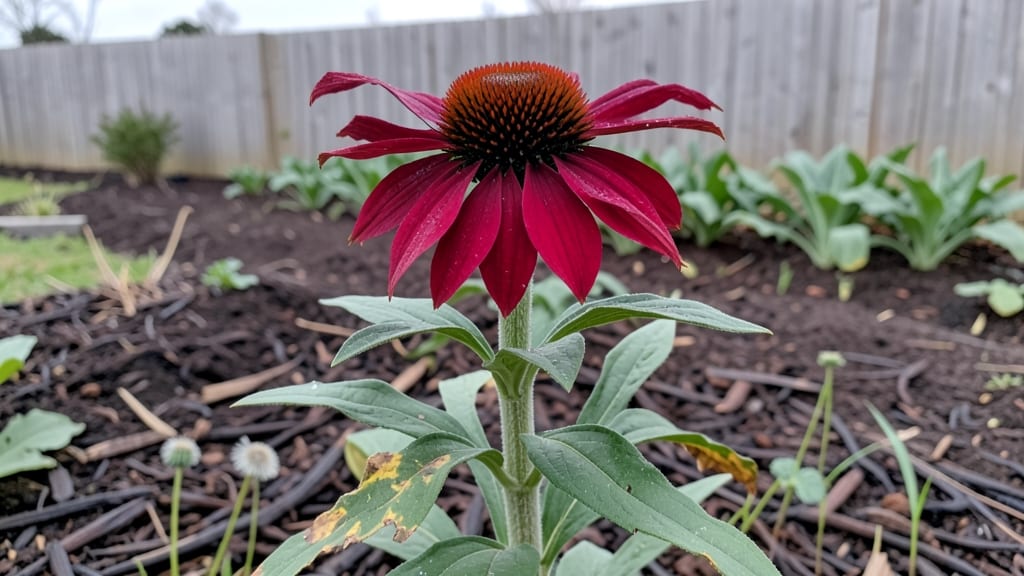
This Sunseekers Red coneflower thrives where others falter, especially in the Pacific Northwest's damp, cool summers. 🌿 I planted mine last spring after years of watching pollinators struggle with mildew-prone echinaceas—this one blooms like crazy without the fuss.
The deep red blooms stand out against gray skies, and bees practically dive-bomb the flowers for nectar.
You’ll need well-draining soil (even clay works if amended), 6 hours of sun daily, and space to spread 2-3 feet wide. The roots are tough—once established, it handles drought and occasional neglect like a champ.
Mulch helps retain moisture in our rainy summers, but don’t overdo it; these plants hate soggy feet.
By midsummer, you’ll have bold, vertical blooms that last until frost, attracting monarchs, bumblebees, and hummingbirds. The foliage stays disease-free, and the stems hold their shape better than most coneflowers.
Prune spent blooms in fall to tidy up, but skip heavy cutting—this plant rewards patience with years of effortless color.
Perfect for cottage gardens, rain gardens, or pollinator patches. Even in shady spots, it outperforms most perennials. Let’s get yours planted—your local wildlife will thank you.
📚 In This Guide
- What you need
- Instructions
- Tips and common mistakes
- Wrapping up and next steps
What you need
- ● Sunseekers Red Coneflower plants: 1-3 nursery-grown plants (check for healthy roots and vibrant foliage)
- ● Pro tip: Opt for container-grown plants if your soil is heavy clay (common in PNW)—they adapt faster!
- ● Well-draining soil mix: Native soil amended with 20-30% compost or peat moss (for moisture retention)
- ○ Optional: Perlite or coarse sand (1 part) to improve drainage in waterlogged areas
- ● Sunlight access: Full sun (6+ hours daily) or partial shade (3-6 hours) for milder PNW climates
- ● Gardening tools: Trowel or small shovel
- ○ Gloves (optional but recommended for prickly stems!)
- ● Watering can or hose with a gentle spray nozzle
- ● Mulch: 2-3 inches of organic mulch (e.g., wood chips or straw) to retain moisture and suppress weeds
- ○ Fertilizer (optional): Balanced, slow-release fertilizer (10-10-10) or compost tea for nutrient boost
- ● Pro tip: Skip fertilizer if planting in well-amended soil—Red Coneflowers are low-maintenance!
- ○ Staking (optional): 1-2 bamboo stakes (3-4 feet tall) if planting in windy areas
Step-by-Step instructions for cultivating Sunseekers Red Coneflower
This hardy perennial thrives in the Pacific Northwest's challenging conditions—here's how to grow it into a pollinator powerhouse.
🌱 Step 1: Select the Perfect Planting Site
Choose a location with full sun exposure—at least 6-8 hours of direct sunlight daily. Sunseekers Red Coneflower tolerates partial shade, but the vibrant red blooms will pale and produce fewer flowers. In the Pacific Northwest, where summers can be cool and cloudy, prioritize the sunniest spot in your garden.
Check the soil drainage by digging a small hole and filling it with water. If it drains within 1-2 hours, the site is ideal. Poor drainage leads to root rot, especially in our region's wet winters. Amend heavy clay soils with 2-3 inches of compost to improve aeration and nutrient availability.
🌿 Step 2: Prepare the Soil for Optimal Growth
Test your soil's pH—Coneflowers prefer a slightly acidic to neutral range of 5.5-7.0. If your soil is too alkaline, mix in peat moss or sulfur to adjust the pH gradually. Avoid fresh manure, which can burn the roots and attract pests like slugs, a common issue in Pacific Northwest gardens.
Loosen the soil to a depth of 12 inches using a garden fork or tiller. This encourages root penetration and reduces compaction from our region's heavy rainfall. Work in 2-3 inches of aged compost or a balanced 10-10-10 fertilizer to provide essential nutrients without overwhelming the plant.
🪴 Step 3: Plant with Proper Spacing and Depth
Dig holes twice as wide as the root ball but only as deep—planting too deep can suffocate the roots. Gently remove the plant from its container and tease apart any circling roots. Space plants 18-24 inches apart to allow for air circulation and reduce fungal diseases, which thrive in our damp climate.
Backfill the hole with soil, pressing lightly to eliminate air pockets. Water deeply to settle the soil and encourage root contact. Mulch around the base with 2-3 inches of organic mulch, such as wood chips or straw, to retain moisture and suppress weeds. Avoid piling mulch directly against the stem, as this can cause rot.
☀️ Step 4: Water and Maintain for Long-Term Success
Water newly planted coneflowers 1-2 times per week, providing 1 inch of water each time. In the Pacific Northwest, our mild summers mean less watering than in hotter climates, but monitor the soil—water when the top 2 inches feel dry. Overwatering is a common mistake that leads to root rot in our region's cool, wet conditions.
Fertilize lightly in early spring with a 5-10-10 fertilizer to promote growth, but avoid heavy feeding, which can reduce flowering. Deadhead spent blooms in late summer to encourage a second flush of flowers. Coneflowers are drought-tolerant once established, but they'll reward you with more vibrant blooms if you provide consistent moisture during dry spells.
✂️ Step 5: Prune and Overwinter for Next Year
In late fall or early winter, cut back the stems to 4-6 inches above the ground. This tidies up the plant and prevents disease from overwintering in dead foliage. Coneflowers are hardy to USDA Zone 3, making them perfect for our Pacific Northwest winters. They'll resprout in spring with minimal care.
Remove any dead or diseased stems immediately to prevent the spread of pathogens. In early spring, apply a 2-3 inch layer of mulch around the base to insulate the roots and retain moisture during our region's cooler, wet springs. With proper care, your Sunseekers Red Coneflower will thrive for years, attracting pollinators and adding a splash of color to your garden.
Tips & tricks for perfect Sunseekers Red Coneflower cultivation
These insider tricks will help you coax the most vibrant blooms and robust growth from your Pacific Northwest Sunseekers Red Coneflower.
Sunlight Strategy: I've learned the hard way that our region's cloudy summers can trick you into thinking "partial shade" is enough. For those signature deep red blooms, prioritize the sunniest spot in your yard—even if it means moving potted plants or adjusting your landscape design. The 6-8 hours of direct sunlight requirement isn't negotiable for that vibrant color we all love. Consider using reflective surfaces like light-colored walls or garden mirrors to bounce extra light to your plants during our shorter summer days.
Soil Science: The 1-2 hour drainage test is your best friend for avoiding root rot in our damp climate. If your soil drains slower than that, mix in additional compost (up to 4 inches total) rather than just the recommended 2-3 inches. For heavy clay soils common in the PNW, I recommend amending with coarse sand or perlite to create better drainage channels. Remember, the goal is to mimic the well-draining conditions these plants evolved in—think prairie meadows, not bogs.
Planting Precision: When teasing apart circling roots in Step 3, don't just pull them—gently separate them with your fingers or a fork. This encourages outward root growth rather than the compacted root balls that can strangle themselves. For container-grown plants, make 2-3 vertical slits in the root ball before planting to help roots establish more quickly in our cool soils. The 18-24 inch spacing isn't just about aesthetics—it's crucial for air circulation that prevents fungal diseases like powdery mildew, which can be particularly problematic in our humid summers.
Watering Wisdom: The 1-2 times per week guideline is perfect for established plants, but newly planted coneflowers need more frequent watering—about every 3-4 days during the first month. Check that top 2 inches of soil daily during heatwaves, as our Pacific Northwest summers can have sudden spikes. I've found that watering in the early morning (before 9 AM) minimizes evaporation and fungal issues. For container-grown plants, use self-watering pots or add a layer of hydrogel crystals to the soil mix to maintain consistent moisture.
Pro Tips for Sunseekers Red Coneflower
- These insider tricks will help you coax the most vibrant blooms and robust growth from your Pacific Northwest Sunseekers Red Coneflower.
- Sunlight Strategy: I've learned the hard way that our region's cloudy summers can trick you into thinking "partial shade" is enough.
- Soil Science: The 1-2 hour drainage test is your best friend for avoiding root rot in our damp climate.
Frequently asked questions
about Sunseekers Red Coneflower—because every gardener deserves a little clarity before diving in!When is the best time to plant Sunseekers Red Coneflower in the Pacific Northwest?
The ideal planting window is early spring (March–April) or early fall (September–October). This gives roots time to establish before PNW’s wet winters or hot summers. If planting in summer, keep soil moist and mulch heavily to prevent stress.
Why aren’t pollinators visiting my Red Coneflower?
Check these quick fixes:
- Sunlight: Ensure 6+ hours of sun daily—shady spots reduce blooms.
- Water: Drought-stressed plants produce fewer nectar-rich flowers.
- Deadheading: Snip spent blooms to encourage reblooming.
- Pesticides: Avoid chemicals; opt for neem oil if pests appear.
Can I grow Sunseekers Red Coneflower in containers?
Yes! Use a 5-gallon pot minimum with well-draining soil and a mix of native PNW compost. Ensure drainage holes, and repot every 2–3 years to refresh nutrients. Containers dry faster—water deeply 2–3x/week in summer.
Does Red Coneflower survive PNW winters?
This hardy perennial thrives in USDA Zones 3–9, including Seattle’s chilly winters. Mulch with 3–4 inches of shredded bark in late fall to protect roots. No extra winter care is needed—it’s built for resilience!
What’s a good alternative if I want a similar look but lower maintenance?
Try these low-fuss, pollinator-friendly PNW natives:
- Purple Coneflower (Echinacea purpurea) – Drought-tolerant, deer-resistant.
- Blanket Flower (Gaillardia) – Blooms all summer, thrives in poor soil.
- Yarrow (Achillea) – Fuzzy foliage, long bloom season.
Wrapping up and next steps
Growing Sunseekers Red Coneflower in the Pacific Northwest isn’t just about adding beauty to your garden—it’s about fostering a thriving ecosystem for pollinators while embracing a hardy, low-maintenance plant.
With its striking red-orange blooms and resilience to drought and poor soil, this coneflower is a standout choice for both beginners and seasoned gardeners alike. 🌸
Ready to transform your outdoor space? Start by planting one this season—whether in a sunny border, a pollinator-friendly meadow, or a container on your patio. Watch as your garden buzzes with life, and enjoy the satisfaction of nurturing a plant that’s as tough as it is stunning!