
Advice
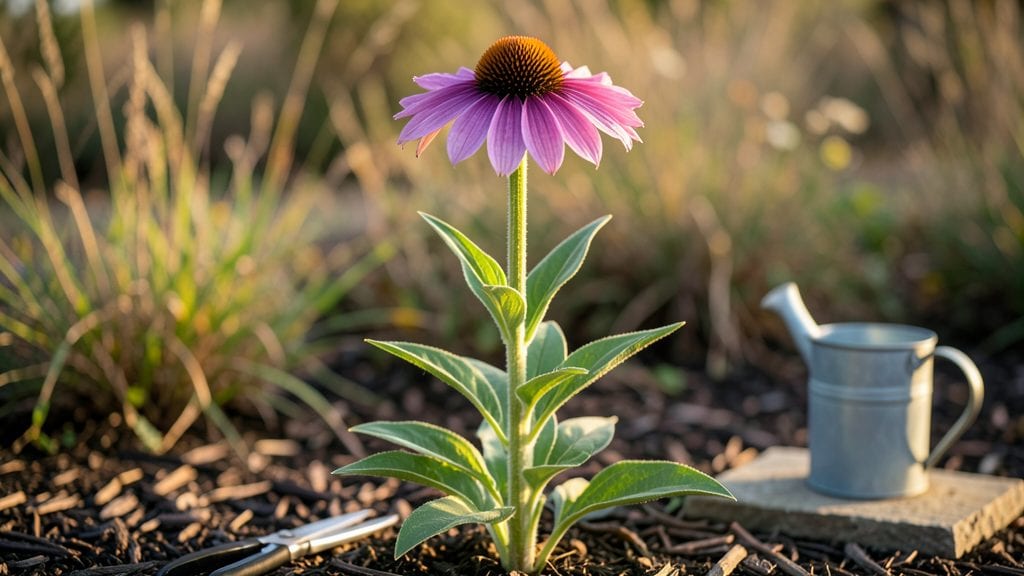
The Cheyenne Spirit coneflower's deep purple blooms are the Pacific Northwest's secret weapon for bold, long-lasting color that hums with pollinators. 🌿 I still remember the first time I saw one in a friend's garden—its rich, velvety petals stood out against the muted green of the rain shadow, drawing bees and butterflies like a magnet.
This isn't just another purple flower; it's a statement piece that thrives in our damp summers and cooler winters, keeping its color until frost.
The real magic happens when you pair it with silver foliage like lamb's ear or dusty miller, where the purple petals pop against the soft gray-green backdrop. Or try it with white blooms like shasta daisies—the contrast makes both plants shine.
In containers, it anchors mixed arrangements, its sturdy stems holding up through heat waves while other flowers wilt. You'll get three full months of color if you plant it in full sun to partial shade, and the blooms stay vibrant even when other flowers fade.
The deep purple hue also changes subtly with light—morning sun brings out hints of lavender, while afternoon shade deepens the intensity. It's the kind of plant that makes neighbors stop and ask, "What's that?" For maximum impact, plant it in odd-numbered clusters of three or five.
The more you see it, the more it becomes the star of your garden—just like it is in mine. Now let's talk about making it work in your space.
📚 In This Guide
- What you need
- Instructions
- Tips and common mistakes
- Wrapping up and next steps
What you need
- ● Cheyenne Spirit coneflower seeds – 1 packet (250-500 seeds) or 1-2 plants (nursery-grown). Look for Echinacea purpurea ‘Cheyenne Spirit’ for that signature bold purple hue!
- ● Well-draining potted soil mix – 2-3 gallons (for seedlings) or native PNW soil amended with compost (for transplanting).
- ● Garden gloves – 1 pair (to protect your hands from prickly stems!).
- ● Watering can or hose – With a gentle spray nozzle for seedlings.
- ● Trowel or hand shovel – For digging holes (6-12 inches deep, spaced 18-24 inches apart).
- ○ Mulch (optional but recommended) – 2-3 inches of pine straw or shredded bark to retain moisture and suppress weeds.
- ○ Fertilizer (optional) – Balanced 10-10-10 or compost tea for established plants (avoid over-fertilizing!).
- ○ Stake or trellis (optional) – If your coneflowers grow taller than 3 feet in your PNW climate.
- ● A sunny spot – Full sun (6+ hours/day) for optimal purple intensity and blooms.
- ● Drought-tolerant soil – Coneflowers thrive in average to dry conditions (PNW’s mild summers are perfect!).
- ● Patience – Seeds take 60-90 days to germinate; transplants bloom in 60-70 days.
Step-by-Step guide to planting Cheyenne Spirit coneflower for stunning purple blooms
Here's how to grow this Pacific Northwest standout—bold, drought-tolerant, and irresistible to pollinators.
🌱 Step 1: Choose the Perfect Planting Location
Cheyenne Spirit thrives in full sun—at least 6-8 hours daily—so pick a spot where it gets morning light and afternoon sun. In the Pacific Northwest's cooler climate, it can handle partial shade (4-6 hours sun), but the blooms will be less vibrant. I always test the spot first by placing a plant there for a day to see how much sun it actually gets.
The soil should drain well—this coneflower hates soggy roots. If your garden has heavy clay, amend with 2-3 inches of compost mixed into the top 12 inches of soil. You'll know you've got it right when water runs through the soil in 1-2 hours after watering, leaving no standing puddles.
🪴 Step 2: Prepare the Soil and Plant
Dig a hole twice as wide as the root ball but only as deep as the container it came in. Gently loosen the roots if they're circling—this prevents girdling as the plant grows. I like to add a handful of slow-release fertilizer to the bottom of the hole for a nutrient boost without burning the roots.
Place the plant so the top of the root ball sits level with the surrounding soil—burying too deep can suffocate the stem. Backfill with native soil, pressing lightly to remove air pockets. Water deeply right after planting to settle the soil and eliminate gaps. You'll see the soil surface settle about ½ inch as it absorbs moisture.
☀️ Step 3: Water and Maintain for Vibrant Blooms
Water deeply once a week during the first growing season to encourage deep root growth. After establishment, Cheyenne Spirit is drought-tolerant, so let the soil dry out between waterings. You'll know it's time to water when the top 2-3 inches of soil feel dry to the touch.
Deadhead spent blooms by snipping them off at the base with clean pruners. This redirects energy to produce more flowers instead of setting seed. I do this every 2-3 weeks during the blooming season (late summer into fall). Mulch with 2 inches of shredded bark to retain moisture and suppress weeds—just keep it 3-4 inches away from the stem to prevent rot.
✂️ Step 4: Prune and Overwinter for Next Year
In late fall, cut back the stems to 4-6 inches tall once they've turned brown. This tidies up the plant and prevents disease buildup over winter. Leave the basal rosette intact—it's where new growth emerges in spring. I mark the spot with a small stake so I don't accidentally dig it up when prepping the garden in early spring.
Cheyenne Spirit is hardy to USDA Zone 3, so it survives Pacific Northwest winters with no special protection. In very snowy areas, a light layer of mulch (1-2 inches) helps insulate the roots. Come spring, you'll see fresh growth appear by mid-April, signaling it's ready for another season of bold purple blooms.
Tips & tricks for perfect Cheyenne Spirit coneflower planting
Here's what I've learned after growing Cheyenne Spirit Coneflowers for years in the Pacific Northwest.
Sunlight Strategy: In Step 1, when choosing your location, remember that the 6-8 hours of full sun is non-negotiable for those vibrant purple blooms. I've seen firsthand how plants in 4-6 hours of partial shade produce fewer flowers—sometimes as much as 40% less! Test your spot by placing a plant there for a day to see how much sun it actually gets before committing. Trust me, this small step makes all the difference.
Soil Drainage Test: The 1-2 hour drainage test mentioned in Step 1 is your best friend. If water pools longer than 2 hours, you need to amend that soil. I've seen soggy roots turn Cheyenne Spirit plants into sad, wilted messes. For heavy clay soil, mix in 2-3 inches of compost into the top 12 inches—it's worth the effort for happy roots.
Planting Depth Secret: When planting in Step 2, that ½ inch settling after watering is your visual cue that you've got the depth right. Burying too deep suffocates the stem, while planting too shallow leaves roots exposed. I always check this by running my finger along the soil line after watering—it should match the root ball's top edge.
Watering Wisdom: That deep watering once a week during the first year in Step 3 encourages deep roots that make your plant drought-tolerant later. I use a rain gauge or tuna can to measure exactly 1 inch of water each time. After establishment, let the top 2-3 inches feel dry before watering again—your finger is the best tool for this check.
Pro Tips for Cheyenne Spirit Coneflower Color
- Here's what I've learned after growing Cheyenne Spirit Coneflowers for years in the Pacific Northwest.
- Sunlight Strategy: In Step 1, when choosing your location, remember that the 6-8 hours of full sun is non-negotiable for those vibrant purple blooms.
- Soil Drainage Test: The 1-2 hour drainage test mentioned in Step 1 is your best friend.
Frequently asked questions
Got questions about Cheyenne Spirit coneflower’s stunning purple hues and how to make the most of it in your PNW garden? Here are some of the most common queries—and their answers!
What’s the best time to plant Cheyenne Spirit coneflower for vibrant purple blooms?
For boldest color, plant in early spring (March–April) or early fall (September–October). This gives roots time to establish before summer heat, ensuring richer purple blooms from mid-summer through fall. In the PNW’s cooler climate, fall planting can even extend blooming into early winter!
Why isn’t my Cheyenne Spirit coneflower’s purple as deep as in photos?
Several factors can mute the color:
- Sunlight: Needs full sun (6+ hours/day)—shadier spots produce paler blooms.
- Soil pH: Prefers slightly acidic to neutral soil (6.0–7.0). Test your soil and amend with compost if needed.
- Fertilizer: Avoid high-nitrogen feeds—this boosts foliage over flowers. Use a low-phosphorus, balanced fertilizer instead.
Can I change the color of Cheyenne Spirit coneflower after planting?
No, but you can enhance its natural purple! Prune spent blooms (deadheading) to encourage longer-lasting, brighter flowers. For deeper hues, ensure well-draining soil and avoid overwatering—soggy roots can stress the plant, dulling colors. Mulch with pine needles or compost to maintain soil acidity.
How cold-hardy is Cheyenne Spirit coneflower in the Pacific Northwest?
This variety thrives in the PNW’s USDA Zones 3–9, making it extremely cold-hardy! It handles freezing temps (down to -40°F/-40°C) with ease. In wet winters, ensure good drainage to prevent root rot. Once established, it’s drought-tolerant, too!
What are good companion plants to pair with Cheyenne Spirit for maximum purple impact?
For a stunning purple garden, pair it with:
- Lavender (drought-tolerant, fragrant)
- Russian sage (silvery foliage, long blooms)
- Catmint (attracts pollinators, soft purple)
- Salvia ‘May Night’ (deep purple spikes)
These plants share similar sun and soil preferences, creating a low-maintenance, pollinator-friendly display!
Wrapping up and next steps
The Cheyenne Spirit coneflower isn’t just a burst of vibrant purple—it’s a lifeline for pollinators and a stunning centerpiece for Pacific Northwest gardens! 🌸 With its striking color, hardy nature, and low-maintenance charm, this perennial is a must-have for any outdoor space.
Whether you’re a seasoned gardener or just starting, its resilience and beauty make it a game-changer.
Ready to transform your garden? Start small—plant a few Cheyenne Spirits this season and watch your yard (and local pollinators!) thrive! 🐝 For extra inspiration, explore companion plants or share your progress with fellow gardeners online. Happy planting!