
Flowers
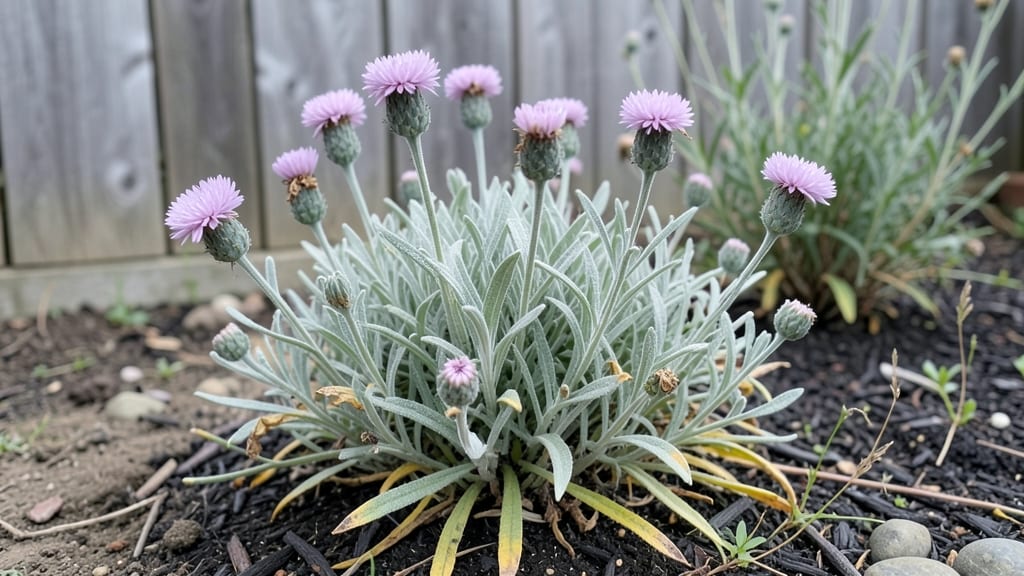
Your Pacific Northwest garden just got a frost-resistant showstopper—Sweet William (Dianthus barbatus) thrives where many flowers fail. 🌿 I planted mine last spring, and by summer, they blanketed my garden with clusters of pink, red, and white blooms that lasted until first frost.
The secret isn’t just their cold hardiness—it’s how they bounce back from winter like nothing happened.
Start with well-draining soil mixed with compost, and give them full sun to partial shade—morning sun works best in hotter PNW summers. Seedlings need 12-18 inches of space between plants, and a light mulch helps protect roots during winter.
Water deeply once a week, letting the soil dry slightly between waterings to prevent rot. Overwatering is the #1 mistake beginners make.
By midsummer, you’ll have neat clusters of fragrant blooms that attract pollinators and cut beautifully for bouquets. Prune spent flowers to encourage more blooms, and in fall, cut back stems by half to prep for winter.
These plants reward patience—their clumping habit makes them perfect for borders, containers, or even winter interest when frosted.
Works in zones 3-9, so whether you’re in Seattle or Portland, Sweet William delivers color when most gardens fade. The key? Plant early, mulch well, and let them do their thing. Here’s how to make it happen—step by step.
📚 In This Guide
- What you need
- Instructions
- Tips and common mistakes
- Wrapping up and next steps
What you need
- ● Sweet William Dianthus seeds or young plants: Choose frost-hardy varieties like 'Firewitch' or 'Carnival Bright' (available at local nurseries or online). Quantity: 20-50 seeds or 5-10 plants for a small border.
- ● Well-draining soil: Mix 1 part garden soil with 1 part compost and 1 part perlite or sand (PNW soil can be heavy!). pH: Aim for 6.0–7.0.
- ● Organic fertilizer: A balanced 10-10-10 or 5-10-10 formula (low nitrogen to encourage blooms). Application: Sprinkle lightly at planting and again in early spring.
- ● Mulch: 2–3 inches of straw, wood chips, or pine needles to insulate roots from winter frost.
- ● Garden trowel or hand shovel (for planting seeds/transplants).
- ● Pruners or shears (for deadheading spent blooms and shaping plants).
- ● Watering can or hose with a gentle spray nozzle (Sweet William hates soggy roots!).
- ○ Garden gloves (optional but highly recommended for thorny stems!).
- ● Frost cloth or row covers: Lightweight fabric to protect seedlings from late frosts (use until soil warms in spring).
- ● Drip irrigation system or soaker hose: PNW’s rainy winters mean consistent moisture—avoid overhead watering to prevent fungal issues.
- ● Sunlight assessment: Sweet William thrives in full sun (6+ hours/day) or partial shade (3–6 hours). Test your spot with a solar calculator app!
- ● Companion plants: Pair with salvia, catmint, or lavender for a PNW-friendly pollinator magnet.
- ● Slow-release fertilizer spikes for hassle-free feeding.
- ● Decorative stones or pebbles to mulch around plants for a polished look.
Step-by-step instructions for planting frost-resistant Sweet William in the Pacific Northwest
Sweet William thrives in our cool, damp climate—here’s how to plant it for vibrant blooms all season.
🌱 Step 1: Choose the Right Location and Prepare Soil
Sweet William loves full sun to partial shade, so pick a spot with at least 4-6 hours of direct sunlight daily. In the Pacific Northwest, morning sun with afternoon shade works best—too much midday sun can scorch petals. Test your soil’s drainage by digging a 6-inch hole and filling it with water; if it drains in under an hour, your soil is ready. If not, amend with compost or perlite to improve aeration.
Loosen the top 12 inches of soil with a garden fork to break up compaction, then mix in a handful of balanced organic fertilizer (10-10-10). This ensures your Sweet William gets the nutrients it needs to establish strong roots before winter. Avoid heavy clay soils unless amended—they’ll suffocate roots and lead to rot.
🪴 Step 2: Plant at the Correct Depth and Spacing
Dig holes twice as wide as the root ball and 1 inch deeper than the container’s depth. Gently remove plants from their pots and tease apart any circling roots with your fingers—this encourages outward growth. Place each plant in its hole so the top of the root ball sits just below soil level; Sweet William dislikes being buried too deep, which can cause stem rot.
Space plants 10-12 inches apart for compact varieties or 18 inches apart for larger cultivars. I like to stagger rows in a grid pattern to maximize airflow and reduce disease risk. Backfill with soil, pressing lightly to eliminate air pockets, then water deeply to settle the roots. You’ll know it’s right when the soil surface looks slightly firm but still crumbly.
☀️ Step 3: Water and Mulch for Frost Resistance
Water immediately after planting to help roots establish, then maintain 1 inch of water per week, adjusting for rain. In the Pacific Northwest, morning watering is ideal—it gives foliage time to dry before evening chill sets in. Use a soaker hose or drip irrigation to avoid wetting leaves, which can promote fungal diseases like powdery mildew.
Apply a 2-inch layer of organic mulch (like shredded bark or straw) around each plant, keeping it 2 inches away from stems. This insulates roots from temperature swings and retains moisture. In late fall, add an extra 1-inch layer of mulch to protect plants through winter’s first frosts. Sweet William’s hardy nature means it’ll bounce back, but this step ensures it thrives.
✂️ Step 4: Deadhead and Fertilize for Continuous Blooms
Pinch back spent blooms just above a set of leaves every 2-3 weeks to encourage new growth. This is the secret to nonstop color—Sweet William responds beautifully to pruning. Use clean, sharp scissors to avoid tearing stems, and remove only the faded flowers, not the entire stem. You’ll see fresh buds forming within 10-14 days.
Feed plants with a low-nitrogen fertilizer (like 5-10-10) every 6-8 weeks during the growing season. Too much nitrogen leads to lush foliage but fewer blooms. In early spring, add a slow-release fertilizer to jumpstart growth after winter dormancy. Stop fertilizing by late summer to harden off plants for frost.
⏰ Step 5: Winterize for Pacific Northwest Conditions
Once temperatures drop below 35°F, reduce watering but keep soil lightly moist—dry winter air can stress plants. If heavy rain is forecast, use a waterproof barrier (like a plastic sheet) to shield plants temporarily, then remove it to prevent rot. Sweet William tolerates light frosts, but young plants may need frost cloth for the first winter if temperatures dip below 20°F.
In late winter, prune back any dead or damaged stems to 2 inches above the ground. This encourages fresh, vigorous growth in spring. I always prune on a dry day to reduce disease risk, and I clean my tools with rubbing alcohol between cuts to prevent cross-contamination. By early March, you’ll see new shoots pushing through the soil—proof your plants are ready for another season of blooms.
Tips & tricks for perfect Sweet William planting in the Pacific Northwest
Sweet William thrives when you pay attention to these often-overlooked details—trust me, I've seen what happens when you skip them.
The Light Factor: That 4-6 hours of sunlight is non-negotiable for Pacific Northwest conditions. If you're planting in spring, watch the sun's path—morning sun is your friend, but afternoon shade becomes critical by midday. I've seen Sweet William plants wilt dramatically when exposed to full afternoon sun, even in our cooler climate. Consider planting near taller shrubs or trees that provide natural shade during peak heat hours.
Soil Science: The 6-inch drainage test is your best friend for avoiding root rot. If water pools after an hour, you're dealing with clay soil—amend it with compost or perlite before planting. I've learned the hard way that Sweet William hates soggy feet, even in our damp climate. For heavy clay soils, consider raised beds where you can control the soil composition entirely. The 12 inches of loosened soil is also crucial—it gives roots room to establish before winter sets in.
Planting Precision: That 1-inch deeper planting depth might seem counterintuitive, but it prevents stem rot that can kill your plants over winter. When teasing apart circling roots, be gentle—you're not trying to break them, just encourage outward growth. I've seen plants with damaged roots struggle for years to establish properly. And that 10-12 inch spacing? It's not just about aesthetics—proper airflow prevents fungal diseases that thrive in our damp climate.
Winter Survival: The 35°F threshold is when you need to adjust your watering habits. At this point, you're not watering for growth anymore—you're maintaining moisture for root protection. That extra inch of mulch in late fall makes all the difference between plants that survive winter and those that struggle to bounce back. I've seen Sweet William plants with proper winter care produce blooms even in early spring, while neglected ones take months to recover.
Pro Tips for Sweet William Dianthus Flower
- Sweet William thrives when you pay attention to these often-overlooked details—trust me, I've seen what happens when you skip them.
- The Light Factor: That 4-6 hours of sunlight is non-negotiable for Pacific Northwest conditions.
- Soil Science: The 6-inch drainage test is your best friend for avoiding root rot.
Frequently asked questions
Got questions about growing Sweet William Dianthus in the Pacific Northwest? You’re not alone! Here are some of the most common queries—and straightforward answers—to help you cultivate these charming blooms with confidence.
How cold can Sweet William Dianthus tolerate?
Sweet William thrives in USDA Zones 3-9, making it perfect for the PNW’s chilly winters! These hardy perennials can handle light frosts down to 10°F (-12°C), though heavy snow or ice may damage tender foliage. Mulch around the base in late fall to protect roots—they’ll bounce back like a champ in spring!
When is the best time to plant Sweet William in the Pacific Northwest?
For spring blooms, plant in early spring (March–April) after the last frost. If you want fall color, opt for late summer (August–September). PNW’s mild winters mean you can also plant in fall (October) for early spring growth—just avoid soggy soil!
Why aren’t my Sweet William flowers opening?
If your Dianthus stays bud-bound, check these fixes:
Too much shade? These sun-lovers need 6+ hours of light daily.
Overcrowded? Thin plants to 12–18 inches apart for airflow.
Deadheading lag? Snip spent blooms to encourage new flowers.
Nutrient deficiency? Feed with low-nitrogen fertilizer in early spring.
Pro tip: If humidity’s high, space plants wider to prevent fungal issues.
Can I grow Sweet William from seed, or should I buy plants?
Both work! Seeds are cheap but slow (60–90 days to bloom). For faster results, buy start plants in spring. If sowing seeds, stratify them (4–6 weeks in the fridge) to mimic winter—this boosts germination rates in the PNW’s damp climate.
Are Sweet William flowers deer- or rabbit-resistant?
While not deer-proof, Sweet William is less appealing than many garden favorites. To deter browsers:
- Plant near deer-resistant companions like lavender or Russian sage.
- Use repellent sprays (e.g., garlic-based) in early spring.
- Add physical barriers (chicken wire) around young plants.
Rabbits? They’ll usually leave them alone unless other greens are scarce.
What’s the best alternative if Sweet William struggles in my garden?
If your site is too shady or wet, try these PNW-friendly picks:
- Carnations (Dianthus caryophyllus) – Similar care, more heat-tolerant.
- Lavender (Lavandula) – Drought-resistant, deer-proof, and fragrant.
- Ice Plant (Delosperma) – Thrives in poor soil and handles foot traffic.
- Heuchera (Coral Bells) – Low-maintenance foliage for shade gardens.
All offer color and texture without the fuss!
Wrapping up and next steps
Sweet William Dianthus isn’t just a charming addition to your Pacific Northwest garden—it’s a hardy, low-maintenance superstar that thrives in frost and blooms with vibrant color year after year.
Whether you’re a seasoned gardener or just starting out, its resilience and versatility make it a must-have for your outdoor space. 🌸
Ready to bring this delightful flower to life? Grab your gloves, pick a sunny spot, and start planting! Your future blooms will thank you—happy gardening! 🌱