
Flowers
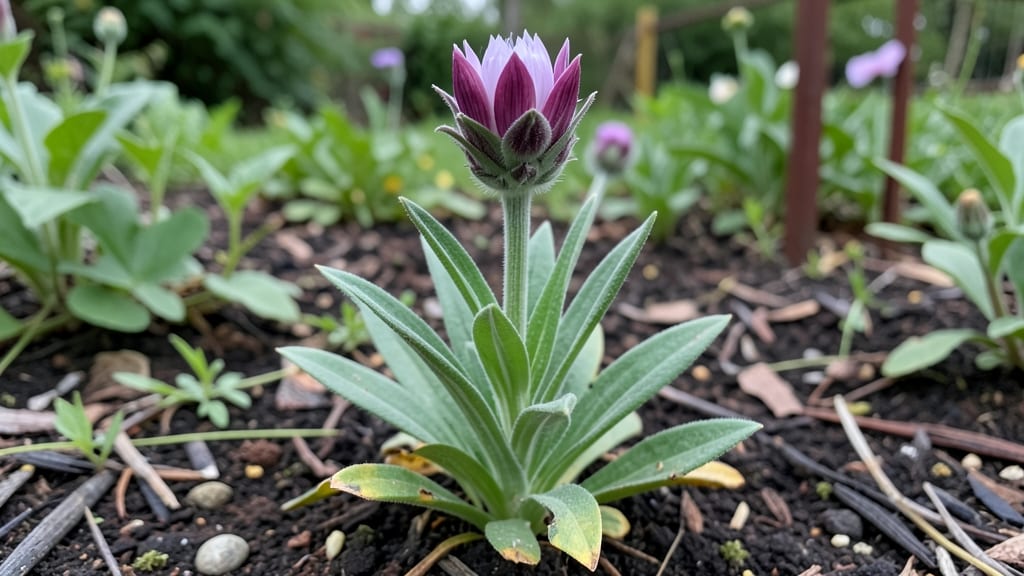
Sweet William flower buds transform into those iconic purple-blue blooms that make your Pacific Northwest garden pop. 🌿 I’ve pruned mine for years, and the secret to keeping them coming back bigger and bolder lies in timing and technique—especially in our damp, mild climate.
The key is cutting back old stems just as new buds begin forming, usually in early spring or after the first flush of blooms fades. Most gardeners overlook this step, but it’s what turns a decent display into a showstopper.
You’ll need sharp pruners, a sunny spot with well-draining soil, and patience—because these flowers reward precision over speed.
By mid-summer, you’ll have a bushier plant with vibrant, fragrant blooms that last weeks in vases. The buds themselves stay tight and vivid, ready for cutting or enjoying in the garden. This method works for both containers and in-ground plantings, making it perfect for small spaces or larger beds.
Fair warning: if you prune too late, you’ll miss the next round of buds. But once you nail the timing, your Sweet Williams will be the talk of the neighborhood—no fancy fertilizers required.
📚 In This Guide
- What you need
- Instructions
- Tips and common mistakes
- Wrapping up and next steps
What you need
- ● Bypass pruners: Sharp, clean pair (1 pair) – avoid dull blades to prevent crushing stems!
- ○ Hand pruners (optional): For smaller buds or tight spaces (1 pair)
- ● Gloves: Heavy-duty gardening gloves (1 pair) – protects from thorns and sap.
- ● Disinfectant (70% isopropyl alcohol or bleach solution): Small bottle (4 oz) – sterilizes tools between cuts.
- ● Garden twine or rubber bands: Small roll (for bundling pruned stems)
- ● Bucket or trash bag: For collecting clippings (1 gallon-sized)
- ○ Water spray bottle: (Optional) – keeps tools clean mid-pruning.
- ● Timing: Prune after first frost (late fall/early winter) or post-bloom (late spring).
- ● Weather: Overcast day or early morning – prevents stressing the plant.
- ● Healthy plants: Ensure Sweet Williams are disease-free (no powdery mildew or spots).
- ● Water access: Hose or watering can nearby – hydrate plants post-pruning.
Step-by-Step guide to pruning Sweet William for long-lasting blooms
Here's how I coax those vibrant purple-blue blooms into lasting weeks longer in the PNW's cooler climate.
✂️ Step 1: Time Your First Cut for Peak Season
Wait until late spring, after the first flush of blooms appears but before they fully open. In the Pacific Northwest, this usually falls in May or early June when daytime temperatures consistently reach 65°F or higher. You'll know it's time when you see the first tight buds forming along the stems—these are your pruning targets.
Use sharp, clean pruners to cut back stems just above a set of leaves or a lateral bud. This encourages branching and more flower production. I like to make my cuts at a 45-degree angle about ¼ inch above the bud—this prevents water from pooling on the cut and rotting the stem. Never cut into old wood; always leave some green growth to support new blooms.
🌿 Step 2: Deadhead Regularly for Continuous Blooms
Once flowers start opening, deadhead them immediately by snipping the spent blooms back to the nearest set of leaves or bud. This prevents the plant from wasting energy on seed production and redirects it toward new buds. You'll see new flower buds forming within 2-3 weeks of regular deadheading—it's like watching a second wave of blooms emerge.
I do this every 5-7 days during peak bloom season. The key is to be consistent; one missed deadheading can lead to leggy stems and fewer flowers. Always cut just above a leaf node or bud, never leaving a stub. You'll notice the plant stays bushier and produces more vibrant blooms throughout the season.
⏰ Step 3: Give Your Sweet William a Mid-Season Trim
Around mid-summer, usually in July, give your Sweet William a light trim to tidy up the plant and encourage one last flush of blooms. Look for any stems that have become woody or bare—these are the ones to cut back by half their length. This rejuvenates the plant and promotes new growth from the base.
After trimming, water the plant deeply to help it recover. You'll see new shoots and buds forming within 3-4 weeks, especially if you keep the soil consistently moist. This mid-season trim is crucial for extending the blooming period well into fall, which is perfect for the Pacific Northwest's cooler climate.
✂️ Step 4: Prepare for Winter with a Final Cut
As temperatures drop and blooms slow down in late summer or early fall, give your Sweet William a final trim. Cut back all stems to about 2-3 inches above the ground. This helps the plant enter dormancy cleaner and stronger, making it more resilient to winter conditions in the PNW.
After the final cut, remove any debris from the base of the plant and apply a 2-3 inch layer of mulch to protect the roots from freezing temperatures. You'll see fresh growth in spring, and your plant will be ready to bloom again. This final step ensures your Sweet William comes back strong year after year.
Tips & tricks for perfect Sweet William pruning
A few simple tricks will help you get the most vibrant, long-lasting blooms from your Sweet William plants—especially in the Pacific Northwest's unique climate.
Timing is Everything: In Step 1, watch for those tight buds forming in May or early June when daytime temps hit 65°F consistently. I've learned the hard way that pruning too early can cut off potential blooms, while waiting too long means you miss the first flush. The PNW's cooler climate means timing is even more critical—don't rush it! The first cut sets the stage for the entire season.
Tool Tip: Always use sharp, clean pruners for every cut—especially in Step 2 when deadheading. Dull blades crush stems instead of making clean cuts, which can invite disease. I keep a small bottle of rubbing alcohol handy to wipe down my pruners between cuts. This simple habit has kept my plants healthier for years. The 45-degree angle cut in Step 1 also matters—it prevents water from pooling on the cut surface.
Mid-Season Revival: During the mid-summer trim in Step 3, focus on cutting back woody stems by half their length. This isn't just about looks—it's about giving your plant a fresh start. I've seen plants that were looking tired in July completely transform after this trim, producing another beautiful flush of blooms by fall. The key is to cut back just enough to remove the old growth while leaving plenty of green growth to support new buds.
Winter Prep Secret: For the final cut in Step 4, don't just chop everything down—remove all debris from the base first. That old plant material can harbor pests and diseases over winter. I also like to add a thick layer of mulch (about 2-3 inches) right after the final cut. This protects the roots from our PNW winters and keeps the soil temperature more stable for spring regrowth.
Pro Tips for Sweet William Flower Buds
- A few simple tricks will help you get the most vibrant, long-lasting blooms from your Sweet William plants—especially in the Pacific Northwest's unique climate.
- Timing is Everything: In Step 1, watch for those tight buds forming in May or early June when daytime temps hit 65°F consistently.
- Tool Tip: Always use sharp, clean pruners for every cut—especially in Step 2 when deadheading.
Frequently asked questions
about Sweet William flower buds—because even expert gardeners need a little clarity! Here are answers to the most common questions from PNW growers.When is the best time to prune Sweet William flower buds?
Prune Sweet William after the first flush of blooms has faded (usually late spring to early summer). This encourages a second round of vibrant purple-blue flowers. Avoid cutting too early—you’ll sacrifice those stunning initial blooms! For PNW’s cooler climate, late June works well.
How much should I cut back Sweet William stems?
Trim stems back by about 1/3 to encourage bushier growth and more buds. Use clean, sharp pruners to cut just above a leaf node (where new growth emerges). Over-pruning can stress the plant, so avoid removing more than half the foliage at once.
What if my Sweet William buds aren’t opening?
Bud blight is often caused by too much moisture or poor airflow. Space plants 12–18 inches apart, water at the base (not overhead), and deadhead spent blooms promptly. If buds drop without opening, check for pests like aphids or fungal issues—neem oil can help!
Can I use Sweet William buds in floral arrangements?
Harvest buds when they’re just starting to swell (before they open fully) for longer vase life. Trim stems at an angle, remove lower leaves, and change water every 2 days. Their layered blooms add romantic texture to bouquets—perfect for weddings or spring decor!
Are there drought-tolerant alternatives to Sweet William?
Yes! Try Lavender (drought-resistant, fragrant) or Catmint (long-blooming, low-maintenance). For similar color, Salvia nemorosa thrives in PNW’s dry summers. Just note: These won’t have Sweet William’s classic layered buds, but they’re equally stunning!
Wrapping up and next steps
Sweet William flower buds are a showstopper in your Pacific Northwest garden, and with the right pruning techniques, you’ll enjoy their vibrant purple-blue blooms year after year! 🌸 Remember, timing, sharp tools, and a little patience are key—whether you’re shaping for fuller growth or harvesting for bouquets.
Now that you’re armed with the secrets, grab those shears and get pruning!
Ready to take it further? Experiment with deadheading or try growing Sweet William from seed—your garden (and Instagram feed) will thank you! 📸