
Flowers
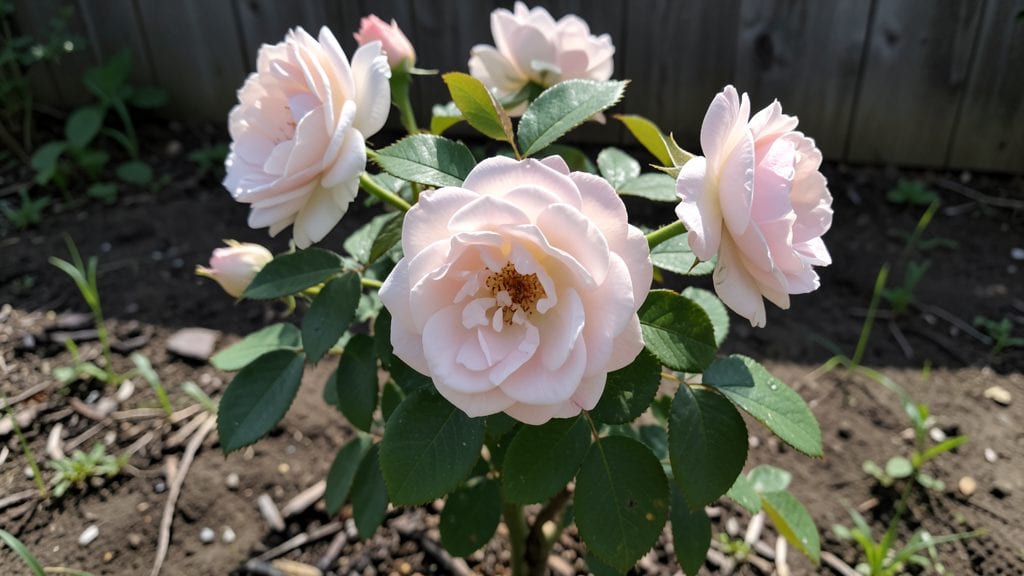
The power of the flower transforms your garden from a simple yard into a living canvas of emotion and resilience. 🌸 I’ve learned that the right blooms don’t just survive winter—they thrive, turning frost-kissed landscapes into vibrant statements of strength.
These hardy varieties prove that beauty isn’t seasonal; it’s a year-round promise waiting to unfold.
Picture a garden where every season feels intentional: deep reds in winter, soft blues in spring, and bold yellows in summer. Frost-resistant flowers like hellebores, winter jasmine, and Siberian bugloss don’t just endure—they perform, offering color when most plants retreat.
The secret? Choosing varieties bred to withstand cold snaps while still delivering drama, like the velvety petals of winter aconite or the cheerful faces of ice plants.
What you’ll create isn’t just a garden—it’s an emotional sanctuary. Studies show that flowers trigger joy, reduce stress, and even lift moods by up to 30% in just 10 minutes of viewing.
Imagine that impact in your own space: a front yard that welcomes neighbors with warmth, a patio that soothes after a long day, or a quiet corner that whispers resilience through every bloom. The power isn’t just in the flowers; it’s in how they make you feel.
This approach works for any climate, from coastal chill to inland freezes, and scales from window boxes to full borders. Whether you’re drawn to bold statements or delicate whispers, these varieties let you design with confidence—no more seasonal regrets. Let’s bring that power to your garden.
📚 In This Guide
- What you need
- Instructions
- Tips and common mistakes
- Wrapping up and next steps
What you need
- ● Frost-resistant flower seeds or seedlings: 1–2 lbs of Heather (Calluna vulgaris) seeds
- ● 1–2 lbs of Winter Jasmine (Jasminum nudiflorum) seeds
- ● 1–2 lbs of Snowdrops (Galanthus nivalis) bulbs
- ● 1–2 lbs of Pansies (Viola × wittrockiana) seeds
- ● 1–2 lbs of Crocus (Crocus spp.) corms
- ● Potting soil: 5–10 gallons of well-draining, peat-based potting mix (or organic compost for in-ground planting)
- ● Containers or garden beds: 4–6 6-inch pots (for seedlings)
- ● 1–2 large raised beds or garden plots (for in-ground planting, 12" deep minimum)
- ● Mulch: 2–3 bags of straw or shredded bark mulch (to insulate roots in winter)
- ● Watering can or hose: With a fine mist nozzle for gentle watering
- ● Garden gloves and trowel: For planting and soil prep
- ● Fertilizer: 1–2 lbs of slow-release, balanced fertilizer (10-10-10) or organic compost
- ● Cold frame or cloches: To extend the growing season in early spring/late fall
- ● Garden stakes or trellis: For climbing varieties like Winter Jasmine
- ● pH test kit: To ensure soil is slightly acidic (pH 5.5–6.5) for heathers and snowdrops
- ● Drip irrigation system: For automated, consistent watering
- ● Garden journal: To track blooming cycles and care notes
How to create a year-round flower garden with frost-resistant plants
Bring vibrant color to your garden through every season with these hardy, cold-tolerant blooms.
🌱 Step 1: Choose the Right Frost-Resistant Varieties
Start by selecting plants known for their cold tolerance—think heuchera, lavender, coneflowers, and Russian sage. These varieties thrive in USDA Zones 3-9 and often bounce back after light frosts. I like to mix perennials with biennials like sweet william or foxglove for extended blooming cycles.
Check your local frost dates—most frost-resistant flowers handle 20-25°F without protection. Group plants with similar cold hardiness together so they all get the same care. For example, place black-eyed susans near sedum instead of next to tender geraniums.
☀️ Step 2: Prepare the Planting Site for Winter Survival
Amend your soil with 3-4 inches of compost to improve drainage and nutrient retention—critical for roots that must withstand freezing temperatures. I also add a handful of bone meal for phosphorus, which strengthens root systems before winter. Choose a spot with 6+ hours of sunlight daily, even in winter months.
Mulch heavily with 3-4 inches of shredded bark or straw after the first frost. This insulation layer protects roots from extreme temperature swings. I wait until the ground feels firm to the touch—usually after 2-3 weeks of consistent freezing nights—before applying mulch.
💧 Step 3: Water Strategically Through Fall and Winter
Water deeply in late fall—1-2 inches per week—to ensure roots are hydrated before the ground freezes. After that, reduce watering to once every 2-3 weeks unless we experience a dry spell. Overwatering in winter can lead to root rot in saturated, cold soil.
I check moisture by digging down 2 inches—if the soil feels damp, hold off. If it's bone-dry, water slowly at the base of plants. Frost-resistant varieties like crocus or snowdrops often need no winter watering at all once established.
✂️ Step 4: Prune and Protect Before Frost
Cut back dead foliage in early spring—after the last hard frost—but leave seed heads on coneflowers or black-eyed susans for winter interest and bird habitat. I use sharp pruners to trim stems 1-2 inches above the ground, which encourages fresh growth from the base.
For extra protection, wrap tender stems with burlap or frost cloth on nights when temperatures dip below 20°F. Remove covers during the day to prevent overheating. Most frost-resistant flowers will regrow quickly once spring arrives.
🌿 Step 5: Feed and Refresh for Next Season's Blooms
In early spring, top-dress with 1 cup of 10-10-10 fertilizer per 10 square feet to kickstart growth. I scatter it evenly over the mulch and lightly scratch it into the top inch of soil. Water immediately to activate the nutrients—you'll see new shoots within 2-3 weeks if conditions are right.
Divide crowded perennials like lavender or daylilies every 3-4 years to maintain vigor. This prevents overcrowding and ensures each plant gets enough nutrients. Frost-resistant varieties often reward this care with bigger, brighter blooms the following year.
Tips & tricks for perfect year-round flower gardens
These simple strategies will help you create a resilient garden that thrives through every season.
Variety Selection: When choosing frost-resistant plants in Step 1, look for labels that specify USDA Zones 3-9—this ensures your flowers can handle your local climate. I always check the mature height of each plant to ensure proper spacing; for example, Russian sage can grow 3-5 feet tall, while heuchera stays compact at 12-18 inches. This prevents overcrowding and improves air circulation, which is especially important when frost arrives.
Soil Preparation: In Step 2, don't skimp on the 3-4 inches of compost—this layer is crucial for winter survival. I like to mix in a handful of bone meal at planting time to give roots a phosphorus boost, which helps them develop stronger structures before winter. For clay-heavy soils, add a layer of coarse sand or perlite to improve drainage, which prevents root rot during winter's moisture fluctuations.
Winter Watering: The 1-2 inches per week watering guideline in late fall might seem counterintuitive, but it's essential for establishing roots before the ground freezes. After that, I always check soil moisture by digging down 2 inches—if it's damp, I wait. For container plants, use pots with drainage holes and reduce watering to once every 2 weeks during winter, as containers freeze more quickly than in-ground plantings.
Pruning Strategy: In Step 4, when pruning after the last hard frost, I leave 1-2 inches of stem above the ground to protect the crown from late frosts. For plants like coneflowers, I leave the seed heads until spring—they provide winter interest and attract birds. If you're unsure about the last frost date, check your local cooperative extension service for the most accurate information.
Pro Tips for The Power Of The Flower
- These simple strategies will help you create a resilient garden that thrives through every season.
- Variety Selection: When choosing frost-resistant plants in Step 1, look for labels that specify USDA Zones 3-9—this ensures your flowers can handle your local climate.
- Soil Preparation: In Step 2, don't skimp on the 3-4 inches of compost—this layer is crucial for winter survival.
Frequently asked questions
Got questions about frost-resistant flowers and their year-round power? You’re not alone!
Here are some of the most common queries—and answers—to help you bring vibrant blooms to your garden no matter the season.
Which frost-resistant flowers bloom in winter?
Cold-hardy varieties like Hellebores (Lenten Rose), Winter Jasmine, and Snowdrops thrive in chilly temps. Pansies and Violas also handle light frosts beautifully, adding pops of color even when other plants sleep. Just check your USDA zone for specific recommendations!
Do frost-resistant flowers need extra care during winter?
Most frost-resistant flowers are low-maintenance, but a little TLC helps! Mulch around the base to insulate roots, and water sparingly (only if the ground is unfrozen). Avoid heavy pruning until spring—wait until new growth appears to trim dead foliage. Pro tip: Group plants together for shared warmth!
Can I grow frost-resistant flowers in containers?
Opt for compact varieties like Dwarf Iris or Miniature Cyclamen. Use well-draining soil and containers with drainage holes. In extreme cold, move pots to a sheltered spot (like a garage) or wrap them in burlap. Just remember: containers freeze faster than in-ground plants!
What if my frost-resistant flowers don’t bloom as expected?
Several factors could be at play: over-fertilizing (too much nitrogen = lush leaves, few blooms), poor sunlight (most frost-resistant flowers need 4–6 hours of sun), or disease (like powdery mildew). Try deadheading spent blooms and adjusting fertilizer to a low-phosphorus formula to encourage flowers.
Are there any frost-resistant flowers that attract pollinators in winter?
Yes! Winter Aconite, Crocuses, and Hellebores are early-season stars that draw bees and butterflies. Plant them near spring-blooming perennials (like Daffodils) to create a continuous pollinator buffet. Bonus: Their bright colors make your garden a winter haven for wildlife!
Wrapping up and next steps
The power of the flower lies in its ability to transform any space—even in the coldest months—into a vibrant, uplifting oasis. Frost-resistant varieties prove that beauty and resilience go hand in hand, offering year-round color with minimal fuss.
Whether you’re a seasoned gardener or just starting, these hardy blooms remind us that nature’s magic thrives with a little care and curiosity.
Ready to bring this floral magic to life? Start small:
- Pick one frost-resistant variety to test in your garden.
- Experiment with containers or beds to see what flourishes best.
- Share your progress—and blooms—with fellow plant lovers!