
Pests
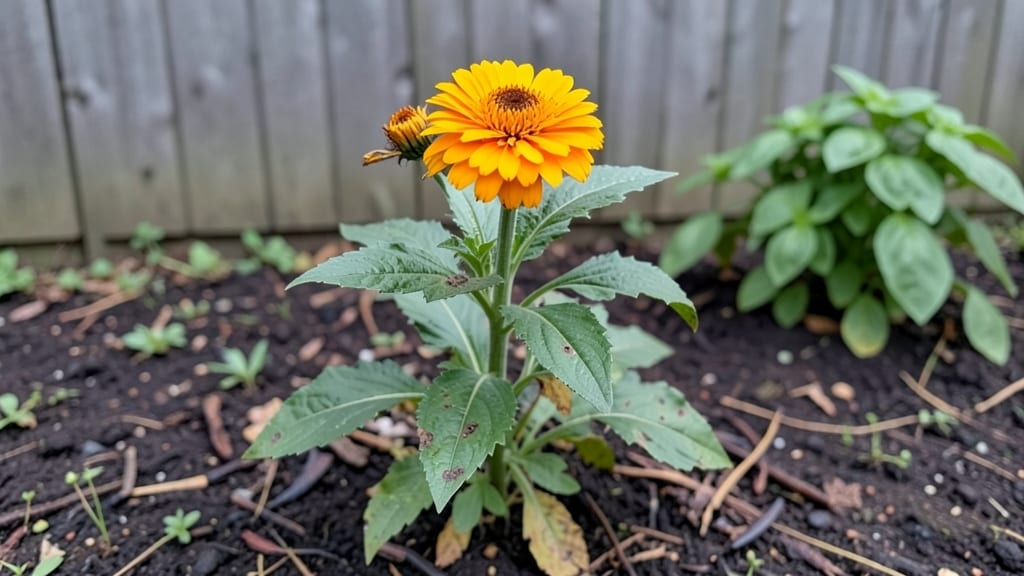
Those tiny orange wildflowers—like the fiery Calendula or the cheerful Coreopsis—are the Pacific Northwest’s secret weapon for pollinators and color. I’ve watched hummingbirds and bees go wild for them in my own garden, turning a corner of the yard into a buzzing, vibrant oasis.
The key is planting them where they’ll thrive: in sunny spots with well-draining soil, whether in meadows, borders, or containers.
These little powerhouses are low-maintenance but high-impact, blooming from early summer through fall with almost no fuss. Pair them with lavender or yarrow for a pollinator magnet, or let them spill over edges for a wild, natural look.
They even self-seed, so once established, they’ll keep coming back year after year.
Imagine your garden in July: clusters of bright orange blooms swaying in the breeze, bees darting between them, and the air humming with life. That’s the magic of these tiny wildflowers—simple to grow, impossible to ignore.
They’ll bring color, movement, and a thriving ecosystem to your outdoor space without the work.
Perfect for small gardens, large meadows, or even urban balconies—just give them sun and space to spread. Let’s get those pollinators feasting! 🌻
📚 In This Guide
- What you need
- Instructions
- Tips and common mistakes
- Wrapping up and next steps
What you need
- ● Seeds: 1–2 packets of tiny orange wildflower seeds (e.g., California poppy (Eschscholzia californica) or mariposa lily (Calochortus)). Choose native varieties for the best pollinator appeal!
- ● Well-draining soil: 1–2 cubic yards of sandy loam or native soil mix (amend with compost if your soil is heavy clay).
- ● Sunlight access: A sunny spot (6+ hours of direct light daily) for most wildflowers.
- ● Water source: A hose or watering can (light, infrequent watering is key once established!).
- ● Garden gloves (1 pair) – Protect your hands from prickly stems or thorns.
- ● Hand trowel or transplanting tool – For digging small holes (2–3 inches deep).
- ● Rake or hoe – To loosen soil and remove weeds.
- ○ Optional: Mulch (straw or wood chips) – Helps retain moisture and suppress weeds.
- ● Pollinator-friendly companions (e.g., yarrow, lavender) – Plant in clusters for a vibrant ecosystem!
- ● Patience: Wildflowers often take 2–4 weeks to germinate and several months to bloom.
- ● Low-maintenance mindset: These beauties thrive with minimal intervention—just water occasionally and let nature do the rest!
- ● Knowledge of local pests: Research common garden pests (like aphids) in your region to protect your tiny orange stars.
How to grow a thriving tiny orange wildflower patch
Here's how I create vibrant, buzzing wildflower meadows that attract pollinators all season long.
🌱 Step 1: Choose the Right Location for Maximum Sun and Drainage
Find a spot with full sun exposure (6-8 hours daily)—these wildflowers thrive where others often fail. I look for areas with well-draining soil because soggy roots will kill them quickly. If your soil is heavy clay, amend with 1-2 inches of compost mixed into the top 6 inches.
Real talk: Don't plant in low spots where water pools after rain. You'll see the first signs of trouble when leaves yellow and stems wilt—this means roots are drowning. Test drainage by digging a hole, filling it with water, and watching how fast it drains. If it takes more than 4 hours, improve the site before planting.
🌱 Step 2: Prepare the Soil for Easy Germination
Loosen the top 4-6 inches of soil with a garden fork or tiller to break up compaction. I like to add a thin layer (½ inch) of coarse sand if the soil feels dense when squeezed—this mimics the wildflower's natural habitat where soil drains quickly.
Smooth the area with a rake until it's level, then lightly water to settle the soil. The goal is a fine, crumbly texture that seeds can easily nestle into. Don't overwork the soil—wildflowers prefer slightly disturbed ground that mimics natural conditions where seeds can establish without competition.
☀️ Step 3: Scatter Seeds Thinly for Natural Spread
Spread seeds evenly by hand, aiming for 10-15 seeds per square foot. I like to mix them with a little sand first—this makes it easier to see where I've scattered and prevents clumping. Don't press seeds into the soil; just lightly cover them with a ¼-inch layer of fine soil or compost.
Water gently with a fine mist until the soil looks evenly moist but not soggy. You'll see the first tiny sprouts in 2-4 weeks—they look like miniature orange dots pushing through the soil. This is the moment that matters: keep the area consistently moist until seedlings reach 1 inch tall.
💧 Step 4: Maintain Consistent Moisture Without Overwatering
Water deeply 2-3 times per week until the plants are established (about 6-8 weeks after planting). You'll know moisture is right when the soil feels damp 1-2 inches below the surface. Wildflowers hate wet feet, so always water at the base rather than overhead.
Once established, these wildflowers are incredibly drought-tolerant. You can reduce watering to once every 10-14 days during dry spells, but watch for wilting leaves—this is your signal to water. Mulch lightly with ¼-inch of straw to retain moisture and suppress weeds without smothering the delicate sprouts.
✂️ Step 5: Encourage Spread and Deadhead for Continuous Bloom
Let the plants go to seed naturally—they'll reseed themselves beautifully each year. I do remove a few spent blooms in late summer to redirect energy into root growth for next season. Use clean pruners to snip just above a set of leaves, and always wear gloves to protect your hands from prickly stems.
Here's the thing—these wildflowers multiply quickly. By the second year, you'll see them spreading naturally into neighboring areas, creating a self-sustaining meadow. The more you let them do their thing, the more pollinators you'll attract—bees, butterflies, and hummingbirds will all visit your patch.
Tips & tricks for growing tiny orange wildflowers
These simple strategies will help your Pacific Northwest wildflower patch thrive and attract pollinators all season.
Location is Everything: In Step 1, when choosing your spot, prioritize areas with the most sunlight—these wildflowers need that 6-8 hours daily to really shine. I've found that south-facing slopes get the most consistent sun exposure. If your yard has shady spots, consider creating a raised bed where you can control the growing conditions better.
Soil Prep Secret: During Step 2, when loosening that 4-6 inches of soil, I like to add a handful of perlite to the compost mix. This creates even better drainage than just sand alone, especially important for these wildflowers that hate soggy roots. Think of it as giving your plants little air pockets to breathe in their root zone.
Seed Scattering Strategy: For Step 3, when scattering your 10-15 seeds per square foot, try this trick: mix the seeds with a little flour first. This makes them more visible against the soil and helps prevent clumping. After scattering, I like to use a piece of cardboard to gently press the seeds into the soil—just enough to make contact, not bury them.
Watering Wisdom: The 2-3 times per week watering in Step 4 is crucial, but timing matters too. Water in the early morning so the foliage has time to dry before evening. This prevents fungal issues that can kill your delicate seedlings. I also recommend using a soaker hose to deliver water right at the soil level—it's more efficient and keeps leaves dry.
Pro Tips for Tiny Orange Wildflower
- These simple strategies will help your Pacific Northwest wildflower patch thrive and attract pollinators all season.
- Location is Everything: In Step 1, when choosing your spot, prioritize areas with the most sunlight—these wildflowers need that 6-8 hours daily to really shine.
- Soil Prep Secret: During Step 2, when loosening that 4-6 inches of soil, I like to add a handful of perlite to the compost mix.
Frequently asked questions
Got questions about this vibrant pollinator magnet?
You're not alone! Here are some of the most common queries about tiny orange wildflowers in the Pacific Northwest—plus quick answers to help you grow, identify, and protect them with confidence.
What’s the most common tiny orange wildflower in the PNW?
The California poppy (Eschscholzia californica) is the star of the show—bright orange, delicate, and thriving in the region’s dry climates. Look for it blooming from spring to early summer in meadows, roadsides, and disturbed soils. Pro tip: It’s not the same as the invasive orange hawkweed (which has yellow centers).
When is the best time to plant these wildflowers?
Plant seeds in early fall (September–October) for spring blooms, or in late winter (February–March) to align with natural rain cycles. Avoid planting in summer—heat and drought stress seeds before germination. Bonus: Scatter seeds lightly on bare soil; they need sunlight to sprout!
Are tiny orange wildflowers safe for pollinators?
Absolutely!
Flowers like California poppies and beach evening primrose are pollinator powerhouses, attracting bees, butterflies, and hummingbirds. Just avoid pesticides—neonicotinoids can harm these tiny visitors. Troubleshoot: If you see fewer pollinators, check for nearby monoculture lawns or invasive plants blocking access.
What if my wildflowers aren’t blooming?
Check these fixes:
- Light: They need full sun (6+ hours/day). Shady spots = fewer blooms.
- Soil: Well-draining, rocky, or sandy soil mimics their native habitat. Amend clay soil with grit.
- Water: Overwatering rots seeds. Let soil dry between waterings once established.
- Patience: First-year plants focus on roots; blooms often appear year two.
How do I tell the difference between beneficial wildflowers and invasives?
Use this quick guide:
Feature
Beneficial (e.g., California poppy)
Invasive (e.g., orange hawkweed)
Leaf shape
Fern-like, divided leaves
Long, toothed leaves in a rosette
Stem
Hairless, slender
Sticky, milky sap
Bloom time
Spring–summer
Summer–fall (aggressive spread)
Rule of thumb: If it spreads rapidly and crowds out natives, it’s likely invasive. Report suspects to your local invasive species hotline.
Wrapping up and next steps
Discovering the tiny orange wildflower in the Pacific Northwest isn’t just a treat for the eyes—it’s a lifeline for pollinators and a testament to nature’s resilience. 🌸 These vibrant blooms prove that even the smallest plants pack a big punch in supporting local ecosystems, and you can help by planting them or simply admiring their beauty.
Ready to take action? Start by exploring local native plant nurseries or joining a community garden to spread the joy—and the pollen!