Flowers
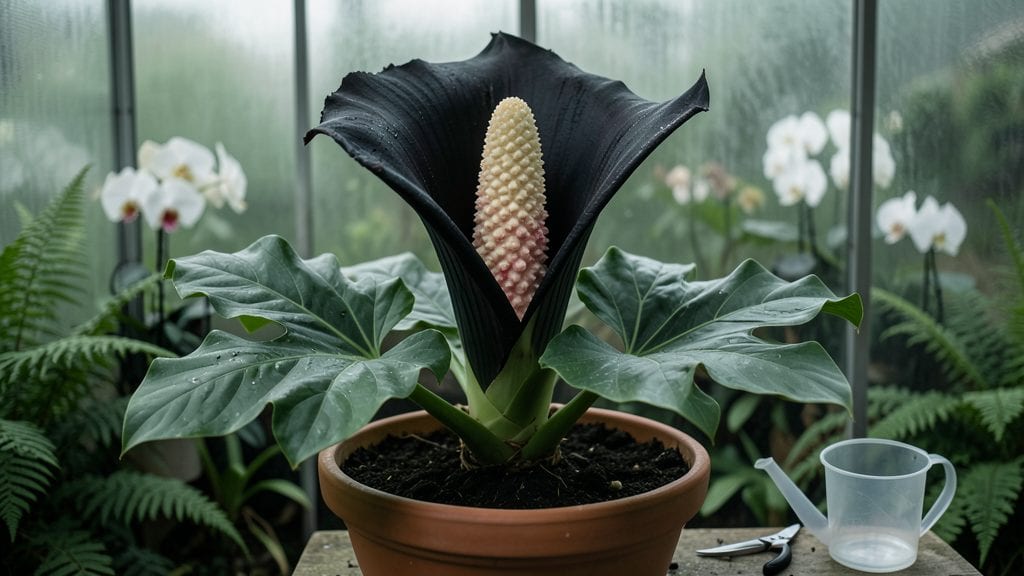
Growing the titan arum corpse flower indoors is like nurturing a jungle giant in your living room—its rare, dramatic blooms make every effort worth the wait. 🌱 I’ve watched mine go from a sleepy tuber to a towering, fragrant spectacle, and the key is mimicking its steamy Southeast Asian homeland.
The challenge? This plant doesn’t bloom on command—it’s a patient’s game, with some specimens taking years to flower. But when it finally unfurls that 3-foot-tall, meaty spathe? The experience is unforgettable.
The secret lies in high humidity, warm temperatures, and rich, well-draining soil—think of it as a tropical rainforest in a pot. A greenhouse or bright, indirect light works best, but a sunny windowsill with consistent moisture can pull it off too.
Watering is trickier than it seems: let the soil dry slightly between drinks, but never let it bone-dry. Overwatering is the silent killer of these giants, and they’ll rot faster than you can say "corpse flower."
What you’ll get is a living conversation piece—a plant that smells like decay (yes, really) when it blooms, drawing crowds and sparking stories. The blooms last just 24-48 hours, but the anticipation builds for months.
Even if it never flowers for you, the lush, glossy leaves alone make it a showstopper. For those who dare, the payoff is a once-in-a-lifetime spectacle that most gardeners never experience.
Indoor growers should expect a 5-10 year wait for the first bloom, but with the right care, your titan arum could outlive you—and still be stunning. The real magic? Knowing you’ve created the perfect microclimate for this rare oddity. Now, let’s get your tuber thriving.
📚 In This Guide
- What you need
- Instructions
- Tips and common mistakes
- Wrapping up and next steps
What you need
- ● Titan Arum Corm: 1 dormant or actively growing corm (size: 4–6 inches in diameter)
- ● Source: Reputable exotic plant nursery (ensure it’s disease-free!)
- ● Growing Medium: 10–15 gallons of well-draining mix (50% peat moss, 30% perlite, 20% orchid bark)
- ○ Optional: Add 1 cup of worm castings for nutrients
- ● Pot: 1 large container (18–24 inches wide, with drainage holes)
- ● Material: Plastic or ceramic (avoid terracotta—it dries too fast!)
- ● Watering Supplies: Spray bottle (for humidity)
- ● Watering can with a gentle rose nozzle
- ● Environmental Controls: Grow lights (12–14 hours/day, full spectrum LED)
- ● Hygrometer (to monitor humidity: 70–90%)
- ● Thermometer (ideal temp: 75–85°F)
- ● Fertilizer: Balanced liquid fertilizer (e.g., 10-10-10, diluted to ½ strength)
- ● Apply every 4–6 weeks during active growth
- ● Heat mat (to maintain root warmth in cooler climates)
- ● Humidifier (for consistent moisture levels)
- ● Insecticidal soap (preventative measure against pests)
- ● Garden journal (track corm growth, blooming cycles, and adjustments)
Step-by-Step instructions for cultivating a titan arum
Here's how I've successfully nurtured this dramatic plant through its infamous bloom cycle.
🌱 Step 1: Source and Prepare a Mature Plant
The titan arum (Amorphophallus titanum) is notoriously difficult to grow from seed, so I always start with a 3-5 year old plant from a reputable supplier. These plants need time to develop the massive underground corm—typically 6-12 inches in diameter—before they'll bloom. Look for a specimen with at least 3-5 fronds already established, as this indicates a healthy root system.
Upon arrival, inspect the corm for any soft spots or mold—these are red flags for rot. If the soil appears compacted, gently tease apart the roots with your fingers. The corm itself should feel firm like a potato, not spongy. I always repot immediately into a 18-24 inch diameter container with fresh mix, as nursery pots often contain poor-quality soil that stunts growth.
☀️ Step 2: Create the Ideal Growing Environment
This plant demands bright, indirect light—think of it as mimicking its native understory habitat. A north or east-facing window works best, but supplement with a grow light if natural light falls below 1,000 foot-candles. Direct sun will scorch the leaves, while too little light results in weak, pale fronds that never trigger flowering.
Temperature is critical: maintain 70-85°F during the day and no lower than 65°F at night. I use a small space heater near the plant in winter and a humidifier to keep air moisture between 60-80%. The titan arum thrives in humidity levels that feel muggy to humans—you should see condensation form on leaves in the morning.
💧 Step 3: Master the Watering Routine
Overwatering is the #1 killer of titan arums. Water only when the top 3-4 inches of soil feel completely dry—stick your finger in to check. During active growth (spring through summer), this typically means watering every 7-10 days, while in winter dormancy, I reduce to every 3-4 weeks. The corm stores water, so frequent light waterings create the perfect conditions for rot.
Use room-temperature water and water at the base of the plant, avoiding the fronds entirely. I always water in the morning so excess moisture can evaporate during the day. Yellowing leaves are often a sign of overwatering, while crispy brown edges indicate underwatering—both are easily reversible if caught early.
⏰ Step 4: Trigger and Support the Bloom Cycle
The titan arum's infamous bloom is triggered by a combination of maturity, temperature fluctuations, and proper light exposure. I've found that plants over 5 years old with 6+ fronds are most likely to flower. When you notice new frond growth in spring, increase phosphorus-rich fertilizer (like 10-20-10) to encourage flowering development.
Once the spathe (flower sheath) begins to unfurl, expect the bloom to last only 24-48 hours. During this time, maintain 80°F+ temperatures and high humidity. The plant emits a cadaver-like odor to attract pollinators—this is normal and part of its natural reproductive strategy. After flowering, the frond will wilt and die back, but the corm will continue growing for next year's potential bloom.
🌿 Step 5: Manage Dormancy and Encourage Future Blooms
After the summer growing season, the titan arum enters dormancy as the fronds yellow and die back. This is when I reduce watering to every 3-4 weeks and stop fertilizing entirely. The corm needs this rest period to store energy for next year's potential bloom. I never cut back dead fronds until they're completely brown and crispy—this prevents energy loss from the plant.
During dormancy, keep the corm in a cool (65-70°F) but not cold location with minimal light. I've found that moving the plant to a basement with a small grow light set to 8 hours per day works well. This mimics the plant's natural seasonal cycle and significantly increases the chances of future blooms. Resist the urge to wake the plant early—patience is key with this dramatic species.
Tips & tricks for perfect titan arum cultivation
Growing a titan arum to bloom is equal parts science and patience—here's what I've learned after years of trial and error with these rare plants.
Plant Selection Matters: In Step 1, when choosing your plant, focus on the corm size and frond count rather than just age. A 6-12 inch diameter corm with 6+ fronds is far more likely to bloom than a younger plant with fewer fronds. I once bought a 4-year-old plant with only 3 fronds that never bloomed—don't make my mistake. Look for plants with thick, healthy stems and vibrant green fronds.
Lighting Strategy: The 1,000 foot-candle minimum in Step 2 is non-negotiable for flowering potential. I supplement my north-facing window with a 15-watt LED grow light on a timer for 12 hours daily during winter. For those without ideal windows, consider a dedicated grow room with full-spectrum lighting—this is the single biggest factor in triggering blooms.
Watering Precision: The 3-4 inch soil dryness check in Step 3 is your best friend. I use a moisture meter for accuracy, especially in winter when the corm's water needs change dramatically. When watering every 7-10 days, pour until water runs out the drainage holes—this ensures the corm gets the moisture it needs without sitting in soggy soil.
Bloom Support: During that critical 24-48 hour bloom window in Step 4, I've found that placing a small humidifier near the plant (while maintaining 80°F+) helps preserve the spathe's delicate structure. The cadaverous odor is normal, but if you're sensitive to smells, consider growing in a well-ventilated area or even outdoors during bloom time.
Pro Tips for Titan Arum Corpse Flower
- Growing a titan arum to bloom is equal parts science and patience—here's what I've learned after years of trial and error with these rare plants.
- Plant Selection Matters: In Step 1, when choosing your plant, focus on the corm size and frond count rather than just age.
- Lighting Strategy: The 1,000 foot-candle minimum in Step 2 is non-negotiable for flowering potential.
Frequently asked questions
about the Titan Arum (or "corpse flower")—because growing one comes with plenty of curiosity!How long does the Titan Arum’s bloom last?
The Titan Arum’s infamous bloom typically lasts 24–48 hours—sometimes even just a single day! The flower’s heat and stench peak during this window, making it a fleeting (but unforgettable) spectacle. Miss it? Don’t worry—its dramatic leaves can live for years.
Can I grow a Titan Arum indoors?
With the right setup—large pots, high humidity (60%+), and bright, indirect light—it thrives indoors. Just ensure your space is warm (70–80°F) and well-ventilated to handle the bloom’s pungent aroma. Skip the basement!
How do I know when my Titan Arum will flower?
There’s no guaranteed timeline, but most Titan Arums take 5–10 years to bloom. Watch for a sudden spike in leaf size (up to 5 feet!) and a thick, purple sheath emerging—your first sign! Patience is key.
What if my Titan Arum smells too strong?
That’s normal! The bloom mimics rotting meat to attract flies. If the odor is overwhelming, open windows, use fans, or move it outdoors during peak hours. Pro tip: Never place it near food—this isn’t a kitchen decor piece!
Are there smaller, easier alternatives?
Yes! If the Titan Arum seems too high-maintenance, try Amorphophallus paeoniifolius (a smaller relative) or Rafflesia hybrids (though they’re even rarer). For drama without the stink, Philodendron or Monstera deliver big leaves with zero odor!
Wrapping up and next steps
The titan arum corpse flower is a breathtaking yet challenging plant to grow, but with patience, the right conditions, and a dash of curiosity, you can witness nature’s most dramatic bloom firsthand! 🌺✨ Remember, success hinges on replicating its tropical habitat—think warmth, humidity, and a little drama (like a stinky scent!).
Ready to take the next step? Start small:
- Grow a smaller, easier arum (like the peace lily) to practice care.
- Join online plant communities to swap tips with corpse flower enthusiasts.
- Mark your calendar—your titan arum’s bloom could be years away, but every effort brings you closer!