
Flowers
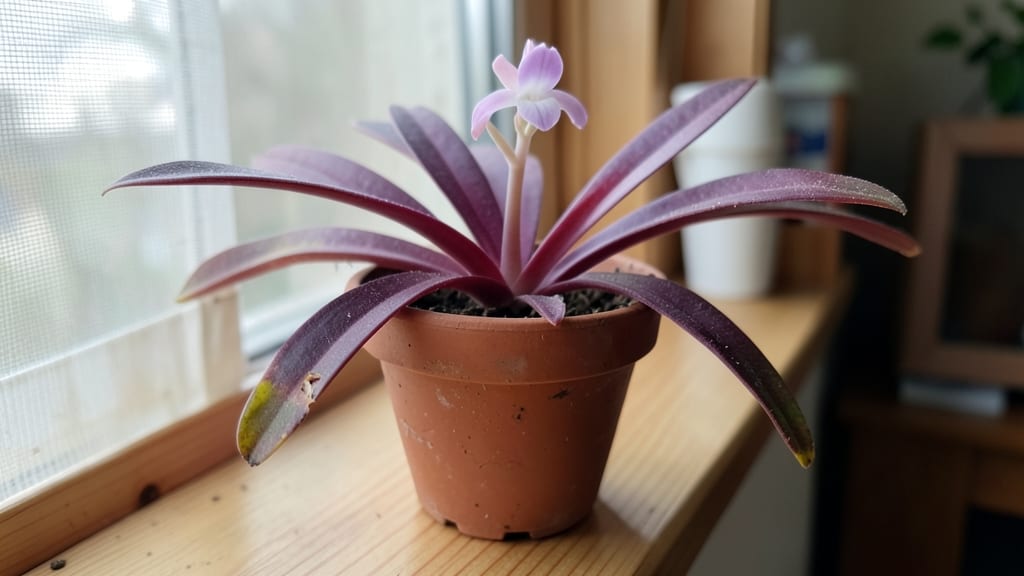
Tradescantia pallida flower blooms are the showstopper you didn’t know you needed—those dramatic purple-pink spikes transform any indoor space into a tropical oasis. 🌿 I’ve grown mine for years, and the secret to getting those bold blooms lies in mimicking its natural habitat: bright, indirect light and just enough water to keep it happy without drowning it.
The plant itself is a breeze to care for—it thrives in 6-inch pots, tolerates occasional neglect, and even purifies the air. But here’s the catch: flowering requires a little extra attention.
Too much shade or inconsistent watering, and you’ll get lush foliage but no blooms. The payoff? Once it flowers, those 3-inch spikes last for weeks and attract hummingbirds to your windowsill.
Indoors, keep it near a south-facing window or under a grow light for 6-8 hours daily. Outdoors in warm climates, it’s a sprawling ground cover that blooms nonstop with the right conditions.
The key is balance—let the top inch of soil dry out between waterings, and fertilize lightly every 4-6 weeks during growing season.
Common mistakes? Overwatering (root rot happens fast) and skipping the occasional prune to encourage bushier growth. With the right care, your Tradescantia pallida will reward you with season-long color—no greenhouse required. Let’s get those blooms happening!
📚 In This Guide
- What you need
- Instructions
- Tips and common mistakes
- Wrapping up and next steps
What you need
- ● Tradescantia pallida plant: A healthy cutting (4–6 inches long) or mature plant with visible purple-pink blooms. (Pro tip: Look for stems with at least 2–3 leaves for best results!)
- ● Well-draining potting mix: 1–2 gallons of a lightweight blend (e.g., 50% peat moss, 30% perlite, 20% coco coir). (Avoid heavy garden soil—root rot is a no-go!)
- ● Pot with drainage holes: A 6–8 inch container (terracotta or ceramic works best). (Size matters: Too big = soggy roots; too small = cramped growth.)
- ○ Rooting hormone (optional but helpful): A small bottle of powder or gel (e.g., Clonex or similar). (Boosts rooting success by 30–50%!)
- ● Spray bottle: For misting cuttings or new soil. (Mist lightly to keep humidity high without drowning roots.)
- ● Scissors or pruning shears: Clean, sharp tools to take cuttings. (Sterilize with rubbing alcohol to prevent disease.)
- ● Clear plastic bag or propagation dome: To create a humid microclimate for new cuttings.
- ● Bright, indirect light: A north or east-facing window (or grow lights for 12–14 hours/day). (Direct sun can scorch those gorgeous leaves!)
- ● Warmth: Ideal temps: 65–80°F (18–27°C). (Avoid drafts—cold snaps stress the plant.)
- ● Watering routine: Let the top 1–2 inches of soil dry out between waterings. (Overwatering = root rot; underwatering = crispy leaves.)
- ● Patience: Cuttings may take 2–4 weeks to root! (Resist the urge to check daily—consistency is key.)
- ● Decorative pot: A stylish container to match your aesthetic (e.g., macramé hangers, colorful ceramic pots).
- ● Fertilizer: A balanced liquid fertilizer (e.g., 10-10-10) diluted to half-strength. (Use every 4–6 weeks during spring/summer.)
- ● Peat moss or sphagnum moss: For extra humidity or as a top dressing.
- ● Plant labels: To track varieties if you’re experimenting with multiple Tradescantia types!
Step-by-Step guide to encouraging Tradescantia pallida to bloom indoors
Here’s how to coax those stunning purple-pink blooms from your Tradescantia pallida—no greenhouse needed.
☀️ Step 1: Maximize Light Exposure for Flowering
Your Tradescantia pallida needs bright, indirect light for at least 6-8 hours daily to trigger blooming. Place it near an east-facing window or within 2-3 feet of a south-facing window—direct midday sun can scorch the delicate leaves. I’ve found that a grow light on a timer (14-16 hours/day) works wonders if natural light is insufficient.
Watch for signs of stress: leaves turning pale or stretching toward the light? That’s a sure sign your plant needs more intensity. Rotate the pot quarter-turn weekly so growth stays even and all sides receive equal light.
💧 Step 2: Adjust Watering to Mimic Seasonal Shifts
Tradescantia blooms best when watering mimics seasonal changes. During spring and summer, let the top 1-2 inches of soil dry out between waterings—overwatering smothers roots and prevents flowering. In fall and winter, reduce watering slightly, allowing the soil to dry out completely before the next drink. This dormancy-like state tricks the plant into producing flower spikes.
Use room-temperature water and avoid wetting the leaves to prevent fungal issues. Stick your finger in the soil—if it feels dry 1 inch down, it’s time to water. Yellowing leaves? You’re likely overwatering.
✂️ Step 3: Prune Strategically to Stimulate Growth and Flowers
Pruning isn’t just about aesthetics—it’s a key to encouraging blooms. Trim back leggy stems by cutting just above a leaf node (where leaves meet the stem) using clean, sharp scissors. This redirects energy toward new growth and flower production. I like to do this in early spring right after the plant wakes up from its winter rest.
Don’t toss those cuttings! Root them in water or soil to propagate new plants. Just ensure your pruning cuts are diagonal—this increases surface area for faster healing. Avoid heavy pruning in fall, as the plant needs its energy to prepare for dormancy.
🌿 Step 4: Feed and Fertilize for Vibrant Blooms
Use a balanced, water-soluble fertilizer (10-10-10 or 20-20-20) diluted to half-strength every 4-6 weeks during the growing season (spring and summer). This gives your Tradescantia pallida the nutrients it needs to produce those show-stopping purple-pink blooms. In fall and winter, skip fertilizing entirely—too much food in dormancy can harm the plant.
For extra floral encouragement, switch to a phosphorus-heavy fertilizer (like 5-10-5) once a month in late spring. Phosphorus is the nutrient responsible for flower development. Always water the soil thoroughly before and after fertilizing to prevent root burn.
🪴 Step 5: Choose the Right Pot and Soil for Healthy Growth
Your Tradescantia pallida thrives in well-draining soil mixed with perlite or orchid bark to prevent root rot. Repot every 2-3 years or when roots circle the pot—this gives the plant room to grow and encourages flowering. A 6-8 inch pot is ideal for mature plants, but they’ll tolerate slightly smaller containers if you’re okay with more frequent repotting.
Ensure the pot has drainage holes—waterlogged roots are a surefire way to kill blooming potential. I like to use terracotta pots because they breathe, helping to prevent moisture buildup. If you’re using a decorative pot without holes, place it inside a cache pot with drainage.
Tips & tricks for encouraging Tradescantia pallida blooms
Here's what I've learned after years of coaxing those stunning purple-pink blooms from my own Tradescantia Pallida—these tricks make all the difference.
Light Intensity Secret: In Step 1, if you notice your plant stretching dramatically toward the light (a condition called etiolation), it's begging for more intensity. Consider supplementing with a full-spectrum LED grow light placed 12-18 inches above the plant for 14-16 hours daily. I've found that combining natural light with artificial light during shorter winter days dramatically increases bloom production. The key is to mimic summer light conditions year-round.
Seasonal Watering Strategy: When adjusting watering in Step 2, think about your climate. In humid environments, you might need to let the soil dry out even more than the recommended 1-2 inches—sometimes up to 2-3 inches—to prevent fungal growth. I've had success using a moisture meter to track soil dryness, especially during the critical fall/winter dormancy period when proper drying triggers flower production.
Pruning Timing Matters: For Step 3, timing your early spring prune is crucial. Wait until you see new growth emerging from the base after winter dormancy—this indicates the plant is ready to redirect energy. I've learned that pruning too early in winter (when the plant is still dormant) can shock it, while waiting too late into spring might delay flowering. Look for fresh, vibrant growth at the base before you start cutting.
Fertilizer Application Technique: When applying fertilizer in Step 4, always mix it with water in a separate container first, then water your plant thoroughly with this solution. This prevents fertilizer burn on the roots. I've also found that applying fertilizer in the morning allows the plant to absorb nutrients before the heat of the day. For that extra floral boost, you can add a pinch of Epsom salt (magnesium sulfate) to your phosphorus-heavy fertilizer once a month—it enhances flower production without harming the plant.
Pro Tips for Tradescantia Pallida Flower
- Here's what I've learned after years of coaxing those stunning purple-pink blooms from my own Tradescantia Pallida—these tricks make all the difference.
- Light Intensity Secret: In Step 1, if you notice your plant stretching dramatically toward the light (a condition called etiolation), it's begging for more intensity.
- Seasonal Watering Strategy: When adjusting watering in Step 2, think about your climate.
Frequently asked questions
Got questions about Tradescantia pallida flowers? You’re not alone!
This striking plant is beloved for its vibrant foliage, but its blooms—and care—can spark curiosity. Here are answers to the most common queries to help you grow (and enjoy!) this beauty with confidence.
Does Tradescantia pallida actually flower indoors?
Yes! While it’s prized for its purple-pink stems and leaves, Tradescantia pallida can produce delicate, tiny white or pale pink flowers indoors—especially in bright, indirect light and with proper care. Flowers are rare but reward patient growers!
How long does it take for Tradescantia pallida to flower?
Flowering is unpredictable, but under ideal conditions (bright light, humidity, and maturity), you might see blooms 6–12 months after propagating a healthy cutting. Younger plants focus on leaf growth first, so don’t rush it!
Can I encourage flowering with fertilizers or light tricks?
Use a balanced liquid fertilizer (20-20-20) every 4–6 weeks during spring/summer to boost growth. For light, place it near a south- or west-facing window (or use a grow light 12–14 hours/day). Mimic seasonal changes with cooler temps in winter—this can trigger blooming!
Why isn’t my Tradescantia pallida flowering, even with good care?
Don’t worry—it’s normal! This plant prioritizes foliage over flowers. Common reasons for no blooms:
- Too much heat (keep temps 65–75°F)
- Overwatering (let soil dry slightly between waterings)
- Lack of maturity (propagate cuttings to refresh growth)
Are there non-flowering Tradescantia pallida varieties that look similar?
Yes! If you love the look but want to skip the flowers, consider:
- Tradescantia sillamontana (‘Purple Heart’): Deep purple stems, no flowers.
- Tradescantia zebrina (‘Wandering Jew’): Striped leaves, hardy and low-maintenance.
- Tradescantia fluminensis (‘Inch Plant’): Trailing vines with bold purple undersides.
Wrapping up and next steps
Growing Tradescantia pallida with its stunning purple-pink blooms is a rewarding experience that adds vibrant color to your indoor space! 🌸 Whether you're drawn to its striking foliage or delicate flowers, this plant thrives with minimal effort—just provide bright light, well-draining soil, and occasional care.
Now that you’re equipped with tips and answers to common questions, why not take the next step? Try propagating a cutting or experimenting with different light conditions to see how your plant flourishes even more!