
Flowers
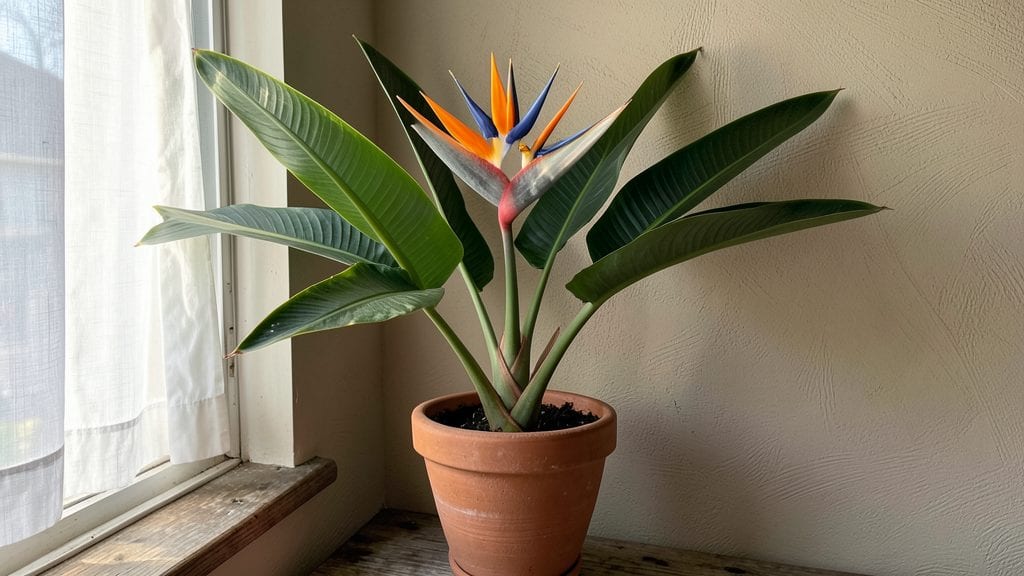
The tropical flowers—like the bold bird of paradise—deliver year-round drama even in the Pacific Northwest’s damp climate, and I’ve grown mine through three winters with those showstopping blooms still stealing the show. The secret isn’t magic; it’s matching this sun-loving diva’s needs with your space’s realities.
This plant thrives in full sun (6+ hours daily) and well-draining soil that mimics its South African savanna roots. Overwatering is the quickest way to kill it—let the top 2-3 inches dry out between drinks.
Prune spent blooms to encourage more flowers, and fertilize lightly in spring. Yes, it’s high-maintenance, but the payoff? Stunning blooms from spring through fall, with dramatic foliage year-round.
Propagating is easier than you’d think: divide mature clumps in spring or grow from seed (though it takes patience). My first attempt from seed took two years to bloom, but the wait was worth it.
The foliage alone—those glossy, strap-like leaves—adds tropical flair to any garden, patio, or indoor space with bright light.
For PNW gardeners, the key is sheltering it from heavy winter rains and chilly winds. A sheltered spot or container that can move indoors works wonders. With the right care, this plant becomes the showstopper your garden deserves—no tropical vacation required.
📚 In This Guide
- What you need
- Instructions
- Tips and common mistakes
- Wrapping up and next steps
What you need
- ● Bird of Paradise Plant: 1 mature plant (3–5 feet tall, Strelitzia nicolai or reginae for hardier PNW climates) from a nursery or online retailer.
- ● OR Seeds (if starting from scratch—germination takes 6–12 months and requires patience!).
- ● Well-draining soil mix: 50% cactus/succulent potting mix (for pots) OR 60% garden soil + 30% compost + 10% perlite (for in-ground planting).
- ○ 1–2 cups orchid bark chips (optional, for extra aeration).
- ● Container (if potted): 1 large 15–20 gallon pot with drainage holes (for mature plants).
- ● Smaller 3–5 gallon pots for seedlings.
- ● Garden tools: Trowel or shovel (for planting).
- ● Pruners (sterilized, for trimming dead leaves).
- ● Gloves (to protect hands from thorns!).
- ● PNW-specific prep: Frost cloth or row covers (to protect young plants from unexpected cold snaps below 25°F).
- ● Mulch (2–3 inches of pine bark or straw to insulate roots in winter).
- ● Slow-release balanced fertilizer (10-10-10) (apply spring + fall).
- ● Humidity tray or pebble tray (to mimic tropical conditions indoors).
- ● Support stake (for tall plants in windy PNW areas).
- ● Spray bottle (for misting leaves in dry indoor settings).
Step-by-Step guide to growing bird of paradise in the Pacific Northwest
Here’s how to cultivate these dramatic tropical bloomers in cooler climates—where they thrive with the right care.
Select the Right Variety and Planting Site
Choose a Strelitzia reginae (the classic bird of paradise) or Strelitzia nicolai (giant white bird of paradise) for your climate. Both tolerate USDA zones 9-11, but in the Pacific Northwest, you’ll need to grow them as container plants or in a protected microclimate. Pick a south-facing spot where they’ll receive at least 6 hours of bright, indirect light daily—direct afternoon sun can scorch the leaves.
If planting in-ground, amend the soil with 3 inches of organic matter (like compost) to improve drainage, as these plants hate soggy roots. In containers, use a well-draining potting mix blended with perlite or sand. The pot must have drainage holes—bird of paradise roots rot quickly in waterlogged conditions. A 15-20 gallon container is ideal for mature plants, allowing room for their robust root system.
Plant at the Correct Depth and Water Thoroughly
Dig a hole twice as wide as the root ball but no deeper—planting too deep suffocates the roots. Gently remove the plant from its nursery pot and loosen any circling roots with your fingers. Place it in the hole so the top of the root ball sits level with the soil surface—burying the crown too deeply invites rot.
Backfill with the amended soil, pressing lightly to eliminate air pockets. Water deeply until moisture drains from the bottom, then let excess water run off. In containers, water until water flows freely from the drainage holes. After planting, avoid overhead watering—direct moisture on the leaves encourages fungal diseases like anthracnose, which causes brown, crinkled spots.
Provide Consistent Warmth and Humidity
Bird of paradise thrives in temperatures between 65-85°F, so in the Pacific Northwest, bring containers indoors when nighttime temps drop below 50°F. A sunroom, greenhouse, or even a bright living space works well, as long as they get bright, indirect light. If growing outdoors year-round, use a frost cloth to protect them during unexpected cold snaps.
These tropical plants love high humidity—mist the leaves 2-3 times weekly or place the pot on a pebble tray filled with water to increase ambient moisture. You’ll notice the leaves stay glossy and vibrant when humidity is ideal; yellowing or crispy edges signal dry air. A small humidifier near the plant in winter keeps conditions perfect.
Fertilize and Prune for Healthy Growth
Feed your bird of paradise monthly during spring and summer with a balanced liquid fertilizer (10-10-10 or 20-20-20), diluted to half-strength. Reduce feeding in fall and winter to every 6-8 weeks—over-fertilizing in cooler months leads to salt buildup in the soil, which damages roots. Always water the plant before fertilizing to prevent root burn.
Prune dead or yellowing leaves at the base with sterilized pruners, and trim back any leggy growth to encourage bushier habits. If you notice flower stalks (they look like banana leaves at first), leave them alone—they’ll bloom in 1-2 years if given proper care. Deadhead spent blooms by cutting the stalk 1 inch above the base to redirect energy to new growth.
Overwinter for Next Year’s Blooms
As temperatures drop, reduce watering to keep the soil slightly moist but never soggy. Move the plant to a bright, cool location (like a garage with natural light) where temps stay above 50°F. Resume regular watering in early spring when new growth appears—this is your cue to repot if roots are circling or the plant has outgrown its container.
Watch for pests like spider mites or scale, which thrive in dry indoor air. Wipe leaves with a mild soapy water solution (1 tsp dish soap per gallon of water) if you spot webbing or sticky residue. With proper overwintering, your bird of paradise will reward you with stunning blooms in late spring or early summer, even in the Pacific Northwest’s cooler climate.
Tips & tricks for perfect bird of paradise blooms in the Pacific Northwest
A few strategic adjustments can help you coax those iconic orange-and-blue blooms from your tropical plant, even in our cooler climate.
Lighting Strategy: In Step 1, when selecting your south-facing spot, prioritize locations that receive morning sun and afternoon shade to prevent leaf scorch. I’ve found that placing plants near east-facing windows with sheer curtains works beautifully—it filters harsh afternoon rays while still providing the essential 6 hours of bright, indirect light. For container plants, rotate them weekly so all sides get even exposure, which prevents lopsided growth.
Container Selection: The 15-20 gallon container recommendation in Step 1 is ideal, but don’t overlook the material. Terracotta pots help regulate moisture and prevent root rot better than plastic, especially during our rainy seasons. If using plastic, make sure it has ample drainage holes and elevate the pot on feet to prevent water pooling. I’ve had the most success with glazed ceramic containers—they maintain consistent soil temperatures and add aesthetic appeal.
Winter Care: When bringing containers indoors in Step 3, choose locations with bright but indirect light—south-facing windows are perfect. I’ve noticed that plants placed near west-facing windows often develop brown leaf tips from the intense late-afternoon sun. During winter months, supplement with a grow light if natural light becomes insufficient, aiming for 12-14 hours of total light daily to maintain healthy growth.
Fertilizer Timing: The monthly spring/summer feeding schedule in Step 4 works well, but I’ve found that applying a slow-release fertilizer in early spring provides a steady nutrient supply. For container plants, I mix a handful of organic fertilizer pellets into the top inch of soil during repotting season. This reduces the need for frequent liquid feedings and prevents salt buildup that can occur with over-fertilizing.
Pro Tips for Tropical Flowers Bird Of Paradise
- A few strategic adjustments can help you coax those iconic orange-and-blue blooms from your tropical plant, even in our cooler climate.
- Lighting Strategy: In Step 1, when selecting your south-facing spot, prioritize locations that receive morning sun and afternoon shade to prevent leaf scorch.
- Container Selection: The 15-20 gallon container recommendation in Step 1 is ideal, but don’t overlook the material.
Frequently asked questions
Got questions about growing and caring for bird of paradise (Strelitzia reginae) in the Pacific Northwest? You’re not alone! Here are answers to the most common queries to help you cultivate these stunning tropical blooms with confidence.
Can bird of paradise survive winters in the PNW?
While bird of paradise thrives in USDA zones 9-11, PNW winters (zones 7-9) can be tricky. Grow them as container plants and bring them indoors before temps drop below 30°F (-1°C). A sunny windowsill or greenhouse works well. If planted in the ground, mulch heavily and use frost cloth for extra protection.
How long does it take for bird of paradise to bloom?
Patience is key! Mature plants (3+ years old) typically bloom in spring or summer, but younger plants may take 2-5 years to produce flowers. Ensure they get bright, indirect light and well-draining soil to encourage faster growth and blooming. Fertilize lightly in spring with a balanced tropical plant food.
Why aren’t my bird of paradise leaves turning green?
Yellow or pale leaves often signal overwatering or nutrient deficiency. Let the soil dry out slightly between waterings—these plants prefer moist but not soggy conditions. If leaves are yellow with brown edges, it’s likely fluoride buildup from tap water. Switch to rainwater or distilled water and flush the soil occasionally.
What’s the best indoor location for bird of paradise?
Place your plant near a south- or west-facing window where it gets 4-6 hours of sunlight daily. Avoid drafty areas (like near AC vents) and keep humidity moderate. If growth slows, supplement with a grow light for 12-14 hours/day. Rotate the pot occasionally for even growth!
Are there PNW-friendly alternatives to bird of paradise?
If bird of paradise feels too high-maintenance, try these low-maintenance tropicals that thrive in the PNW:
- Anthurium – Glossy leaves, long-lasting blooms, and tolerance for lower light.
- Calathea – Striking patterned leaves; loves humidity and indirect light.
- Hibiscus – Bold flowers and adaptable to containers (bring indoors in winter).
- Dracaena – Hardy, drought-tolerant, and great for adding height.
Is bird of paradise toxic to pets?
Yes! Both the plant and sap contain insoluble calcium oxalates, which can cause mouth irritation, drooling, or vomiting if ingested by cats, dogs, or humans. Keep it out of reach of pets and children, and wash hands after handling. Opt for pet-safe alternatives like spider plants or Boston ferns if needed.
Wrapping up and next steps
Bringing the bird of paradise into your Pacific Northwest garden is a rewarding way to embrace tropical beauty year-round! 🌺 Its striking blooms and low-maintenance nature make it a standout choice for adding drama and color to any space.
Whether you're a seasoned gardener or just starting out, this exotic flower is ready to thrive with the right care—and trust us, the payoff is worth it.
Ready to take the next step? Start by selecting your perfect plant—whether it’s a classic Strelitzia reginae or a hardier hybrid—and give your garden the bold, tropical vibes it deserves! 🌿