
Planting
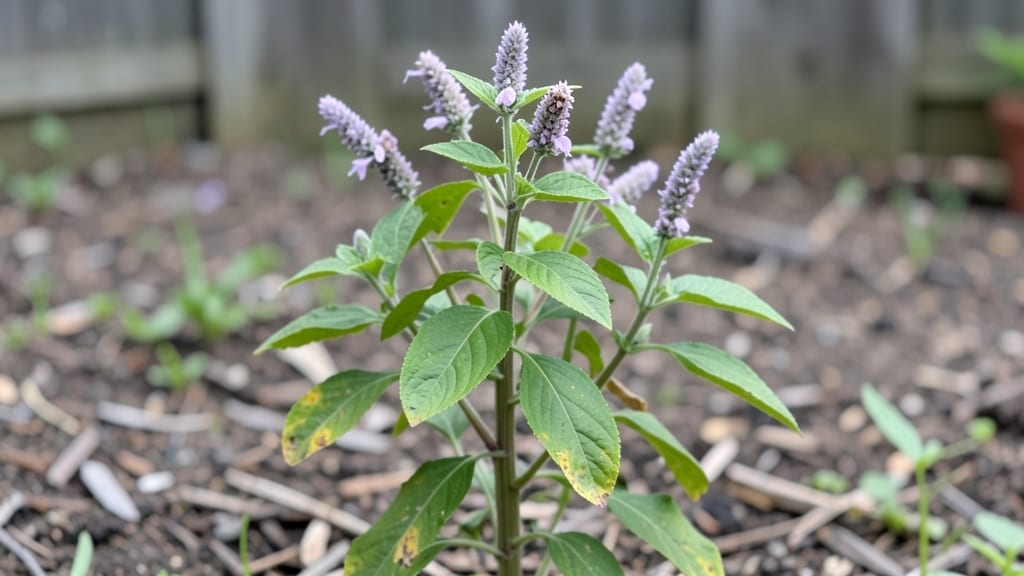
Tulsi plant flowers aren’t just pretty—they’re a sign your plant is thriving, and in the Pacific Northwest’s damp climate, that’s no small feat. 🌿 I’ve grown tulsi for years here, and the secret to those fragrant purple blooms lies in pruning at the right time, even when it feels counterintuitive.
Most gardeners assume more water means better growth, but tulsi actually needs a balance—too much moisture and the flowers vanish.
The key is pruning back leggy stems by a third after blooms fade, which tricks the plant into putting energy toward new growth instead of seed production. Use sharp scissors, not your fingers, to avoid crushing stems, and always work in the morning when the plant’s hydrated.
For indoor plants, a south-facing window with at least 6 hours of light keeps them flowering year-round—just rotate the pot weekly for even growth.
You’ll see fresh buds within 3-4 weeks of proper pruning, and the aroma they release is nothing short of magical—earthy, slightly spicy, and instantly calming. The flowers also attract pollinators, which means more basil leaves to harvest.
In PNW’s cooler months, bring potted tulsi indoors before temps drop below 50°F to keep the blooms coming.
Common mistakes? Overwatering (let the top inch dry between waterings) and neglecting humidity (mist leaves daily or use a pebble tray). With these tweaks, your tulsi won’t just survive—it’ll reward you with blooms that last from spring through fall, even in our rainy climate.
📚 In This Guide
- What you need
- Instructions
- Tips and common mistakes
- Wrapping up and next steps
What you need
- ● Tulsi (Holy Basil) Plant: 1 healthy Ocimum tenuiflorum plant (preferably Krishna or Rama varieties for better flowering)
- ○ Optional: Seeds for propagation (if starting from scratch)
- ● Growing Medium: 1 10-12 inch pot with drainage holes (terracotta or ceramic preferred)
- ● 1 gallon of well-draining potting mix (50% coco coir, 30% perlite, 20% compost)
- ● Pruning Tools: 1 pair of sterilized pruning shears (sharp, bypass-style for clean cuts)
- ○ Optional: Small hand pruners for delicate trimming
- ● Fertilizers & Supplements: Balanced liquid fertilizer (10-10-10 or 20-20-20, diluted to half-strength)
- ● Calcium-rich supplement (e.g., crushed eggshells or calcium nitrate) to prevent blossom-end rot
- ○ Optional: Organic neem oil (1 tsp per gallon of water) to deter pests
- ● Sunlight: A south-facing window or grow light (12-16 hours/day, 4000-6500K spectrum)
- ● Temperature Control: Space heater or heat mat (70-85°F during daylight hours)
- ○ Optional: Greenhouse or cold frame for winter protection
- ● Humidity: Humidifier or pebble tray (aim for 50-70% humidity)
- ● Watering System: Mist bottle or drip irrigation (avoid overhead watering to prevent fungal blooms)
- ● Pro Tip: Use room-temperature, filtered water to avoid shocking roots! 💡
- ● pH test kit (ideal range: 6.5-7.5)
- ● Grow light timer for consistency
- ● Pruning guide or journal to track blooming cycles
- ● Decorative pot or trellis for aesthetic appeal
How to encourage tulsi flowers year-round in the Pacific Northwest
Here’s how I coax steady blooms from my tulsi—even in our damp, cool climate.
🌿 Step 1: Prune for Airflow and Light
Cut back leggy growth by ⅓ when stems reach 12 inches tall. This forces energy toward new side shoots that flower more readily. Use clean, sharp scissors to avoid crushing stems—tulsi hates rough cuts. Target the topmost set of leaves where new branches will sprout.
I prune right after the first flush of flowers fades. This prevents the plant from putting all its energy into seed production. In the PNW’s 55-65°F average temps, tulsi grows slower, so aggressive pruning in spring jumpstarts flowering. Watch for fresh green growth at the pruned tips—that’s your signal the plant is responding.
✂️ Step 2: Deadhead Regularly
Snip off spent blooms just above the next leaf node using your fingers or small pruners. This redirects energy from seed production back into new flowers. I do this every 3-4 days during peak bloom—consistency is key. Tulsi flowers continuously if you keep up with deadheading.
In our cloudy summers, tulsi may produce fewer blooms naturally. To compensate, I pinch off every other flower cluster on new growth. This creates a bushier plant with more blooming sites. You’ll notice smaller but denser flowers—perfect for continuous harvests of fresh leaves and blooms.
☀️ Step 3: Maximize Light Exposure
Move your tulsi to the sunniest spot possible—at least 6 hours of direct sun daily. In the PNW, this often means a south-facing window or under grow lights. I supplement with a 12-inch LED grow light for 14 hours/day when natural light dips below 4,000 lux. Tulsi flowers best with strong light; weak stems produce fewer blooms.
Rotate the pot quarter-turn weekly so all sides get even light. You’ll see stems grow straighter and leaves stay vibrant. If you notice leaves turning yellow or stems elongating (a sign of light deprivation), move it closer to the light source immediately. In our cooler climate, tulsi grows slower but still needs this intensity to flower reliably.
💧 Step 4: Adjust Watering for Flowering
Water when the top inch of soil feels dry—about every 3-4 days in summer, less in winter. Overwatering stresses tulsi and reduces blooms. I use room-temperature water to avoid shocking roots, and always water at the base to keep leaves dry. Wet foliage in cool, damp PNW air invites fungal issues.
During flowering season, I add a diluted fish emulsion fertilizer (1 tsp per gallon) every 2 weeks. This gives tulsi the phosphorus boost it needs for abundant blooms. Stop fertilizing after the first frost—tulsi goes semi-dormant in our 40-50°F winters and needs less support.
⏰ Step 5: Time Pruning for Seasonal Cycles
In early spring, prune back hard to 4-6 inches tall. This mimics the plant’s natural dormancy and encourages fresh, vigorous growth. By late summer, when days shorten, reduce pruning to just removing dead flowers. Tulsi in the PNW blooms year-round if you adjust pruning to match our mild seasons.
Watch for new flower buds forming at leaf axils. These appear as tiny green bumps—harvest them carefully to encourage more blooms. In winter, tulsi may slow down but rarely stops flowering entirely if kept in 60°F+ conditions. A small space heater near the plant (safely!) can extend the blooming season even further.
Tips & tricks for perfect tulsi plant flowers
Keeping your tulsi blooming year-round in the Pacific Northwest takes a few clever adjustments to our climate's unique challenges. Here's what I've learned from years of trial and error with my own plants.
Pruning Precision: When you're pruning back those leggy stems in Step 1, aim to cut just above where you see new leaf nodes forming—those little bumps where new branches will sprout. I've found that cutting too close to the base can shock the plant, while leaving too much stem reduces airflow. Think of it like giving your tulsi a fresh haircut where every snip encourages new growth from the roots up.
Light Strategy for Cloudy Days: That 6 hours of direct sun in Step 3 is non-negotiable, but here's my secret for our overcast summers: I place a small mirror on the windowsill to reflect extra light onto the plant. It's like giving your tulsi a little light boost when the clouds roll in. For indoor growers, position your grow light just 6-8 inches above the plant—closer than the 12-inch recommendation if you're supplementing during winter months when natural light is scarce.
Deadheading Discipline: The 3-4 day deadheading schedule in Step 2 works wonders, but here's the trick I picked up: always deadhead in the morning. This gives the plant the full day to redirect energy into new blooms before nightfall. I also keep a small pair of clean pruners dedicated just to tulsi—this prevents cross-contamination with other plants and keeps your tools sharp for precise cuts.
Seasonal Watering Adjustments: While the instructions call for watering every 3-4 days in summer, I've found that in our damp climate, you might need to adjust to every 5-6 days once the plant establishes itself. The key is to check that top inch of soil—if it's still moist after 3-4 days, hold off on watering. Tulsi is surprisingly drought-tolerant once mature, and overwatering is actually the #1 reason my plants stopped flowering in the past.
Pro Tips for Tulsi Plant Flowers
- Keeping your tulsi blooming year-round in the Pacific Northwest takes a few clever adjustments to our climate's unique challenges.
- Pruning Precision: When you're pruning back those leggy stems in Step 1, aim to cut just above where you see new leaf nodes forming—those little bumps where new branches will sprout.
- Light Strategy for Cloudy Days: That 6 hours of direct sun in Step 3 is non-negotiable, but here's my secret for our overcast summers: I place a small mirror on the windowsill to reflect extra light onto the plant.
Frequently asked questions
about tulsi plant flowers—especially in the Pacific Northwest’s unique climate—can help you grow a thriving, blooming plant year-round. Here are answers to the most common queries!Why isn’t my tulsi plant flowering this year?
Tulsi (holy basil) flowers when it’s mature and healthy, but over-pruning or lack of sunlight (especially in cloudy PNW winters) can delay blooms. Ensure it gets 6+ hours of direct light daily—supplement with grow lights if needed. Also, avoid aggressive trimming; let it grow 6+ inches before pruning to encourage flowering.
How long does it take for tulsi flowers to appear?
With proper care, tulsi flowers typically emerge 3–6 months after planting (or when the plant reaches ~12 inches tall). In the PNW’s cooler climate, blooms may take slightly longer—patience is key! If it’s been 8+ months with no flowers, check for pests, nutrient deficiencies (like low phosphorus), or root-bound conditions.
Can I prune tulsi flowers without stopping future blooms?
Yes! Pruning spent flowers (deadheading) encourages more blooms by redirecting energy. Use clean scissors to snip just above a leaf node. In the PNW, where tulsi can be semi-evergreen, light pruning in late winter (before new growth) helps maintain shape and promote spring flowers.
Will tulsi flowers survive Pacific Northwest winters?
Tulsi is a tender perennial—it won’t survive PNW frosts (<32°F/0°C) outdoors. If you want winter blooms, grow it indoors near a sunny window or under grow lights. For outdoor pots, bring them inside before the first frost or mulch heavily and protect with frost cloth. Flowers may slow but can return in spring!
What if my tulsi leaves turn yellow before flowering?
Yellowing leaves often signal overwatering, poor drainage, or nutrient issues. Let the top inch of soil dry out between waterings, and ensure the pot has drainage holes. For PNW’s damp climate, raise pots off the ground and avoid soggy soil. A balanced fertilizer (like 10-10-10) every 4–6 weeks can also help revive growth.
Pro Tip:
Did you know? Tulsi flowers are edible and slightly sweeter than leaves! Use them in teas, garnishes, or as a natural dye. Just harvest sparingly to keep your plant blooming.
Wrapping up and next steps
Growing tulsi with vibrant, year-round flowers is totally within reach—even in the Pacific Northwest’s cooler climate! 🌿 With the right pruning techniques, soil care, and a little patience, you’ll enjoy lush blooms and a thriving plant that rewards both your green thumb and your senses.
Whether you’re harvesting leaves for tea or admiring the delicate flowers, your tulsi plant is a living gift.
Ready to take the next step? Start small—pick a sunny spot, gather your supplies, and begin pruning with confidence. Watch as your tulsi flourishes, and soon, you’ll be sharing your blooming success with fellow plant lovers! 🌸