
Flowers
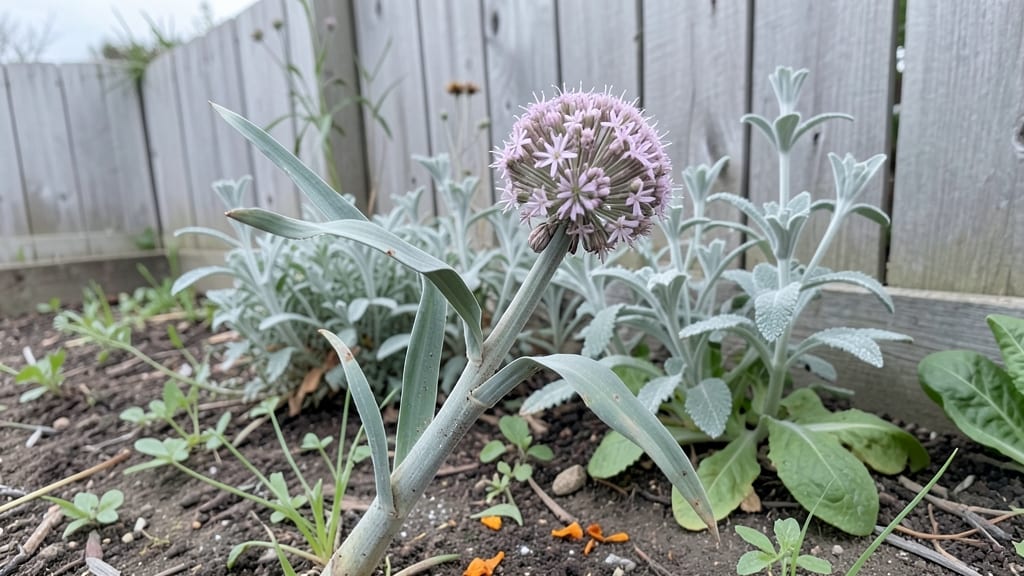
Combining umbrellas and flowers creates a Pacific Northwest pollinator haven that blooms year-round. 🌿 I fell in love with this idea after watching bees buzz happily between my shade-loving heuchera and the dappled sunlight filtering through a vintage patio umbrella.
The trick is pairing the right flowers with the right shade levels—some need bright dappled light, others thrive in deeper shade.
Start with a sturdy umbrella (fabric or metal) as your centerpiece, then choose flowers that complement its color. Shade-tolerant blooms like impatiens, ferns, and astilbes pair beautifully with soft pastels or bold jewel tones.
Add a weather-resistant cushion or a small bistro set to create a cozy nook where you can enjoy the garden's ambiance while supporting local pollinators.
You’ll end up with a space that’s both functional and stunning—think vibrant blooms, happy bees, and a relaxing spot to unwind. The umbrella provides shade for delicate plants while adding architectural interest, and the flowers bring life, color, and movement to your patio or balcony corner.
This design works for any outdoor space, from tiny balconies to sprawling gardens. Whether you’re creating a pollinator-friendly retreat or just adding charm to your patio, the umbrella-and-flowers combo delivers beauty and practicality in one elegant package.
📚 In This Guide
- What you need
- Instructions
- Tips and common mistakes
- Wrapping up and next steps
What you need
- ● Umbrella or trellis structure: 1-2 weather-resistant umbrellas (metal or heavy-duty fabric, 4-6 ft diameter) OR
- ● 1 trellis or pergola frame (6-8 ft tall, sturdy enough for climbing plants).
- ● Soil & amendments: 50 lbs high-quality garden soil (or 10+ cubic feet of compost for in-ground planting).
- ● 1 bag slow-release fertilizer (balanced 10-10-10 or organic option like fish emulsion).
- ● Pollinator-friendly plants: Perennials (year-round color): 3-5 Heuchera (coral bells) (varied foliage colors).
- ● 3-5 Sedum (stonecrop) (drought-tolerant, late-season blooms).
- ● 2-3 Salvia (sage) (hummingbird magnet).
- ● Annuals (seasonal bursts): 5-7 Lobelia (shade-tolerant, blue/purple blooms).
- ● 3-5 Nasturtiums (edible, bright orange/yellow).
- ● Climbing plants (for umbrellas/trellises): 1-2 Clematis (vines with large flowers, needs support).
- ● 1 Honeysuckle (fragrant, attracts butterflies).
- ● Tools: 1 trowel or hand shovel (for planting).
- ● 1 pruners (sharp, for trimming).
- ● 1 watering can or hose (with adjustable nozzle).
- ● 1 measuring tape (for spacing plants).
- ● Mulch (3-5 cubic feet) to retain moisture and suppress weeds.
- ● Decorative rocks or pebbles for a polished look.
- ● Solar-powered lights (for evening ambiance).
- ● Pollinator-friendly seed packets (e.g., borage, bee balm) for future planting.
- ● Rain gauge to monitor watering needs (PNW’s wet climate is tricky!).
Step-by-Step instructions for creating a Pacific Northwest pollinator haven
Here's how to design a year-round colorful garden that thrives in our mild, rainy climate.
🌱 Step 1: Plan Your Planting Zones for Seasonal Interest
Start by dividing your space into three zones: spring bloomers (March-May), summer sun magnets (June-August), and fall/winter evergreens (September-February). I like to use a sketch pad to map out where each plant will go, noting their mature heights and spread. For our region, focus on native plants like Pacific Coast iris for spring, beebalm for summer, and heather for winter color.
Place taller plants toward the back and shorter ones in front, creating natural layers. This ensures every season has something blooming while providing shelter for pollinators. Remember, our rainy winters mean we need plants that tolerate damp soil—avoid anything that rots in soggy conditions.
🪴 Step 2: Select the Right Umbrella Plant for Structure
For that signature "umbrella" look, choose a large ornamental grass like Miscanthus sinensis or a tree-like shrub such as Cotoneaster horizontalis. These provide year-round structure and habitat. Plant it in the center of your design—this becomes your focal point that all other plants will complement. Dig a hole twice as wide as the root ball but only as deep, then backfill with native soil mixed with compost.
Water deeply right after planting, then again in three days and one week to encourage root establishment. Mulch with 3 inches of wood chips to retain moisture and suppress weeds. This plant will anchor your design and create the "umbrella" effect you're aiming for.
🌿 Step 3: Layer in Pollinator-Friendly Flowers
Around your umbrella plant, arrange flowers in three height tiers: ground covers (like creeping thyme), mid-height plants (salvia or penstemon), and taller bloomers (coneflowers or black-eyed Susans). Space them 12-18 inches apart to allow room for growth. Our pollinators love blue, purple, and yellow flowers—these colors are most visible to bees and butterflies.
Plant in early spring or fall when temperatures are mild. Water each new planting once a week for the first month, then taper to every 10-14 days once established. The key is keeping soil consistently moist but not soggy—our Pacific Northwest climate can be tricky with too much rain.
☀️ Step 4: Add Year-Round Interest with Evergreens and Berries
Fill gaps with evergreen shrubs like holly or boxwood to provide winter structure and food for birds. Add berry-producing plants such as Pacific wax myrtle or red twig dogwood—these offer late-season color and winter interest. Place these strategically where they'll catch the light, especially in winter when sunlight is scarce.
Mulch heavily around these plants with 4-6 inches of bark mulch to protect roots from temperature swings. This layer also helps retain moisture during our dry summer months. Prune lightly in late winter to shape your plants before new growth begins.
💧 Step 5: Maintain with Seasonal Care
In spring, fertilize lightly with balanced organic fertilizer and remove any winter-damaged growth. Summer care focuses on regular watering (about 1 inch per week) and deadheading spent blooms to encourage more flowers. Fall is for dividing perennials and adding fresh mulch, while winter maintenance is minimal—just occasional pruning and watching for winter burn.
Watch for aphids or spider mites—common pests in our climate—and treat with neem oil spray if needed. The goal is to create a self-sustaining ecosystem where pollinators thrive with minimal intervention from you. With this approach, your garden will become a haven year-round.
Tips & tricks for creating a Pacific Northwest pollinator haven
Designing a pollinator-friendly garden that thrives year-round takes a little planning, but these simple tips will help you create a vibrant, functional space that attracts bees, butterflies, and other beneficial insects—no matter what season it is.
Seasonal Plant Selection: In Step 1, when planning your zones, consider adding native wildflowers like lupine or yarrow to complement your existing selections. These plants are drought-tolerant and provide nectar throughout the growing season. For winter interest, include winter aconite or Hellebore, which bloom early and offer critical food sources when little else is available. Our rainy climate means these plants will naturally thrive with minimal extra watering.
Umbrella Plant Placement: When selecting your focal point in Step 2, consider its mature height and spread—especially in small spaces. For instance, Cotoneaster horizontalis grows wider than it does tall, making it ideal for narrow gardens. If you're working with limited space, opt for the Miscanthus sinensis 'Zebrinus' variety, which stays more compact while still providing that signature "umbrella" effect. Planting your umbrella plant slightly off-center can create a more dynamic and natural look.
Pollinator-Friendly Color Palette: In Step 3, focus on blue, purple, and yellow flowers—they're most attractive to pollinators. For example, blue flax and purple coneflower are both excellent choices that thrive in our Pacific Northwest climate. To extend the blooming season, stagger your planting times by 2-3 weeks. This creates a continuous "bloom wave" that keeps pollinators fed from early spring through late fall.
Soil Preparation for Rainy Climate: Before planting in Step 3, amend your soil with compost and sand to improve drainage—our region's frequent rains can lead to waterlogged soil. A mix of 50% native soil, 30% compost, and 20% sand works well for most plants. For container gardening, use a well-draining potting mix combined with perlite. This prevents root rot while still retaining enough moisture for our dry summer months.
Pro Tips for Umbrella And Flowers
- Seasonal Plant Selection: In Step 1, when planning your zones, consider adding native wildflowers like lupine or yarrow to complement your existing selections.
- Umbrella Plant Placement: When selecting your focal point in Step 2, consider its mature height and spread—especially in small spaces.
Frequently asked questions
about creating a Pacific Northwest pollinator haven with umbrella and flowers—because every gardener deserves clarity! Here are the answers to common questions:Can umbrella plants thrive in rainy Pacific Northwest climates?
Umbrella plants (like Dahlia or Hydrangea) love the PNW’s moisture—just ensure well-draining soil to prevent root rot. Mulching helps retain humidity while protecting roots. Pro tip: Choose native varieties (e.g., Pacific Ninebark) for extra resilience!
When is the best time to plant flowers for year-round color?
For continuous blooms, stagger plantings:
- Spring (March–May): Cool-season flowers (e.g., Lungwort, Bleeding Heart).
- Summer (June–July): Heat-lovers like Bee Balm or Black-Eyed Susan.
- Fall (Sept–Oct): Asters or Sedum for winter interest.
Which flowers attract the most pollinators in the PNW?
Prioritize native species like:
- Oregon Grape (early spring bees)
- Yarrow (summer butterflies)
- Vancouveria (hummingbirds!)
What if my umbrella plants look leggy or sparse?
Leggy growth often signals lack of light or overcrowding. Try:
- Thinning stems to improve airflow.
- Fertilizing with low-nitrogen feed (e.g., fish emulsion) in spring.
- Pruning deadheading spent blooms to encourage bushier growth.
Can I mix umbrella plants with flowers in containers?
Yes! Pair compact umbrella plants (e.g., Dwarf Hydrangea) with trailing flowers like Petunias or Lobelia for vertical interest. Use large pots (12"+ diameter) with drainage holes and moisture-retentive soil. Pro tip: Add a pollinator-friendly ground cover (e.g., Creeping Thyme) to fill gaps!
Wrapping up and next steps
Creating a year-round pollinator haven in the Pacific Northwest with umbrella plants and vibrant flowers is a rewarding way to support local ecosystems while adding beauty to your space.
Whether you’re a seasoned gardener or just starting, these plants offer low-maintenance resilience, striking colors, and wildlife-friendly benefits—perfect for turning your garden into a thriving oasis. 🌸
Now that you’re armed with the right tools, tips, and answers, it’s time to roll up your sleeves and bring your vision to life! Start small—plant a single umbrella plant or a cluster of native blooms—and watch as your garden transforms into a buzzing, blooming paradise. Happy planting! 🌿