
Orchid Care
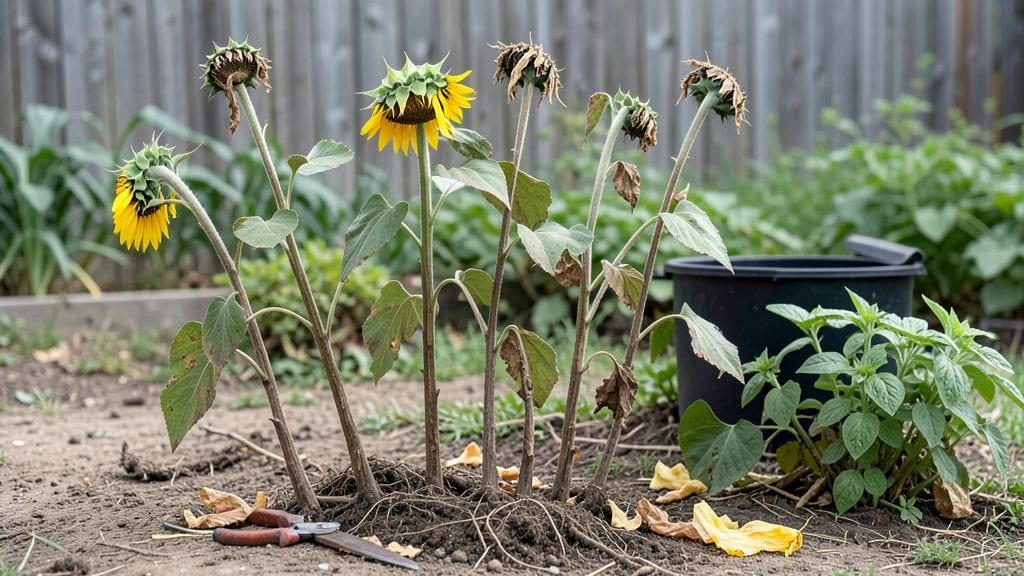
After sunflowers fade, the real magic happens—what to do with dead sunflower stalks before they take over your garden, and here’s how I’ve turned them into unexpected treasures. 🌻 bird feeders, compost gold, or even unexpected decor.
The key is deciding whether to upcycle, recycle, or compost based on what your garden needs most.
First, cut the stalks at the base with clean shears to prevent disease spread. If you’re composting, chop them into smaller pieces for faster breakdown—this adds nitrogen-rich material that feeds your soil. For creative projects, leave the stalks whole and dry them in a sunny spot for a few weeks.
The options are endless: bird feeders, rustic centerpieces, or even vertical garden trellises for next year’s climbers.
You’ll end up with a garden that stays tidy and productive. The dried stalks make fantastic winter bird feeders—just stuff them with seeds and hang them up. Or bundle a few together for a boho-chic vase that lasts through the holidays.
Either way, you’re turning "waste" into something useful (or beautiful) without a single trip to the landfill.
Fair warning: if your sunflowers showed signs of disease, skip the compost pile and toss them in the trash instead. Otherwise, these stalks are your secret weapon for a more sustainable garden. Let’s get creative with what you’ve got!
📚 In This Guide
- What you need
- Instructions
- Tips and common mistakes
- Wrapping up and next steps
What you need
- ● Dead sunflower stalks: 3–10 stalks (depending on desired arrangement size). Choose stalks with intact stems (at least 12–18 inches long) and minimal seed heads for cleaner looks.
- ● Floral shears or sharp scissors: 1 pair (to trim stems cleanly at a 45° angle). Pro tip: 💡 Disinfect blades with rubbing alcohol to prevent bacterial buits.
- ● Vase or container: 1 (any shape/size). For bouquets, a shallow vase works; for vertical displays, a narrow vase or mason jar is ideal.
- ● Water: Enough to fill the vase halfway (add floral preservative if available).
- ○ Floral preservative (optional but recommended):strong> 1 packet (extends vase life by 3–5 days). Look for products with sugar and acidifiers.
- ● Dried flowers or greenery: 1–2 stems (e.g., eucalyptus, dried lavender, or baby’s breath) for texture and color contrast.
- ● Hot glue gun or floral tape: 1 (to secure stems in place if creating a dried arrangement or wreath).
- ● Wire or fishing line: 1 roll (for structural support in hanging displays).
- ● Paint or chalk: 1 small bottle (to add artistic touches like stripes or patterns to stalks).
- ● Peat moss or dried flowers: Small handful (for filling gaps in wreaths or dried arrangements).
Creative ways to transform dead sunflower stalks into beautiful decor
Here’s how to turn those towering, dried stalks into eye-catching centerpieces and garden accents.
🌿 Step 1: Harvest and Dry the Stalks Properly
Cut the dead sunflower stalks at the base with clean pruners or shears, leaving about 6 inches of stem. Bundle 3-4 stalks together (secured with twine or rubber bands) and hang them upside down in a dry, well-ventilated spot. This preserves their shape while letting the moisture evaporate naturally over 2-4 weeks.
If you’re short on space, lay the stalks flat on a mesh screen or cardboard in a dry area. Avoid direct sunlight, which can cause them to yellow or crack prematurely. Once fully dry, they’ll feel light and crisp to the touch—like brittle straw.
✂️ Step 2: Clean and Prepare the Stalks for Arrangements
Remove any remaining leaves or seed heads that aren’t fully dried. Use a small brush or cloth to gently dust off debris, but avoid scrubbing—this can weaken the stems. If the stalks have stubborn dirt, dip them in a bucket of lukewarm water for 10 minutes, then let them air-dry again.
Trim the stems to your desired length, leaving at least 4 inches for stability in arrangements. For bouquets, cut at a 45-degree angle near the base to improve water absorption if you plan to use floral preservative later. If you’re crafting dried arrangements, leave the cuts straight for cleaner lines.
🎨 Step 3: Create Dried Floral Arrangements
Fill a clear glass vase or container with 1-2 inches of water and add 2 tablespoons of floral preservative (or a pinch of bleach to prevent bacteria). Arrange 3-5 stalks in the vase, trimming the bottoms again if needed for a fresh cut. Space them evenly so the seed heads fan out naturally.
For a rustic look, skip the water and tie the stalks together with twine or raffia, then hang them as a wall hanging or bundle. You can also glue dried sunflower seed heads onto canvas or wood slices for framed art. The key is to let the stalks’ organic shapes shine—no need for perfect symmetry.
🪴 Step 4: Use Stalks for Garden Decor and Crafts
Plant dried sunflower stalks directly into the soil in your garden as winter interest—they’ll stand tall against snow and provide structure when other plants fade. Group 5-6 stalks in a cluster for a striking focal point. Alternatively, tuck single stalks into potted arrangements with eucalyptus or dried grasses for a whimsical touch.
For crafts, hollow out the stalks and fill them with fairy lights, ribbon, or small trinkets to create lanterns or decorative vases. You can also flatten the stalks between heavy books for 3-5 days to create dried sunflower "paper" for greeting cards or collages. The possibilities are endless!
⏰ Step 5: Store for Future Use
If you have extra stalks, store them in a cool, dry place (like a closet or garage) wrapped in burlap or paper bags to prevent moisture buildup. They’ll keep for 1-2 years and can be reused in arrangements anytime. Label them by year if you’re saving multiple batches—next winter’s decor will thank you!
Here’s the thing—dried sunflowers add texture and warmth to any space. Whether you’re a crafting enthusiast or just love repurposing garden elements, these stalks are a free, stunning resource. Don’t toss them—transform them!
Tips & tricks for perfect sunflower stalks upcycling
Real talk: those dead sunflower stalks can become your most versatile decor resource with just a few smart tricks. Here's how to maximize their potential without the usual pitfalls.
Drying Strategy: In Step 1, I learned the hard way that patience pays off. Those 2-4 weeks of drying are non-negotiable—rushing leads to brittle, cracked stalks that won't hold their shape. If you're in a hurry, try using a fan on low setting to speed up evaporation while maintaining that crisp texture. Just avoid direct heat sources that can cause premature cracking.
Cleaning Hack: For stubborn dirt in Step 2, I found that adding a drop of mild dish soap to the lukewarm water during the 10-minute soak works wonders. The soap helps lift grime without damaging the delicate stalks. After rinsing, pat them completely dry with a clean towel—any moisture left behind can cause mold during storage.
Arrangement Pro Tip: When creating your dried floral arrangements in Step 3, I recommend starting with the tallest stalks in the center and working outward. This creates natural height variation that's more visually appealing than uniform lengths. For extra stability, you can secure the base with a dab of hot glue before placing them in your vase.
Storage Wisdom: In Step 5, I discovered that adding a small silica gel packet to each storage bag helps absorb any lingering moisture. These packets are reusable and available at craft stores. Labeling with the year isn't just for organization—it helps you track how long each batch has been stored, ensuring you use the oldest stalks first.
Pro Tips for What To Do With Dead Sunflower Stalks
- Real talk: those dead sunflower stalks can become your most versatile decor resource with just a few smart tricks.
- Drying Strategy: In Step 1, I learned the hard way that patience pays off.
- Cleaning Hack: For stubborn dirt in Step 2, I found that adding a drop of mild dish soap to the lukewarm water during the 10-minute soak works wonders.
Frequently asked questions
about repurposing dead sunflower stalks—because even after blooming, these giants have more to offer!Can I reuse sunflower stalks if they’re moldy or rotting?
If your stalks are soft, slimy, or covered in mold, it’s best to toss them. Mold can spread to other plants or materials, and rotting stems may harbor pests. Always inspect stalks before upcycling—when in doubt, compost them instead!
How long can I keep dried sunflower stalks before they degrade?
Dried sunflower stalks can last months to years if stored properly in a cool, dry place (like a closet or garage). Bundle them with twine, hang upside-down, and avoid humidity. For long-term use, seal them in airtight containers with silica gel packets.
What’s the easiest way to clean dried sunflower stalks for crafts?
Use a damp cloth or soft brush to gently remove dust or debris. For stubborn grime, soak stalks in a 1:10 vinegar-to-water solution for 10 minutes, then rinse. Avoid soaking—excess moisture can cause cracking or mold. Let them air-dry completely before crafting!
Are there alternatives to sunflowers for floral arrangements?
Try eucalyptus, dried wheat stalks, or lavender sprigs for texture. Even corn stalks or bamboo work well. Mix materials for depth—sunflowers add height, while finer stems fill gaps. Experiment with local foraged greenery too!
Will dead sunflower stalks attract pests like rodents or insects?
If left outdoors, stalks can attract pests, especially if they’re still moist or decaying. To prevent this, dry them thoroughly and store them indoors. Avoid leaving cut stalks in damp areas, and check for holes or nests before repurposing—better safe than sorry!
Wrapping up and next steps
Dead sunflower stalks don’t have to mark the end of their beauty—they’re just waiting for a creative second life! 🌻 Whether you’re crafting rustic centerpieces, nourishing your garden, or adding texture to art projects, these stalks offer endless possibilities.
With a little imagination, you can turn what seems like waste into something stunning and sustainable.
Ready to give them a new purpose? Grab your supplies, pick a project, and get crafting! Your garden—and your home—will thank you for it. 🌟