
Blooming
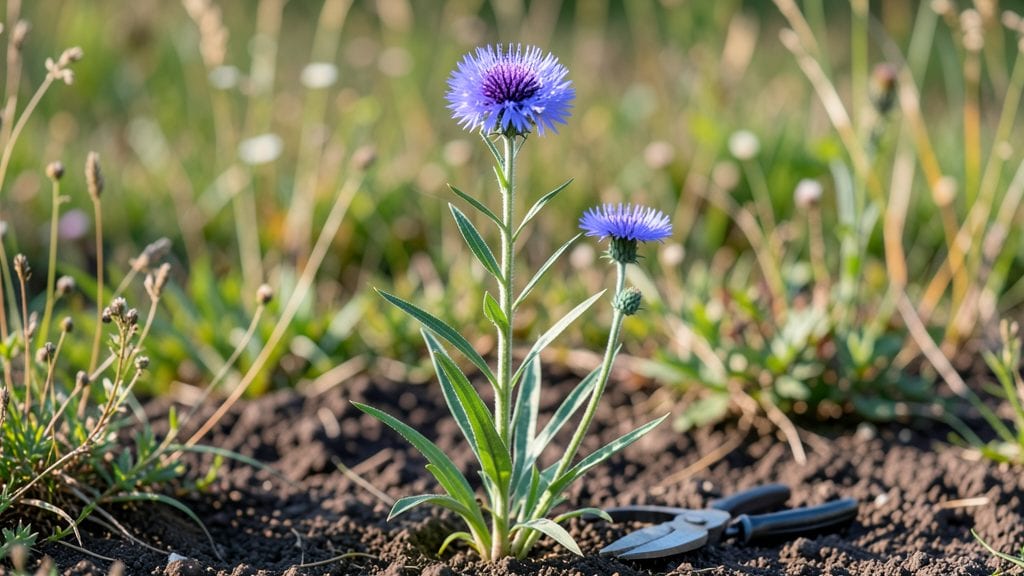
Cornflowers burst into bloom when summer arrives in full force—typically between mid-June and August in most temperate climates, including the Pacific Northwest. 🌸 I remember the first time I spotted their sky-blue petals popping up in my garden after a long, rainy spring; it felt like nature’s way of announcing summer had finally arrived.
These annuals thrive in sunny spots and don’t fuss over soil quality, making them perfect for beginners or busy gardeners.
Their blooming window can shift slightly depending on where you live. In cooler, wetter regions like the PNW, they often start a little later, around late June, while Mediterranean climates might see them as early as May.
The key to encouraging long-lasting blooms? Deadheading spent flowers keeps them coming back, and they’ll reward you with vibrant color until frost hits.
You’ll love how cornflowers attract bees, butterflies, and other pollinators—turning your garden into a buzzing summer hotspot. Pair them with lavender, marigolds, or cosmos for a pollinator paradise that blooms all season long.
Their self-seeding habit means you’ll likely have volunteers popping up next year, too, so they’re a low-maintenance way to add color and life.
Perfect for cottage gardens, wildflower meadows, or even container plantings, cornflowers bring effortless charm. Whether you’re planting them in borders or letting them naturalize, their cheerful blooms will make your summer garden shine. Ready to add a splash of blue to your summer? Let’s get growing!
📚 In This Guide
- What you need
- Instructions
- Tips and common mistakes
- Wrapping up and next steps
What you need
- ● Cornflower seeds – Choose Centaurea cyanus varieties (e.g., 'Black Ball' or 'Blue Boy'). Start with 10-20 seeds for small patches or 50+ seeds for full borders.
- ● Well-draining potting mix – 5-10 gallons (sterilized to prevent disease). For in-ground planting, amend soil with 2-3 inches of compost.
- ○ Organic fertilizer (optional but recommended) – A balanced 10-10-10 or 5-10-10 blend (follow package rates for application).
- ● Mulch – 1-2 inches of straw or wood chips to retain moisture and suppress weeds.
- ● Garden trowel or hand shovel – For digging small holes (½ inch deep for seeds, 1 inch deep for transplants).
- ● Watering can or hose with a gentle spray nozzle – Keep soil consistently moist (not soggy) during germination.
- ● Garden gloves – Protect your hands from prickly stems and thistly foliage.
- ● Pruners or scissors – For deadheading spent blooms to encourage continuous flowering.
- ○ Stakes or trellis (optional) – Tall varieties (like 'Blue Bouquet') may need support if grown in windy PNW areas.
- ● Sunlight – Full sun (6+ hours/day). Cornflowers thrive in the PNW’s bright summer light but tolerate partial shade.
- ● Soil pH – Aim for 6.0-7.5 (slightly acidic to neutral). Test your soil with a pH kit if unsure.
- ● Timing – Plant seeds 4-6 weeks before your last frost (typically March-April in the PNW) or transplant seedlings in May.
- ● Watering schedule – Water daily after planting until seeds sprout, then every 2-3 days once established.
When cornflowers bloom: timing and care for Pacific Northwest gardens
Here’s how to predict—and encourage—stunning cornflower blooms in your PNW garden.
🌱 Step 1: Plant at the Right Time for Summer Blooms
Cornflowers thrive in the Pacific Northwest’s cool summers, but timing matters. Sow seeds directly in the garden 4-6 weeks before your last frost date—typically mid-April for most of the region. This ensures they establish roots before the heat of July and August, when they’ll burst into color.
Choose a sunny spot with 6+ hours of direct sunlight daily—cornflowers need full sun to trigger blooming. If your garden is shady, opt for shorter varieties like 'Little Goblin' (12-18 inches) instead of towering 'Black Ball' (36+ inches). Plant seeds ½ inch deep and 12-18 inches apart for optimal air circulation.
☀️ Step 2: Monitor Soil and Water for Peak Blooming
Cornflowers are drought-tolerant once established, but consistent moisture during germination (the first 2-3 weeks) is critical. Water deeply once a week until seedlings show first true leaves—about 4-6 weeks after planting. After that, let the soil dry slightly between waterings to prevent leggy stems.
Amend heavy PNW clay soil with 1-2 inches of compost before planting. Cornflowers prefer slightly alkaline soil (pH 6.5-7.5), so test your soil and adjust with lime if needed. Overly acidic soil delays blooming and weakens stems.
⏰ Step 3: Prune Strategically to Extend the Bloom Season
Deadhead spent blooms every 2-3 weeks starting in late June to encourage continuous flowering through September or October in the PNW’s mild climate. Use clean, sharp scissors to snip stems just above the next set of leaves—this redirects energy to new buds instead of seed production.
Watch for tall, floppy stems by mid-summer. If plants lean too much, stake them with 3-foot bamboo stakes or weave them into a flower-filled obelisk for vertical support. This keeps blooms upright for cutting or admiring.
🌿 Step 4: Prepare for Next Year’s Blooms
Cornflowers are annuals, so save seeds from your best blooms for next season. Let 10-20 stems mature fully—wait until seed heads turn brown and brittle before harvesting. Store seeds in a cool, dry place until spring planting.
In fall, cut back spent stems to 2 inches tall and mix compost into the soil. This replenishes nutrients and improves drainage for next year’s planting. Mark the spot to avoid overcrowding—cornflowers self-seed readily but thrive best with 12-18 inches of space.
Tips & tricks for perfect cornflower blooms in the Pacific Northwest
Timing and care are everything when it comes to coaxing those vibrant cornflower blooms from your PNW garden. Here's what I've learned after years of growing them successfully in our region's unique climate.
Timing is Everything: The 4-6 week window before your last frost date is critical—this ensures cornflowers establish strong roots before the PNW's summer heat arrives. I always check my local frost date calendar and mark the planting window in my gardening journal. For most of the Pacific Northwest, mid-April is your target, but verify for your specific microclimate. Remember, cornflowers need that root establishment period to handle our cool summers.
Sunlight Strategy: Cornflowers absolutely need that full sun exposure—at least 6 hours daily. Here's a pro tip: if your garden has partial shade, choose the shorter 'Little Goblin' variety (12-18 inches) instead of the towering 'Black Ball' (36+ inches). The shorter varieties can handle slightly less sun while still producing beautiful blooms. I've found that even 5 hours of direct sunlight can work for these shorter varieties in shady spots.
Watering Wisdom: Those first 2-3 weeks are make-or-break for germination. I use a simple trick to ensure consistent moisture: I place a small rock in the bottom of my watering can before filling it. This creates gentle pressure when watering, preventing soil disturbance around delicate seedlings. After the first true leaves appear (around 4-6 weeks), I let the soil dry slightly between waterings to prevent leggy stems—a common issue in our damp PNW climate.
Soil Secrets: Our region's heavy clay soil can be a challenge. The 1-2 inches of compost recommendation is spot-on, but I've found that adding a handful of perlite to the planting hole helps with drainage. Cornflowers prefer that slightly alkaline soil (pH 6.5-7.5), so if your soil tests acidic, don't be afraid to add some lime. I've seen dramatic improvements in bloom quantity when I've adjusted the pH properly.
Pro Tips for When Do Cornflowers Bloom
- Timing and care are everything when it comes to coaxing those vibrant cornflower blooms from your PNW garden.
- Timing is Everything: The 4-6 week window before your last frost date is critical—this ensures cornflowers establish strong roots before the PNW's summer heat arrives.
- Sunlight Strategy: Cornflowers absolutely need that full sun exposure—at least 6 hours daily.
Frequently asked questions
Got questions about cornflowers and their bloom time in the Pacific Northwest? You’re not alone! Here are some of the most common queries—and their answers—to help you plan your garden or wildflower adventures with confidence.
When do cornflowers (Centaurium) typically bloom in the PNW?
Cornflowers usually bloom from mid-summer to early fall, typically between July and September in the Pacific Northwest. Their vibrant blue blooms thrive in the region’s warm, dry summers, making them a late-season star in meadows and gardens.
Will cornflowers bloom in cooler PNW summers?
Yes! While they prefer warmth, cornflowers are hardy annuals that can still bloom in cooler PNW summers if planted after the last frost (around May). They may take a little longer to flower but will still shine in late summer if given full sun and well-drained soil.
Can I extend the bloom time of cornflowers in my garden?
To prolong blooming, deadhead spent flowers regularly and keep the soil moist but not waterlogged. Planting in well-draining, sandy soil also helps prevent rot and encourages a longer season. Succession planting (adding new seeds every 2–3 weeks) can keep your garden in blue bloom all summer long!
What should I do if my cornflowers aren’t blooming?
If your cornflowers are tall but not flowering, they might be overcrowded or nutrient-deficient. Thin seedlings to 6–12 inches apart and fertilize lightly with a low-nitrogen, high-phosphorus mix to encourage blooms. Also, ensure they get at least 6–8 hours of sunlight daily—shady spots can delay or prevent flowering.
Are there PNW-friendly alternatives to cornflowers?
If cornflowers aren’t your style, try these PNW-loving late-summer bloomers:
- Lupines (June–August)
- Blanket flowers (Gaillardia) (July–October)
- Russian sage (July–September)
- Yarrow (June–September)
Wrapping up and next steps
Cornflowers bring a burst of vibrant blue magic to the Pacific Northwest’s summer landscapes, typically gracing gardens and wildfields from late June through August.
Whether you’re a gardener eager to cultivate them or simply admiring their natural beauty, their timing is a reminder of summer’s fleeting yet radiant charm. 🌸
Ready to welcome these cheerful blooms into your space? Start by choosing the right variety, preparing your soil, and planting at the ideal time. With a little care, you’ll have your own cornflower oasis to enjoy—and maybe even inspire others to do the same!