
Flowers
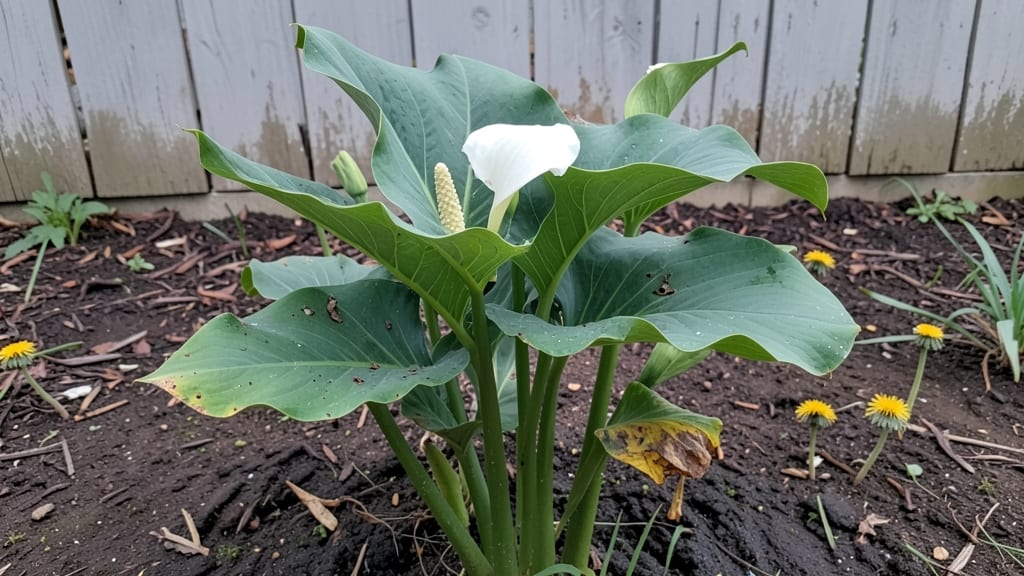
The white calla flower’s dramatic presence transforms my garden into a lush tropical retreat—even when winter’s bite sharpens the air. These striking blooms thrive in containers or garden beds, and I’ve learned their secret: patience and the right conditions.
The first time I saw their waxy white trumpets emerge from dark green leaves, I knew they’d become my signature plant.
White callas need bright, indirect light—think morning sun or dappled shade—and soil that stays moist but never soggy. In cooler climates, they’ll go dormant in winter, but with a little care, they’ll bounce back stronger than ever.
The rhizomes (those thick, knobby roots) are the key to propagation, and dividing them every few years keeps your plants vigorous.
By summer, you’ll be rewarded with bold, architectural blooms that last for weeks. The leaves add drama too, their deep green contrasting beautifully with the pure white flowers. Even in small spaces, a single pot of callas makes a statement—no crowded borders needed.
Now, here’s where it gets interesting: these plants are foolproof once you understand their rhythm. They’ll tell you when they’re happy (new growth, perky leaves) or unhappy (yellowing, limp foliage). Let’s troubleshoot those issues and keep your callas thriving all season long.
📚 In This Guide
- What you need
- Instructions
- Tips and common mistakes
- Wrapping up and next steps
What you need
- ● White calla lily rhizomes: 3–5 healthy, firm rhizomes (ensure they’re disease-free and have visible growth points).
- ● Well-draining potting mix: 1–2 bags (for containers) or amend garden soil with perlite/sand (for outdoor planting).
- ○ Containers (optional but recommended for cooler climates): Wide, shallow pots (12–16 inches in diameter) with drainage holes.
- ● 1–2 pots per rhizome (if grouping).
- ● Organic fertilizer: Balanced 10-10-10 or slow-release granular fertilizer (follow package instructions).
- ● Mulch: Straw or shredded bark (to retain moisture and regulate soil temperature).
- ● Gloves: Heavy-duty gardening gloves (calla rhizomes can be sharp!).
- ● Trowel or small shovel: For planting and soil amendments.
- ● Watering can or hose with gentle spray nozzle: Callas prefer moisture but hate soggy roots!
- ○ Spray bottle (optional): For misting leaves in dry climates.
- ● Sunlight access: Bright, indirect light (6+ hours daily) or a grow light for indoor setups.
- ● Patience! 😉 Callas thrive in consistency—they may take 3–6 months to bloom.
- ● 🌡️ Soil temperature: Keep soil above 60°F (15°C) for optimal growth.
- ● ✨ Watering hack: Water at the base (avoid wetting leaves to prevent rot).
- ● 🎯 Overwintering: In cold climates, dig up rhizomes after frost and store in dry peat moss.
Step-by-Step guide to growing white calla flowers
Here's how to coax these dramatic blooms from dormancy into stunning displays—even in cooler climates.
Select and Prepare Healthy Calla Rhizomes
Choose firm, plump rhizomes with visible growth points or "eyes." Avoid any that feel soft or have mold. I like to soak mine in lukewarm water for 30 minutes before planting to wake them up. This jumpstarts root development and helps prevent rot when you plant them in well-draining soil.
Plant each rhizome with the eyes facing upward, about 2-3 inches deep in the soil. Space them 6-8 inches apart in containers or 12 inches apart in garden beds. The deeper you plant, the more stable the plant will be, but don't bury the eyes too deeply—this can delay flowering.
Provide Warmth and Bright Indirect Light
White callas thrive in 65-75°F temperatures during active growth. If your climate drops below 50°F at night, bring potted plants indoors or cover garden beds with frost cloth. I've found that placing them near a south-facing window or under a grow light for 12-14 hours daily keeps them happy without scorching the leaves.
Watch for signs of stress—yellowing leaves usually mean too much light, while leggy stems with sparse foliage signal insufficient light. Adjust their position gradually to avoid shocking the plants. Once you see new shoots emerging, you know they're ready for consistent care.
Water and Fertilize for Lush Growth
Keep the soil evenly moist but never soggy—callas hate wet feet. Water when the top 1-2 inches of soil feel dry, and always water at the base to avoid wetting the leaves, which can lead to fungal issues. I like to use a moisture meter to track soil conditions, especially during hot summer months.
Feed with a balanced liquid fertilizer (10-10-10) every 4-6 weeks during the growing season. Start fertilizing when you see the first signs of new growth, and stop once flowering begins. Over-fertilizing can lead to excessive foliage at the expense of blooms, so follow the package instructions carefully.
Encourage Blooming with Proper Care
White callas typically bloom in late spring to early summer, but you can influence timing by controlling light and temperature. If you want earlier blooms, provide 14 hours of light daily starting in early spring. Once buds form, reduce fertilizer to half-strength to promote flowering over leafy growth.
Deadhead spent blooms by cutting the flower stalk at the base. This redirects the plant's energy toward producing new flowers instead of seeding. I also trim any yellow or damaged leaves to keep the plant looking its best and prevent disease.
Prepare for Dormancy and Overwintering
When temperatures drop below 50°F and foliage yellows, it's time to prepare callas for dormancy. Stop watering and fertilizing, and allow the soil to dry out completely. Dig up potted rhizomes or mark garden beds to avoid disturbing them during dormancy.
Store potted rhizomes in a cool, dry place (50-60°F) with minimal light until spring. If you're overwintering in the ground, mulch heavily with 3-4 inches of straw or leaves to insulate the rhizomes. In spring, you'll know they're ready to regrow when new shoots emerge—usually within 4-6 weeks of warmer temperatures.
Tips & tricks for perfect white calla flower growth
These simple strategies will help you grow stunning white calla flowers even in cooler climates—no greenhouse required!
Rhizome Selection Tip: When choosing your rhizomes in Step 1, look for ones that are firm and plump with clearly visible eyes. I've found that larger rhizomes with multiple eyes tend to produce more blooms. If you're unsure about a rhizome's quality, give it the 30-minute lukewarm water soak anyway—it won't hurt, and it might just wake up a slightly dormant one.
Light Management Secret: In Step 2, the 12-14 hours of light is crucial for healthy growth, but don't overlook the quality of that light. South-facing windows provide the best natural light, but if you're using grow lights, position them about 6-12 inches above the plants. I've noticed that callas grow taller and produce more blooms when they get bright, indirect light rather than harsh direct sunlight.
Watering Wisdom: The key to successful watering in Step 3 is consistency. I've learned that callas prefer their soil to stay evenly moist but never soggy. Using a moisture meter helps me avoid overwatering, which can lead to root rot. When the top 1-2 inches feel dry, that's your cue to water—always at the base to keep those leaves dry and prevent fungal issues.
Bloom Timing Trick: For earlier blooms as mentioned in Step 4, start increasing light to 14 hours daily in early spring. I've had success with a simple timer on my grow lights to maintain consistent light exposure. Once buds form, remember to reduce fertilizer to half-strength—this helps the plant focus its energy on producing beautiful blooms rather than excessive foliage.
Pro Tips for White Calla Flower
- These simple strategies will help you grow stunning white calla flowers even in cooler climates—no greenhouse required!
- Rhizome Selection Tip: When choosing your rhizomes in Step 1, look for ones that are firm and plump with clearly visible eyes.
- Light Management Secret: In Step 2, the 12-14 hours of light is crucial for healthy growth, but don't overlook the quality of that light.
Frequently asked questions
Got questions about growing white calla flowers? You’re not alone! Here are some of the most common concerns—plus quick, practical answers to help you cultivate these stunning blooms with confidence.
How long does it take for white calla lilies to bloom after planting?
With patience and the right care, white calla lilies typically bloom 8–12 weeks after planting rhizomes in spring. If grown from seeds (less common), expect a longer wait—1–2 years for flowers. Consistently moist soil, bright (but indirect) light, and warm temps (65–80°F) speed up the process.
Can white calla lilies survive winter in cold climates?
No—they’re tropical divas! In zones below 8, treat them as annuals or dig up rhizomes before frost, store them in dry peat moss, and replant in spring. For cooler climates, grow them in containers and move them indoors when temps drop below 50°F. A greenhouse or sunroom works like a charm!
Why are my white calla flowers wilting or turning yellow?
Wilting often signals overwatering or poor drainage (callas hate soggy roots!). Yellow leaves? Check for nutrient deficiencies (feed with balanced fertilizer every 4–6 weeks) or pests like aphids. Brown tips? It’s likely fluoride buildup from tap water—switch to rainwater or distilled H₂O.
What are some low-maintenance alternatives to white calla lilies?
If callas feel too fussy, try these elegant, easy-care swaps:
- Spider lilies (Hymenocallis): Thrives in shade, drought-tolerant, and blooms year-round in warm zones.
- Anthuriums: Glossy leaves, bold flowers, and happy in low light (great for indoors!).
- Canna lilies: Hardy, colorful, and love humidity—perfect for containers.
- White peace lilies (Spathiphyllum): Indoor-friendly, forgiving, and purifies air!
How can I make my white calla flowers last longer in a vase?
Extend their vase life with these pro tips:
- Trim stems at a 45° angle and recut underwater daily.
- Change the water every 2–3 days (add a drop of bleach to prevent bacteria).
- Keep them in a cool spot (60–65°F) away from direct sunlight or heat sources.
- Remove lower leaves submerged in water to avoid rot.
With this care, your callas can stay fresh for 1–2 weeks—longer than most cut flowers!
Wrapping up and next steps
Growing white calla flowers in cooler climates is absolutely achievable with the right care and patience—you’ve got this! 🌸 Whether you’re a seasoned gardener or a beginner, these stunning blooms reward your efforts with their ethereal beauty.
Now that you’re armed with the perfect materials and answers to common questions, it’s time to roll up your sleeves and create your own slice of tropical elegance.
Start by choosing a spot with partial shade and well-draining soil, then plant your tubers in early spring. Keep an eye on moisture levels, and soon, you’ll be admiring those show-stopping white blooms that feel like a vacation in your own backyard. Happy gardening!