
Planting
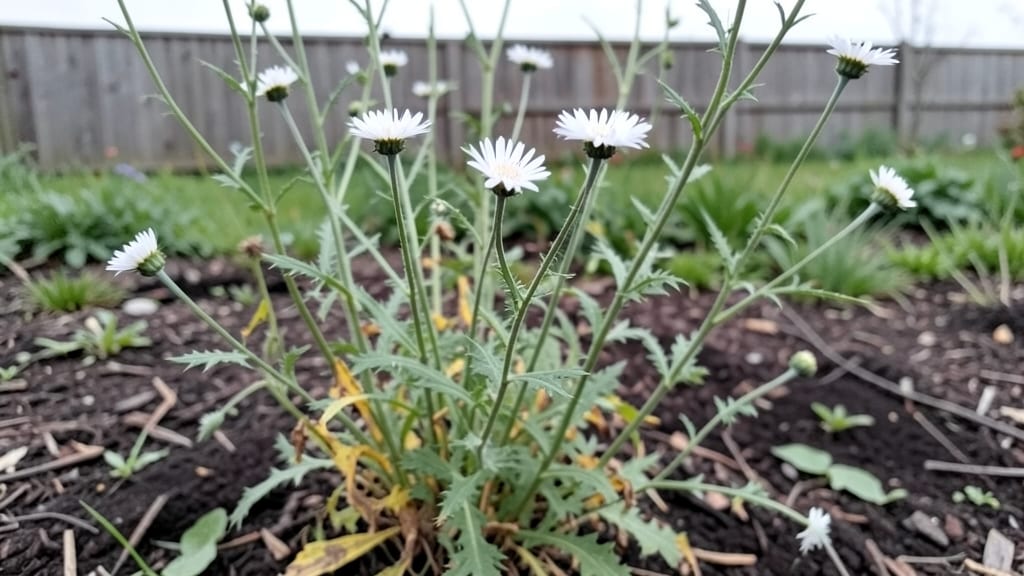
That resilient white cornflower plant thrives in the Pacific Northwest’s winters, delivering year-round blooms that outshine their blue cousins—delicate, airy petals pollinators adore and cut flower arrangements crave. 🌿 I fell for them after my first batch self-seeded through winter, proving they’re tougher. than they look.
Their silvery foliage and pure white blooms create a dreamy contrast against rain-soaked greens, and they attract bees when other flowers have long since faded.
These plants thrive in partial shade to full sun, making them perfect for Pacific Northwest gardens where direct sunlight can be inconsistent. They’re happy in average garden soil but reward you with more blooms if you mix in compost—no fancy amendments needed.
Start seeds indoors 6-8 weeks before your last frost or sow directly in spring; they germinate reliably even in cool soil, another win for our climate.
Once established, white cornflowers need minimal watering—just enough to keep the soil from drying out completely. Deadhead spent blooms to encourage more flowers, and watch as they self-seed generously, creating natural drifts that multiply each year. Their drought tolerance makes them ideal for low-maintenance borders or wildflower meadows.
The real magic happens when you cut them for arrangements—their long stems hold up beautifully in vases, and their white blooms pair stunningly with deep purple salvias or blush-colored roses. For best results, plant them in clusters of 5-7 for a full, romantic look.
They’re the unsung hero of Pacific Northwest gardens, and once you grow them, you’ll never want to go back to blue.
📚 In This Guide
- What you need
- Instructions
- Tips and common mistakes
- Wrapping up and next steps
What you need
- ● White cornflower seeds: 1 packet (typically 500–1,000 seeds) or enough to cover your desired planting area. Opt for organic, non-GMO seeds for best results.
- ● Well-draining potting mix or garden soil: 5–10 gallons, amended with compost (1 part compost to 3 parts soil) for nutrient-rich growth.
- ● Containers or garden bed: Containers: 6–12-inch pots (3–5 plants per container) with drainage holes.
- ● Garden bed: A sunny spot (6+ hours of light daily) with loose, fertile soil.
- ● Watering can or hose with a gentle spray nozzle: For consistent moisture without over-saturating.
- ○ Plant labels (optional but helpful): To track varieties if mixing with other flowers.
- ● Hand trowel or small garden fork: For digging and transplanting seedlings.
- ○ Gloves (optional): To protect hands from soil and prickly stems.
- ● Mulch (straw or shredded leaves): 1–2 inches to retain moisture and suppress weeds.
- ○ Fertilizer (optional): Balanced liquid fertilizer (10-10-10): Diluted to half-strength for feeding seedlings.
- ● Slow-release granules: Sprinkle lightly at planting time for long-term nutrition.
- ○ Pruners (optional): For deadheading spent blooms to encourage more flowers.
- ● Pacific Northwest climate prep: Check last frost date (typically late April–early May) for outdoor planting.
- ● Have a greenhouse or indoor grow light ready if starting seeds early (4–6 weeks before last frost).
Step-by-Step instructions for growing white cornflowers in the Pacific Northwest
Here's how I get these cheerful blooms thriving in our rainy climate.
🌱 Step 1: Choose the Right Location and Prepare the Soil
White cornflowers love full sun but adapt beautifully to partial shade in the PNW's cooler summers. Pick a spot that gets at least 4-6 hours of sunlight daily, even if it's not the sunniest part of your yard. I always test the soil first—cornflowers prefer well-draining soil with a pH between 6.0 and 7.5.
Before planting, loosen the top 6-8 inches of soil with a garden fork to improve drainage. Mix in 1-2 inches of compost to enrich the soil naturally. If your soil is heavy clay (common in the PNW), add 1 part perlite or coarse sand to 3 parts soil to create a lighter, more breathable medium. This helps prevent root rot, which can be a problem in our wet winters.
🌱 Step 2: Plant Seeds at the Right Depth and Spacing
Sow seeds directly in the garden after the last frost date, typically in early spring or late summer for fall blooms. Plant seeds ¼ inch deep—they're tiny, so I use a seedling tray with fine cells to handle them carefully. Space seeds 12-18 inches apart in rows that are 18 inches apart to give plants room to grow and prevent overcrowding.
Water the soil gently before planting to help settle the seeds into place. I like to sprinkle a light layer of mulch (½ inch) over the seeds after planting to retain moisture and keep the soil cool. This is especially important in the PNW, where spring rains can wash seeds away or cause them to rot if the soil stays too wet.
☀️ Step 3: Provide Consistent Watering and Light
Cornflowers are drought-tolerant once established, but they need consistent moisture during their first growing season. Water 1-2 times per week, giving each plant about 1 inch of water. You'll know you're doing it right when the top 1-2 inches of soil feel moist but not soggy. Overwatering is a common mistake—too much moisture can lead to fungal diseases like powdery mildew, which loves the damp PNW climate.
Keep plants in full sun for the best blooms, but they'll tolerate partial shade if you're in a particularly shady spot. If you notice the stems stretching or the leaves turning pale, it's a sign they need more light. In the PNW, where sunlight can be limited, I often supplement with a small grow light during cloudy stretches to encourage strong, healthy growth.
✂️ Step 4: Deadhead and Maintain for Continuous Blooms
To keep your white cornflowers blooming all season, deadhead spent flowers by snipping off the faded blooms just above a set of leaves. This encourages the plant to produce more flowers instead of focusing on seed production. I do this every 2-3 weeks during the blooming season, which typically runs from early summer to fall.
Cornflowers are generally low-maintenance, but I do fertilize lightly once a month during the growing season with a balanced 10-10-10 fertilizer to keep them thriving. In the PNW, where soil nutrients can be depleted by rain, this extra boost helps ensure vibrant blooms. Avoid over-fertilizing—too much nitrogen can lead to lush foliage but fewer flowers.
⏰ Step 5: Prepare for Winter and Encourage Year-Round Growth
White cornflowers are perennial in USDA zones 3-9, which includes most of the Pacific Northwest. In fall, cut back the stems to 2-3 inches above the ground and add a 2-3 inch layer of mulch to protect the roots from freezing temperatures. This helps the plant survive our cold, wet winters and come back stronger in spring.
In early spring, remove the mulch and trim back any dead or damaged growth. Water lightly to encourage new shoots. With proper care, your cornflowers will return year after year, providing cheerful white blooms that brighten up the garden even on our drizzly PNW days. They're also great for attracting pollinators like bees and butterflies, which is a bonus for any garden!
Tips & tricks for perfect white cornflower plant growth
These PNW-tested tips will help you turn your white cornflower seeds into thriving perennials that come back year after year.
Soil Prep Secret: In Step 1, don't skip the soil test! Many PNW gardeners assume their soil is fine, but our clay-heavy soils often need the perlite/sand mix to prevent root rot. I've seen cornflowers fail in heavy clay without this adjustment—it's worth the 10 minutes to test your pH and amend accordingly. The goal is that 6-8 inch loosened soil that drains like a sponge, not a swamp.
Seed Planting Hack: When planting those tiny ¼ inch deep seeds in Step 2, I mix them with a little fine sand first. This makes it easier to see where they are and prevents them from washing away during our spring rains. A light sprinkle of mulch (½ inch) afterward keeps them cozy while they germinate.
Watering Wisdom: The 1-2 times per week watering in Step 3 needs PNW adjustment. If you're getting regular rain (which we often are!), you might only need to water once every 10-14 days. Always check that top 1-2 inches of soil—if it's damp, skip watering. Too much moisture is what causes powdery mildew in our damp climate.
Winter Prep: For Step 5's mulching, I use straw instead of leaves because it breaks down slower and provides better insulation. The 2-3 inch layer should cover the base completely—this protects those roots from our freezing winter winds. In early spring, I remove about half the mulch to prevent soggy soil as temperatures rise.
Pro Tips for White Cornflower Plant
- These PNW-tested tips will help you turn your white cornflower seeds into thriving perennials that come back year after year.
- Soil Prep Secret: In Step 1, don't skip the soil test!
- Seed Planting Hack: When planting those tiny ¼ inch deep seeds in Step 2, I mix them with a little fine sand first.
Frequently asked questions
Got questions about growing or caring for white cornflower plants? You’re not alone! Here are some of the most common queries—and their answers—to help you cultivate these Pacific Northwest-friendly blooms with ease.
How long does it take for white cornflowers to bloom after planting?
White cornflowers typically bloom 60–90 days after sowing seeds, depending on temperature and growing conditions. For faster results, start seeds indoors 4–6 weeks before the last frost. In milder PNW climates, you might see flowers as early as 8–10 weeks with proper care!
How often should I water white cornflower plants?
These drought-tolerant beauties thrive on moderate watering—about 1 inch per week, including rainfall. Water at the base to avoid wetting leaves (which can cause fungal issues). Once established, they’re quite resilient and can handle occasional dry spells, making them perfect for low-maintenance gardens.
Can white cornflowers grow in shade, or do they need full sun?
While they prefer full sun (6+ hours daily), white cornflowers can tolerate partial shade, especially in hotter PNW summers. In shadier spots, expect slightly smaller blooms or fewer flowers. If planting in shade, ensure well-draining soil to prevent root rot.
Are white cornflowers toxic to pets or wildlife?
Great news! White cornflowers are non-toxic to cats, dogs, and wildlife, making them a pet-friendly choice. They’re also pollinator magnets, attracting bees and butterflies to your garden. Just avoid pesticides to keep beneficial insects happy!
How do I encourage white cornflowers to rebloom?
To prolong blooming, deadhead spent flowers regularly (snip off faded blooms). Fertilize lightly with a balanced, low-nitrogen feed every 4–6 weeks. In the PNW’s mild climate, some varieties may self-seed, giving you new blooms the following year with minimal effort!
Do white cornflowers survive winter in the Pacific Northwest?
Yes! These hardy annuals (or short-lived perennials) can often self-seed and return in spring. For extra protection, mulch the base with straw or leaves in colder months. If frost kills them back, simply replant seeds in early spring—they’ll bounce back beautifully.
Wrapping up and next steps
The white cornflower plant is a stunning, low-maintenance addition to your Pacific Northwest garden, offering year-round charm with minimal effort. Its hardy nature, drought tolerance, and vibrant blooms make it a perfect choice for both beginners and seasoned gardeners alike.
Whether you're drawn to its delicate petals or its ability to thrive in diverse conditions, this plant promises beauty without the hassle.
Ready to bring some effortless elegance to your outdoor space? Start by gathering your supplies and following the simple steps outlined above—your garden will thank you! 🌸 For extra inspiration, browse local nurseries or online plant communities to discover complementary flowers and design ideas.