
Trees
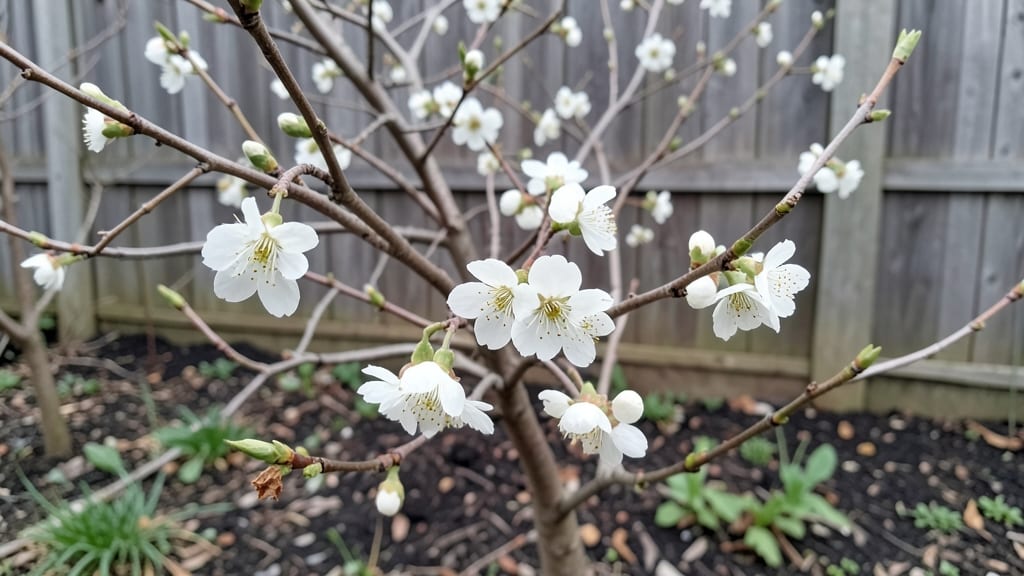
The white flowering almond tree (Prunus glandulosa 'Alba') brings delicate clouds of blossoms to Pacific Northwest gardens, thriving where many almond varieties struggle with frost. 🌸 I planted mine last spring after years of admiring neighbors' trees—now it's covered in fragrant white blooms by early April, long before spring officially arrives.
The secret isn't just its cold tolerance (down to -15°F), but how it transforms a dull winter corner into a showstopper.
This tree wants full sun and well-draining soil—think sandy loam mixed with compost. My first mistake was planting in heavy clay; now I use raised beds for better drainage, and the roots stay happy even after heavy rains.
Watering's simple: deep soaks once a week during dry spells, but never soggy soil. Pruning's the real game-changer—cut back dead branches in late winter, and you'll trigger even more blooms next season.
By summer, you'll have glossy green foliage that turns brilliant red in fall, plus those iconic almond-like fruits (though they're not edible). The scent alone makes it worth growing—imagine walking past a tree in full bloom, the air thick with that sweet, almost almondy fragrance.
Companion plants like lavender and Russian sage keep pests away while extending the show.
Even in Zone 6-8, this tree handles frost like a champ, making it perfect for PNW gardens. Just avoid planting too close to sidewalks—those branches grow wider than you'd think. With minimal care, you'll have a tree that blooms reliably for decades, turning your yard into a springtime paradise.
📚 In This Guide
- What you need
- Instructions
- Tips and common mistakes
- Wrapping up and next steps
What you need
- ● White flowering almond tree (Prunus glandulosa ‘Alba’ or similar cold-hardy variety): 1–3 trees (for cross-pollination and better blooms)
- ● Bare-root or container-grown (3–5 gallon size recommended for mature trees)
- ● Planting site: Full sun (6+ hours daily)
- ● Well-draining soil (amend with compost if heavy clay is present)
- ● Sheltered from harsh winds (Pacific Northwest’s coastal breezes can stress young trees)
- ○ Soil amendments (optional but helpful): 5–10 lbs of compost or aged manure per planting hole
- ● 1 cup bone meal (for phosphorus, encouraging root growth)
- ● Digging tools: Shovel or spade (for digging holes 2–3x wider than the root ball)
- ● Garden trowel (for delicate root adjustments)
- ● Mulch: 3–4 inches of wood chips or straw mulch (keep 6” away from the trunk)
- ● Watering supplies: Hose with nozzle or drip irrigation (for deep watering)
- ● 5-gallon watering can (for young seedlings)
- ○ Optional but handy: Pruning shears (for shaping after flowering)
- ● Tree stakes & ties (if planting in windy areas)
- ● Soil pH test kit (ideal range: 6.0–7.0)
- ● ✅ Timing: Plant in early spring (March–April) or fall (September–October) to avoid frost stress.
- ● ✅ Hardiness zone: Ensure your PNW location is USDA Zone 5–8 (most white flowering almonds thrive here!).
- ● ✅ Patience: Trees may take 3–5 years to bloom fully—enjoy the journey!
Step-by-Step guide to planting and caring for white flowering almond trees
This frost-resistant stunner thrives in the Pacific Northwest—here’s how to plant and nurture it for years of fragrant blooms.
🌱 Step 1: Choose the Right Location and Prepare the Soil
Pick a sunny spot with at least 6 hours of direct sunlight daily—white flowering almonds love warmth but tolerate light shade. In the Pacific Northwest, a south- or west-facing location works best, as it captures afternoon sun without overheating. Avoid low spots where cold air pools, since these trees handle frost but not prolonged damp chill.
Test your soil’s drainage: almonds hate soggy roots. If your soil feels heavy or holds water after 24 hours, amend it with 3-4 inches of coarse sand or gravel mixed into the top 12 inches of soil. The ideal soil is loose, well-draining, and slightly acidic to neutral (pH 6.0-7.0). A simple pH test kit from the garden center will confirm if adjustments are needed.
🪴 Step 2: Plant at the Correct Depth and Stake for Support
Dig a hole twice as wide as the root ball but no deeper—almonds prefer to sit slightly higher than surrounding soil to prevent root rot. Gently remove the tree from its container and loosen any circling roots with your fingers. Place it in the hole so the top of the root ball sits 1-2 inches above ground level—this helps with drainage and prevents water from pooling.
Fill the hole with native soil, tamping lightly every 2 inches to eliminate air pockets. Water deeply to settle the soil, then stake the tree if needed—young almonds can get top-heavy with spring blooms. Use two stakes placed 6 inches from the trunk and tie the tree loosely with soft tree ties (not wire). Mulch around the base with 2-3 inches of wood chips, keeping it 3 inches away from the trunk to prevent rot.
☀️ Step 3: Water Deeply and Establish a Consistent Schedule
Water deeply once a week for the first two months after planting, ensuring moisture reaches 12-18 inches down. You’ll know it’s enough when water drains through the hole—almonds despise soggy soil but need steady moisture to establish roots. After that, water every 10-14 days, adjusting for rain. Let the top 4-6 inches of soil dry out between waterings to prevent fungal issues.
In the Pacific Northwest’s cooler, wetter climate, avoid overhead watering once the tree is established. Instead, use a soaker hose or drip irrigation to deliver water at the base. This keeps leaves dry and reduces the risk of fungal diseases like powdery mildew, which can mar those stunning white blooms.
✂️ Step 4: Prune for Shape and Health in Late Winter
Prune your white flowering almond in late winter or early spring, just as buds swell but before new growth starts. Remove dead, crossing, or diseased branches first—cut them back to the main trunk or a healthy lateral branch. Then, shape the tree by thinning out 10-20% of the canopy to improve airflow and sunlight penetration.
Look for suckers (shoots growing from the base) and remove them immediately—they drain energy from the main tree. If a branch is too large to cut cleanly, make the cut in two stages: first, cut a notch on the underside, then remove the branch the following year. Always sterilize pruners with rubbing alcohol between cuts to prevent spreading disease.
🌿 Step 5: Fertilize and Protect for Long-Term Growth
Apply a balanced, slow-release fertilizer (10-10-10 or similar) in early spring, spreading it evenly over the root zone but avoiding the trunk. Use about ½ cup per inch of trunk diameter—for a 2-inch trunk, that’s roughly 1 cup. Water deeply after fertilizing to help nutrients penetrate the soil. Repeat in early summer if new growth slows.
Watch for aphids or spider mites, which can stress young trees. If you spot sticky residue on leaves or tiny webs, spray with neem oil or insecticidal soap in the evening to avoid harming pollinators. Mulch annually in early spring to replenish organic matter and retain moisture, keeping it 2-3 inches thick but never piling it against the trunk.
Tips & tricks for perfect white flowering almond tree care
Here's what nobody tells you about keeping your white flowering almond thriving in the Pacific Northwest climate.
Sunlight Strategy: Those 6 hours of sunlight are non-negotiable, but I've learned the hard way that morning sun is more important than afternoon. If you're planting near a large tree or building, prioritize south-facing locations where the tree gets morning rays first. The afternoon sun in PNW summers can be intense, so light afternoon shade is actually beneficial once the tree matures.
Soil Test Timing: Don't wait until you're ready to plant to test your soil! Grab that pH test kit 6-8 weeks before planting—this gives you time to amend the soil properly. I once rushed this step and ended up with a tree struggling in compacted soil. The 24-hour drainage test is your best friend here—if water doesn't drain within that time, you absolutely need to add sand or gravel.
Staking Secrets: When using those two stakes in Step 2, position them at a 45-degree angle rather than straight up. This provides better support against wind while allowing the tree to sway slightly, which actually strengthens its trunk. And here's a pro move: bury the stakes only 1/3 of their length—this prevents them from cutting into the roots as the tree grows.
Watering Watch: The 12-18 inches deep watering in Step 3 is crucial, but don't rely solely on the "water drains through" test. Use a soil moisture meter to verify—almond roots need consistent moisture at that depth. In PNW's rainy seasons, you might need to adjust your 10-14 day schedule to every 2 weeks once established, especially if you get regular rainfall.
Pro Tips for White Flowering Almond
- Here's what nobody tells you about keeping your white flowering almond thriving in the Pacific Northwest climate.
- Sunlight Strategy: Those 6 hours of sunlight are non-negotiable, but I've learned the hard way that morning sun is more important than afternoon.
- Soil Test Timing: Don't wait until you're ready to plant to test your soil!
Frequently asked questions
Got questions about growing and caring for your white flowering almond tree? Here are some common ones—and their answers—to help you thrive in the Pacific Northwest’s climate!
How cold-hardy is the white flowering almond tree?
The white flowering almond (Prunus glandulosa) typically handles temperatures down to -15°F (-26°C), making it a great choice for the PNW’s frosty winters. However, young trees may need winter protection (like mulch) until established. If you’re in Zone 5 or colder, choose a grafted variety for extra resilience!
When do white flowering almonds bloom, and how long does it last?
Blooms usually appear in early to mid-spring (March–April in the PNW), just before or with leaf emergence. The stunning white flowers last 2–3 weeks, offering a breathtaking show. For extended blooms, plant near a south-facing wall to capture extra warmth.
Can I grow a white flowering almond in a container?
Yes! They adapt well to large containers (at least 20+ gallons) if pruned regularly to control size. Use well-draining soil and place in a spot with full sun (6+ hours/day). Just know they’ll need annual repotting and may produce fewer flowers than in-ground trees.
Are white flowering almonds toxic to pets or kids?
All parts of the tree—leaves, flowers, seeds, and bark—contain cyanogenic glycosides, which can be toxic if ingested in large quantities. While not highly toxic, symptoms like vomiting or lethargy may occur. Keep pets and curious kids away from fallen seeds or chewed branches!
Why aren’t my white flowering almond flowers showing up?
Several factors could be at play:
- Age: Trees often need 3–5 years to bloom.
- Sunlight: Insufficient light (less than 6 hours/day) delays blooms.
- Pruning timing: Avoid heavy pruning in late winter—do it after flowering.
- Nutrition: A balanced fertilizer (high in phosphorus) in early spring can encourage blooms.
What’s the best companion plant for a white flowering almond?
Pair it with:
- Dwarf conifers (like Juniperus) for contrast.
- Perennials like lavender or catmint for pollinator support.
- Spring bulbs (daffodils, tulips) to extend the seasonal interest.
Wrapping up and next steps
The white flowering almond tree is a stunning, frost-resistant gem perfect for Pacific Northwest gardens, offering both beauty and practicality. With its delicate blooms, low-maintenance care, and resilience, it’s an ideal choice for adding charm to your landscape while supporting local ecosystems. 🌸
Ready to transform your outdoor space? Start by selecting the right location—sunny, well-drained soil—and plant your tree this season! Whether you’re a seasoned gardener or a beginner, this hardy tree will reward you with years of elegance and joy. Happy planting! 🌱