
Trees
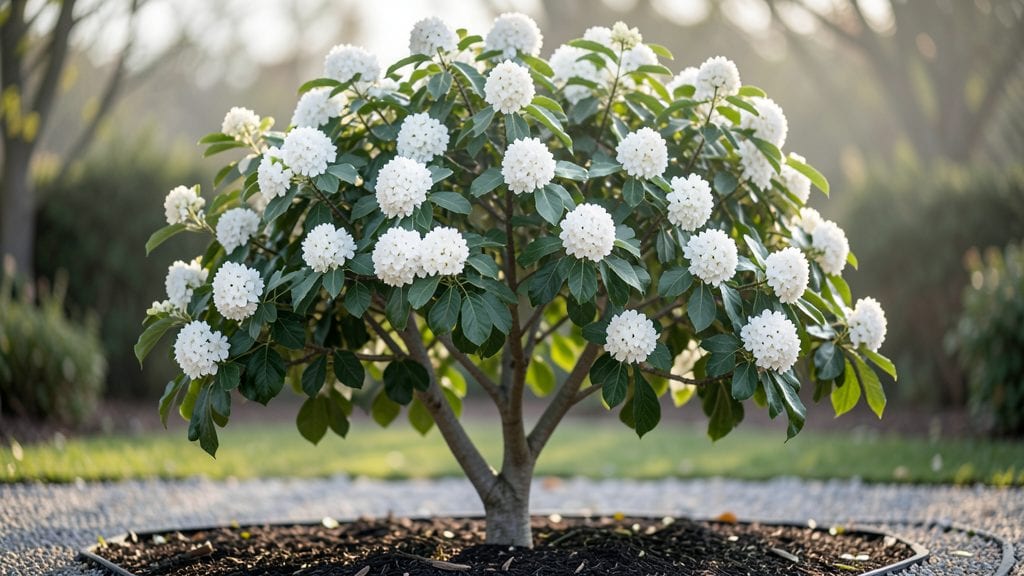
Planting a white flowering pear tree in your Pacific Northwest yard isn’t just about adding beauty—it’s about creating a frost-resistant centerpiece that blooms reliably year after year. 🌸 I’ve watched mine stand tall through winter storms while neighbors’ tender plants succumb, its branches heavy with delicate white flowers by early spring.
The secret lies in its adaptability: whether you’re a beginner or a seasoned gardener, this tree thrives with minimal fuss once you nail the basics.
The first step is choosing the right spot—full sun to partial shade and well-draining soil are non-negotiable. Amend heavy clay with compost to mimic its native conditions, and space it 20-30 feet from structures or other trees for proper airflow.
Water deeply after planting, then taper off to once a week once established, though drought tolerance improves with age. Pruning in late winter (before buds swell) keeps the shape tidy and encourages those showstopping blooms.
By summer, you’ll be rewarded with fragrant, snowdrift-like flowers that attract pollinators and create a stunning contrast against dark evergreens. The tree’s glossy foliage turns golden in fall, adding another season of interest.
With proper care, it lives for decades—imagine the memories under its shade. Ready to plant yours? Let’s get started with the foolproof steps that’ll have it thriving in no time.
For Pacific Northwest gardeners, this tree is a game-changer—it handles our wet winters and cool summers better than most ornamentals. Just watch for fire blight (a bacterial infection) and treat it early with copper spray if you spot blackened branches.
The payoff? A low-maintenance tree that turns heads from March through October. Your future self will thank you for planting it today.
📚 In This Guide
- What you need
- Instructions
- Tips and common mistakes
- Wrapping up and next steps
What you need
- ● White Flowering Pear Tree: 1 Callery pear (Pyrus calleryana) sapling or bare-root tree (ensure it’s labeled as white-flowering, like ‘Chanticleer’ or ‘Capital’)
- ● Size: 1–3 gallons (for established trees) or bare-root (for dormant planting)
- ● Planting Site: Full sun location (minimum 6–8 hours of sunlight daily)
- ● Well-draining soil (amend with compost if clay-heavy)
- ● Space: 20–30 feet apart (for mature tree spread)
- ● Tools: Shovel or digging spade
- ● Garden gloves
- ● Watering can or hose (with adjustable nozzle)
- ● Mulch (2–4 inches of wood chips or pine straw)
- ● Tree stake + ties (if planting in windy areas)
- ● Slow-release fertilizer (balanced 10-10-10 or organic options like composted manure)
- ● Soil pH test kit (ideal range: 6.0–7.0)
- ● Tree guard or protective wrap (for young trees in harsh winters)
- ● Pruning shears (for shaping or removing dead branches)
Step-by-Step guide for planting a white flowering pear tree
This Pacific Northwest favorite thrives with the right site prep and planting technique.
🌱 Step 1: Choose and Prepare the Planting Site
White flowering pear trees (Pyrus calleryana) love full sun exposure—select a location that receives at least 6-8 hours of direct sunlight daily. In the Pacific Northwest’s cooler climate, they also appreciate afternoon shade during summer’s hottest months to prevent leaf scorch. Test the soil pH with a kit; these trees prefer slightly acidic to neutral soil (pH 6.0-7.0). If your soil is too alkaline, amend with 2-3 inches of compost mixed into the top 12 inches of soil.
Dig a hole twice as wide as the tree’s root ball but only as deep as the container it came in. Loosen the sides of the hole with a shovel to encourage root spread. Avoid compacting the native soil, as this can restrict root growth. Here's the thing—if your soil drains poorly, add a 6-inch layer of gravel at the bottom of the hole to improve drainage without suffocating roots.
🪴 Step 2: Plant the Tree Correctly for Long-Term Health
Remove the tree from its container and gently loosen the roots if they’re circling the root ball. Place the tree in the hole so the top of the root ball sits 1-2 inches above ground level—this prevents water from pooling around the trunk. Backfill with the native soil you removed, tamping lightly every 3-4 inches to eliminate air pockets. Never use amended soil exclusively; mixing it with native soil helps roots acclimate.
Water deeply after planting to settle the soil and eliminate air gaps. You’ll know it’s done right when water drains evenly without pooling. Avoid fertilizing immediately; new roots are sensitive to salts, and the shock of transplanting is enough stress without extra nutrients. Instead, apply a 2-3 inch layer of mulch around the base, keeping it 3-4 inches away from the trunk to prevent rot.
☀️ Step 3: Establish Watering and Care Routines
Water deeply 2-3 times per week during the first growing season, ensuring the soil stays moist but not soggy to a depth of 12 inches. In the Pacific Northwest’s rainy climate, you’ll likely need to supplement watering during dry spells. Use a soil moisture meter to check—when the top 2 inches of soil feel dry, it’s time to water. Overwatering leads to root rot, a common issue in heavy clay soils.
Prune only to remove dead, damaged, or crossing branches in the first year. Avoid heavy pruning, as it stresses young trees. Here’s what I do: I mark branches that grow inward or rub against each other with white correction tape in late winter, then remove them during the dormant season. This encourages a strong, open canopy that lets sunlight reach all parts of the tree.
✂️ Step 4: Maintain for Frost Resistance and Blooms
White flowering pears are famously cold-hardy, but their first winter is critical. Apply a 3-4 inch layer of mulch in late fall to insulate roots from freeze-thaw cycles. Avoid heavy pruning in late winter, as new growth is vulnerable to late frosts. Instead, prune just after blooming in early spring to shape the tree and remove any winter-damaged branches.
Fertilize lightly in early spring with a balanced, slow-release fertilizer (10-10-10). Spread it evenly over the root zone, not the trunk, and water it in immediately. You’ll see new growth within 4-6 weeks—that’s your signal the tree is establishing well. Real talk: If leaves yellow in early spring, it’s often a sign of overwatering or poor drainage, not fertilizer burn.
🌿 Step 5: Monitor for Pests and Diseases
Inspect the tree weekly for signs of fire blight, a bacterial disease common in pears. Look for blackened, oozing cankers on branches or wilting leaves with dark edges. If you spot it, prune 6 inches below the affected area and sterilize your tools with rubbing alcohol. Remove infected branches immediately—don’t wait until next season.
Japanese beetles may target the tree in summer. Handpick them in the early morning when they’re sluggish, or apply neem oil as a preventive spray. Avoid chemical pesticides, as they can harm beneficial insects and disrupt the tree’s natural defenses. A healthy tree with good airflow resists pests better than one stressed by poor care.
Tips & tricks for perfect white flowering pear tree planting
Here's how to ensure your Pacific Northwest white flowering pear thrives from day one—these are the secrets I've learned after watching multiple trees take root beautifully.
Soil Preparation is Key: In Step 1, when amending your soil with 2-3 inches of compost, I recommend mixing in a handful of mycorrhizal fungi—these beneficial organisms help roots absorb nutrients more efficiently. For clay-heavy soils common in the PNW, add a 6-inch gravel layer at the bottom of the hole to prevent waterlogging while still allowing roots to spread naturally. This drainage layer is especially critical in the Pacific Northwest's wetter winters.
Root Ball Placement Matters: During Step 2, when positioning your tree, make sure the root flare—the area where roots transition to trunk—is visible above the soil line. This natural junction should sit 1-2 inches above ground level to prevent rot while allowing proper water drainage. I've seen too many trees planted too deep, which suffocates roots and leads to early decline.
Watering Wisdom: The 2-3 times per week watering schedule in Step 3 works perfectly, but here's the trick: use a soaker hose instead of overhead watering to deliver moisture directly to the root zone. This method reduces evaporation and fungal diseases. In the Pacific Northwest's rainy climate, focus watering efforts during summer dry spells, checking the top 2 inches of soil with your finger rather than relying solely on the moisture meter.
Pruning Strategy: When marking branches for removal in Step 3, use brightly colored tape (like neon green) instead of white correction tape—it's more visible against the tree's foliage. Prune during the dormant season when the tree isn't actively growing, and always make cuts at a 45-degree angle just above a bud. This encourages healthier regrowth and maintains the tree's natural shape while preventing disease entry points.
Pro Tips for White Flowering Pear Tree
- Here's how to ensure your Pacific Northwest white flowering pear thrives from day one—these are the secrets I've learned after watching multiple trees take root beautifully.
- Soil Preparation is Key: In Step 1, when amending your soil with 2-3 inches of compost, I recommend mixing in a handful of mycorrhizal fungi—these beneficial organisms help roots absorb nutrients more efficiently.
- Root Ball Placement Matters: During Step 2, when positioning your tree, make sure the root flare—the area where roots transition to trunk—is visible above the soil line.
Frequently asked questions
Got questions about your white flowering pear tree? You’re not alone!
Here are answers to the most common queries from gardeners in the Pacific Northwest and beyond—whether you're planting, pruning, or troubleshooting. Let’s dive in!
When is the best time to plant a white flowering pear tree in the PNW?
The ideal window is early spring (March–April) or fall (September–October). This gives roots time to establish before summer heat or winter frost. Avoid planting in extreme heat or cold—soil should be workable but not soggy. Pro tip: Water deeply after planting to reduce transplant shock!
How cold-hardy is this tree, and will it survive PNW winters?
White flowering pear trees (like Pyrus calleryana ‘Chanticleer’) are USDA Zone 4–8 hardy, meaning they thrive in the PNW’s chilly winters (down to -30°F/-34°C). However, young trees may need winter mulch (3–4 inches of shredded bark) to protect roots. Bonus: Their frost-resistant blooms often appear before leaves, adding early-season color!
Should I prune my tree now, or wait until after flowering?
Prune after flowering (late spring/early summer) to avoid cutting off next year’s blooms. Focus on removing dead, crossing, or weak branches—never prune more than 25% of the canopy at once. For shape, use clean tools and seal larger cuts with pruning sealant. Warning: Avoid heavy pruning in fall, as it stimulates late growth vulnerable to frost.
Why are the leaves on my white flowering pear tree yellowing or curling?
Yellowing leaves often signal overwatering or nutrient deficiency (e.g., iron chlorosis). Curling? Likely aphids, spider mites, or fire blight (a bacterial infection). Fix it:
- Check soil moisture—pears prefer well-draining soil.
- Spray with neem oil for pests.
- Remove infected branches (sterilize tools!) if fire blight is suspected.
Are there drought-tolerant alternatives to white flowering pear trees?
Yes! If your pear struggles with dry spells, try these PNW-friendly low-water bloomers:
Tree
Bloom Color
Zone Hardiness
Crabapple (Malus spp.)
Pink/white
4–8
Osoberry (Symphoricarpos albus)
White
3–9
Serviceberry (Amelanchier lamarckii)
White
3–8
Wrapping up and next steps
The white flowering pear tree is a stunning, low-maintenance addition to your Pacific Northwest landscape—perfect for adding seasonal beauty with minimal fuss! 🌸 Its frost-resistant charm and delicate blooms make it a standout choice for gardeners of all levels.
Whether you're a beginner or a seasoned pro, this tree brings effortless elegance and year-round interest.
Ready to plant your own? Start by selecting the right variety for your space, then follow our step-by-step guide to give it the best possible start. With a little care, you’ll soon be enjoying its fragrant flowers and lush foliage for years to come!