
Flowers
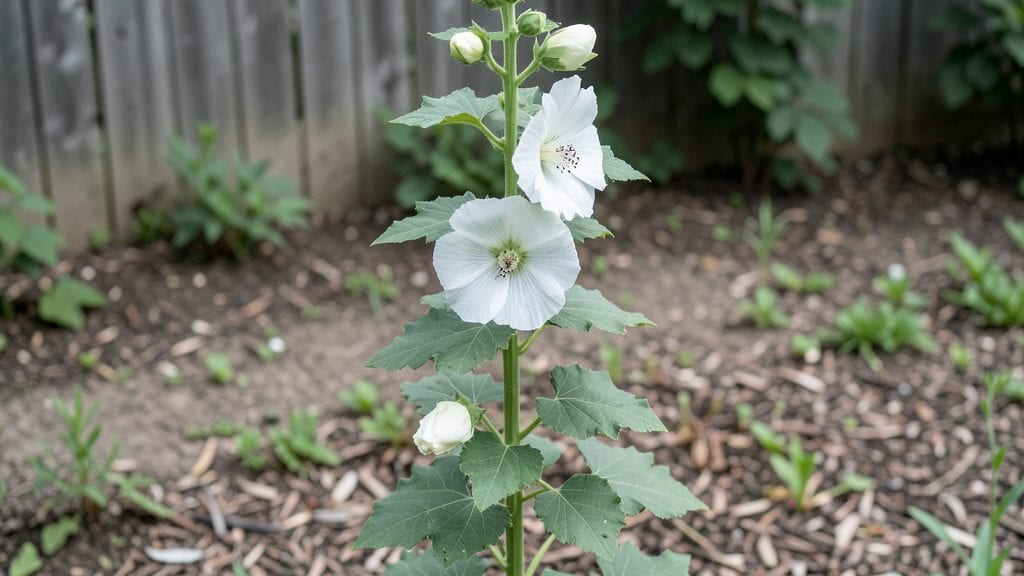
White hollyhock flowers bring dramatic height and ethereal beauty to any garden, standing like towering sentinels that catch every breeze. 🌿 I fell in love with them after seeing how they transformed a bare corner of my cottage garden into a dreamy, pollinator-friendly haven—bees and butterflies flock to their nectar-rich blooms while their airy petals sway in the sunlight.
Their 6-foot stems make them perfect for borders, cutting gardens, or as a stunning backdrop for shorter perennials like lavender or delphiniums. Plant them in clusters for a soft, romantic look, or let them stand alone as a bold focal point.
White hollyhocks pair beautifully with deep blues, soft pinks, or even muted greens, creating a timeless, cottage-core aesthetic that feels both classic and fresh.
From early summer through fall, these flowers reward you with weeks of blooms, their papery petals adding texture and movement to any space. Whether you're snipping stems for bouquets or letting them stand tall in the garden, they bring effortless elegance—no fuss, just pure, understated drama.
Here’s how to make them the star of your garden without the work.
They thrive in full sun to partial shade, making them versatile for different garden spots, and their self-seeding nature means you’ll have new plants popping up for years to come. The key is giving them room to grow and deadheading spent blooms to encourage more flowers.
Trust me, once they’re established, they’ll be the talk of the neighborhood—literally, as hummingbirds and bees can’t resist them.
📚 In This Guide
- What you need
- Instructions
- Tips and common mistakes
- Wrapping up and next steps
What you need
- ● White hollyhock seeds: Choose heirloom varieties like ‘Bressingham White’ or ‘White Lady’ for classic charm. Quantity: 10–20 seeds (or 1 packet for a small garden).
- ● Well-draining potting mix: 5–10 gallons (or enough to fill containers 6–12 inches deep). Tip: Amend with compost for nutrient-rich soil!
- ● Containers or garden beds: Containers: 12–18 inch pots (1–2 per plant) with drainage holes.
- ● Garden beds: Full sun (6+ hours/day) and space 18–24 inches apart.
- ● Watering can or hose: With a gentle spray nozzle for seedlings.
- ● Organic fertilizer: Balanced 10-10-10 or slow-release pellets (follow package rates).
- ● Required: Hand trowel or small shovel
- ● Gloves (to protect from prickly stems!)
- ○ Optional (but helpful!): Pruning shears (for deadheading)
- ● Stakes or cages (to support tall varieties)
- ● Mulch (straw or shredded bark to retain moisture)
- ● Patience! Hollyhocks grow 2–5 feet tall—start early (indoors 6–8 weeks before last frost) or direct-sow in spring.
- ● Cold tolerance: Seeds germinate best at 50–70°F (10–21°C).
- ● Pollinator-friendly zone: Plant in USDA Zones 3–9 for best results.
How to grow stunning white hollyhock flowers
Here's how I grow these towering beauties—tall, elegant, and buzzing with pollinators all summer long.
🌱 Step 1: Choose the Perfect Planting Spot
White hollyhocks thrive in full sun—at least 6-8 hours daily. I plant mine where they get morning sun and afternoon shade in hotter climates, which prevents the flowers from wilting in peak heat. The soil should drain well; hollyhocks hate soggy roots, so avoid low spots where water pools.
Test your spot by digging a 6-inch hole. If water sits in the bottom after 30 minutes, amend the soil with 2-3 inches of compost to improve drainage. Hollyhocks grow 4-6 feet tall, so give them space—plant at least 18-24 inches apart to prevent overcrowding and fungal issues.
🪴 Step 2: Prepare the Soil and Plant Seeds or Transplants
Hollyhocks grow best in loamy, well-draining soil with a pH between 6.0-7.0. Work in 2-3 inches of compost or aged manure to enrich the soil before planting. If your soil is heavy clay, mix in 1 part sand or perlite per 3 parts soil to improve aeration.
For seeds, sow them ¼ inch deep in early spring, 2-3 weeks before your last frost date. Press them lightly into the soil and water gently to keep the surface moist. For transplants, dig holes twice as wide as the root ball and place the plant so the top of the root ball sits ½ inch below soil level. This encourages strong root growth.
💧 Step 3: Water Deeply and Consistently
Water hollyhocks deeply once a week during the first growing season to encourage deep root development. You’ll know you’ve watered enough when the top 2-3 inches of soil feel dry. Overwatering causes root rot, so always check moisture before adding more water.
Once established, hollyhocks are drought-tolerant, but they’ll reward you with taller stems and more blooms if you keep the soil evenly moist. Mulch around the base with 2 inches of organic mulch (like straw or shredded leaves) to retain moisture and suppress weeds. Just keep the mulch 2 inches away from the stems to prevent rot.
✂️ Step 4: Prune and Support for Strong Growth
Hollyhocks benefit from regular deadheading—remove spent blooms by cutting the stem just above a set of leaves. This encourages more flowers and keeps the plant looking tidy. I also prune back any leggy or weak stems in early summer to promote bushier growth.
These plants are top-heavy, so provide support with sturdy stakes or a trellis as soon as you plant them. Tie the stems loosely with soft garden twine or fabric strips every 12 inches to prevent snapping in wind or rain. Avoid tight ties—they can damage the stems as the plant grows.
☀️ Step 5: Maintain and Enjoy the Pollinator Magnet
Hollyhocks are low-maintenance once established, but they thrive with a mid-season fertilizer in early summer. Use a balanced 10-10-10 or 5-10-10 fertilizer to promote blooming. Scatter the granules around the base and water deeply to help them dissolve into the soil.
Watch for Japanese beetles—they love hollyhocks! Handpick them in the morning when they’re sluggish, or use neem oil as a natural deterrent. With proper care, your white hollyhocks will bloom from mid-summer to early fall, attracting bees, butterflies, and hummingbirds to your garden.
Tips & tricks for perfect white hollyhock flowers
Here’s what I’ve learned over years of growing these striking beauties—small details that make all the difference in your hollyhock garden.
Sunlight Strategy: Those 6-8 hours of daily sun are non-negotiable, but I’ve found that morning sun with afternoon shade in hot climates prevents wilting. If your garden gets intense afternoon heat, consider planting hollyhocks where they’ll catch the cooler morning rays instead. This simple adjustment keeps those elegant blooms looking fresh all season.
Soil Test Tip: Before planting, grab a soil test kit from your local garden center—it’s only $10 and tells you exactly what your soil needs. Hollyhocks prefer a 6.0-7.0 pH, but if yours is off, you can adjust with lime (to raise pH) or sulfur (to lower it). I’ve seen hollyhocks struggle in acidic soil, so this small step saves a lot of frustration later.
Watering Wisdom: The once-a-week deep watering in early growth is crucial, but I’ve learned to check soil moisture with my fingers. Stick your finger 2-3 inches deep—if it feels dry, that’s your cue to water. Overwatering is a common mistake that leads to root rot, and hollyhocks hate soggy roots. A moisture meter (around $15) makes this even easier.
Support System: Don’t wait until stems are bending to add stakes! Set up your sturdy stakes or trellis at planting time. I use bamboo stakes tied loosely with fabric strips every 12 inches—this prevents damage as the plant grows. The key is loose ties that allow the stem to thicken naturally without restriction.
Pro Tips for White Hollyhock Flower
- Here’s what I’ve learned over years of growing these striking beauties—small details that make all the difference in your hollyhock garden.
- Sunlight Strategy: Those 6-8 hours of daily sun are non-negotiable, but I’ve found that morning sun with afternoon shade in hot climates prevents wilting.
- Soil Test Tip: Before planting, grab a soil test kit from your local garden center—it’s only $10 and tells you exactly what your soil needs.
Frequently asked questions
Got questions about growing or caring for white hollyhock flowers? You’re not alone! Here are answers to the most common queries to help you cultivate these stunning pollinator magnets with confidence.
When is the best time to plant white hollyhocks?
Plant white hollyhocks in early spring (after the last frost) or late summer for a fall bloom. They thrive in cool weather and can even survive light frosts. If starting from seeds, sow them directly in the garden 4–6 weeks before your last frost date for the best results.
How tall do white hollyhocks grow, and do they need staking?
White hollyhocks typically reach 5–8 feet tall, depending on the variety. While some sturdy types (like ‘White Lady’) may not need support, taller varieties benefit from soft ties or cages to prevent flopping in wind or rain. Avoid rigid stakes, which can damage their delicate stems.
Are white hollyhocks good for attracting pollinators?
These flowers are a magnet for bees, butterflies, and hummingbirds. Their tall spikes provide easy access to nectar, making them a fantastic addition to pollinator gardens. Pair them with other native perennials for an even bigger buzz of activity.
Why are my hollyhock leaves turning yellow or spotted?
Yellowing leaves often signal rust fungus (a common hollyhock issue) or overwatering. For rust, remove infected leaves immediately and space plants for better airflow. To prevent future problems, water at the base (not overhead) and avoid crowded planting. Healthy soil and well-draining conditions also help!
What can I plant alongside white hollyhocks for a stunning border?
Try pairing them with delphiniums, salvias, or lavender for height contrast, or black-eyed Susans and coneflowers for a low-maintenance, pollinator-friendly mix. For a cottage-garden look, add roses or peonies nearby—just ensure they have enough space to thrive.
Wrapping up and next steps
The white hollyhock flower isn’t just a stunning addition to your garden—it’s a pollinator powerhouse and a bold statement piece that brings drama and height to any landscape.
Whether you’re drawn to its elegant simplicity, its ability to attract bees and butterflies, or its low-maintenance charm, these flowers prove that beauty and function go hand in hand. 🌸
Ready to transform your garden? Start by selecting the perfect spot, gathering your materials, and planting with confidence. Watch as your white hollyhocks grow into a breathtaking focal point—one that thrives with minimal effort and rewards you with years of joy! Happy gardening! 🌱