
Flowers
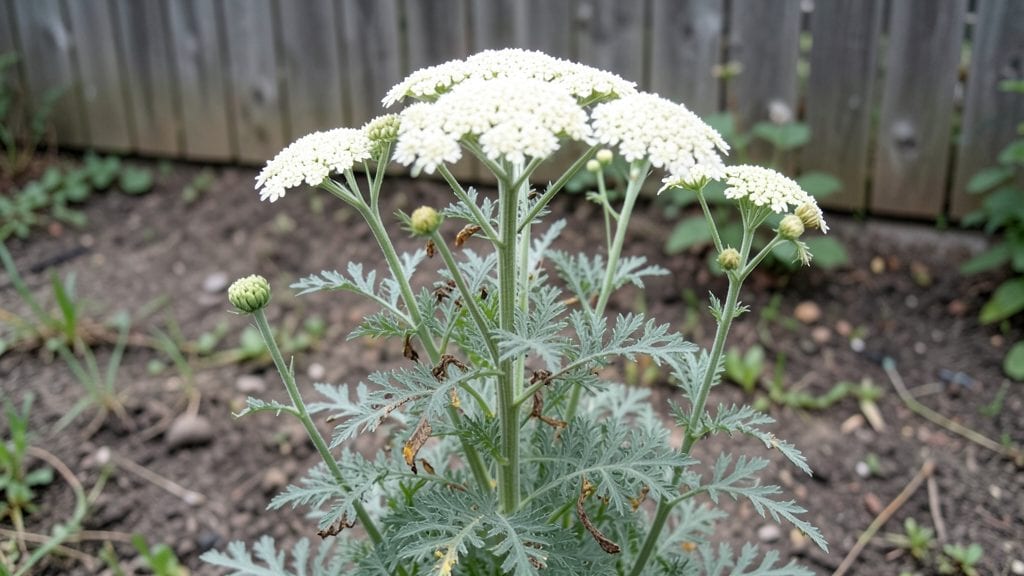
White yarrow flowers bring a crisp, airy elegance to Pacific Northwest gardens that no other plant quite matches. 🌿 I’ve seen them transform dull corners into buzzing pollinator hubs—bees, butterflies, and hummingbirds all flock to their delicate blooms while keeping their minimalist charm intact.
The secret lies in their ability to pair effortlessly with everything from deep purples to soft blues, making them the ultimate design chameleon.
These flowers thrive in partial shade to full sun, which is perfect for Northwest gardens where bright afternoons can scorch more delicate blooms. Plant them in clusters of three or more for maximum impact, and they’ll reward you with late-summer to early-fall blooms when many other perennials have faded.
Their feathery foliage adds texture year-round, even when not in bloom.
For cottage gardens, pair them with lavender and catmint for a dreamy, old-world look. In modern designs, their clean lines complement ornamental grasses and dark-leafed plants like heuchera.
The key is letting them mingle naturally—no rigid borders needed. Just give them well-draining soil and occasional deadheading to keep the flowers coming.
Once established, white yarrow needs almost no maintenance—just a little water in dry spells. That’s why it’s my go-to for low-fuss, high-impact gardens. Whether you’re designing a pollinator paradise or a serene minimalist space, these blooms deliver beauty with minimal effort. Let’s make your garden their next home.
📚 In This Guide
- What you need
- Instructions
- Tips and common mistakes
- Wrapping up and next steps
What you need
- ● White yarrow seeds or plants: Choose Achillea millefolium varieties like ‘White Beauty’ or ‘Moonshine’ (10–20 plants for a small garden, 50+ for a pollinator-friendly border).
- ● Well-draining soil: Mix 1 part native soil with 1 part compost (avoid heavy clay). pH 6.0–7.5 is ideal.
- ● Sunlight: Full sun (6+ hours daily). Partial shade (4–6 hours) tolerates but reduces blooms.
- ● Watering can or hose: With a gentle spray nozzle for moisture control.
- ● Pruners: Sharp, clean bypass pruners (for deadheading and shaping).
- ○ Mulch (optional but recommended): 2–3 inches of pine bark or straw to retain moisture and deter weeds.
- ● Pollinator-friendly companions: Plant lavender, bee balm, or salvia nearby for a buzzing ecosystem!
- ● Slow-release fertilizer: 10-10-10 or organic options like fish emulsion (apply sparingly in spring).
- ● Garden gloves: To protect hands during planting or pruning.
- ● Stakes or cages: For taller varieties (e.g., ‘White Plume’) to prevent flopping.
Step-by-Step guide to growing Pacific Northwest pollinator-friendly white yarrow
Here’s how to cultivate this hardy perennial—perfect for attracting bees, butterflies, and hummingbirds while thriving in PNW’s mild, moist climate.
🌱 Step 1: Choose the Right Location and Prepare the Soil
White yarrow (Achillea millefolium ‘White Beauty’) thrives in full sun to partial shade, making it ideal for PNW gardens where direct sun can be limited. Select a spot with at least 6 hours of sunlight daily, though it tolerates morning sun with afternoon shade in hotter inland areas. Avoid low-lying spots where water pools—yarrow hates soggy roots.
Test your soil’s drainage by digging a 6-inch hole and filling it with water. If it drains in under an hour, you’re good. Amend heavy clay with 2-3 inches of compost or sand to improve aeration. Yarrow prefers slightly alkaline to neutral soil (pH 6.0-7.5), so add pelletized lime if your soil tests acidic. I like to spread a 1-inch layer of coarse sand in the planting hole to ensure excess moisture moves away from roots.
🪴 Step 2: Plant Bare-Root or Container-Grown Yarrow
For bare-root plants, soak the roots in lukewarm water for 10-15 minutes before planting to revive them. Dig a hole twice as wide as the root ball but only as deep as the top of the roots—burying too deep suffocates the crown. Space plants 18-24 inches apart to allow air circulation and prevent fungal diseases like powdery mildew, which yarrow can attract in humid PNW summers.
Gently loosen the roots of container-grown plants to encourage outward growth. Fill the hole halfway with soil, then place the plant in, ensuring the crown sits just above soil level. Backfill with the remaining soil, pressing lightly to eliminate air pockets. Water deeply to settle the soil—you’ll know it’s right when moisture reaches 4-6 inches down. Mulch with 2 inches of shredded bark to retain moisture and suppress weeds, but keep mulch 3 inches away from stems to prevent rot.
☀️ Step 3: Water and Fertilize for Strong Establishment
Water newly planted yarrow once a week for the first 4-6 weeks, providing 1 inch of water per week. Let the top 2 inches of soil dry out between waterings—overwatering leads to weak stems and fungal issues. Once established, yarrow is drought-tolerant, but PNW’s frequent rain means you’ll rarely need to water after the first season. I test soil moisture by sticking my finger 2 inches deep; if it feels dry, it’s time to water.
Skip high-nitrogen fertilizers—yarrow grows best with low fertility. Instead, apply a balanced 10-10-10 fertilizer at half strength in early spring. For organic gardens, sprinkle 1 cup of compost around the base in spring and again after flowering. Avoid fertilizing in late summer, as it encourages tender new growth that won’t survive PNW’s cooler autumn nights.
✂️ Step 4: Prune for Longevity and Pollinator Appeal
Deadhead spent blooms by snipping stems back to the first set of healthy leaves in late summer to encourage a second flush of flowers. This also prevents the plant from self-seeding aggressively—yarrow can become invasive if left unchecked. I use clean, sharp pruners to avoid tearing stems, and I sterilize them with rubbing alcohol between cuts to prevent disease spread.
Cut back one-third of the plant’s height in early spring before new growth appears. This removes woody stems and encourages bushier, more vigorous growth. Never remove more than one-third at a time, or you’ll stress the plant. In fall, trim back to 4-6 inches tall to protect the crown from heavy winter rains, which can rot tender new growth.
🐝 Step 5: Support Pollinators Year-Round
Leave some seed heads on a few stems in late summer to provide winter food for birds and early spring nectar for bees. Yarrow’s flat flower clusters are a magnet for bumblebees, hoverflies, and monarch butterflies, especially in early spring when other pollinators are scarce. I plant yarrow near lavender and bee balm to create a pollinator buffet that keeps visitors coming all season.
To extend the blooming season, divide mature clumps every 3-4 years in early spring. Dig up the entire plant, separate it into 3-4 inch sections, and replant immediately. This rejuvenates the plant and gives you extra specimens to share with neighbors—yarrow spreads easily and makes a fantastic gift for PNW gardeners.
Tips & tricks for perfect white yarrow blooms
Here's the thing about white yarrow—it's one of those plants that seems simple but has a few sneaky tricks for thriving in PNW conditions. I've learned these the hard way after watching plants struggle in less-than-ideal spots.
Sunlight Strategy: While yarrow tolerates partial shade, the 6 hours of sunlight mentioned in Step 1 is non-negotiable for those signature white blooms. In denser forests or shaded yards, consider planting in containers where you can move them to sunnier spots during winter months. I've seen yarrow in partial shade produce fewer flowers and more foliage—it's like the plant is saving its energy for survival rather than blooming.
Soil Prep Secret: That 1-inch layer of coarse sand in the planting hole isn't just about drainage—it's a game-changer for preventing root rot in our wet climate. I've found that mixing sand directly into the soil (rather than just in the hole) helps break up compacted clay soils that are common in PNW gardens. For heavy clay soils, consider adding 1 part sand to 3 parts soil when amending the entire planting area.
Watering Wisdom: The 2-inch deep soil moisture check is your best friend, especially in our unpredictable PNW weather. I've noticed that yarrow often looks fine after rain but actually needs watering when the topsoil dries out. In particularly rainy summers, you might need to adjust your once-a-week watering schedule to every 10 days—just check that moisture level before deciding.
Pruning Precision: When deadheading in Step 4, I've found that using clean, sharp pruners makes all the difference. Dull tools crush stems and invite disease. I like to sterilize my pruners with rubbing alcohol between cuts, but for large gardens, I keep a small spray bottle of diluted bleach solution (1 part bleach to 9 parts water) nearby for quick sanitizing. This simple step has kept my yarrow healthy through multiple humid PNW summers.
Pro Tips for White Yarrow Flowers
- Here's the thing about white yarrow—it's one of those plants that seems simple but has a few sneaky tricks for thriving in PNW conditions.
- Sunlight Strategy: While yarrow tolerates partial shade, the 6 hours of sunlight mentioned in Step 1 is non-negotiable for those signature white blooms.
- Soil Prep Secret: That 1-inch layer of coarse sand in the planting hole isn't just about drainage—it's a game-changer for preventing root rot in our wet climate.
Frequently asked questions
Got questions about white yarrow flowers? You’re not alone! Here are some of the most common inquiries—and their answers—to help you grow, care for, and enjoy these stunning Pacific Northwest blooms with confidence.
Are white yarrow flowers easy to grow?
White yarrow (Achillea millefolium) is a hardy, low-maintenance perennial that thrives in the PNW’s climate. It tolerates poor soil, drought, and even partial shade—though it loves full sun for the most vibrant blooms. Just avoid overwatering, and you’re golden!
When is the best time to plant white yarrow?
Spring or early fall are ideal for planting. Spring (March–May) gives roots time to establish before summer heat, while fall (September–October) lets them settle before winter. Avoid planting in extreme heat or frost—yarrow’s delicate roots need gentle conditions to take hold.
Do white yarrow flowers attract pollinators?
You bet! White yarrow is a pollinator magnet, especially for bees, butterflies, and beneficial wasps. Its flat flower heads provide easy access to nectar, making it a must-have for wildlife gardens. For extra buzz, pair it with coneflowers or lavender.
What if my white yarrow isn’t blooming?
Don’t worry—it’s often a sign of over-fertilizing, shade, or crowded roots. Try these fixes:
- Move to full sun (6+ hours/day).
- Cut back dead flowers to encourage reblooming.
- Divide overcrowded clumps every 3–4 years.
- Avoid high-nitrogen fertilizer—yarrow prefers lean soil!
Can I use white yarrow in cut flower arrangements?
Yes! White yarrow’s long stems and papery blooms add texture and charm to bouquets. To prolong vase life:
- Trim stems at an angle.
- Change water every 2–3 days.
- Add a drop of bleach to prevent bacteria.
Wrapping up and next steps
White yarrow flowers aren’t just a stunning addition to your Pacific Northwest garden—they’re a lifeline for pollinators and a symbol of resilience. Whether you’re planting them for beauty, biodiversity, or both, these hardy blooms prove that small choices can make a big impact. 🌸
Ready to turn your outdoor space into a thriving pollinator paradise? Start small—add a few white yarrow plants to your garden this season and watch the difference they make! Your bees, butterflies, and future blooms will thank you.