
Landscaping
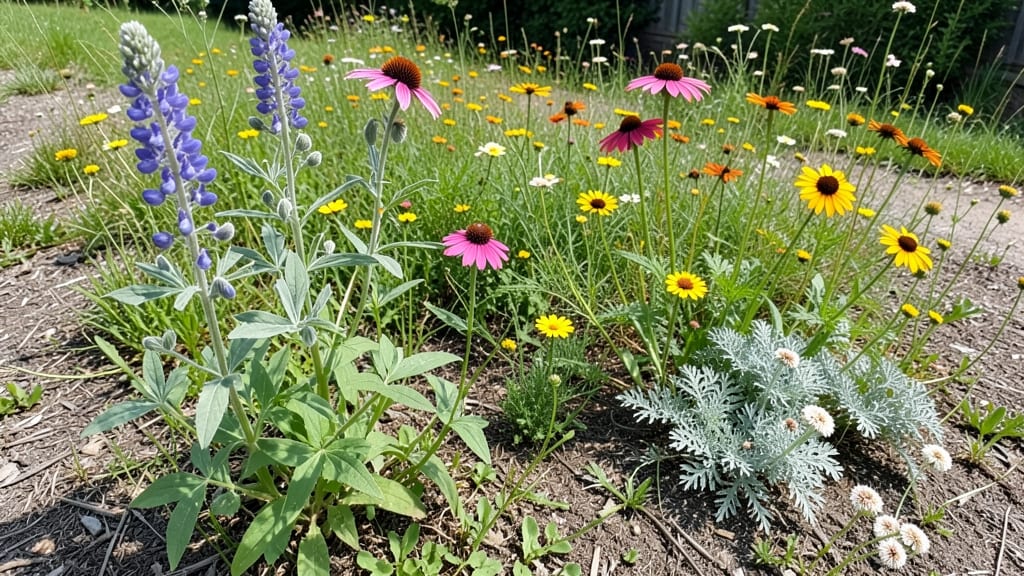
A wildflower patch in your yard transforms forgotten corners into a buzzing paradise for bees, butterflies, and hummingbirds—with less work than mowing. 🌸 I’ve turned three sunbaked patches into vibrant meadows where native blooms outcompete weeds naturally, and the only maintenance is an occasional stroll to admire the visitors.
The key? Skipping the perfect lawn obsession and embracing the wild beauty that thrives on neglect.
Start small—even a 3×6-foot plot makes a difference—and choose native wildflowers adapted to your region’s soil and rainfall. My first patch used a mix of black-eyed Susans, coneflowers, and milkweed, which required zero fertilizer and flourished in poor soil.
The secret weapon? A no-till approach that preserves soil microbes and prevents erosion, while layered plant heights create year-round interest from early spring ephemerals to late-fall asters.
By late summer, you’ll watch monarchs flutter through milkweed, bees dive into lavender, and fireflies light up the evening like nature’s own lanterns. The patch even reduces your water bill, since deep-rooted wildflowers outlast thirsty turf.
Best of all, it’s a project that grows more beautiful with each passing year—no perfection required.
Whether you’re reviving a weed-choked area or adding a pollinator haven to a sunny border, this design adapts to any yard size. Let’s get your patch started with the right plants and placement for maximum impact and minimal fuss.
📚 In This Guide
- What you need
- Instructions
- Tips and common mistakes
- Wrapping up and next steps
What you need
- ● Wildflower seeds: Choose a pollinator-friendly mix (1–2 lbs per 100 sq. ft.). Look for native varieties to support local bees, butterflies, and hummingbirds.
- ● Soil: Topsoil (2–3 inches, spread evenly over the area).
- ○ Optional: Compost (1–2 inches) to enrich soil and retain moisture.
- ● Mulch: Straw or shredded leaves (1–2 inches) to suppress weeds and retain moisture.
- ● Garden rake (for leveling soil).
- ● Hoe or spade (for breaking up soil and removing weeds).
- ● Garden hose with a gentle spray nozzle (for watering).
- ○ Optional: Seed spreader (for large areas) or a stencil (for patterns).
- ○ Optional: Kneeling pad (for comfort during planting).
- ● A sunny spot in your yard (6+ hours of sunlight daily).
- ● Well-draining soil (amend with compost if clay-heavy).
- ● Patience! Wildflowers may take 2–3 weeks to germinate.
Step-by-step instructions for creating your wildflower patch
Turn your yard into a buzzing pollinator haven with these simple, effective steps.
🌱 Step 1: Choose the Perfect Location and Prepare the Soil
Select a sunny spot—most wildflowers thrive in full sun (6+ hours daily)—and avoid areas with heavy foot traffic or where children play. I like to sketch the space first, marking where sunlight hits strongest. Clear existing vegetation, then loosen the top 6 inches of soil with a broadfork or tiller to break up compaction without disturbing deeper layers.
Wildflowers adapt to poor soil, but the better you prepare it, the faster they establish. Mix in 2-3 inches of compost (if your soil is heavy clay) or 1 inch of sand (if it's too dense). Avoid fertilizers—wildflowers prefer lean conditions. Test the soil pH; most native wildflowers grow best in slightly acidic to neutral (6.0-7.0). If your soil is alkaline, add sulfur gradually over a few months.
🌿 Step 2: Select and Sow Seeds for Year-Round Bloom
Pick a native wildflower mix suited to your region—this ensures pollinators recognize them as food sources. I recommend blending early bloomers (like bluebells or phlox) with mid-season (coneflowers, black-eyed Susans) and late-season varieties (goldenrod, asters) for continuous color. Scatter seeds sparingly—wildflowers self-seed aggressively, so ¼ pound per 100 square feet is plenty.
Don’t bury seeds! Light stimulates germination for most wildflowers. Instead, press them lightly into the soil with a board or rake, then water gently. For larger seeds (like sunflowers), press ½ inch deep. Mark the area with stakes to avoid disturbing it while seeds germinate. You’ll see first sprouts in 2-6 weeks, depending on species and weather.
💧 Step 3: Water Strategically and Let Nature Take Over
Water deeply once a week for the first 4-6 weeks to encourage deep root growth. After that, wildflowers need minimal water—they’re drought-tolerant once established. Water in the early morning to reduce evaporation and fungal risks. You’ll know they’re thriving when you see healthy, upright stems and no wilting during dry spells.
Resist the urge to weed aggressively. Wildflowers compete well with grass but struggle against invasive species like crabgrass. Pull weeds only when they’re small—once wildflowers reach 6 inches tall, they’ll shade out most competitors naturally. Mow high (3-4 inches) if grass encroaches, but avoid cutting flowers until seeds form.
✂️ Step 4: Maintain for Long-Term Pollinator Success
Leave seed heads intact through winter—they feed birds and provide next year’s seeds. Cut back only in late winter or early spring, just before new growth appears. I use loppers to trim spent stalks to 2-3 inches tall, leaving a stubble for beneficial insects. This mimics natural prairie cycles and prevents erosion.
Monitor for pests like Japanese beetles or aphids—they’re rare but can defoliate young plants. Spray with neem oil if needed, but most wildflowers handle occasional nibbling. After 2-3 years, your patch should be self-sustaining, with new volunteers popping up yearly. The key is patience—wildflowers build soil fertility over time, rewarding you with more vibrant blooms each season.
Tips & tricks for perfect wildflower patch creation
A few simple strategies will help you create a thriving wildflower patch that attracts pollinators year after year.
Location Intelligence: I can't stress enough how critical sunlight is—most wildflowers need that full 6+ hours daily. If your yard has partial shade, choose shade-tolerant varieties like foxglove or astilbe instead of sun-lovers. Also, avoid areas where kids play or pets dig—they'll disturb your delicate seedlings. I mark potential spots with flags before committing to give myself time to observe sunlight patterns throughout the day.
Soil Prep Secrets: When loosening that top 6 inches of soil, think "fluffy, not pulverized." You want to break up compaction without creating a fine dust that can smother seeds. For clay-heavy soil, work in that 2-3 inches of compost gradually—too much at once can create a soggy mess. And remember, wildflowers thrive in lean conditions, so skip the fertilizer. I've seen patches explode with life after just adding compost and no other amendments!
Seed Sowing Strategy: The light-pressing technique for seeds is where many people go wrong. Don't just sprinkle and forget—use a board or rake to press seeds just enough that they make contact with soil but don't get buried. For larger seeds like sunflowers, that ½-inch depth is perfect. I like to make a simple grid with string and stakes to ensure even distribution—this prevents clumping that can lead to overcrowding later.
Watering Wisdom: That first 4-6 weeks is crucial for establishing deep roots, but timing matters just as much as quantity. Watering in the early morning gives plants time to dry out during the day, preventing fungal issues. I set a reminder on my phone for that weekly deep watering—consistency is key. After the initial period, you'll notice your wildflowers develop that classic "wilt-resistant" look that tells you they're truly established and ready for minimal care.
Pro Tips for Wildflower Patch In Yard
- A few simple strategies will help you create a thriving wildflower patch that attracts pollinators year after year.
- Location Intelligence: I can't stress enough how critical sunlight is—most wildflowers need that full 6+ hours daily.
- Soil Prep Secrets: When loosening that top 6 inches of soil, think "fluffy, not pulverized."
Frequently asked questions
Got questions about creating your own wildflower patch in yard? You’re not alone! Here are some of the most common queries—and their straightforward answers—to help you dive in with confidence.
How long does it take for a wildflower patch to bloom after planting?
A newly seeded wildflower patch typically takes 6 to 12 weeks to sprout, with full blooms appearing in 60–90 days (or longer for perennials). Early bloomers like poppies or cosmos may surprise you sooner, while native wildflowers might wait until the second year for peak beauty. Patience pays off—once established, many varieties return year after year with minimal effort!
Will wildflowers attract pests like mosquitoes or rodents?
Wildflowers are pollinator magnets (butterflies, bees, hummingbirds—yay!), not pest magnets. Mosquitoes need stagnant water, not flowers, so avoid waterlogged areas. Rodents? They’re more drawn to seeds or dense mulch. Choose native, drought-resistant varieties to deter pests while supporting local ecosystems. A well-balanced patch is a wildlife win!
Do wildflowers need frequent watering, or are they truly low-maintenance?
Once established, wildflowers thrive on rainwater alone—most need watering only during the first 2–4 weeks after planting. Overwatering can drown seeds or encourage weeds. After germination, let nature take over! Mulch lightly (straw or leaves) to retain moisture without smothering sprouts.
Can I plant wildflowers in a small yard or just a corner?
Wildflowers adapt to tiny spaces—even a 5’x5’ patch in a sunny corner, along a fence, or in a container can make a difference. Opt for compact varieties like lupine, black-eyed Susans, or bachelor’s buttons. Raised beds or vertical planters work too! Think micro-ecosystems, not just lawn replacements.
What do I do if weeds take over my wildflower patch?
Weeds are normal at first, but don’t panic! Hand-pull them early (before they seed) or smother them with cardboard + mulch for 2–3 weeks. Once wildflowers establish (after 6–12 months), they’ll outcompete weeds naturally. Spot-treat with vinegar (5% acetic acid) for stubborn invaders—but avoid herbicides, which harm pollinators.
Are there wildflower alternatives for shady yards?
While most wildflowers love sun (6+ hours/day), shade-tolerant options exist! Try Virginia bluebells, wild ginger, or foamflower under trees. Mix in ferns or hostas for texture. Partial shade (3–6 hours of sun) works for columbine or bleeding heart. Just amend soil with compost—shady patches often need extra nutrients.
Wrapping up and next steps
Creating a wildflower patch in your yard is a rewarding way to support pollinators while adding beauty with minimal effort! 🌸 With the right seeds, soil prep, and a little patience, you’ll soon enjoy a vibrant, low-maintenance garden that thrives on nature’s rhythm. Start small—even a 4x4-foot patch makes a difference!
Ready to take the next step? Pick a sunny spot, gather your supplies, and plant your seeds this weekend! Your future pollinator friends will thank you—and so will your senses.