Landscaping
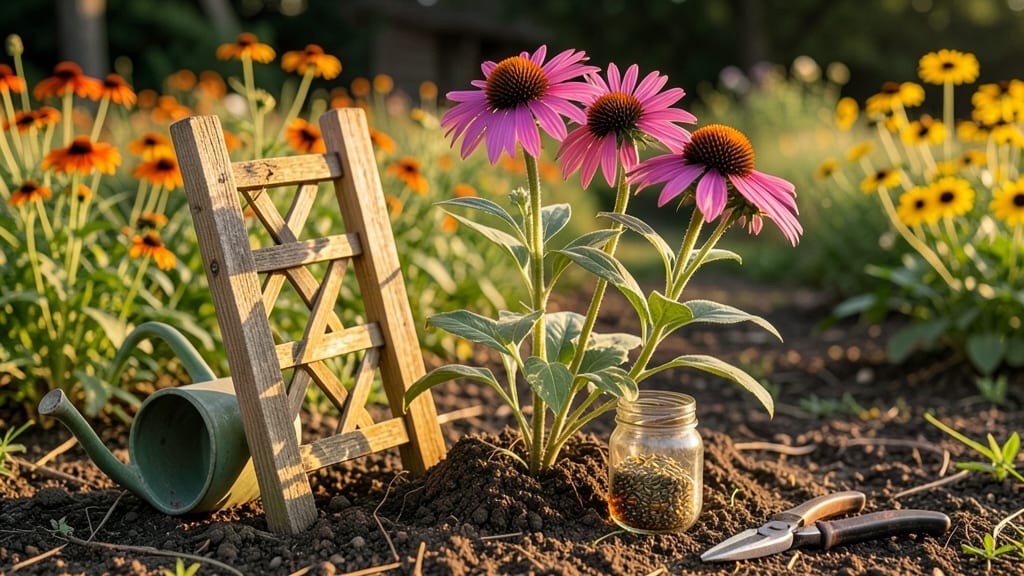
Transforming your yard into a buzzing, blooming pollinator paradise starts with wildflower landscaping ideas that bring color, life, and movement to every season. 🌼 I remember the first time I saw bees swarming over my wildflower patch—it felt like magic, and I knew I had to share how to create this kind of joy.
The best part? It doesn’t require hours of upkeep or a green thumb to pull off.
You’ll need a sunny spot (at least 6 hours of light daily), some native wildflower seeds, and a little patience—no fancy tools or expensive plants required.
The secret lies in choosing the right mix for your region, prepping the soil with a simple rake, and letting nature do the rest. Within weeks, you’ll have a vibrant meadow that thrives with minimal effort.
Imagine waking up to fields of lavender, purple coneflowers, and golden black-eyed Susans swaying in the breeze, while hummingbirds dart between blooms. This isn’t just about beauty—it’s about creating a haven for bees, butterflies, and birds, all while reducing your water and maintenance bills.
The results? A garden that feels alive, sustainable, and uniquely yours.
Whether you have a small balcony or acres to fill, these ideas adapt to any space. Let’s turn your yard into a thriving ecosystem—one wildflower at a time.
📚 In This Guide
- What you need
- Instructions
- Tips and common mistakes
- Wrapping up and next steps
What you need
- ● Wildflower seeds: Choose native varieties (e.g., Echinacea, Coneflower, Black-Eyed Susan). Aim for 1–2 lbs per 100 sq ft for full coverage.
- ● Native soil: Well-draining, slightly rocky soil (or amend with compost if needed). Avoid heavy clay.
- ○ Mulch (optional): Straw or wood chips (1–2 inches deep) to retain moisture and suppress weeds.
- ● Drip irrigation or soaker hose: 1/4–1/2 inch tubing with emitters for consistent watering.
- ● Hand trowel or broadcast spreader (for seeds)
- ● Rake (with fine teeth for seedbed prep)
- ● Garden hose with adjustable nozzle
- ● Pruners (for trimming established plants)
- ● Gloves & knee pads (for comfort!)
- ● Sunlight: 6+ hours of direct sun daily (most wildflowers thrive here).
- ● Location: Avoid low-lying areas (prone to waterlogging).
- ● Local regulations: Check for restrictions on native plant introductions in your area.
- ● Patience: Wildflowers may take 1–2 years to reach full bloom!
- ● Pollinator-friendly companion plants (e.g., Milkweed, Aster, Goldenrod)
- ● Birdhouses or bat boxes to boost biodiversity
- ● Wildflower seed mix with no fillers (100% pure seeds)
- ● Soil test kit (to check pH and nutrient levels)
How to design a pollinator-friendly wildflower meadow
Here's how to create a vibrant, low-maintenance wildflower garden that thrives with life—and color—year after year.
🌱 Step 1: Choose Your Wildflower Mix and Location
Select a native wildflower blend suited to your USDA hardiness zone—these plants support local pollinators best. I always opt for a mix that includes early bloomers (like violets) and late-season flowers (such as goldenrod) to extend the growing season. Avoid invasive species like Queen Anne's lace or knapweed, which crowd out native plants.
Pick a sunny spot with at least 6 hours of direct sunlight daily—wildflowers need full sun to thrive. Test your soil's drainage: if water pools after rain, amend with 2-3 inches of compost to improve aeration. A slightly sloped area prevents waterlogging, which can rot seeds before they sprout.
🪴 Step 2: Prepare the Soil and Clear the Area
Remove existing grass or weeds by scalping the lawn (mowing as short as possible) or using a sod cutter to expose bare soil. For new garden beds, loosen the top 4 inches of soil with a broadfork or tiller—this helps roots penetrate easily. Avoid tilling too deep, or you'll disrupt beneficial soil microbes.
Spread a thin layer of mulch (like straw or wood chips) over the area to suppress weeds naturally. This also keeps the soil moist until seeds germinate. I like to mark the edges with landscape fabric if I'm worried about grass creeping back—just cut holes for the wildflowers to grow through.
☀️ Step 3: Scatter Seeds and Lightly Cover
Scatter seeds evenly by hand or with a seed spreader—aim for 2-3 seeds per square inch for a dense meadow effect. Press them lightly into the soil with a board or rake to ensure good seed-to-soil contact. Wildflower seeds need light to germinate, so don’t bury them deeper than ¼ inch.
Gently water the area until the soil is moist but not soggy—think of a damp sponge, not a dripping one. Keep the soil consistently moist for the first 2-3 weeks (or until seedlings appear). Avoid heavy watering, which can wash seeds away or create mud puddles that suffocate them.
💧 Step 4: Maintain with Minimal Effort
Once seedlings emerge, reduce watering to once a week unless your area experiences extreme drought. Wildflowers are drought-tolerant once established, but they need consistent moisture to take root. Let the plants grow 3-4 inches tall before your first mow—this ensures deep roots form.
Mow once a year in late fall or early winter (after seeds have dropped) to control height and encourage new growth. Avoid fertilizing—wildflowers thrive in poor soil and will bloom more vigorously without it. If weeds start to dominate, spot-treat with vinegar or a hoe instead of herbicides, which harm pollinators.
⏰ Step 5: Enjoy Year-Round Beauty and Benefits
Your meadow will reward you with color from spring to frost, attracting bees, butterflies, and hummingbirds. I love watching monarchs flit through my garden in late summer—it’s a sign the ecosystem is working. Leave some areas wild and untrimmed in winter to provide shelter for insects and birds.
After 2-3 years, your wildflower patch will self-seed and spread naturally. If you notice bare spots, replenish with a light scattering of fresh seeds in early spring. The more you let nature take its course, the more resilient—and beautiful—your garden becomes.
Tips & tricks for perfect wildflower landscaping
A few simple strategies will help you create a thriving pollinator paradise that blooms beautifully year after year.
Seed Selection Tip: Look for wildflower mixes labeled "pollinator-friendly" or "native" on the package. These blends often include a variety of flowers that bloom at different times, ensuring continuous color and food for pollinators throughout the growing season. I always check the seed packet for specific regional recommendations—what works in the Pacific Northwest might not thrive in the Southeast.
Soil Prep Strategy: In Step 2, when loosening the soil, focus on breaking up compacted layers without going deeper than 4 inches. This prevents disturbing beneficial soil organisms while still creating the right environment for wildflower roots. If your soil is particularly heavy clay, mix in some coarse sand to improve drainage before planting.
Watering Wisdom: Those first 2-3 weeks of consistent moisture are critical for seed germination. I set up a gentle drip irrigation system on a timer for my wildflower beds—it delivers just the right amount without creating mud puddles. If you don't have irrigation, water early in the morning to reduce evaporation and fungal risks.
Maintenance Hack: For the annual mowing in late fall, I use a string trimmer instead of a full-sized mower to clean up the edges. This prevents disturbing the soil too much and helps maintain the natural meadow look. Just be sure to bag the clippings to remove any weed seeds that might sprout next season.
Pro Tips for Wildflower Landscaping Ideas
- A few simple strategies will help you create a thriving pollinator paradise that blooms beautifully year after year.
- Seed Selection Tip: Look for wildflower mixes labeled "pollinator-friendly" or "native" on the package.
- Soil Prep Strategy: In Step 2, when loosening the soil, focus on breaking up compacted layers without going deeper than 4 inches.
Frequently asked questions
Got questions about transforming your yard into a vibrant wildflower paradise? Here are some of the most common concerns—and their answers—to help you get started with confidence!
What’s the best time of year to plant wildflowers?
For most regions, spring (March–May) or early fall (September–November) are ideal. Spring planting gives seeds time to establish roots before summer heat, while fall planting avoids competition from summer weeds. Check your seed packet for region-specific timing—some wildflowers (like poppies) thrive with winter dormancy!
Will wildflowers attract bees or other pests?
Wildflowers are pollinator magnets—but they’re also a boon for beneficial insects! While bees and butterflies will visit, they’re essential for ecosystems. To minimize stings, avoid planting near high-traffic areas. Choose native species (like milkweed for monarchs) to support local wildlife without over-attracting pests.
How much water do wildflowers need after planting?
Newly planted wildflowers need consistent moisture for the first 2–4 weeks. Water deeply 2–3 times per week (about 1 inch total) to encourage root growth. Once established, most wildflowers are drought-tolerant—they thrive with rainfall alone! Mulch lightly to retain soil moisture.
Can I mix wildflowers with my existing lawn or garden?
Wildflowers pair beautifully with perennials, shrubs, and even lawns. For a gradual transition, try scatter seeding over bare patches or along borders. If overseeding a lawn, mow low first and use a starter fertilizer to help seeds germinate. Pro tip: Start small—test a 3’x3’ patch to see how your soil and sunlight interact with the mix.
What do I do if my wildflowers don’t bloom the first year?
Don’t worry—many wildflowers (especially perennials) take 1–2 years to reach full bloom! Annuals (like cosmos or zinnias) may flower the first year but often self-seed for future seasons. Ensure your site gets 6+ hours of sun and avoid over-fertilizing (wildflowers prefer lean soil). If growth is sparse, thin seedlings or reseed sparse areas in spring.
Are there wildflower options for shady or dry climates?
Yes! For shade, try Virginia bluebells, foamflower, or wild ginger. In dry areas, opt for yarrow, blanket flower, or purple coneflower—all thrive with minimal water. Check your USDA Hardiness Zone and local native plant guides for tailored picks!
Wrapping up and next steps
Transforming your outdoor space into a pollinator paradise with wildflower landscaping isn’t just beautiful—it’s a gift to nature! 🌸 From choosing the right seeds to maintaining your garden, every step brings vibrant color, supports local ecosystems, and reduces your maintenance workload.
Whether you’re a seasoned gardener or just starting, the key is to start small, embrace native plants, and let the magic unfold.
Ready to dive in? Pick a sunny spot, grab your wildflower seeds, and begin planting today! Your garden—and the bees, butterflies, and birds—will thank you. 🐝✨