
Flowers
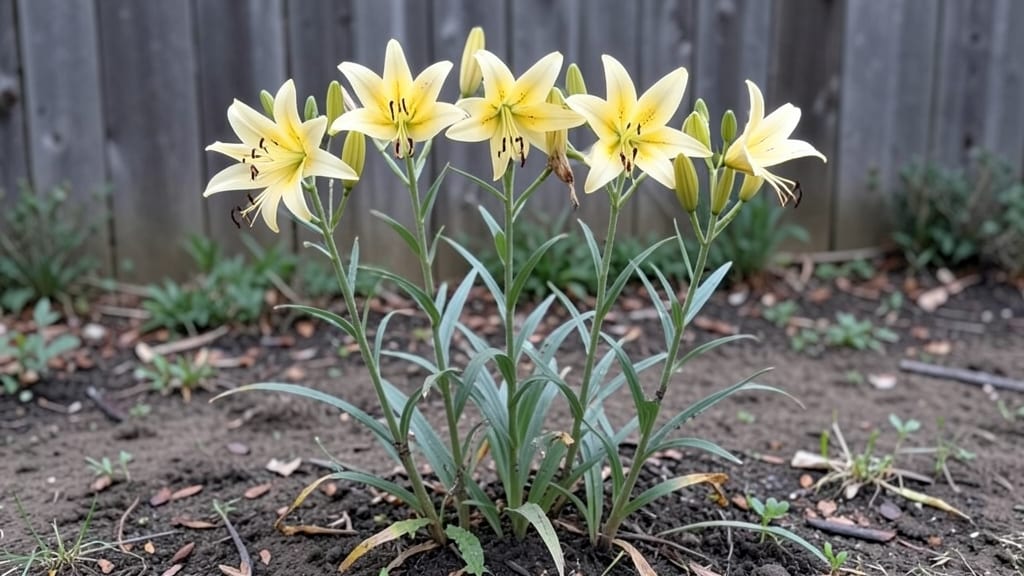
Nothing brightens a Pacific Northwest garden like a drift of yellow lily wildflowers swaying in the breeze—especially when they attract hummingbirds and bees from spring through fall. 🌸 These golden blooms aren’t just pretty; they’re the secret weapon for turning overlooked corners into vibrant pollinator hotspots that keep drama alive year-round.
Pair them with deep purple salvias or silvery lavender for a striking contrast, or let them mingle with native grasses for a meadow-like feel. The key is planting in clusters of 5-7 stems to create that "wild" look—no rigid rows needed.
Just add them to borders, cottage-style gardens, or even container arrangements for instant curb appeal.
📚 In This Guide
- What you need
- Instructions
- Tips and common mistakes
- Wrapping up and next steps
What you need
- ● Yellow lily wildflower seeds or bulbs: Seeds: 50–100 seeds (depending on desired coverage; ~1–2 seeds per square foot)
- ● Bulbs: 10–20 bulbs (for immediate blooms; spacing ~4–6 inches apart)
- ● Well-draining soil: Mix of native soil + compost (or potting mix for containers)
- ○ Organic fertilizer (optional but recommended): Balanced 10-10-10 or phosphorus-rich (5-10-10) for blooms
- ● Mulch: Wood chips or straw (2–3 inches thick) to retain moisture and suppress weeds
- ● Garden trowel or hand fork (for digging)
- ● Gloves (to protect hands from soil and thorns, if applicable)
- ● Watering can or hose with gentle spray nozzle
- ● Measuring tape or ruler (for spacing)
- ○ Optional but handy: Pruners (for deadheading or shaping)
- ● Soil pH tester (ideal range: 6.0–7.0 for lilies)
- ● Drip irrigation system (for low-maintenance watering)
- ● Sunlight: Full sun (6+ hours daily) or partial shade (for drier climates)
- ● Water access: Regular watering (1–1.5 inches per week; reduce once established)
- ● Location: Sheltered from strong winds (lilies prefer gentle breezes)
- ● Pollinator-friendly zone: Native to PNW (USDA Hardiness Zones 3–9)
How to create a stunning yellow lily wildflower meadow in the Pacific Northwest
Here's how I transform any sunny spot into a buzzing, year-round pollinator paradise.
🌱 Step 1: Choose the Perfect Planting Site
Yellow lilies thrive in full sun—at least 6 hours daily—so scout your yard for the sunniest, driest location. I always pick a spot with good drainage because these wildflowers hate soggy roots. The Pacific Northwest's mild climate means you can plant anytime between early spring and late fall, but March-April gives them the best head start.
Clear any existing vegetation within a 3-foot radius of your planting area. I like to leave a few native grasses around the edges—they provide windbreaks and shelter for pollinators. Avoid areas where water pools after rain, as yellow lilies will quickly rot in wet soil.
☀️ Step 2: Prepare the Soil for Maximum Growth
Yellow lilies aren't picky about soil type, but they do best in loose, well-draining earth. Work in a 2-inch layer of compost to improve fertility and structure. I use a garden fork to loosen the soil to a depth of 8-10 inches, breaking up any compacted layers. This helps roots establish deep and strong.
For heavier clay soils common in the PNW, mix in 1 part sand to 3 parts soil to improve drainage. Test your soil's pH—yellow lilies prefer slightly acidic to neutral soil (pH 6.0-7.0). If your soil is too alkaline, add a handful of sulfur per square foot and mix it in a few weeks before planting.
🌿 Step 3: Plant Bulbs at the Right Depth and Spacing
Plant yellow lily bulbs 4-6 inches deep and 6-8 inches apart in rows spaced 12-18 inches apart. I use a bulb planter or a trowel to make clean holes—this prevents damage to the bulb's delicate roots. Place each bulb with the pointed end facing upward, as this is where the shoot will emerge.
Cover the bulbs with soil and water gently but thoroughly. The soil should feel moist but not soggy. I like to add a 1-inch layer of mulch around each plant to retain moisture and suppress weeds. Avoid piling mulch directly against the stems, as this can cause rot.
💧 Step 4: Water and Fertilize for Strong Establishment
Water newly planted yellow lilies deeply once a week for the first 4-6 weeks to encourage root growth. Once established, they're quite drought-tolerant, but consistent moisture during their first season helps them thrive. I water in the morning so the foliage has time to dry before evening, reducing the risk of fungal diseases.
Apply a balanced, slow-release fertilizer (like 10-10-10) at planting time and again in early spring. I avoid high-nitrogen fertilizers—they encourage leafy growth at the expense of flowers. Instead, I use a low-nitrogen, high-phosphorus fertilizer to promote blooming. After the first year, your lilies should be self-sustaining with minimal fertilizer.
✂️ Step 5: Maintain and Enjoy Year-Round Beauty
Once your yellow lilies are established, minimal care is needed. Deadhead spent blooms to encourage more flowers and prevent seed production, which can weaken the bulb. I leave a few seed pods for pollinators, but I remove most to redirect the plant's energy into next year's blooms.
In late fall, cut back the foliage but leave the stems until they turn yellow and wither naturally. This allows the bulb to store nutrients for next year's growth. Yellow lilies are hardy in the PNW and will multiply over time, creating a stunning, low-maintenance meadow that attracts bees, butterflies, and hummingbirds year-round.
Tips & tricks for perfect yellow lily wildflower meadows
A few simple tricks can make your Pacific Northwest wildflower garden thrive with minimal effort—and attract more pollinators than you can imagine.
Location is Everything: That 6-hour daily sun requirement is non-negotiable for yellow lilies. I've learned the hard way—planting in partial shade results in leggy stems and sparse blooms. Scout your yard at the brightest time of day (around noon) to identify the true sunniest spots. The driest location wins every time, especially in our rainy climate.
Soil Prep Secret: Don't skip loosening that soil to 8-10 inches deep! I use a garden fork to break up compacted layers, which helps roots spread properly. For clay-heavy PNW soils, the 1:3 sand mix is a game-changer—it prevents waterlogging while still holding enough moisture. Test your soil's pH first; if it's above 7.0, add sulfur a few weeks before planting to bring it down to that perfect 6.0-7.0 range.
Planting Precision: When planting those bulbs 4-6 inches deep, use a bulb planter to make clean holes—this prevents damaging the delicate roots. I always orient bulbs with the pointed end up (where the shoot emerges), and I space them 6-8 inches apart to allow room for future growth. The 1-inch mulch layer helps retain moisture without suffocating the stems, which is especially important during our dry summer months.
Watering Wisdom: Those first 4-6 weeks of weekly deep watering are critical for root establishment. I set a timer to remind me—consistent moisture prevents stress on young plants. Once established, yellow lilies are surprisingly drought-tolerant, but morning watering prevents fungal issues from evening dampness. The key is getting the soil moist but not soggy at planting time.
Pro Tips for Yellow Lily Wildflower
- A few simple tricks can make your Pacific Northwest wildflower garden thrive with minimal effort—and attract more pollinators than you can imagine.
- Location is Everything: That 6-hour daily sun requirement is non-negotiable for yellow lilies.
- Soil Prep Secret: Don't skip loosening that soil to 8-10 inches deep!
Frequently asked questions
When is the best time to plant yellow lilies in the PNW?
For yellow lily wildflowers (like Lilium parryi or Lilium columbianum), plant bulbs in early fall (September–October) to allow roots to establish before winter. Spring planting is possible but may yield fewer blooms. Choose a spot with well-draining soil—these natives hate soggy roots!
How long does it take for yellow lilies to bloom after planting?
Patience is key! Most PNW native yellow lilies take 2–3 years to establish and bloom from seed or bulbs. Once mature, they’ll reward you with summer-to-fall blooms (July–September). For faster results, opt for potted plants (already 1–2 years old) at nurseries.
Are yellow lilies toxic to bees or other pollinators?
Great news: Yellow lilies are not toxic to bees, butterflies, or hummingbirds! In fact, they’re a pollinator magnet. However, avoid hybrid lilies (like Lilium ‘Stargazer’)—some are toxic to cats. Stick to native PNW species for a safe, buzzing garden.
Why aren’t my yellow lilies blooming this year?
No blooms? Check these fixes:
- Too much shade? Move to full sun (6+ hours/day).
- Overwatering? Let soil dry between waterings—yellow lilies hate soggy feet.
- Young plants? They may need 1–2 more years to mature.
- Nutrient deficiency? Feed with low-nitrogen fertilizer in early spring.
What are some low-maintenance alternatives to yellow lilies for PNW gardens?
If yellow lilies feel high-maintenance, try these native PNW pollinator favorites:
- Oenothera elata (Evening Primrose) – Bright yellow blooms, drought-tolerant.
- Lupinus polyphyllus (Lupine) – Vibrant spikes, fixes nitrogen in soil.
- Erigeron speciosus (Oregon Sunflower) – Daisy-like blooms, thrives in poor soil.
- Camassia leichtlinii (Wild Hyacinth) – Striking blue-purple clusters, deer-resistant.
Wrapping up and next steps
The yellow lily wildflower isn’t just a Pacific Northwest beauty—it’s a lifeline for pollinators and a year-round showstopper in your garden. Whether you’re drawn to its vibrant blooms, hardy nature, or eco-friendly appeal, this wildflower offers low-maintenance charm with high-impact rewards. 🌸
Ready to invite more wildlife and color into your space? Start small—plant a few seeds or bulbs this season, and watch your garden transform into a thriving pollinator paradise! Your next step? Grab your gardening gloves and let nature do the rest.