
Shrubs
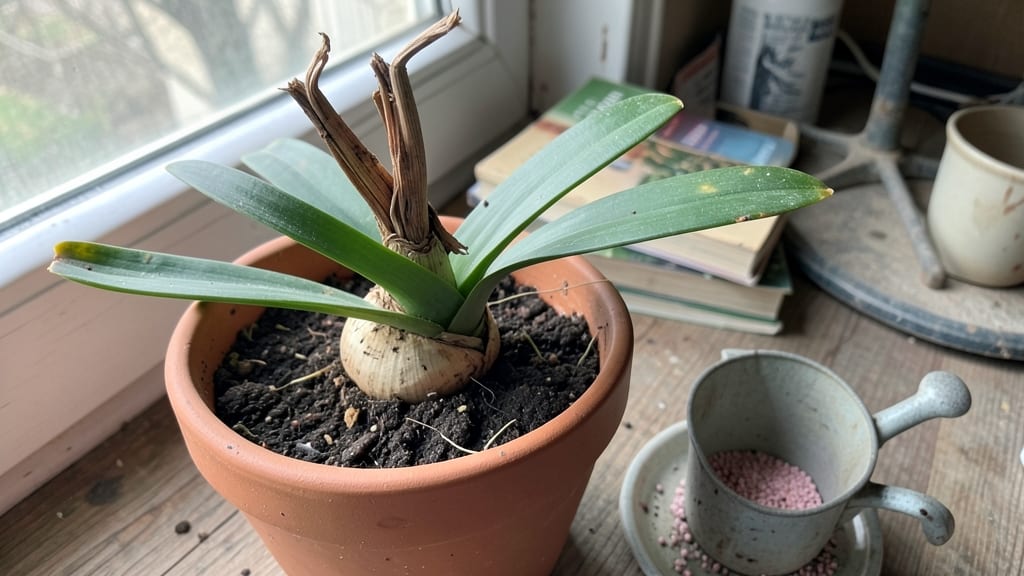
Once the care after flowering fades from your amaryllis, the real secret to next year’s show begins—dormancy tricks most gardeners miss. I’ve watched my own plants wither after flowering because I didn’t know when to pause the watering or trim those dead stems.
The difference between a reblooming star and a sad, shriveled bulb comes down to these simple steps.
First, cut the flower stalk at the base when it turns brown, but leave the leaves alone—they’re the plant’s energy factory. Reduce watering to just enough to keep the soil slightly moist, and move your pot to a spot with bright, indirect light.
This mimics the natural cycle and signals the bulb to rest for its next big performance. Most people overwater here, thinking the plant needs more, but too much moisture is what kills reblooming dreams.
By late summer, you’ll see the leaves yellowing naturally—that’s your cue to stop fertilizing and let the bulb enter full dormancy. Store the pot in a cool, dark place (like a garage) until late fall, when you’ll bring it back into light and water it lightly.
That’s when the magic happens: new shoots appear, and you’re back to planning for another spectacular display. The key is patience and precision.
Troubleshooting is easy once you know the signs: yellow leaves mean overwatering or too much light; no rebloom? Your dormancy period might’ve been too short. Adjust and repeat—your amaryllis will thank you with blooms that steal the show again. Here’s how to get it right the first time.
📚 In This Guide
- What you need
- Instructions
- Tips and common mistakes
- Wrapping up and next steps
What you need
- ● Well-draining potting mix: 1 bag (1–2 cubic feet) of cactus/succulent mix or a blend of 50% peat moss, 30% perlite, and 20% coarse sand.
- ● Pot with drainage holes: 1–2 inches larger in diameter than the bulb’s current pot (terracotta or ceramic preferred).
- ● Watering can or spray bottle: With a rose or fine-mist nozzle to avoid overwatering.
- ● Pruning shears or sharp scissors: Sterilized to prevent disease (rubbing alcohol wipe recommended).
- ● Fertilizer: 1 bottle of balanced liquid fertilizer (e.g., 10-10-10 or 20-20-20, diluted to half-strength).
- ○ Slow-release bulb fertilizer (optional but helpful for dormant care).
- ● Bright, indirect light source: A south- or east-facing window or a grow light (12–14 hours/day during dormancy).
- ○ Thermometer (optional but helpful): To monitor temperatures (ideal range: 60–70°F during dormancy).
- ● Humidity tray: A shallow tray with pebbles and water to maintain 40–50% humidity.
- ● Mulch or decorative stones: For aesthetic appeal and slight moisture retention.
- ● Growth regulator (e.g., B1 vitamin spray): To encourage bulb health during dormancy.
- ● Plant labels: To track watering/fertilizing schedules.
Step-by-Step guide to amaryllis care after flowering
Here’s how I keep my amaryllis thriving year after year—no guesswork, just proven dormancy tricks.
Stop Watering and Let Flowers Fade Naturally
Once your amaryllis blooms finish, stop watering completely. Let the foliage stay attached until it turns yellow and crispy—this is how the plant stores energy for next year’s blooms. I know it seems counterintuitive, but cutting the stems too soon starves the bulb of nutrients.
Watch for the leaves to brown completely before taking action. This usually takes 4-6 weeks after flowering. If you’re in a humid climate, this process might take longer—just be patient. The goal is to let the bulb fully recharge before dormancy.
Trim Dead Foliage and Move to Dormancy Conditions
Once the leaves are fully brown and dry, trim them back to about 1 inch above the bulb. Use clean, sharp scissors to avoid damaging the bulb itself. This step is crucial because it signals the plant it’s time to rest.
Move the pot to a cool, dry spot with temperatures between 50-60°F. A basement, garage, or even an unheated porch works well. Avoid bright light during dormancy—just keep it in a dark corner. I store mine in a cardboard box with a few holes for airflow.
Check for Pests and Monitor Moisture
While in dormancy, inspect the bulb for signs of pests like spider mites or mealybugs. Wipe the bulb gently with a damp cloth if you spot any. A little prevention now saves headaches later. I also check the soil—it should be completely dry by now.
Only water sparingly during dormancy—just enough to keep the soil from shrinking away from the bulb. Overwatering here is a common mistake that leads to rot. A quick finger test tells me if moisture is right: if the top inch of soil feels dry, it’s fine to add a tiny bit of water.
Wake the Bulb from Dormancy in Early Fall
About 8-10 weeks after flowering, or in early fall, it’s time to wake your amaryllis. Bring the pot back to a warm spot (65-75°F) and start watering lightly. You’ll see new growth within 2-3 weeks—that’s your sign everything is working.
Resist the urge to fertilize just yet. Wait until you see 2-3 inches of new growth before applying a balanced fertilizer. This gradual approach ensures the bulb isn’t shocked and grows strong for next year’s blooms.
Tips & tricks for perfect amaryllis dormancy care
Keeping your amaryllis healthy between blooms is all about patience and precision—here's how to master the dormancy process without losing next year's spectacular flowers.
Timing is Everything: The 4-6 week window in Step 1 is critical for letting the bulb fully recharge. If you live in a humid climate, this process can stretch to 8 weeks—don't rush it. I've seen bulbs that were cut too soon produce only half-sized blooms the following year. The yellowing leaves are actually storing nutrients for next season, so let them complete their natural cycle.
Trim with Precision: When you reach Step 2 and trim the dead foliage to just 1 inch above the bulb, use a clean, sharp pair of scissors or pruners. Dull blades can crush the bulb, and dirty tools might introduce pathogens. I always wipe my tools with rubbing alcohol between cuts to prevent any contamination that could harm the dormant bulb.
Temperature Matters: Maintaining those 50-60°F conditions in Step 2 is more important than you might think. Too warm and the bulb might wake up prematurely, while too cold can slow down the natural dormancy process. I've found that a basement with a small window for airflow works perfectly—just avoid direct drafts that can cause temperature fluctuations. A simple thermometer in the storage area helps monitor conditions without guesswork.
Pest Prevention: During dormancy in Step 3, pests like spider mites can still appear on the bulb. I've learned the hard way that a quick inspection with a magnifying glass can catch problems early. If you spot any pests, wipe the bulb with a damp cloth and consider applying a light horticultural oil spray. The key is to act immediately—once pests establish themselves, they're much harder to eliminate.
Pro Tips for Amaryllis Care After Flowering
- Keeping your amaryllis healthy between blooms is all about patience and precision—here's how to master the dormancy process without losing next year's spectacular flowers.
- Timing is Everything: The 4-6 week window in Step 1 is critical for letting the bulb fully recharge.
- Trim with Precision: When you reach Step 2 and trim the dead foliage to just 1 inch above the bulb, use a clean, sharp pair of scissors or pruners.
Frequently asked questions
Got questions about keeping your amaryllis thriving after those stunning blooms fade? You’re not alone! Here are some of the most common concerns—and expert answers to help you prep for next year’s showstopper flowers.
What should I do with the amaryllis bulb after the flowers die?
Once the blooms wilt, don’t cut the flower stalk—leave it until it turns yellow and dies back naturally. This redirects energy to the bulb for next year’s growth. Snip it at the base only after it’s fully brown and crispy.
How long does amaryllis dormancy last, and when can I replant?
Dormancy typically lasts 8–12 weeks after flowering. Replant your bulb in fresh potting mix in early fall (around September–October) to encourage a winter bloom cycle. If you’re in a warm climate, adjust timing to align with cooler months.
Can I force my amaryllis to rebloom in the same year?
Unfortunately, no—amaryllis bulbs need a full dormancy period to store energy for blooming. Forcing a second bloom in one year weakens the bulb and may reduce (or eliminate) future flowers. Patience pays off!
Why did my amaryllis bulb shrivel or rot during dormancy?
Overwatering or poor drainage are the top culprits. During dormancy, water only when the top 1–2 inches of soil are dry. Ensure your pot has drainage holes, and avoid letting the bulb sit in soggy soil. If rot occurs, trim away mushy areas and replant in fresh, well-draining mix.
Should I fertilize my amaryllis after it flowers?
Wait until after dormancy (when you replant in fall) to fertilize. Use a balanced, water-soluble fertilizer (like 10-10-10) diluted to half-strength. Avoid fertilizing during dormancy—it stresses the bulb.
Can I keep my amaryllis outdoors after flowering?
Only if you live in a USDA Zone 9–11 (mild winters). In colder climates, bring it indoors for dormancy. Outdoors, protect it from frost and direct sun, which can scorch the bulb. If left outside, mulch heavily in winter.
Wrapping up and next steps
Caring for your amaryllis after flowering doesn’t have to be complicated—just follow the dormancy tricks to set the stage for stunning blooms next season! 🌱 By adjusting light, water, and nutrients, you’re giving your plant the perfect break to recharge.
With patience and a little TLC, your amaryllis will reward you with even more spectacular flowers in the future.
Ready to put these tips into action? Start now—trim those spent blooms, adjust your care routine, and watch your amaryllis thrive! 🌸