
Landscaping
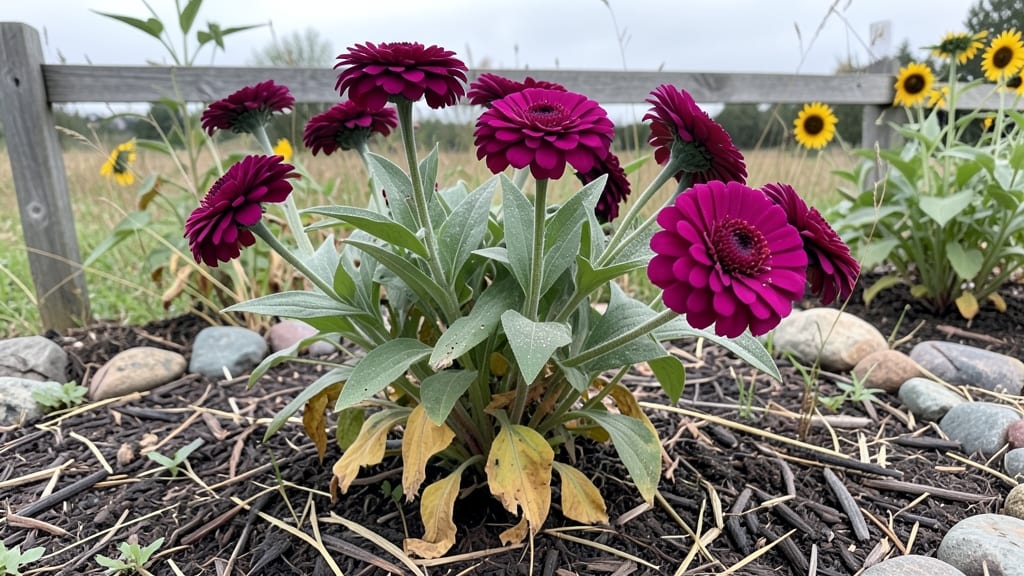
Browse these stunning annual flower garden design pictures for inspiration—your garden doesn’t need to be complicated to bloom beautifully year-round. 🌸 fall with almost no extra work. I’ve designed gardens where the flowers practically take over the maintenance for you.
The magic happens with three simple layers: tall back-row plants like sunflowers or snapdragons for height, mid-height annuals such as salvia or marigolds for texture, and low-spreading flowers like alyssum or lobelia to fill gaps. This structure creates depth and keeps weeds from stealing the show.
You’ll spend less time fussing and more time admiring the results. By the end of the season, you’ll have a garden that feels like a living postcard—bright, lush, and full of life.
The key is spacing plants correctly so they don’t crowd each other out, and I’ll show you exactly how to do that without overthinking it. Let’s make your garden the envy of the neighborhood with minimal effort.
Once you’ve picked your favorites, the real fun begins with arranging them in color blocks or drifts instead of straight rows. This creates a natural, flowing look that’s easier to maintain than formal beds.
For example, pair deep purple salvia with bright orange zinnias for a bold contrast, or mix soft pinks and whites for a dreamy cottage-garden feel. The best part? You can swap out a few plants mid-season to keep things fresh without starting over.
This approach works in any size space, from small containers on a patio to a full backyard border. The designs I’ll share are flexible enough to adapt to your yard’s shape and sunlight, so you don’t need a perfect plot to pull it off.
Let’s dive into the designs that make your garden shine all season long.
📚 In This Guide
- What you need
- Instructions
- Tips and common mistakes
- Wrapping up and next steps
What you need
- ● Annual flowers: Choose a mix of sun-loving and shade-tolerant varieties (e.g., petunias, marigolds, zinnias, impatiens, or snapdragons). Aim for at least 10-15 plants per square foot for a lush look.
- ● Potting soil: 2-3 bags of high-quality, well-draining garden soil or potting mix (avoid heavy clay soil).
- ● Mulch: 1-2 bags of organic mulch (cedar or pine) to retain moisture and suppress weeds.
- ● Fertilizer: A slow-release granular fertilizer (10-10-10 or 20-20-20) or liquid bloom booster for vibrant flowers.
- ● Compost: 1-2 bags of aged compost to enrich the soil naturally.
- ● Garden trowel or hand shovel for planting.
- ● Pruning shears (for shaping and deadheading).
- ○ Watering can or hose with a gentle spray nozzle (drip irrigation is optional but helpful).
- ● Gloves to protect your hands.
- ● Measuring tape or ruler for spacing plants evenly.
- ○ Garden stakes or trellis (optional, for climbing flowers like morning glories or nasturtiums).
- ● A sunny or partially shaded garden bed (6+ hours of sunlight for most annuals).
- ● Access to a water source (gardens need 1-1.5 inches of water per week).
- ● Basic knowledge of plant spacing (check seed packets for guidelines).
- ● Time commitment: 10-15 minutes daily for watering and occasional pruning.
How to design a low-maintenance annual flower garden
Here's the simple approach I use to create vibrant, care-free annual displays that bloom from spring to frost.
🌱 Step 1: Choose a Theme and Color Palette
Pick a cohesive theme like "romantic cottage," "modern monochrome," or "pollinator paradise." I like to mix three colors in equal parts—say, purple, white, and yellow—for instant visual harmony. Sketch a rough layout on paper first; this prevents overcrowding and helps you visualize the final look.
For minimal fuss, select plants with overlapping bloom times. For example, pair early bloomers like snapdragons with mid-season zinnias and late-season cosmos. Check seed packets for days-to-maturity—aim for a spread of 45 to 90 days between your earliest and latest varieties. This ensures continuous color without gaps.
☀️ Step 2: Plan for Sun Exposure and Plant Placement
Group plants by their sun requirements to simplify care. Divide your space into three zones: full sun (6+ hours), partial shade (3-6 hours), and full shade (less than 3 hours). I mark these zones with colored stakes before planting to avoid mistakes.
Tall plants like sunflowers or delphiniums go in the back, medium-height zinnias or salvia in the middle, and low-spreading petunias or lobelia in front. This creates natural layers and prevents leggy growth from plants stretching toward the light. Don't forget to leave 12-18 inches between rows for easy weeding and maintenance.
💧 Step 3: Prepare the Soil and Plant in Stages
Loosen the top 6 inches of soil and mix in a 2-3 inch layer of compost to improve drainage and fertility. Annuals thrive in well-draining soil, so avoid compacting it during planting. I like to add a slow-release granular fertilizer at this stage—just follow the package rate for best results.
Plant in three staggered batches: start with early bloomers 4-6 weeks before last frost, mid-season varieties 2-3 weeks later, and late-season plants when soil warms. This extends your blooms and prevents a single overwhelming planting day. Water deeply after planting to settle the roots.
✂️ Step 4: Maintain with Simple Routine Care
Water in the morning to reduce disease risk, aiming for 1 inch per week during dry spells. I set a rain gauge nearby to track moisture—overwatering is the fastest way to kill annuals. Deadhead spent blooms regularly to encourage more flowers, but don't stress about perfection. Even a few missed blooms won't ruin the look.
Fertilize lightly every 4-6 weeks with a balanced liquid fertilizer. Too much nitrogen makes plants leafy but flower-sparse. Watch for pests like aphids or spider mites, but treat only if they become noticeable. A strong spray of water usually clears them up without chemicals.
🌿 Step 5: Extend the Season with Smart Swaps
When early bloomers fade, replace them with heat-tolerant varieties like vinca or portulaca. I pull up finished plants and replant with new ones in late summer to keep the garden looking fresh. This also prevents soil depletion from continuous planting.
Add mulch around plants to retain moisture and suppress weeds. A 2-inch layer of shredded bark works well and keeps the garden looking neat. As fall approaches, take cuttings from favorite annuals like coleus or geraniums to overwinter indoors—this gives you free plants next season!
Tips & tricks for perfect annual flower garden design
Here's what I've learned after years of creating low-maintenance annual gardens that stay vibrant all season.
Color Planning Tip: In Step 1, when choosing your three-color palette, grab a few fabric swatches or paint samples as reference. The colors should harmonize naturally—think of a classic palette like navy, cream, and blush pink. This visual guide prevents clashing colors that can look overwhelming. I always sketch my layout on graph paper first, using different colored pencils for each plant group. This helps me visualize the final look before digging in the soil.
Sun Exposure Strategy: For Step 2's sun zones, I recommend using different colored flags or stakes to mark each area permanently. This prevents confusion when you're ready to plant, especially if you're working with multiple gardeners or family members. I also suggest planting sun-loving annuals like marigolds or zinnias in the sunniest spots—they're hardy and will thrive even if you make a small mistake with placement.
Planting Schedule Hack: When following the staggered planting in Step 3, I like to create a simple calendar with the three planting dates clearly marked. This visual reminder prevents me from forgetting to plant the mid-season varieties on time. For the late-season plants, I wait until I see the first signs of heat stress on my early bloomers—they'll start to wilt slightly, signaling it's time to add those heat-tolerant varieties.
Maintenance Shortcut: In Step 4, I've found that setting a weekly reminder on my phone for watering days saves me from forgetting. I also keep a small pair of pruning shears in my gardening bag for quick deadheading—it takes just a minute per plant and makes a huge difference in flower production. For pest control, I've had great success with a simple mix of water and a few drops of dish soap in a spray bottle, which I keep handy for quick treatments.
Pro Tips for Annual Flower Garden Design Pictures
- Here's what I've learned after years of creating low-maintenance annual gardens that stay vibrant all season.
- Color Planning Tip: In Step 1, when choosing your three-color palette, grab a few fabric swatches or paint samples as reference.
- Sun Exposure Strategy: For Step 2's sun zones, I recommend using different colored flags or stakes to mark each area permanently.
Frequently asked questions
Got questions about designing a stunning annual flower garden? We’ve got answers! Whether you’re a beginner or a seasoned gardener, these FAQs will help you create a vibrant, low-maintenance space that blooms all season long.
What’s the best time of year to plant annual flowers for continuous blooms?
For season-long color, plant cool-season annuals (like pansies or snapdragons) in early spring, and warm-season varieties (such as zinnias or marigolds) in late spring or early summer. Succession planting—adding new batches every 4–6 weeks—keeps your garden lively from spring to frost!
How often should I water my annual flower garden?
Water deeply 2–3 times per week (more in extreme heat), aiming for 1–1.5 inches of water per session. Early morning is best to reduce evaporation and fungal risks. Mulch (2–3 inches) helps retain moisture and suppresses weeds—saving you time and effort!
Can I mix perennials with annuals in the same garden design?
Perennials (like coneflowers or hostas) provide structure, while annuals (such as petunias or cosmos) fill gaps with bold color. Just ensure perennials aren’t overcrowded—annuals thrive in full sun to partial shade. Plan for perennials to mature slowly, letting annuals shine early in the season.
How do I keep pests away from my annual flowers without chemicals?
Start with healthy soil and resistant varieties (e.g., marigolds deter pests naturally!). Encourage beneficial insects like ladybugs or lacewings by adding neighborhood plants (e.g., dill or fennel). Handpick pests early, and use neem oil or insecticidal soap sparingly if needed.
Are there budget-friendly ways to design an annual flower garden?
Yes! Buy seeds instead of transplants for long-term savings (start with easy-to-grow varieties like sunflowers or cosmos). Repurpose containers (old buckets, boots!) or divide perennials to fill gaps. Visit local plant swaps or dollar stores for affordable blooms. Even a small space can dazzle with smart layering!
What do I do with annuals when the first frost hits?
Most annuals die in frost, but you can harvest seeds (if open-pollinated) or compost spent plants. For next year, take photos of your best designs and note what thrived! Save soil by adding compost, and plan your winter interest plants (like ornamental kale) to bridge the gap.
Wrapping up and next steps
Designing an annual flower garden that bursts with color year-round doesn’t have to be complicated—just strategic! 🌸 By choosing the right mix of seasonal blooms, prioritizing low-maintenance varieties, and embracing layered planting, you’ll create a vibrant, fuss-free oasis that keeps your outdoor space lively from spring to frost.
Whether you’re a seasoned gardener or just starting, the key is to plan ahead, experiment boldly, and enjoy the process.
Ready to transform your space? Grab your sketchbook, snap some inspiration from our gallery, and start sketching your dream garden today! 🌿 Next, dive into seasonal planting guides or explore DIY garden hacks to bring your vision to life—one petal at a time.