
Flowers
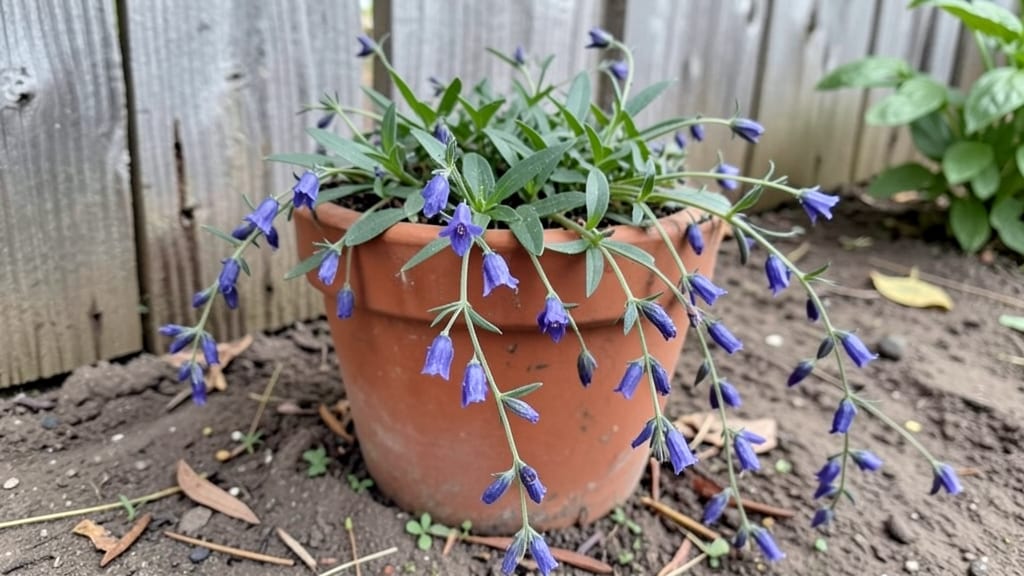
Creating a hummingbird haven with annual small purple flowers transforms any container into a buzzing, vibrant oasis. 🌸 I’ve designed this mix to attract pollinators while adding effortless charm to patios, balconies, or garden edges—no green thumb required.
The secret lies in pairing fast-spreading fillers like bacopa with trailing lobelia and upright petunias for layered texture and continuous blooms.
This recipe works in 10- to 12-inch containers or window boxes, using just three types of plants: a spiller (lobelia), a thriller (petunia), and a filler (bacopa). All three thrive in bright light, need minimal deadheading, and bloom from early summer until frost—perfect for seasonal color without fuss.
The purple hues create a cohesive look while drawing hummingbirds with their nectar-rich blooms.
By midsummer, your containers will burst with velvety purple cascades and tiny star-shaped flowers that hummingbirds can’t resist. The mix stays compact yet lush, ideal for small spaces or urban gardens where vertical interest matters.
Plus, the combination repels pests naturally—no chemicals needed. Ready to turn empty pots into pollinator magnets?
Works equally well in modern minimalist pots or rustic wooden boxes, and adapts to cottage-style borders too. Swap varieties for regional climates (e.g., calibrachoa in hot zones), but the purple theme remains foolproof. Let’s get planting—your hummingbirds will thank you.
📚 In This Guide
- What you need
- Instructions
- Tips and common mistakes
- Wrapping up and next steps
What you need
- ● Annual Purple Flowers: 3–5 plants per 12-inch container (e.g., Lobelia erinus, Petunia 'Wave Purple', or Calibrachoa). Choose compact varieties for containers.
- ● Potting Mix: 1–2 bags (1–2 cubic feet) of well-draining, peat-free mix (e.g., Miracle-Gro Potting Soil or Black Gold Natural & Organic).
- ● Containers: 2–4 12–14 inch diameter pots with drainage holes (terracotta, fiber, or plastic).
- ○ Mulch (optional): 1 bag of orchid bark or coconut coir to retain moisture.
- ● Garden Gloves (1 pair) – Protect your hands from thorns or soil.
- ● Trowel or Small Shovel – For planting and mixing soil.
- ● Watering Can (1) – With a rose nozzle for gentle watering.
- ● Balanced Fertilizer (e.g., 10-10-10 or 20-20-20) – 1 small bottle for feeding.
- ○ Pruning Shears (optional) – For trimming spent blooms.
- ● Sunlight Spot: 4–6+ hours of direct sun daily (adjust for partial shade if needed).
How to create a hummingbird haven with annual purple flowers in containers
Here’s how I design vibrant, pollinator-friendly displays that attract hummingbirds all season long.
🌱 Step 1: Select the Right Purple Annual Varieties
Choose compact, nectar-rich annuals like lobelia, cleome, salvia, or petunia—all thrive in containers and produce small purple blooms hummingbirds adore. I avoid tall varieties that topple over; instead, I opt for 6-12 inch plants that stay contained. Check seed packets for days to maturity—aim for 30-60 day varieties to ensure continuous blooms.
Mix colors for visual appeal, but include at least 70% purple to create a cohesive hummingbird magnet. For example, pair purple lobelia with white petunias—the contrast makes flowers stand out to birds. Plant in 4-inch pots first to test growth habits before committing to final containers.
🪴 Step 2: Prepare Containers and Soil for Pollinator Success
Use 10-12 inch containers with drainage holes—hummingbirds prefer shallow, saucer-shaped pots that retain moisture without waterlogging roots. Fill with a lightweight potting mix blended with 20% perlite to improve drainage. I add a slow-release fertilizer (10-10-10) to the mix—this ensures steady nutrition without burning tender roots.
Pre-moisten the soil until it’s evenly damp but not soggy. Press it down gently to remove air pockets, but don’t compact it—roots need room to spread. Place a 1-inch layer of gravel at the bottom if your containers lack drainage holes; this prevents soil from clogging the holes and keeps roots oxygenated.
☀️ Step 3: Plant for Height, Color, and Hummingbird Appeal
Arrange plants in odd-numbered groupings (3, 5, or 7) for natural balance. Place tallest varieties (like cleome) in the center, medium-height (salvia) in the middle tier, and trailing or low-growing (lobelia) at the edges. Space plants 6-8 inches apart—crowding stresses roots and reduces bloom production.
Water gently after planting to settle the soil around roots. Avoid wetting foliage, as damp leaves encourage fungal diseases. Place containers in morning sun with afternoon shade—this prevents leaf scorch while keeping blooms accessible to hummingbirds. Move containers a few inches daily to encourage even growth and prevent leaning toward the light.
💧 Step 4: Water and Feed for Continuous Blooms
Water every 2-3 days until the top inch of soil feels dry. Hummingbirds prefer well-hydrated plants with abundant nectar, but soggy soil invites root rot. I water at the base of the plant in the morning to allow foliage to dry before evening—this reduces disease risk. Use a watering can with a fine rose to avoid disturbing soil or damaging delicate stems.
Feed with a liquid bloom booster (20-20-20) every 2 weeks during the growing season. Purple annuals respond well to high-phosphorus fertilizers, which encourage vibrant, long-lasting blooms. Stop fertilizing 4-6 weeks before the first frost—this helps plants harden off naturally. Deadhead spent blooms weekly to redirect energy into new flowers.
⏰ Step 5: Maintain and Extend the Hummingbird Season
Watch for aphids or spider mites, which thrive on stressed plants. Treat infestations immediately with neem oil—it’s safe for hummingbirds and won’t harm beneficial insects. I also rotate containers every 2 weeks to ensure even sun exposure and prevent pests from establishing colonies.
To extend the season, replace fading plants with late-summer varieties like purple verbena or cosmos as original blooms decline. Hummingbirds rely on continuous nectar sources, so staggered planting keeps them visiting. By mid-fall, you’ll have a nonstop purple display that attracts birds until the first frost.
Tips & tricks for perfect hummingbird haven containers
These simple yet powerful strategies will transform your container garden into a hummingbird magnet that thrives all season.
Variety Selection Matters: In Step 1, when choosing your purple annuals, prioritize plants that bloom continuously rather than just once. Lobelia and cleome are my top picks because they produce nonstop small purple flowers that hummingbirds can't resist. I've found that mixing 30-60 day maturity varieties ensures you'll always have something in bloom—start with fast-growing lobelia (30 days) and pair it with slightly slower cleome (45-60 days) for a staggered display.
Soil Preparation Secret: The 20% perlite mix in Step 2 isn't just about drainage—it creates the perfect air-to-water ratio that roots love. I always pre-moisten the soil until it's "evenly damp but not soggy" because this mimics natural rainfall patterns. Pro tip: Add a handful of worm castings to your potting mix for extra nutrients that boost bloom production without burning tender roots.
Plant Arrangement Strategy: When arranging your plants in Step 3, think about hummingbird flight paths. Place your tallest varieties (cleome) in the center where birds can easily spot them from a distance, then surround with medium-height (salvia) and trailing varieties. I space mine 6-8 inches apart but create clusters of 3-5 plants together—this mimics natural plant groupings that attract pollinators.
Watering Wisdom: The 2-3 day watering schedule in Step 4 works perfectly in most climates, but I've learned to adjust based on container size. For 10-12 inch containers, this schedule maintains ideal moisture without waterlogging. My secret? I always water at the base using a fine rose attachment—this prevents wetting foliage while delivering water exactly where roots need it most.
Pro Tips for Annual Small Purple Flowers
- These simple yet powerful strategies will transform your container garden into a hummingbird magnet that thrives all season.
- Variety Selection Matters: In Step 1, when choosing your purple annuals, prioritize plants that bloom continuously rather than just once.
- Soil Preparation Secret: The 20% perlite mix in Step 2 isn't just about drainage—it creates the perfect air-to-water ratio that roots love.
Frequently asked questions
Got questions about growing annual small purple flowers to attract hummingbirds? You’re not alone!
Here are answers to the most common queries to help you create a buzzing, beautiful container garden.
What’s the best time to plant annual small purple flowers for hummingbirds?
Plant your seeds or seedlings after the last frost in your region—typically mid-to-late spring. For faster blooms, opt for transplants in early summer. Hummingbirds love continuous nectar, so stagger plantings every 2–3 weeks for a nonstop floral feast!
Which small purple annuals are easiest for containers and hummingbirds?
Top picks include lobelia, petunias, fuchsia, and salvia. These thrive in pots, bloom prolifically, and pack nectar-rich flowers. Mix textures (like trailing lobelia + upright salvia) for a dynamic look!
Why aren’t my small purple flowers attracting hummingbirds?
Check these fixes: Red/purple flowers (hummingbirds’ favorites) must be bright and accessible. Ensure plenty of blooms (deadhead spent flowers!) and no pesticides. Add a shallow water source nearby—hummingbirds love to sip while they dine.
Can I reuse soil from last year’s purple flower containers?
Yes, but refresh it! Mix old soil with 20% compost and a slow-release fertilizer to replenish nutrients. Avoid overcrowding—containers dry out faster, so amend with perlite or coconut coir for drainage. Pro tip: Sterilize soil with heat (microwave for 2 mins) if pests were an issue last year!
How do I keep my small purple flowers blooming all season?
Deadhead regularly (snip spent blooms at the base) to encourage new flowers. Feed with a balanced liquid fertilizer (like 10-10-10) every 4–6 weeks. Place containers in morning sun + afternoon shade to prevent wilting. Mulch with pebbles to retain moisture!
Wrapping up and next steps
Annual small purple flowers like Lobelia or Petunia aren’t just a feast for the eyes—they’re a hummingbird magnet! By following these simple steps, you’ve created a vibrant, low-maintenance haven that attracts these tiny, dazzling visitors while adding charm to your space.
Whether you’re a gardening newbie or a seasoned pro, your container garden is now a pollinator powerhouse! 🌸
Ready to take it further? Experiment with colors—try mixing in white or pink blooms to see which hummingbirds prefer. Or, share your progress with fellow plant lovers by tagging us @GardenGlowUp—we’d love to see your buzzing success! Happy gardening! 🐦✨