
Tools
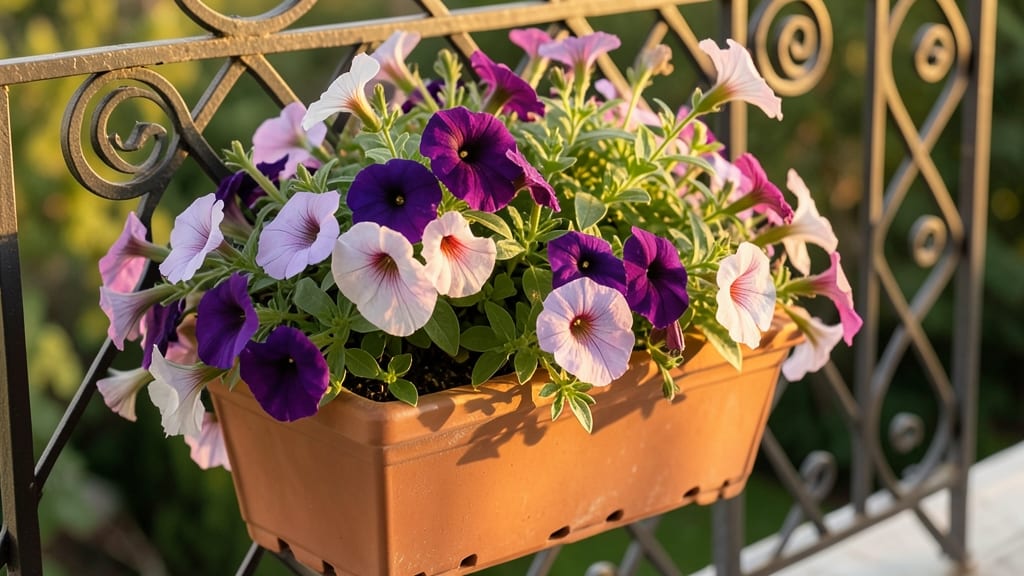
A balcony flower garden in the Pacific Northwest doesn’t have to be a seasonal gamble—frost-resistant blooms can turn your small space into a year-round showstopper. I’ve designed mine to handle chilly mornings and damp afternoons, with plants that thrive in containers while adding color from spring through fall.
The key? Choosing hardy varieties that love cooler climates and won’t wilt when temperatures dip below freezing.
You’ll need just a few basics: lightweight containers with drainage, a mix of sunny and shaded spots, and plants that fit your space—think trailing petunias, sturdy heucheras, or cold-tolerant pansies.
My setup uses hanging baskets and vertical pockets to maximize square footage, so even tiny balconies get a lush, layered look without overwhelming the area. The best part? These plants ask for little beyond occasional watering and deadheading.
By late spring, you’ll have a balcony bursting with vibrant blooms and fragrant foliage, all while keeping maintenance simple. The heucheras add deep greens and purples, the pansies bounce back after frost, and the trailing flowers spill over edges like a waterfall.
Plus, you’ll attract pollinators even in urban settings—hummingbirds love these flowers as much as you will.
This approach works for any Pacific Northwest balcony, from north-facing nooks to south-facing sun traps. Whether you’re working with 50 square feet or a single railing, the same principles apply: prioritize cold-hardy plants, use vertical space, and keep it light. Let’s get your balcony blooming—no matter the weather.
📚 In This Guide
- What you need
- Instructions
- Tips and common mistakes
- Wrapping up and next steps
What you need
- ● Frost-resistant flower seeds or seedlings: Choose from varieties like heuchera, hebe, lavender, salvia, or sedum. (3–5 plants per container, depending on size.)
- ● Balcony planters: 1–2 containers per plant (10–12" deep for most flowers; wider for shrubs). Ensure they have drainage holes!
- ● High-quality potting mix: 1–2 bags (look for well-draining blends with perlite or compost).
- ● Organic fertilizer: Slow-release granules or liquid feed (e.g., fish emulsion or seaweed-based options).
- ● Mulch: 1 bag (e.g., pine bark or cocoa hulls) to insulate roots from frost.
- ● Gloves & knee pads (for comfy planting).
- ● Trowel or small shovel (for digging).
- ● Watering can or hose with nozzle (gentle watering = happy plants!).
- ● Pruners (for trimming dead blooms or shaping plants).
- ○ Optional: Self-watering planters (for busy bees!).
- ● Frost cloth (lightweight fabric to protect tender seedlings).
- ● Decorative stones or pebbles (for a polished look).
- ● ✅ A sunny or partially shaded balcony (most PNW varieties tolerate 4–6 hours of sun).
- ● ✅ Access to water (or a watering schedule—plants need consistency!).
- ● ✅ A little patience (frost-resistant plants may take a few weeks to bloom fully).
Step-by-Step instructions for designing a Pacific Northwest balcony flower garden
Creating a frost-resistant balcony garden in the Pacific Northwest requires careful plant selection and smart design.
Select Frost-Resistant Flower Varieties for Your Climate
The Pacific Northwest's cool, often damp climate demands resilient flowers that thrive in temperatures dipping into the 30s°F. Start with hardy annuals like pansies (which bloom even in light frost) and snapdragons, both of which tolerate 28°F with proper care. For perennials, heuchera (coral bells) and lobelia return year after year, while primrose and columbine handle occasional chills beautifully.
I always cross-reference the USDA Hardiness Zones for my region—Zones 7b-9a—to ensure selections match local frost patterns. Avoid tropical varieties like impatiens; they’ll crisp in the first cold snap. Instead, opt for sweet alyssum or stock flowers, which handle 25°F when sheltered from wind.
Choose Containers and Soil for Optimal Drainage and Insulation
Terracotta pots are ideal for frost resistance—they absorb daytime warmth and release it slowly at night, protecting roots. Use 10-12 inch diameter containers for each plant to allow root expansion, and ensure they have multiple drainage holes to prevent soggy soil, which worsens cold damage. Fill with a lightweight, well-draining potting mix (avoid garden soil—it compacts and holds too much moisture).
Add a 2-inch layer of gravel or perlite at the bottom of each container to improve drainage and insulate roots. I also mix in 10% compost into the top 6 inches of soil to boost organic matter, which helps retain moisture without overheating roots. This combo keeps plants stable through 30-35°F nights.
Arrange Plants for Wind Protection and Sun Exposure
Position your balcony garden against a north-facing wall to block cold winds, which can drop temperatures around plants by 5-10°F. Group taller varieties like delphinium or foxglove on the windward side to create a natural barrier. Place smaller, frost-sensitive flowers like pansies or violas in the leeward side where they’ll benefit from reflected warmth.
Ensure 6-8 hours of sunlight daily, but avoid southern exposures that bake soil—opt for east or west-facing spots instead. If your balcony gets afternoon shade, prioritize shade-tolerant varieties like heuchera or begonias. I always test light exposure for a week before planting to avoid transplant shock.
Mulch and Water Strategically to Protect Roots
Apply a 2-inch layer of mulch (like shredded bark or straw) around the top of each container to insulate roots and retain moisture. Mulch acts as a thermal blanket, keeping soil temperatures 5-10°F warmer than ambient air. Avoid organic mulches like wood chips if they’re prone to compacting—stick to inorganic options that allow airflow.
Water deeply in the late afternoon before temperatures drop, but avoid wetting foliage, which can freeze and damage leaves. Let the top inch of soil dry between waterings—overly wet soil conducts cold more efficiently. I use a soaker hose to deliver moisture directly to roots without disturbing the mulch layer.
Monitor and Adjust for Early Frost Warnings
Check the National Weather Service for frost advisories and act 24 hours in advance. Move containers indoors or to a sheltered corner if temperatures are forecasted to drop below 32°F. For sensitive plants, drape frost cloth loosely over containers—secure it with stakes to allow airflow but block radiant cold.
If frost hits unexpectedly, cover plants with lightweight blankets or even newspaper (yes, really) to trap residual heat. Remove covers by 10 AM the next day to prevent overheating. I’ve saved entire gardens this way—even 30°F isn’t a death sentence with preparation.
Tips & tricks for perfect balcony flower gardens in the Pacific Northwest
These practical strategies will help you create a thriving, frost-resistant balcony garden that withstands the region's unique climate challenges.
Plant Selection Strategy: When choosing varieties from Step 1, prioritize plants that offer both frost tolerance and visual diversity. For example, pair pansies (which bloom at 28°F) with heuchera for contrasting foliage textures. I always select at least one plant that blooms early in the season to extend your visual interest before summer varieties take over. The key is creating a layered look that remains attractive even when some plants are dormant during cold snaps.
Container Material Science: While terracotta pots are ideal for frost resistance, don't overlook the benefits of fabric grow bags for wind protection. These flexible containers reduce root damage from strong winds that can drop temperatures around plants by 5-10°F as mentioned in Step 3. For extra insulation, place containers on caulked foam pads to prevent heat loss through the bottom. This simple addition can make the difference between survival and damage during 30°F nights.
Light Exposure Testing: Before finalizing your arrangement in Step 3, conduct a sunlight audit by placing a white sheet on your balcony at different times of day. Mark the sun's shadow patterns to identify truly shaded areas. This helps you avoid transplant shock by placing shade-tolerant varieties like begonias in areas receiving less than 6 hours of sunlight. I've found that even east-facing balconies can have microclimates where afternoon sun creates heat pockets—use this test to position heat-sensitive plants accordingly.
Emergency Frost Protection: For the 24-hour advance warning mentioned in Step 5, create a frost protection kit with clear plastic domes (like large salad containers) that can be placed over sensitive plants. These create mini greenhouses that trap heat while allowing light and air circulation. Keep a supply of bubble wrap on hand too—it's surprisingly effective at insulating foliage when temperatures drop below 32°F. I've used this method to protect stock flowers during unexpected late-season frosts with excellent results.
Pro Tips for Balcony Flower Garden
- These practical strategies will help you create a thriving, frost-resistant balcony garden that withstands the region's unique climate challenges.
- Plant Selection Strategy: When choosing varieties from Step 1, prioritize plants that offer both frost tolerance and visual diversity.
- Container Material Science: While terracotta pots are ideal for frost resistance, don't overlook the benefits of fabric grow bags for wind protection.
Frequently asked questions
Got questions about creating a stunning, frost-resistant balcony flower garden in the Pacific Northwest? You’re not alone! Here are some of the most common queries—and their practical solutions—to help you grow with confidence.
What are the easiest frost-resistant flowers for a PNW balcony?
Opt for hardy perennials like heuchera (coral bells), hebe, or lamium, which thrive in cooler climates. Annuals like pansies and snapdragons also handle light frosts well. For containers, mix in sedum or fuchsia—both bounce back after chilly nights!
How do I protect my balcony flowers from late spring/early fall frosts?
Use frost cloths or lightweight row covers for tender blooms. Group containers close together to trap warmth, and avoid overwatering before frost—wet leaves freeze faster. Elevate pots slightly off the deck to prevent cold air pooling. A pro tip: move potted plants near a south-facing wall during cold snaps!
Can I grow a balcony garden in partial shade?
Choose shade-tolerant varieties like impatiens, begonias, or ferns. Even sun-lovers (e.g., geraniums) can thrive with 4–6 hours of morning sun. Just avoid placing containers in deep shade—most flowers need some light to bloom.
What’s the best soil mix for frost-resistant balcony plants?
Use a well-draining potting mix with added perlite or sand (20–30%) to prevent root rot. For heavy clay soils common in the PNW, amend with compost or coconut coir. Pro tip: A 1-inch layer of mulch (like bark chips) on top retains moisture and insulates roots!
How often should I fertilize frost-hardy balcony flowers?
Feed lightly every 4–6 weeks during growing season (spring–fall) with a balanced, water-soluble fertilizer (10-10-10). Reduce feeding in winter—most frost-resistant plants rest then. Over-fertilizing can weaken roots, making them more vulnerable to cold. Use organic options like fish emulsion for a gentle boost!
Where can I buy PNW-friendly balcony flower seeds or starts?
Local nurseries (e.g., Hamm’s Nursery or Logee’s) specialize in cold-hardy varieties. Online stores like Baker Creek Heirloom Seeds or Proven Winners offer frost-resistant picks. Check seed packets for USDA Zone 7–9 ratings—ideal for the PNW!
Wrapping up and next steps
Creating a balcony flower garden with frost-resistant varieties is a rewarding way to bring color and life to your Pacific Northwest space—even when temperatures drop! 🌸 With the right plants, tools, and care, you’ll enjoy a thriving oasis that withstands cooler climates while adding charm to your home.
Start small, experiment with textures, and don’t forget to protect your blooms during unexpected frosts.
Ready to transform your balcony? Pick 2-3 frost-hardy favorites, gather your supplies, and get planting! For extra inspiration, browse local nurseries or join gardening groups to swap tips—and maybe even some cuttings. Your future self (and pollinators!) will thank you. 🌿✨