
Blooming
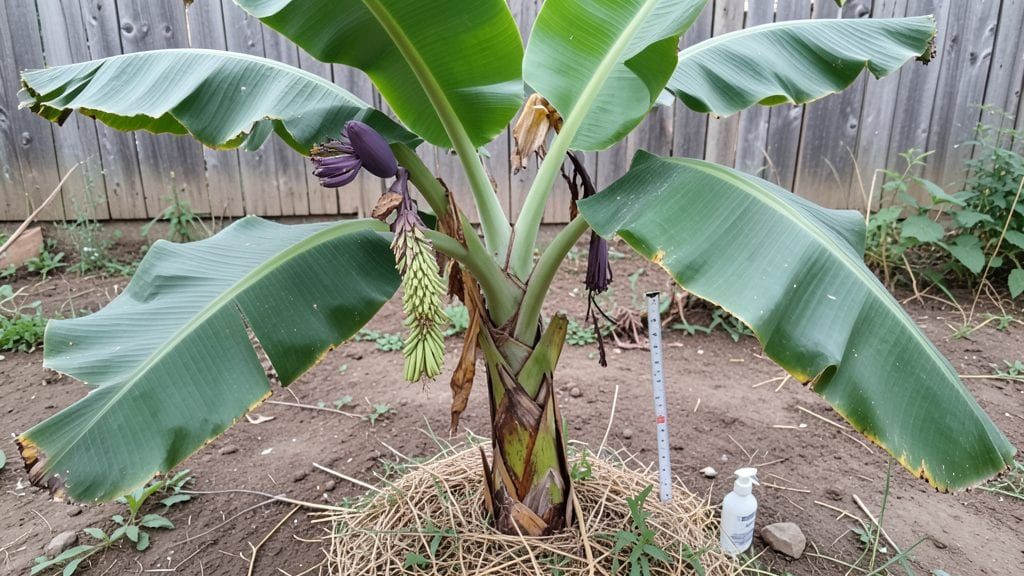
The banana tree flowering stages transform a simple bud into nature’s most dramatic fruit-making spectacle—starting with that first purple or red spike. 🌺 This isn’t just a bloom; it’s a 4-phase journey from tight bud to a bunch of bananas, and... each stage needs the right care to succeed.
I’ve watched my own trees go from hopeful spikes to heavy harvests, and the difference comes down to understanding what your plant needs at every turn.
First comes the flower spike emergence, when the tree sends up a dramatic, foot-long stalk covered in tiny, tightly packed blooms. This is where temperature and sunlight become critical—too much heat can stress the plant, while bright indirect light keeps it energized.
Then comes the pollination phase, where the flowers open one by one over days, revealing the tiny white blossoms that bees and wind will visit. Without this step, no fruit forms, so protecting pollinators (or hand-pollinating in greenhouses) is key.
By the time you see the first fruitlets forming, you’ll know you’re in the home stretch. These tiny green fingers start out hard and bitter but gradually soften as they grow.
Here’s where consistent watering and balanced fertilizer pay off—the tree needs strength to support the weight of a mature bunch. With the right care, you’ll go from bud to harvest in just 6-9 months, depending on the variety.
Whether you’re growing in a tropical climate or a container in zone 10, the same principles apply. The biggest mistake? Assuming the tree will handle everything on its own.
Pay attention to the leaves’ color, the firmness of the fruit, and how the plant responds to your care—those are the clues to a bountiful harvest. Let’s break down each stage so you can support your tree exactly how it needs.
📚 In This Guide
- What you need
- Instructions
- Tips and common mistakes
- Wrapping up and next steps
What you need
- ● Banana tree (Musa spp.) – A healthy, mature plant (3+ years old) with a pseudostem at least 6–8 feet tall.
- ● Pruning shears or sharp knife – For trimming dead leaves or inspecting the bud (sterilize with rubbing alcohol!).
- ● Garden gloves – To protect your hands while handling sharp edges or sap.
- ● Notebook & pen – For tracking flowering stages, dates, and observations.
- ● Camera or smartphone – To document each stage (bonus points for time-lapse!).
- ● pH testing kit – To check soil pH (ideal range: 5.5–7.0 for optimal flowering).
- ● Slow-release fertilizer (10-10-10 or banana-specific) – 1–2 lbs per 100 sq ft of soil, applied 2–3 months before bud emergence.
- ● Watering can or hose with a gentle nozzle – Banana trees need 1–2 inches of water weekly (more during flowering).
- ● Growth regulator (e.g., ethephon or hydrogen cyanamide) – Use sparingly to encourage flowering in tropical climates (follow label instructions!).
- ● Mulch (straw or wood chips) – 2–3 inches thick to retain moisture and regulate soil temp.
- ● Support stakes or trellis – If your banana plant is top-heavy during flowering.
- ● Humidity tray or misting bottle – Especially useful in dry climates to mimic tropical conditions.
- ● Soil moisture meter – To avoid over/under-watering during critical stages.
How to identify and care for each banana tree flowering phase
Watch your banana tree transform from a bold leafy stalk to a fruiting wonder—here’s how to recognize and support each stage.
🌱 Step 1: The Emerging Pseudostem Bud
The first sign of flowering appears when a tight, purple or red bud forms at the top of your banana plant’s pseudostem. This is your banana heart, the precursor to the flower spike. It typically emerges after 6-12 months of growth, depending on your variety and climate. I always check for this bud in late spring or early summer when days lengthen—banana trees need 12+ hours of sunlight daily to trigger flowering.
Don’t prune nearby leaves yet, even if they look crowded. The bud needs all the energy it can get. Gently water the base of the plant to keep soil moist but not soggy—banana trees hate soggy roots. You’ll see the bud grow 1-2 inches per week until it’s ready to unfurl.
☀️ Step 2: The Unfurling Flower Spike
Once the bud reaches 6-12 inches tall, it will begin to unfurl like a tight purple fist opening into a 6-foot-long flower spike (called an inflorescence). This process takes 3-7 days, and you’ll notice the spike drooping slightly under its own weight. This is normal—banana flowers are heavy and need support.
Here’s where it gets interesting: the spike blooms from the bottom up, with tiny male flowers opening first, followed by female flowers (which develop into fruit). I like to stake the spike lightly with a bamboo cane to prevent it from snapping. Avoid fertilizing now—your plant is redirecting energy to flowering, not foliage.
🌿 Step 3: Fruit Bunches Begin to Form
Within 2-4 weeks of the spike unfurling, you’ll see small green bunches forming at the base of the female flowers. These are your banana hands, and they’ll grow rapidly. This is the most critical stage for fruit development—consistent watering and potassium-rich fertilizer (like a 20-20-20 blend) will determine fruit quality.
Watch for yellowing leaves at the base of the plant—this is normal as nutrients shift to the fruit. If you notice brown tips on new leaves, reduce water slightly and increase humidity with a light misting in the mornings. The hands will grow 1-2 inches per week, and you’ll hear them rustling in the breeze as they fill out.
🍌 Step 4: Fruit Ripening and Harvest Time
Bananas ripen from the outside in, starting with the bottom hands. When the fruit turns yellow with small brown speckles, it’s ready to harvest. This usually takes 3-5 months from flowering, depending on your variety. I like to pick them when they’re still slightly firm—they’ll ripen faster indoors than on the tree.
To harvest, cut the entire bunch with a clean, sharp knife, leaving a 1-inch stem. Hang the bunch upside down in a cool, shaded spot (like a garage) to ripen evenly. Check daily—overripe bananas turn mushy quickly. Once harvested, your banana tree will produce 1-2 more flower spikes before dying back, but you’ll already have new suckers growing at the base for next season.
Tips & tricks for perfect banana tree flowering stages
These simple insights will help you nurture your banana tree through each delicate phase of flowering and fruiting.
Sunlight Secret: During Step 1, when that purple bud first appears, make sure your banana tree gets at least 12 hours of sunlight daily. I've seen buds fail to unfurl when trees were moved to shadier spots after flowering began—banana trees need consistent light to trigger and sustain flowering. Position your tree where it gets morning sun and afternoon shade if temperatures exceed 90°F.
Support System: In Step 2, when your flower spike unfurls, don't underestimate its weight! I've seen 6-foot spikes snap under their own weight, ruining the entire harvest. Use a lightweight bamboo cane or wooden stake to gently support the spike while it blooms. Tie it loosely with soft plant ties every 12-18 inches—just enough to prevent bending without restricting growth.
Fertilizer Timing: The most critical stage for fruit development is Step 3, when those green hands begin forming. This is when you should apply potassium-rich fertilizer like a 20-20-20 blend, but here's the key: don't fertilize during Steps 1 or 2. Your plant is redirecting all its energy to flowering, and extra nutrients can actually stress the plant. Wait until you see those first tiny hands appear before adding fertilizer.
Harvesting Hack: When harvesting in Step 4, leave that 1-inch stem attached. I've found this small detail makes a big difference in how quickly bananas ripen indoors. The stem helps maintain moisture flow to the fruit, keeping them fresher longer. Plus, it's easier to hang the bunch upside down for even ripening when you have that extra length.
Pro Tips for Banana Tree Flowering Stages
- These simple insights will help you nurture your banana tree through each delicate phase of flowering and fruiting.
- Sunlight Secret: During Step 1, when that purple bud first appears, make sure your banana tree gets at least 12 hours of sunlight daily.
- Support System: In Step 2, when your flower spike unfurls, don't underestimate its weight!
Frequently asked questions
Got questions about your banana tree’s flowering journey? Here are some of the most common ones—and their answers!
How long does it take for a banana tree to flower after planting?
A banana tree typically takes 9–18 months to flower after planting, depending on the variety and growing conditions. Dwarf varieties may bloom sooner (6–12 months), while larger types like Cavendish can take up to 2 years. Patience is key—rushing with fertilizers or heat can stress the plant and delay flowering.
Why isn’t my banana tree flowering even after a year?
Several factors can delay flowering: insufficient sunlight (bananas need 6+ hours of direct light daily), poor soil nutrition (lack of potassium or phosphorus), or immature roots. Check for pests, overwatering, or root-bound conditions. If the pseudostem is still tight and upright, the tree may not be ready yet!
How do I speed up the flowering process naturally?
Boost flowering with these tips:
- Sunlight: Ensure full sun exposure (no shade!).
- Fertilizer: Use a potassium-rich fertilizer (like 5-10-10) when the tree is 6+ months old.
- Watering: Keep soil moist but well-draining—overwatering stresses the plant.
- Pruning: Remove old leaves to redirect energy to the growing point.
What’s the best temperature for banana tree flowering?
Banana trees thrive in warm climates (70–90°F / 21–32°C). Temperatures below 50°F (10°C) can shock the plant, halting growth or causing flower buds to drop. If you’re in a cooler zone, grow in containers and move indoors during winter or use row covers for protection.
Can I eat bananas from a first-time flowering?
Yes—but expect smaller, less flavorful fruit! First-time flowers often produce 1–3 bunches with fewer hands (clusters of bananas). Save these for smoothies or cooking. The second flowering usually yields larger, sweeter bananas. Pro tip: Hand-pollinate by gently brushing the flower with a soft brush to improve fruit set!
Wrapping up and next steps
Understanding the banana tree flowering stages transforms growing bananas from guesswork to a rewarding journey! 🌱 From the boot phase to the final fruit, each step reveals nature’s precision—and your role in nurturing it.
Whether you’re a curious gardener or a seasoned grower, recognizing these stages helps you adjust care, troubleshoot issues, and celebrate progress.
Now that you’re equipped with the know-how, take the next step: Observe your banana tree closely! Snap photos of each flowering phase, note changes in leaf size or flower shape, and experiment with care tips like pruning or fertilizing.
Every tree is unique—your attention will make all the difference. Happy growing! 🌟