
Planting
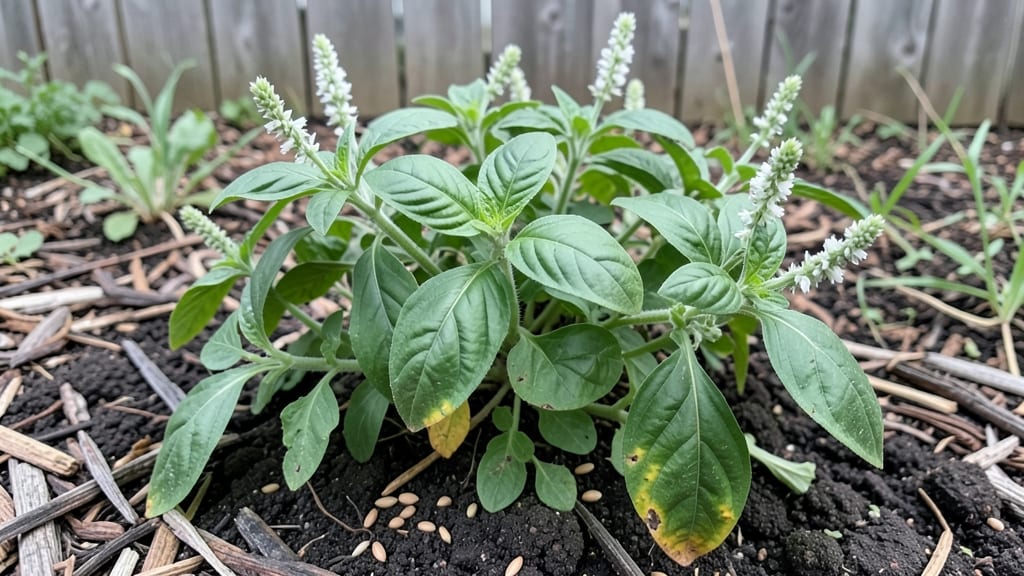
When your basil starts flowering, those seeds are the plant’s way of saying, "Game over for flavor." 🌱 I’ve pulled back blooms just as they opened, only to watch the leaves turn bitter and the plant focus all its energy on making seeds instead of the tender leaves we love.
The good news? With the right timing and technique, you can delay—or even reverse—flowering to keep your basil producing sweet, aromatic leaves for weeks longer.
The secret lies in light, heat, and a little strategic pruning. Basil bolts (starts flowering) when days get longer and temperatures climb, but you can trick it by giving it cooler mornings, afternoon shade, and plenty of water.
Start seeds indoors under grow lights or in a sunny windowsill, then transplant when nights stay above 55°F—but watch for those first flower buds. Snip them off before they open, and you’ll get another harvest cycle.
You’ll end up with a basil plant that keeps delivering bright green, peppery leaves all season long. The leaves stay tender, the flavor stays fresh, and you won’t waste money on store-bought basil that can’t compete.
Even if you miss the first pruning, don’t panic—just keep harvesting leaves regularly to encourage bushier growth. The key is staying ahead of the plant’s natural instincts.
This works for both potted basil on patios and in-ground plants in garden beds. Whether you’re growing for pesto, salads, or just fresh flavor, the same principles apply. Let’s get those seeds started the right way—so you can enjoy basil that tastes like summer, not like a seed catalog.
📚 In This Guide
- What you need
- Instructions
- Tips and common mistakes
- Wrapping up and next steps
What you need
- ● Basil seeds or seedlings: Choose sweet basil (e.g., Genovese) or thai basil for best flavor. If starting from seeds, pick organic, non-GMO varieties for optimal growth.
- ● Well-draining potting mix: 5–10 lbs of lightweight, peat-based or coco coir blend (avoid heavy garden soil).
- ● Containers: For seeds: 4–6 inch pots (1–2 per seedling).
- ● For mature plants: 10–12 inch pots or hanging baskets (with drainage holes!).
- ● Pruning shears or clean scissors: Sterilized (rub with rubbing alcohol) to prevent disease.
- ● Watering can or spray bottle: With a fine mist nozzle for gentle watering.
- ● Slow-release fertilizer: Balanced 10-10-10 NPK or fish emulsion (follow package rates).
- ● Grow lights or sunny windowsill: 6+ hours of direct light daily (south-facing window or LED grow lights).
- ● Rooting hormone: Speeds up propagation when cutting stems.
- ● Humidity dome or plastic wrap: Helps seeds germinate faster in 70–80°F conditions.
- ● pH test kit: Basil thrives in 6.0–7.0 pH—adjust soil if needed.
- ● Glove: Protects hands from sap (can cause skin irritation).
- ● Label markers: Track seed varieties or pruning dates!
Step-by-Step instructions for reviving basil before flowering
Here's how to coax your basil back to leafy glory before those flowers rob it of flavor.
🌱 Step 1: Prune the Flower Stems Immediately
Use clean, sharp scissors to snip off any flower buds or blooms you see. I like to cut just above the leaf node where the flower stem meets the main stem—this encourages new leaf growth from that spot. Don't wait until flowers appear; once they bloom, the plant focuses all its energy on seed production instead of leaves.
If your basil has already formed flowers, cut back the entire flowering stem down to the main stem. You'll sacrifice some growth temporarily, but the plant will bounce back stronger. Watch for new side shoots emerging within a week—that's your signal everything is working.
✂️ Step 2: Trim Back Leggy Growth
Basil often grows leggy when it's flowering or light-starved. Pinch or cut back the top sets of leaves to just above a pair of leaves lower on the stem. This forces the plant to put energy into bushier growth rather than vertical stretching. I usually trim back about 1/3 of the plant's height to encourage compact growth.
Don't worry if it looks sparse after trimming—basil grows back quickly. You'll see new leaves emerging from the nodes within 7-10 days. This is the moment that matters: by removing the old growth, you're telling the plant to focus on leaf production again.
☀️ Step 3: Provide Optimal Light Conditions
Move your basil to a spot with 6-8 hours of direct sunlight daily. A south-facing window is ideal, but if you're using grow lights, position them 6 inches above the plant for 14-16 hours per day. Without enough light, basil will keep stretching and flowering.
If your basil starts leaning toward the light, rotate the pot a quarter turn daily to keep it growing straight. You'll notice leaves becoming darker green and more compact within a few days. This is the best way to prevent future flowering—consistent light keeps the plant focused on leaf production.
💧 Step 4: Water and Fertilize for Recovery
Water your basil when the top inch of soil feels dry. I like to water at the base rather than from above to keep leaves dry and prevent fungal issues. Overwatering stresses the plant and can lead to root rot, which slows recovery.
Feed with a balanced liquid fertilizer (like 10-10-10) diluted to half strength every 2 weeks. This gives the plant the nutrients it needs to bounce back quickly. You'll see new growth within 5-7 days of consistent feeding and proper watering.
🌿 Step 5: Maintain Regular Pruning for Continuous Harvest
Once your basil recovers, keep it bushy by pinching off the tips regularly. This encourages more leaf growth and prevents future flowering. I harvest leaves by cutting just above a leaf node—this keeps the plant productive and prevents it from getting leggy again.
Real talk: basil will always try to flower eventually, especially as days get shorter. But with consistent pruning and care, you can keep it leafy and flavorful for months. Harvest leaves frequently to encourage more growth, and you'll have fresh basil all season long.
Tips & tricks for reviving basil before flowering
Here's what nobody tells you about getting your basil back to leafy perfection—and keeping it that way.
Timing is Everything: The moment you spot those first flower buds, act immediately! Once flowers bloom, your basil's energy shifts to seed production, and you'll lose those tender leaves. I learned this the hard way—waiting even a day meant sacrificing more growth than necessary. Cut those buds off at the stem base while they're still tiny, and you'll see new leaves emerging within that critical 7-day window mentioned in Step 1.
Light Strategy: That 6-8 hours of sunlight isn't just a suggestion—it's non-negotiable for basil recovery. If your windows aren't sunny enough, supplement with grow lights positioned 6 inches above for 14-16 hours daily. I've seen basil go from sad and leggy to bushy and green in just a week with proper light. Pro tip: Rotate your pot daily to prevent leaning—your basil will thank you with straighter growth.
Pruning Technique: When trimming back that 1/3 of the plant's height in Step 2, don't just hack away randomly. Look for the leaf nodes—those little bumps where leaves grow—and cut just above them. This is where new growth will sprout. I always make clean cuts with sharp scissors to avoid damaging the stems, which prevents disease and encourages faster recovery.
Watering Wisdom: The "top inch feels dry" rule is your best friend, but here's the secret: water deeply when you do water. Basil hates soggy roots, but it also hates thirst. I like to water in the morning so the leaves have time to dry completely before nightfall, which prevents fungal issues. And always water at the base—wet leaves can develop mildew, which is the last thing you want when trying to revive your plant.
Pro Tips for Basil Plant Flowering Seeds
- Here's what nobody tells you about getting your basil back to leafy perfection—and keeping it that way.
- Timing is Everything: The moment you spot those first flower buds, act immediately!
- Light Strategy: That 6-8 hours of sunlight isn't just a suggestion—it's non-negotiable for basil recovery.
Frequently asked questions
Got questions about basil flowering and seeds? You’re not alone!
Here are answers to the most common concerns—from timing to troubleshooting—so you can keep your basil thriving and flavorful.
Why does my basil plant flower, and does it ruin the leaves?
Basil flowers as a natural part of its life cycle, signaling it’s ready to produce seeds. While not harmful, flowering reduces leaf flavor and slows growth. The plant redirects energy to seed production instead of tender, aromatic leaves. Pinch off flowers early to encourage more leafy growth!
How long does it take for basil to flower from seed?
Basil typically flowers 6–8 weeks after planting seeds, depending on variety and growing conditions. Dwarf or bush basil may flower faster (4–6 weeks), while larger varieties like Genovese can take longer. Watch for tiny white or purple buds to appear between leaves.
Can I save seeds from flowering basil?
Yes! Once basil flowers, wait until seed pods turn brown and dry (usually 2–3 weeks after flowering). Gently crush the pods to release seeds, then store them in a cool, dry place. Note: Seed viability drops after 1 year, so label and date your collection.
What should I do if my basil only grows flowers and no leaves?
If your basil is overly focused on flowers, it’s likely due to stress (heat, drought, or poor light). Prune aggressively—cut back ⅔ of the plant to 4–6 inches tall. Move it to partial shade and water consistently. Avoid fertilizing until new leaves appear.
Are there basil varieties that flower less or later?
Yes! Genovese, Sweet basil, and Thai basil tend to flower later than dwarf varieties. For slower bloomers, try ‘Spicy Globe’ or ‘Lemon basil’. Pro tip: Plant in containers for easier pruning and control over sunlight exposure.
Wrapping up and next steps
Growing basil from flowering seeds is a rewarding journey that brings fresh, flavorful leaves right to your kitchen! By understanding the key stages—from seed prep to pruning and troubleshooting—you’ll keep your basil thriving and productive.
Don’t let blooms slow you down: act fast, stay consistent, and enjoy the burst of aromatic goodness you’ve cultivated.
Ready to transform your garden or windowsill? Start with fresh seeds, a sunny spot, and a little patience—your next pesto feast is just a pinch away! 🌱✨