
Propagation
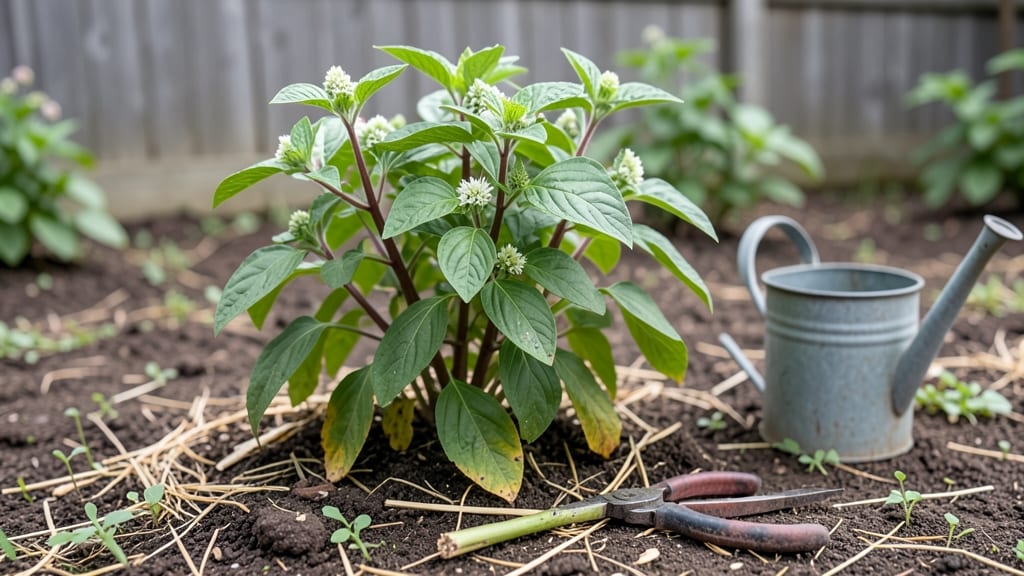
Learning how to keep basil from flowering is the secret to a never-ending stash of tender leaves—because once those buds pop, your pesto dreams are over. 🌱 I’ve lost count of the times I ignored the warning signs, only to watch my supply vanish. overnight.
The good news? Pruning at the right spots and keeping conditions ideal can delay flowering for weeks, even months.
Most gardeners overlook the simple truth: basil flowers because it’s stressed or mature. Too much sun, heat waves, or nutrient imbalances push it into bloom mode.
The fix starts with a sharp pair of scissors and a little patience—pinch off buds early, harvest regularly, and keep it in bright but indirect light. My plants now stay leafy for 8-10 weeks instead of just 4.
You’ll end up with larger, more tender leaves perfect for cooking, and a plant that keeps producing instead of sending energy into flowers. The secret’s in the timing: prune just above leaf nodes and avoid letting it get leggy.
It’s not rocket science—just a few tweaks to outsmart basil’s natural instincts.
Works for both container and in-ground plants, and the same rules apply whether you’re growing sweet basil, Thai basil, or purple basil. Let’s get those stems trimmed and those leaves growing!
📚 In This Guide
- What you need
- Instructions
- Tips and common mistakes
- Wrapping up and next steps
What you need
- ● Fresh basil plants – Potted or garden-grown, preferably Genovese, Sweet, or Thai basil for best results.
- ● Pruning shears or sharp scissors – Clean, sterilized tools to avoid disease (small, 3–4 inch blades work well).
- ○ Gloves (optional but recommended) – Protects hands from sap and dirt (nitrile or garden gloves suffice).
- ● Watering can or spray bottle – For post-pruning hydration (aim for 1–2 cups per plant after trimming).
- ● Balanced liquid fertilizer (5-5-5 or 10-10-10) – 1–2 teaspoons per gallon of water, diluted weekly during growth.
- ● Container or garden space – Ensure basil gets 6+ hours of sunlight daily and well-draining soil.
- ● Plant growth regulator (e.g., Paclobutrazol) – Diluted to 1 tsp per gallon for stubborn flowering stems (use sparingly!).
- ● LED grow lights – If sunlight is limited, 12–16 hours/day of artificial light can delay blooming.
- ● Compost or worm castings – Boosts soil health and nutrient absorption for lush growth.
- ● Harvesting basket or container – Keeps pruned stems organized for pesto or composting.
Step-by-Step instructions for pruning basil to delay flowering
Here's the simple pruning routine I use to keep my basil lush and productive all season long.
✂️ Step 1: Identify and Remove Flower Buds Early
Check your basil plants every 3-5 days for tiny flower buds forming at the leaf joints. These look like small green spikes or clusters—remove them immediately with clean pruning shears. The key is catching them when they're no bigger than a pencil eraser; once they bloom, the plant diverts energy from leaves to flowers.
Pinch off buds between your thumb and forefinger or cut just above the leaf joint with sharp scissors. I always sterilize my tools with rubbing alcohol first to prevent bacterial infections. If you see buds forming in the center of the plant, that's your first warning sign—time to prune more aggressively.
🌿 Step 2: Prune for Bushier Growth (Pinch Back Regularly)
When your basil reaches about 6 inches tall, pinch off the top set of leaves just above a pair of lower leaves. This forces the plant to branch out instead of growing tall and leggy. You'll see new side shoots emerge within 5-7 days—these are your future harvest stems.
Repeat this pinching every 2-3 weeks throughout the growing season. I always do it in the morning after watering, when the plant is turgid and easier to handle. Avoid cutting into woody stems—stick to soft new growth only. The goal is to maintain a compact, bushy shape with plenty of leaf surface area for sunlight.
☀️ Step 3: Provide Optimal Growing Conditions
Flowering is often triggered by stress, so keep your basil in bright, indirect light (4-6 hours of morning sun is ideal). If you notice stems stretching toward the light or leaves getting pale, move the plant closer to the window or supplement with a grow light. The right light prevents the plant from sensing it needs to reproduce quickly.
Water consistently—keep the soil evenly moist but never soggy. I stick my finger 1 inch into the soil; if it feels dry, it's time to water. Overwatering or letting the plant dry out completely both trigger flowering as stress responses. A self-watering pot helps maintain consistent moisture levels.
⏰ Step 4: Harvest Strategically to Encourage Leaf Growth
Harvest leaves regularly by cutting just above a leaf joint to stimulate new growth. I always take the top 1/3 of the plant when harvesting, which encourages branching. Never take more than 20% of the plant at once—this prevents shock and maintains energy for leaf production.
Harvest in the morning after the dew has dried but before the heat of the day. This gives the plant time to recover before evening. I use clean, sharp scissors and make cuts at a 45-degree angle to prevent water from pooling on the stem. The more you harvest, the more the plant focuses on producing leaves instead of flowers.
Tips & tricks for pruning basil to keep it flower-free
A few simple tricks can make all the difference between basil that thrives and basil that bolts. Here's what I've learned from years of gardening:
Timing is Everything: In Step 1, those 3-5 day checks are non-negotiable. I've seen basil go from perfect leaves to flower spikes in just 7 days—once those buds appear, it's too late. Set a phone reminder if needed. The morning after watering is the best time to inspect because the plant is hydrated and easier to handle.
Pruning Technique Matters: When you pinch back in Step 2, always cut just above a leaf joint where new growth appears. I used to make clean cuts across stems, which led to bare spots. The key is to leave those leaf joints intact—they're where new shoots emerge. This creates a bushier plant that produces more leaves instead of flowers.
Light and Water Balance: The 4-6 hours of morning sun in Step 3 is ideal because it prevents stress-induced flowering. Too much direct sun causes heat stress, while too little causes stretching. I keep my basil near an east-facing window where it gets gentle morning light. For watering, I've found that sticking my finger 1 inch deep and watering when it feels dry (not wet) maintains perfect moisture without overwatering.
Harvesting Strategy: In Step 4, never harvest more than 20% of the plant at once—this is crucial. I learned this the hard way when I took too much at once and the plant wilted. Always cut at a 45-degree angle to prevent water pooling, which can cause rot. The morning harvest gives the plant the whole day to recover before evening.
Pro Tips for Keep Basil From Flowering
- A few simple tricks can make all the difference between basil that thrives and basil that bolts.
- Timing is Everything: In Step 1, those 3-5 day checks are non-negotiable.
- Pruning Technique Matters: When you pinch back in Step 2, always cut just above a leaf joint where new growth appears.
Frequently asked questions
about preventing basil from flowering—because even the best gardeners need a little extra help! Here are some common concerns and quick solutions to keep your basil thriving.Why does basil flower so quickly?
Basil flowers as a natural response to long daylight hours and maturity. Once it senses it’s time to reproduce, flowering triggers a drop in flavor and growth. Hot weather, overcrowding, or poor pruning can speed this up. Keep plants well-pruned, hydrated, and in partial shade to delay blooms.
How often should I prune to stop flowering?
Prune basil every 2–4 weeks (or when stems grow 6+ inches) to encourage bushier growth. Pinch off flowers immediately—they rob energy from leaves. For container basil, trim 1/3 of the plant at a time to avoid stress. Consistency is key!
Can I still use basil if it starts flowering?
Yes! Flowering basil isn’t “bad”—it just tastes milder. Harvest leaves below the flowers for the best flavor. If the stems are woody, cut back hard to regrow tender shoots. For pesto or cooking, use leaves from non-flowering stems first.
Does shade really help prevent flowering?
Basil thrives in morning sun + afternoon shade, especially in hot climates. Too much direct sun (especially 100°F+ temps) accelerates flowering. Use dappled shade (like a sheer curtain) or move pots to east-facing windows to slow it down.
What if my basil keeps flowering no matter what I do?
If basil insists on blooming, it may be genetically prone (e.g., Thai basil). Try these fixes:
- Harvest aggressively—trim all flowers and new growth weekly.
- Switch to container growing for better control.
- Use shade cloth (30–50%) to reduce light intensity.
- Consider basil varieties like ‘Genovese’ or ‘Spicy Globe’, which resist flowering longer.
Wrapping up and next steps
Keeping your basil lush and productive is all about timely pruning, proper light, and a little extra care—and you’ve got all the tools to make it happen! 🌿 With these simple techniques, you’ll enjoy fresh, flavorful leaves for weeks longer, turning your garden into a basil powerhouse.
Ready to put your new skills to work? Grab those shears and give your plants a trim today! For even more growing tips, check out our guide on reviving leggy basil plants.