
Flowers
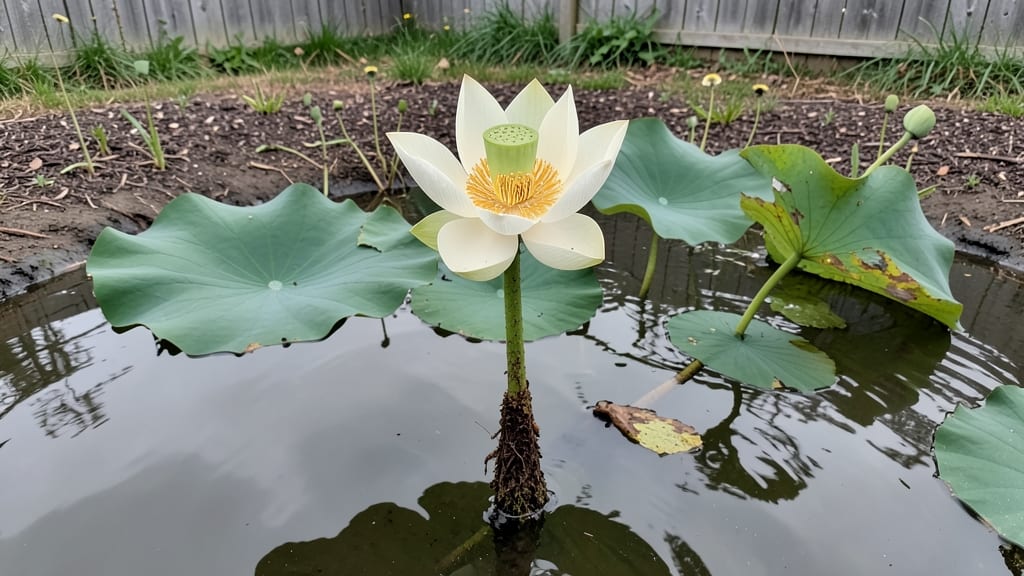
A beautiful lotus flower unfurling above the water’s surface instantly elevates any garden into a serene masterpiece—its velvety petals crafting a timeless, breathtaking focal point. 🌸 I remember the first time I saw one bloom in my backyard pond—it was like watching nature’s own performance unfold.
Lotus flowers thrive in shallow water gardens, adding drama with their striking colors—white, pink, or deep purple—and their ability to rise above the surface every morning. They pair beautifully with water lilies, cattails, or even floating ferns to create layered textures.
The cultural symbolism adds depth too: in many traditions, the lotus represents purity and rebirth, making it more than just a plant—it’s a living work of art.
Imagine your garden in late summer when the blooms are at their peak—sunlight catching the petals as they open, the quiet rustle of leaves, and the way they close at night like a secret.
With the right placement, your pond becomes a tranquil retreat that feels like a hidden sanctuary. The lotus doesn’t just grow; it elevates the entire space.
Whether you’re designing a traditional Asian-inspired garden or a modern water feature, lotuses adapt beautifully. They work in containers too, making them perfect for smaller spaces. The key is giving them enough sunlight and space to spread. Ready to make your water garden unforgettable?
📚 In This Guide
- What you need
- Instructions
- Tips and common mistakes
- Wrapping up and next steps
What you need
- ● Lotus Tubers: 3–5 healthy, dormant tubers (choose varieties like Nelumbo nucifera or Nelumbo lutea for vibrant blooms).
- ● Water Garden Pond: Minimum 18"–24" depth (lotuses thrive in deep, still water).
- ● Pond Soil or Gravel: 2–3 inches of coarse gravel or pond soil for tuber placement.
- ● Pond Liner (if new): Heavy-duty EPDM liner (size based on pond dimensions).
- ● Fertilizer: Slow-release aquatic fertilizer (e.g., Miracle-Gro Shake ’n Feed for aquatic plants).
- ○ Water Pump (optional but helpful): Low-flow pump for gentle circulation.
- ● Floating Plants: Water hyacinth or water lilies to complement the lotus.
- ● Decorative Rocks: Smooth stones or pebbles for aesthetic appeal.
- ● Pond Lighting: Solar-powered LED lights for evening ambiance.
- ● Pond Net: To protect blooms from debris or pests.
Step-by-Step instructions for planting a stunning water garden lotus
Here's how I create a breathtaking centerpiece that thrives year after year.
🪴 Step 1: Select the Perfect Container and Location
Choose a container at least 18 inches deep with a minimum 24-inch diameter for each plant. I recommend a wide, shallow basin or pond liner with shelving to elevate the rhizome. Place it in full sun—lotuses need 6-8 hours of direct sunlight daily for those iconic blooms. A south-facing spot gets the most light, but east or west works too if you have no other option.
Test your location by observing how much sun it gets over a week. If nearby plants cast shadows for more than 2 hours daily, your lotus won't thrive. I always mark the sunniest spot with a temporary stake so I don't accidentally move the container later.
🌱 Step 2: Prepare the Water and Planting Medium
Fill your container with clean, dechlorinated water—tap water contains chlorine that can harm the rhizome. Let it sit uncovered for 24 hours to evaporate chlorine, or add a water conditioner if you're in a hurry. The water should be 60-75°F—too cold slows growth, while hot water can shock the plant.
Add a layer of aquatic soil or sand at the bottom—about 2-3 inches deep—to anchor the rhizome. I use a mix of 50% sand and 50% organic potting mix for drainage while still providing nutrients. Place the rhizome horizontally, 1-2 inches below the water surface, with the eyes (growth points) facing upward.
☀️ Step 3: Plant and Adjust Water Level
Gently spread the roots outward in the planting medium, ensuring they're fully covered but not buried too deep. The rhizome should rest 1-2 inches below the waterline—this prevents rot while allowing roots to access oxygen. Fill the container with water until it reaches just below the rhizome's top, leaving about 1 inch of space. Lotus rhizomes need air to breathe!
Wait 3-5 days before adding more water. This lets the rhizome settle and prevents it from floating. You'll see new shoots within 2-3 weeks—that's your sign everything is working. If the water level drops quickly, top it off with dechlorinated water only.
💧 Step 4: Maintain Water Quality and Fertilize
Change 20-30% of the water weekly to prevent algae and keep it fresh. I use a gravel filter or small pump in larger containers to circulate water and reduce debris buildup. In hot climates, evaporation means you'll need to refill every few days—just use room-temperature water to avoid shocking the plant.
Fertilize once a month during growing season (spring to fall) with a slow-release aquatic plant fertilizer. I sprinkle granules around the rhizome edges—never directly on it. You'll notice larger leaves and more blooms within 4-6 weeks of consistent feeding. Stop fertilizing in winter when growth slows.
✂️ Step 5: Prune and Overwinter for Next Season
After blooming, trim dead stems to 1 inch above the rhizome to encourage new growth. I leave 2-3 healthy stems per plant to maintain energy for next year. In fall, when temperatures drop below 50°F, reduce water levels to just cover the rhizome and move the container to a protected spot if frost is expected.
Cover the container with floating pond plants or a lightweight mesh to insulate it. In warmer climates, lotuses can stay in place year-round, but in colder areas, I dig up rhizomes and store them in moist sand at 40-50°F until spring. You'll see new shoots within 2 weeks of replanting in spring—proof your lotus is ready for another stunning season.
Tips & tricks for perfect lotus flower planting
Creating a stunning lotus garden takes patience and attention to detail—here's how to set yourself up for success from the very beginning.
The Sunlight Secret: Those 6-8 hours of daily sunlight are non-negotiable for vibrant blooms. I've learned the hard way that even partial shade can result in weak stems and few flowers. If your location gets less than 6 hours, consider using a grow light for 2-3 hours daily during the plant's growing season.
Water Temperature Matters: The 60-75°F range is ideal for healthy rhizome growth. In cooler climates, you might need to place your container near a sunny window or use a small submersible heater during early spring. I always test water temperature with a simple thermometer before planting—cold water can shock the rhizome and stunt growth.
Rhizome Positioning: Placing the rhizome 1-2 inches below the waterline is crucial—this prevents rot while allowing roots to access oxygen. I like to use a small rock to weigh down the rhizome temporarily while it settles in Step 3. This ensures it stays in place during the critical first 3-5 days when it's most vulnerable to floating.
Fertilizer Timing: The monthly fertilization schedule during growing season works best when you fertilize right after your weekly water change. This gives the nutrients time to absorb before the next water refresh. I've noticed larger blooms when I fertilize right after the 20-30% water change—it's like giving your lotus a midweek energy boost.
Pro Tips for Beautiful Lotus Flower
- Creating a stunning lotus garden takes patience and attention to detail—here's how to set yourself up for success from the very beginning.
- The Sunlight Secret: Those 6-8 hours of daily sunlight are non-negotiable for vibrant blooms.
- Water Temperature Matters: The 60-75°F range is ideal for healthy rhizome growth.
Frequently asked questions
Got questions about growing and enjoying the beautiful lotus flower? Here are some of the most common ones—plus expert answers to help you create a stunning water garden!
How long does it take for a lotus to bloom after planting?
A lotus flower typically takes 2–3 months to bloom after planting, depending on the variety and growing conditions. Some fast-growing types may bloom sooner, while tropical varieties can take slightly longer. Patience is key—once established, they reward you with breathtaking blooms for weeks!
Can I grow lotus flowers in a small pond or container?
Lotus flowers thrive in containers as long as the root system (rhizome) has at least 12–18 inches of water depth and room to spread. A 5–10 gallon container with drainage holes (for winter care) works well. Just ensure it’s placed in full sun (6+ hours daily) for best results.
How do I protect lotus flowers in cold climates?
Lotus flowers are tropical and need winter care in zones below 7. Before frost, trim foliage to 6 inches and bury the pot in soil or mulch. In colder regions, lift the container and store it in a cool, dark place (like a garage) with minimal water. Resume planting in spring when temperatures rise above 60°F.
Are lotus flowers safe for fish and wildlife?
Yes! Lotus flowers are non-toxic to fish, frogs, and birds. Their roots provide shade and shelter for aquatic life, while blooms attract pollinators like bees and butterflies. Just avoid chemical fertilizers—organic options keep your pond ecosystem healthy and vibrant.
What should I do if my lotus leaves turn yellow?
Yellowing leaves often signal nutrient deficiency, poor water quality, or root rot. Check your pond water for cloudiness or algae (a sign of imbalance). Prune damaged leaves, fertilize with aquatic plant food, and ensure the rhizome isn’t sitting in stagnant water. If rot is severe, repot in fresh, clean water.
Wrapping up and next steps
The beautiful lotus flower isn’t just a breathtaking addition to your water garden—it’s a symbol of resilience, purity, and natural elegance. Whether you’re drawn to its velvety petals, spiritual significance, or serene presence, this aquatic gem transforms any space into a tranquil sanctuary. 🌸
Ready to bring this magic to life? Start small—plant a single lotus in your pond or water feature, and watch as it unfolds into a stunning focal point.
For deeper inspiration, explore local nurseries or online lotus communities to connect with fellow enthusiasts. Your water garden’s masterpiece is just a bloom away!