
Flowers
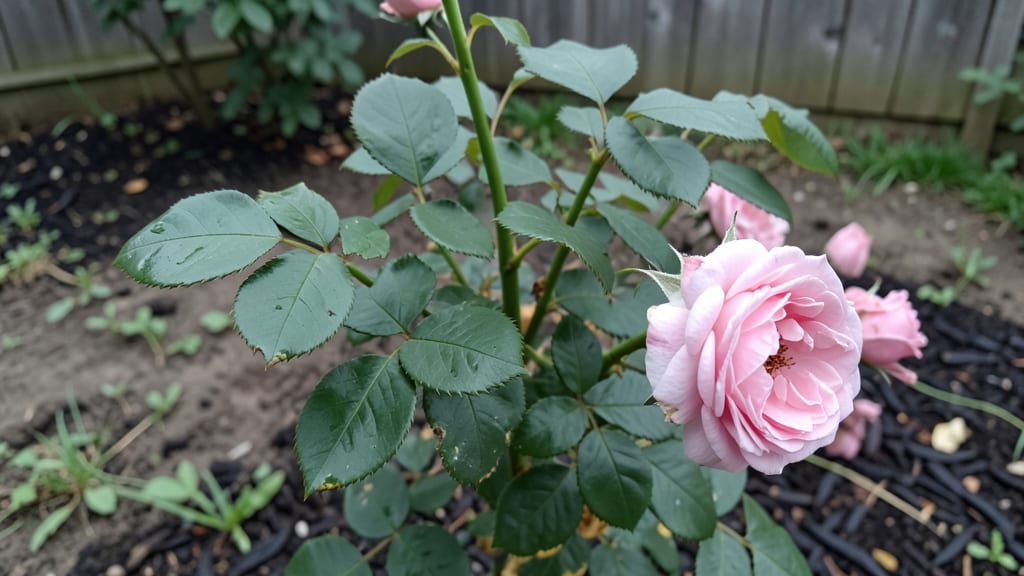
The beautiful roses flower that thrive in the Pacific Northwest’s chilly, damp climate are the secret weapon of any garden design—especially when you pair them right. 🌹 I’ve designed beds where deep pink ‘Dr. Huey’ roses glow against silver foliage, creating a dramatic contrast that lasts from spring through frost.
The key isn’t just choosing cold-hardy varieties; it’s layering them with plants that extend their season and highlight their colors.
Start with three frost-resistant roses—like ‘Knock Out’ for structure, ‘The Fairy’ for delicate clusters, and ‘William Baffin’ for bold red blooms—and pair them with evergreens like heather or boxwood. These combinations work year-round: the roses provide summer drama, while the evergreens keep the bed lush in winter.
Add two seasonal accents—spring bulbs like bluebells under the roses, and fall asters to bridge the gap when roses fade.
What you’ll end up with is a garden that feels alive in every season, with roses as the star. The deep greens of ‘Morden Sunrise’ roses contrast perfectly with golden sedum, while ‘Iceberg’ roses glow against dark foliage.
Prune lightly in early spring to encourage strong growth, and watch as your design transforms from a collection of plants into a cohesive, show-stopping landscape that neighbors will envy.
This approach works for small city yards or large rural gardens—just scale the plantings. The Pacific Northwest’s mild winters mean roses often bloom later into fall, and with the right companions, they’ll keep your garden vibrant until the first hard frost. Let’s bring that drama to your space!
📚 In This Guide
- What you need
- Instructions
- Tips and common mistakes
- Wrapping up and next steps
What you need
- ● Frost-resistant rose bushes: 3–5 bare-root or potted plants (e.g., Knock Out®, Dr. Huey, or Seattle varieties). Choose disease-resistant types labeled for USDA Zones 6–8.
- ● Well-draining soil: 5–10 cubic yards of a mix of topsoil, compost (50%), and perlite/sand (20%) to improve drainage.
- ● Organic mulch: 2–3 inches of wood chips, straw, or cedar mulch to insulate roots.
- ● Slow-release fertilizer: 1–2 pounds of rose-specific 10-10-10 or composted manure per plant.
- ● Garden tools: 1 trowel, 1 pruning shears, 1 shovel, and 1 wheelbarrow.
- ○ 1 moisture meter (optional but helpful for PNW’s damp climate).
- ● Support structures: 4–6 rose trellises or cages (6–8 ft tall) per plant for climbing varieties.
- ● Burlap or frost cloth: 2–3 rolls (10 ft × 10 ft) to wrap plants during hard freezes (<32°F).
- ● Straw or pine needles: 1–2 bags for extra insulation around the base.
- ● Anti-desiccant spray: 1 bottle (e.g., Wilt-Pruf®) to prevent winter drying.
- ● Soil pH tester (ideal range: 6.0–6.5 for roses).
- ● Drip irrigation kit for consistent moisture in PNW’s rainy seasons.
- ● Epsom salt (1 tbsp per plant monthly) for magnesium boosts.
- ● Decorative stones or pebbles for a polished garden bed.
How to grow Pacific Northwest frost-resistant roses
Here's the simple method I've used for years to keep roses blooming beautifully through PNW winters.
☀️ Step 1: Choose the Right Frost-Resistant Varieties
For the Pacific Northwest's cold winters, I always select roses rated for USDA Zones 6-8. Look for varieties like 'Knock Out' roses (Zone 4-9) or 'David Austin' English roses (Zone 5-9)—they handle our damp, chilly climate better than delicate hybrids. These roses can survive 10-25°F without winter protection, which is perfect for our region.
Buy bare-root roses in late winter or early spring (February-March) for the best root establishment before summer. If you prefer potted roses, choose 1-gallon containers with well-developed root systems. Avoid roses with yellowing leaves or wilted blooms—they won't recover well after transplanting.
🪴 Step 2: Prepare the Planting Site
Roses need full sun (6+ hours daily) and well-draining soil. In the PNW, our clay-heavy soil can cause root rot, so I always amend it with 3-4 inches of compost mixed into the top 12 inches of soil. For containers, use a high-quality potting mix with perlite or sand for drainage.
Dig a hole twice as wide as the root ball but only as deep as the roots themselves. This prevents burying the graft union (the swollen area on the stem), which can cause disease. If planting in groups, space them 3-4 feet apart for airflow and to prevent fungal issues.
🌱 Step 3: Plant with Care for Cold Resistance
Soak the roots in lukewarm water for 15-20 minutes before planting to revive them. Place the rose in the hole so the graft union sits 1-2 inches above soil level—this protects it from soil-borne diseases in wet PNW winters. Backfill with native soil mixed with compost, pressing gently to remove air pockets.
Water deeply right after planting to settle the soil and encourage root growth. Mulch with 2-3 inches of organic mulch (like wood chips or straw) to insulate roots in winter and retain moisture in summer. Keep mulch 6 inches away from the stem to prevent rot.
✂️ Step 4: Prune and Protect for Winter
In late fall (October-November), prune back one-third of the plant, cutting just above an outward-facing bud. This encourages strong new growth in spring and reduces damage from heavy winter rains. Remove any dead, diseased, or crossing branches first—they weaken the plant.
After pruning, mound 6-12 inches of soil or mulch around the base of the rose to protect the roots. In severe winters (below 15°F), wrap the canes loosely with burlap or frost cloth to shield them from freezing winds. Remove the protection in early spring once new growth appears.
💧 Step 5: Maintain Through the Seasons
Water roses deeply once a week during the growing season (April-October), aiming for 1 inch of water per week. In the PNW, our rainy winters often provide enough moisture, so I skip watering unless the soil feels dry 2 inches below the surface. Fertilize in early spring and mid-summer with a balanced rose fertilizer (10-10-10 or similar).
Watch for black spot fungus—a common PNW issue. If you see dark spots on leaves, remove affected foliage immediately and apply a fungicide (like neem oil) preventatively in spring. Deadhead spent blooms regularly to encourage more flowers and keep the plant tidy.
Tips & tricks for growing Pacific Northwest frost-resistant roses
These simple tricks will help your roses thrive in our damp, chilly climate and keep them blooming beautifully year after year.
The Variety Matters: When selecting frost-resistant roses, pay special attention to their USDA Zone rating. While 'Knock Out' roses (Zone 4-9) are incredibly hardy, even they benefit from the extra protection in our 10-25°F winters. I always cross-reference with local nursery recommendations—they often know which varieties perform best in our specific microclimates. For example, 'Dr. Huey' is another excellent choice that handles our wet winters exceptionally well.
Soaking Roots is Critical: That 15-20 minute soak in lukewarm water before planting isn't just a suggestion—it's essential. Cold roots struggle to establish in our damp climate, and this simple step helps revive them. I like to add a tablespoon of rooting hormone to the water for extra insurance, especially if planting in late spring when temperatures can fluctuate. This small step makes a huge difference in root development.
Mulching Strategy for PNW Winters: The 2-3 inches of organic mulch we use isn't just for summer moisture—it's our first line of defense against winter chill. In particularly harsh winters (below 15°F4-6 inches around the base, creating an insulating blanket. Just remember to pull it back 6 inches from the stem to prevent rot, which is especially important in our wet climate where fungal diseases thrive.
Pruning Timing Secret: Late fall pruning (October-November) might seem counterintuitive, but it's crucial for our climate. The one-third reduction encourages new growth in spring before our rainy season really kicks in. I always prune after the first hard frost—this helps the plant harden off naturally. And here's a pro tip: use sharp, clean pruners and make cuts at a 45-degree angle just above an outward-facing bud to promote better air circulation and reduce disease risk.
Pro Tips for Beautiful Roses Flower
- These simple tricks will help your roses thrive in our damp, chilly climate and keep them blooming beautifully year after year.
- The Variety Matters: When selecting frost-resistant roses, pay special attention to their USDA Zone rating.
- Soaking Roots is Critical: That 15-20 minute soak in lukewarm water before planting isn't just a suggestion—it's essential.
Frequently asked questions
Got questions about growing stunning, frost-resistant roses in the Pacific Northwest? Here are some answers to help you cultivate beautiful roses that thrive in cooler climates!
What are the best frost-resistant rose varieties for the Pacific Northwest?
The Pacific Northwest’s mild winters and damp climate favor hardy varieties like Knock Out® roses, David Austin English roses, and Dr. Huey. These roses survive temperatures down to 0°F (-18°C) and resist diseases common in the region, like black spot.
How do I protect roses from late spring frosts?
Late frosts can damage tender new growth. Use frost cloths or row covers to shield blooms, and avoid heavy mulching too early. If frost is forecasted, wrap canes loosely with burlap or use heating cables around the base for extra warmth.
When is the best time to plant roses in the PNW?
Plant bare-root roses in late fall or early spring (October–March) to avoid summer heat stress. Container-grown roses can be planted year-round, but spring (March–May) is ideal for established root growth before winter.
Why are my roses not blooming as expected?
Poor blooming often stems from over-fertilizing (too much nitrogen = leafy growth, fewer flowers), pruning at the wrong time (never prune after early summer), or lack of sunlight (roses need 6+ hours of sun daily). Check soil pH (ideal: 6.0–6.5) and ensure proper watering—deep but infrequent.
Can I grow roses in containers in the PNW?
Choose dwarf or patio varieties like ‘The Fairy’ or ‘Playboy’. Use a well-draining mix (50% potting soil, 30% compost, 20% perlite), and ensure containers are at least 12 inches deep. Move pots to a sheltered spot in winter to protect roots.
Wrapping up and next steps
Beautiful roses are the crown jewels of any garden—especially in the Pacific Northwest’s cooler, frost-prone climate! 🌸 From hardy Knock Out® roses to elegant David Austin varieties, these frost-resistant blooms prove that stunning flowers aren’t just for warmer regions.
Whether you’re a seasoned gardener or a beginner, planting these resilient roses means years of effortless beauty with minimal fuss.
Ready to transform your outdoor space? Start small—pick one variety that excites you, gather your tools, and dig in! Soon, your garden will be bursting with fragrant, frost-loving roses that turn heads (and Instagram feeds) all season long. 🌿✨