
Flowers
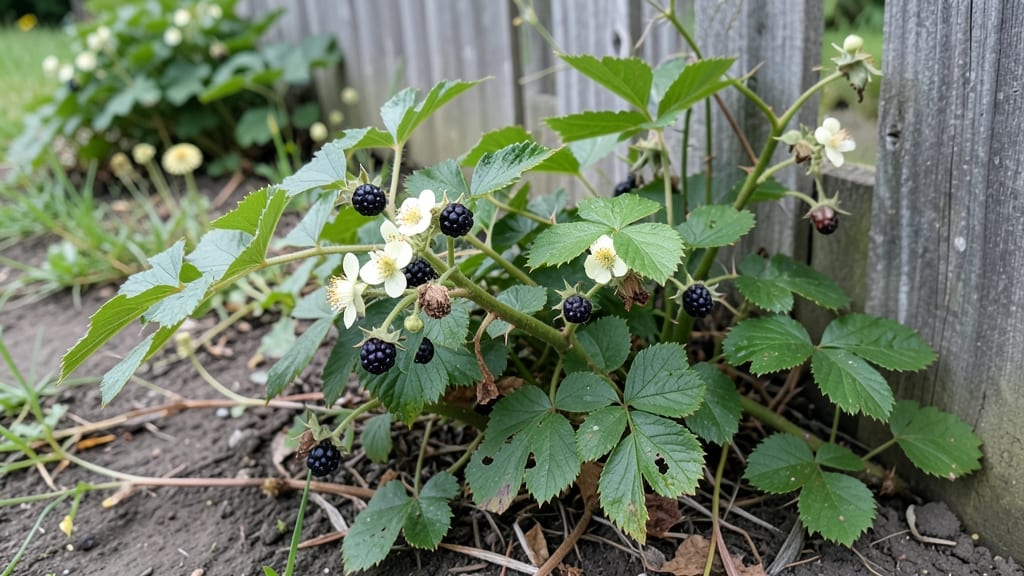
Your garden can burst with color AND feed pollinators all year—berry-producing flowers are the secret weapon you’ve been missing. 🌸 These dual-purpose plants deliver vibrant blooms in spring, summer, and even winter berries that keep birds and bees buzzing through the cold months.
Think holly with its glossy red berries against dark leaves, or beautyberry with its lavender flowers turning purple in fall. Pair them with pollinator favorites like coneflowers or salvia for a border that thrives from spring to winter.
The best part? They’re low-maintenance once established, so you get stunning visuals without the fuss.
You’ll create layers of interest—tall shrubs like elderberry for structure, mid-height berry bushes for texture, and trailing plants like wintercreeper for cascading color. The berries add unexpected pops of red, blue, or purple even when most gardens are bare, while the flowers attract bees, butterflies, and hummingbirds all season long.
Perfect for hedges, mixed borders, or even container gardens on patios. Let’s design a space that stays vibrant and alive year-round—no boring winter dormancy here!
📚 In This Guide
- What you need
- Instructions
- Tips and common mistakes
- Wrapping up and next steps
What you need
- ● Berry-producing plants (3–5 varieties): 1–2 Arbutus unedo (Strawberry Tree) – drought-tolerant, evergreen
- ● 1 Viburnum opulus (Snowball Bush) – white flowers, red berries
- ● 1 Cornus mas (Cornelian Cherry) – early spring blooms, orange berries
- ● 1 Rubus fruticosus (Blackberry) – thornless varieties for easier care
- ● 1 Vaccinium corymbosum (Blueberry Bush) – acidic soil-loving
- ● Flowering companion plants (5–7 varieties): 1 pack Echinacea purpurea (Coneflower) – attracts bees & butterflies
- ● 1 pack Salvia nemorosa (Purple Sage) – long-blooming, drought-resistant
- ● 1 pack Lavandula angustifolia (Lavender) – fragrant & pollinator magnet
- ● 1 pack Monarda didyma (Bee Balm) – vibrant red/pink blooms
- ● Potting soil (1–2 bags, 18–24" depth): Well-draining mixture for berries (e.g., 60% peat moss, 30% perlite, 10% compost)
- ● Regular garden soil for flowering plants (amend with compost)
- ○ Containers or garden bed (optional): 5-gallon pots (1–2 per plant) with drainage holes
- ● OR a raised bed (4’x4’ minimum for 5+ plants)
- ● Basic gardening tools: 1 trowel
- ● 1 pair pruning shears
- ● 1 garden fork (for soil aeration)
- ● 1 watering can or hose with nozzle
- ○ Optional (but helpful!): Mulch (2–3 bags, shredded bark or straw)
- ● Organic fertilizer (e.g., fish emulsion or compost tea)
- ● Pollinator-friendly seed bombs (for extra ground cover)
- ● Bird feeder (to attract seed-eating birds that help disperse berries)
- ● Prerequisites: Sunlight: 6+ hours/day (full sun for berries, partial shade for some flowers)
- ● pH test kit (berries like acidic soil—aim for 4.5–6.0)
- ● Local plant nursery (for climate-suited varieties)
Step-by-step instructions for designing a pollinator-friendly berry garden
Here's how to create a vibrant, functional space that keeps bees buzzing and birds visiting year-round.
🌱 Step 1: Select a Sun-Dappled Location
Choose a site with at least 6 hours of sunlight daily—berries thrive where they can soak up warmth, but afternoon shade helps prevent fruit scorching. I always test the spot for a full week first: mark where sunlight hits at 10 AM, noon, and 4 PM. Most berries need full sun, but some like elderberries tolerate partial shade.
Check soil drainage by digging a 12-inch hole and filling it with water. If it drains in under an hour, you're good; if it pools after 2 hours, amend with 2-3 inches of compost or plant in raised beds. Wet roots cause root rot faster than anything else—trust me, I learned that the hard way with my first blueberry patch.
☀️ Step 2: Layer Plants for Continuous Bloom and Fruit
Start with 3-4 berry-producing shrubs (like elderberry, serviceberry, or gooseberry) as your structural anchors. These provide year-round interest: spring blooms, summer fruit, and fall foliage. I always plant them 10-15 feet apart—berries need space to grow strong canes and avoid disease spread.
Fill gaps with perennial flowers that bloom in succession: early spring with lungwort, summer with bee balm, and fall with asters. This ensures pollinators have nectar from March through October. I tuck in 3-5 clumps of native wildflowers per 100 square feet—more diversity means more visitors.
💧 Step 3: Establish a Water Source Nearby
Place a shallow birdbath or saucer (3-4 inches deep) within 15 feet of your garden. I use a flat stone to create varying water depths—some pollinators prefer shallow edges while others dive deeper. Change the water every 2-3 days to prevent mosquito breeding, and add a few pebbles for landing spots.
For extra appeal, add a small solar fountain or dripping spout. The movement attracts butterflies and hummingbirds, while the sound creates a peaceful garden ambiance. I've seen bees use the rippling water to cool off on hot afternoons—it's fascinating to watch.
✂️ Step 4: Prune for Health and Structure
In late winter, cut back one-third of the oldest canes from each berry shrub to encourage new growth. I use clean, sharp loppers and make cuts at a 45-degree angle just above an outward-facing bud. Remove any dead, diseased, or crossing branches first—they're the main sources of fungal spread.
After fruiting, trim again in early summer to shape the plant and improve airflow. Thin out crowded canes to 6-8 inches apart so sunlight reaches the center. This prevents berries from shading each other and ensures even ripening. I always leave some canes unpruned—they'll produce next year's fruit.
🪴 Step 5: Add Mulch and Seasonal Interest
Spread 3 inches of organic mulch (like wood chips or straw) around plants, keeping it 2 inches away from stems to prevent rot. This conserves moisture, suppresses weeds, and feeds the soil as it breaks down. I refresh the mulch every spring—it's the easiest way to keep your garden thriving with minimal effort.
For winter structure, add ornamental grasses or evergreen shrubs like boxwood or hemlock. These provide year-round greenery while giving birds and bees shelter during cold snaps. I also leave some spent flower stems standing—they offer nesting material and late-season seeds for birds.
Tips & tricks for perfect pollinator-friendly berry gardens
Here's what I've learned from years of trial and error to create a thriving haven for pollinators that looks stunning year-round.
Sunlight Strategy: Those 6 hours of sunlight are non-negotiable for most berries, but here's the trick: position your garden so the afternoon sun (after 2 PM) hits the south side of plants. This prevents fruit scorching while still giving them the warmth they crave. For partial shade lovers like elderberries, choose the north side of buildings or trees. I always test with a simple sunlight map first—it saves headaches later.
Drainage Test Hack: The 2-hour drainage test is your best friend. If water pools after 2 hours, you're not just risking root rot—you're setting up a breeding ground for fungal diseases. My go-to fix? Build a raised bed with a 6-inch layer of gravel at the bottom before adding soil. It's a one-time investment that pays off for years with healthier plants and happier pollinators.
Plant Layering Secret: When creating that continuous bloom, think in thirds: plant one-third of your flowers to bloom early (like lungwort), one-third for mid-season (bee balm), and one-third for late season (asters). This ensures pollinators always have food. I also add a few late-blooming perennials like goldenrod—they're pollinator magnets in fall when other plants have faded.
Water Feature Wisdom: That 3-4 inch birdbath depth is perfect, but here's the pro move: add a few small rocks or pebbles that extend slightly above the water line. Bees and butterflies use them as landing platforms when they want to drink without getting wet. And change the water every 2-3 days religiously—stagnant water is a mosquito disaster waiting to happen.
Pro Tips for Berries In Flowers
- Here's what I've learned from years of trial and error to create a thriving haven for pollinators that looks stunning year-round.
- Sunlight Strategy: Those 6 hours of sunlight are non-negotiable for most berries, but here's the trick: position your garden so the afternoon sun (after 2 PM) hits the south side of plants.
- Drainage Test Hack: The 2-hour drainage test is your best friend.
Frequently asked questions
Got questions about growing berries that double as stunning flowers? We’ve got answers! Whether you’re a beginner or a seasoned gardener, these FAQs will help you create a pollinator-friendly haven with year-round beauty.
Why do some berries grow on flowering plants?
Many flowering plants produce berries as a way to protect their seeds. After the flower blooms, it may develop into a fruit-like berry (like Viburnum or Callicarpa) that attracts birds and wildlife. These berries aren’t always edible for humans but are perfect for supporting local ecosystems!
When is the best time to plant berry-producing flowers?
For most berry-bearing shrubs and perennials, early spring or fall is ideal. This gives roots time to establish before extreme heat or cold. If planting in containers, you can also try late winter—just keep them sheltered until the last frost.
Will these plants still attract pollinators if they don’t produce berries?
Many berry-producing flowers (like Elderberry or Honeysuckle) rely on pollinators for fruit formation, but their flowers alone are a magnet for bees, butterflies, and hummingbirds. Even if berries don’t form, the blooms provide vital nectar and pollen.
What’s a low-maintenance berry-in-flower option for busy gardeners?
Try Winterberry Holly (Ilex verticillata) or American Beautyberry (Callicarpa americana). Both thrive in partial shade, require minimal pruning, and burst with colorful berries in fall—plus, they’re deer-resistant! Just water regularly the first year.
Why aren’t my berry flowers producing fruit?
Common reasons include:
- Lack of pollinators: Hand-pollinate with a soft brush if bees aren’t visiting.
- Poor soil or nutrients: Amend with compost and ensure proper drainage.
- Wrong climate: Some varieties (like Blueberries) need acidic soil.
- Over-pruning: Leave flowering stems intact unless deadheading is required.
Wrapping up and next steps
From vibrant pollinator magnets to year-round garden charm, berries in flowers offer a win-win for both beauty and biodiversity. 🌸 Whether you’re a seasoned gardener or just starting, these plants prove that growing functional and stunning is effortless. Ready to transform your space?
🌱 Your Next Step: Plant & Observe!
Start small—pick one berry-bearing flower to test in your garden, then watch as pollinators flock in! Track progress, share your blooms, and keep experimenting. Your garden (and the bees!) will thank you. 🐝✨