
Flowers
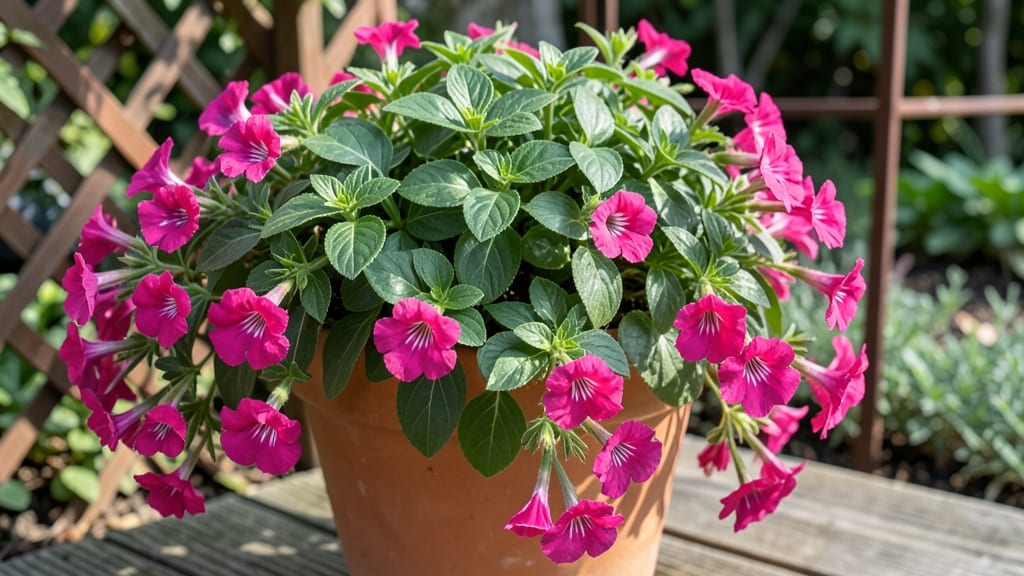
Calibrachoa flowers care starts with sunlight—these petunia-like beauties crave 6+ hours of bright, direct light daily to thrive. 🌞 I learned the hard way when mine turned into sad, leggy shadows after a week of afternoon shade.
The secret isn't just light, though—it's the intensity that keeps those compact mounds bursting with color.
Your calibrachoas will reward you with nonstop blooms if you feed them right: a balanced liquid fertilizer every 2 weeks during growing season, and a boost of phosphorus when buds form. I switch to half-strength feedings in winter to avoid burning their delicate roots.
The soil should stay light, airy, and well-draining—think of it as a fluffy cloud for their roots, not compacted clay.
Watering gets tricky—too much causes rot, too little makes them wilt fast. I check the top inch of soil daily: if it's dry, give them a drink until water runs out the drainage holes.
Pruning spent blooms every 3-4 days keeps them producing new flowers instead of going to seed. My trays now look like jewel-toned waterfalls from spring to frost.
Winter care is where most people fail. Move trays to a cool but bright spot (50-60°F) and reduce watering to every 7-10 days. With this routine, my calibrachoas bounce back every spring looking better than ever.
The key? Treating them like the finicky divas they are—but divas that reward you with months of effortless color.
📚 In This Guide
- What you need
- Instructions
- Tips and common mistakes
- Wrapping up and next steps
What you need
- ● Calibrachoa plants: 3–6 plants per 12-inch container (or 1 plant per square foot in garden beds). Choose varieties like Superbells or Double Fantasy for vibrant colors!
- ● Well-draining potting mix: 10–15 lbs (for containers) or amend garden soil with perlite or sand (20–30% by volume) for aeration.
- ● Containers: Hanging baskets (10–12 inches in diameter) for cascading varieties.
- ● Window boxes or planters (12+ inches deep) for upright types.
- ● Drainage holes are a must—no exceptions!
- ● Slow-release fertilizer: 10–15 lbs per 100 sq ft (look for a balanced formula (10-10-10) or high-phosphorus (5-10-5) for blooms).
- ● Watering can or hose with a gentle spray nozzle: Calibrachoas hate soggy roots—aim for consistent moisture without waterlogging.
- ● Pruning shears: Sharp, clean pair for trimming spent blooms and leggy stems.
- ○ Mulch (optional but helpful): 1–2 inches of coco coir or pine bark to retain moisture and suppress weeds.
- ● Grow lights: LED full-spectrum bulbs (12–16 hours/day) for indoor growing or early/late seasons.
- ● Liquid fertilizer: Diluted fish emulsion or seaweed extract (every 2–3 weeks) for a nutrient boost.
- ● Support stakes or trellises: For varieties like Calibrachoa ‘Million Bells’ that may need a little help staying upright.
- ● Soil moisture meter: To check moisture levels—calibrachoas prefer evenly damp (not waterlogged) soil.
- ● Compost or worm castings: Mix 10–20% into potting soil for extra nutrients and microbial activity.
Step-by-Step guide to growing calibrachoa flowers
Calibrachoa thrives with the right balance of light, water, and care—here's how to keep your plants blooming nonstop.
🌱 Step 1: Provide Full Sun and Warmth
Calibrachoa demands 6-8 hours of direct sunlight daily—place them in a south-facing window or under grow lights for 14-16 hours/day if indoors. I position mine within 2-3 inches of a bright LED light to prevent leggy growth. Without enough light, stems stretch and flowers become sparse.
These plants love warmth, too—ideal temperatures range from 65-75°F. If your home dips below 55°F at night, growth slows dramatically. A heat mat under containers can help maintain root warmth, especially in cooler climates.
💧 Step 2: Water Consistently but Avoid Overhead
Keep the soil evenly moist but never soggy—calibrachoa roots rot quickly in waterlogged conditions. I water when the top inch feels dry, usually every 2-3 days in warm weather. Use a moisture meter to check; if it reads "dry," it's time to water.
Water from the bottom or at the base to prevent fungal diseases. Wet foliage invites powdery mildew, which turns leaves yellow and stunts blooms. If you must water from above, do it early in the morning so leaves dry completely by afternoon.
✂️ Step 3: Prune Regularly for Bushier Growth
Pinch back leggy stems to encourage branching—this is key for compact, flower-heavy plants. I snip just above a leaf node with clean scissors, removing 1/3 of the stem length if it's overly stretched. Do this every 4-6 weeks during active growth.
Deadhead spent blooms daily to redirect energy into new flowers. Calibrachoa produces continuously if you remove faded blossoms promptly. I use my fingers to gently twist off old flowers—no need for pruners unless dealing with large clusters.
🪴 Step 4: Fertilize Lightly and Often
Feed every 2 weeks with a balanced liquid fertilizer (10-10-10 or 20-20-20) diluted to half-strength. Over-fertilizing burns roots and reduces blooms. I mix fertilizer with water in a spray bottle for even distribution, avoiding leaf burn.
For extra vigor, add a fish emulsion or seaweed extract monthly. These organic boosters improve root health and flower production. Always water thoroughly before and after fertilizing to prevent salt buildup in the soil.
🌿 Step 5: Watch for Pests and Diseases
Inspect leaves weekly for aphids or spider mites—common pests that suck plant sap. I spray affected areas with neem oil solution (1 tsp per quart of water) at the first sign of tiny webs or sticky residue. Repeat every 3-5 days until pests disappear.
If leaves yellow or wilt, check for root rot or bacterial wilt. Remove infected plants immediately and repot healthy ones in fresh, sterile soil. Preventative care—like proper drainage and airflow—keeps calibrachoa thriving without major issues.
Tips & tricks for perfect calibrachoa care
Here's what nobody tells you about keeping these vibrant flowers thriving like a pro—these tricks make all the difference between sparse blooms and a nonstop floral display.
Light Placement: The 6-8 hours of direct sunlight in Step 1 is non-negotiable, but here's the secret: rotate your trays quarter-turn weekly so all sides get even light exposure. I noticed my calibrachoa developed uneven growth until I started rotating them—now they grow bushier and more symmetrical. For indoor grow lights, position them 2-3 inches above the plants and adjust height as they grow to maintain consistent light intensity.
Watering Technique: That "top inch dry" rule in Step 2 works, but I've found a better method: use a moisture meter with a probe inserted 1-2 inches deep. Calibrachoa roots thrive in consistently moist (not soggy) soil at this depth. In humid climates, you might only need watering every 3-4 days, while dry conditions may require daily checks. The key is monitoring soil moisture at root level, not just surface dryness.
Pruning Strategy: When pinching back stems in Step 3, focus on removing the top set of leaves rather than just cutting randomly. This encourages branching at the leaf nodes below. I also recommend pruning in the morning—new growth stimulated by pruning benefits from daytime sunlight and warmth. For large trays, use clean, sharp scissors to avoid crushing stems, which can invite disease.
Fertilizer Application: The 2-week feeding schedule in Step 4 is perfect, but here's how to make it even better: alternate between your balanced liquid fertilizer and a weak seaweed extract solution (1 tsp per gallon) monthly. This organic boost enhances root development while preventing nutrient buildup. Always water thoroughly before fertilizing to help distribute nutrients evenly through the soil profile and prevent salt accumulation at the roots.
Pro Tips for Calibrachoa Flowers Care
- Here's what nobody tells you about keeping these vibrant flowers thriving like a pro—these tricks make all the difference between sparse blooms and a nonstop floral display.
- Light Placement: The 6-8 hours of direct sunlight in Step 1 is non-negotiable, but here's the secret: rotate your trays quarter-turn weekly so all sides get even light exposure.
- Watering Technique: That "top inch dry" rule in Step 2 works, but I've found a better method: use a moisture meter with a probe inserted 1-2 inches deep.
Frequently asked questions
Got questions about keeping your calibrachoa blooms happy and healthy?
You’re not alone! Here are answers to the most common queries—from pruning to pests and everything in between.
How often should I water calibrachoa flowers?
Water your calibrachoa consistently—aim for about 1 inch per week, including rainfall. Keep soil evenly moist but never soggy. Morning watering is best to prevent fungal issues. If the top inch feels dry, it’s time to hydrate!
When and how should I prune calibrachoa for bushier growth?
Prune lightly after flowering to encourage new blooms. Snip spent flowers (deadheading) regularly—every few days—to redirect energy to fresh buds. For shaping, trim leggy stems in early spring by 1/3 to promote fuller growth. Use clean shears to avoid disease!
What pests commonly attack calibrachoa, and how do I get rid of them?
Watch for aphids, spider mites, or whiteflies. Spray plants with neem oil or insecticidal soap for mild infestations. For severe cases, introduce ladybugs or use systemic pesticides. Inspect undersides of leaves weekly—early detection is key!
Can calibrachoa survive winter outdoors, or do I need to bring them inside?
Most calibrachoa are tender perennials and won’t survive frost. In cold climates, dig up pots and move them indoors (or cut back and store tubers). In mild zones, protect with mulch and move containers to a sheltered spot. Resume outdoor care in spring after last frost!
Are there calibrachoa alternatives for full sun that require less maintenance?
Yes! Try petunias (hardier, similar blooms) or verbena (drought-tolerant). For low-maintenance color, lantana or zinnia thrive in sun with minimal deadheading. Calibrachoa’s cascading habit is unique, but these options are forgiving for beginners!
Pro Tip:
Use slow-release fertilizer every 4–6 weeks to keep calibrachoa blooming nonstop. Over-fertilizing can burn roots—always water first!
Wrapping up and next steps
With the right care, calibrachoa flowers will reward you with vibrant, petunia-like blooms year-round—adding a splash of color to your garden or containers! 🌸 Remember to balance sunlight, watering, and feeding while staying mindful of pests.
Your efforts will pay off in a stunning, low-maintenance display that brightens any space.
Ready to dive in? Start with a healthy plant, follow the tips above, and enjoy the process! Grab your gardening tools and get growing—your calibrachoa paradise awaits! 🌱