
Aphids
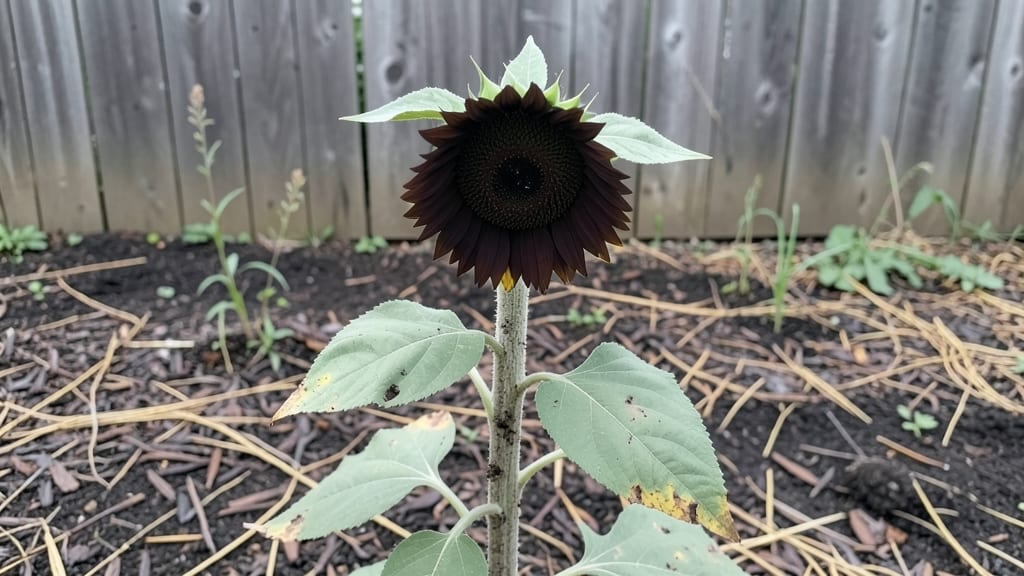
The cherry chocolate sunflower isn’t just a flower—it’s a garden game-changer with deep red petals and velvety brown centers that stop traffic. 🌻 I planted mine last spring, and the way it attracts bees while repelling aphids has been a total win.
This isn’t your average sunflower; it’s a showstopper that doubles as a natural pest control. The secret to its striking look lies in full sun and well-draining soil—no fancy tricks, just consistent care. Once established, it thrives with minimal fuss, blooming from midsummer until frost.
Pair it with lavender or marigolds for a pollinator magnet that keeps pests at bay naturally. Imagine a cottage garden bursting with rich, moody hues—this sunflower delivers drama without the fuss. Its tall stems make it perfect for cut arrangements too, so you get beauty indoors and out.
The best part? It’s a low-maintenance star that works in borders, containers, or as a focal point. For aphid-prone gardens, this is your secret weapon. Plant it near susceptible veggies, and watch the beneficial insects move in while pests stay away. Simple, stunning, and smart—just like a garden should be.
📚 In This Guide
- What you need
- Instructions
- Tips and common mistakes
- Wrapping up and next steps
What you need
- ● Sunflower Seeds: Helianthus annuus (e.g., ‘Cherry Chocolate’ variety) – 3–5 seeds per planting spot (or 1 seedling if starting with a young plant).
- ● Well-draining potting mix: 5–10 gallons (sterilized to prevent pests).
- ● Container or garden bed: For containers: 12–18-inch deep pot with drainage holes (terracotta or fabric pots work best).
- ● For in-ground planting: Full sun (6+ hours/day) and loose, fertile soil.
- ● Organic aphid repellent: Neem oil (1 tsp per quart of water) + dish soap (½ tsp) (sprayable solution).
- ● Companion plants: Marigolds, basil, or dill (plant nearby to deter aphids naturally).
- ● Watering can or hose with a gentle nozzle.
- ○ Gloves (optional but recommended) for handling soil/seeds.
- ● Slow-release fertilizer: Balanced 10-10-10 (mix 1 tbsp per gallon of soil at planting).
- ● Mulch (straw or shredded leaves) to retain moisture and suppress weeds.
- ● Stakes or cages (if your sunflowers grow taller than 4 feet).
- ● Decorative pebbles or edging for a polished garden look.
Step-by-step instructions for growing Cherry Chocolate sunflowers
Here's how to grow these striking blooms that double as natural pest control and pollinator magnets.
🌱 Step 1: Choose the Perfect Planting Location
Cherry Chocolate Sunflowers thrive in full sun, needing at least 6-8 hours of direct sunlight daily. I always pick the warmest, sunniest spot in my garden because these plants grow tall and need strong stems to support their heavy blooms. If your space gets afternoon shade, plant them where they'll receive morning sun instead.
These sunflowers grow 4-5 feet tall, so give them space—plant them 12-18 inches apart in rows 2 feet apart. I like to place them near other pollinator favorites like zinnias or coneflowers to create a buzzing garden ecosystem. The rich, chocolatey petals will stand out beautifully against lighter blooms.
🪴 Step 2: Prepare Soil and Plant Seeds
Sunflowers aren't picky about soil, but they do best in well-draining, fertile ground. Work in 2-3 inches of compost or aged manure before planting to give them a nutrient boost. These plants love to stretch their roots deep, so avoid heavy clay soils unless you've amended them well.
Plant seeds ½ inch deep and 1 inch apart after the last frost when soil temperatures reach 55°F. You'll see true leaves emerge in 7-10 days—that's your signal everything's working. Thin seedlings to 12 inches apart once they're 4 inches tall, keeping the strongest, straightest stems. I always save the thinned seedlings for cooking or birdseed!
☀️ Step 3: Water and Maintain Through Growth
Water deeply 1-2 times per week once established, keeping the soil 1-2 inches deep moist but never soggy. These sunflowers have deep taproots, so they'll tell you when they're thirsty—the leaves will start drooping by midday. A good soak in the morning gives roots time to absorb water before the heat of the day.
Fertilize lightly with a balanced 10-10-10 fertilizer when plants are 6 inches tall, then again when they start flowering. Too much nitrogen makes them grow leafy stems instead of strong blooms. Watch for aphids—their dark foliage attracts them, but the sunflowers' strong scent actually repels many pests naturally.
✂️ Step 4: Enjoy the Blooms and Extend the Season
Cherry Chocolate Sunflowers typically bloom 60-70 days after planting, producing 4-5 inch wide flowers that look like edible chocolates. Cut spent blooms back to encourage more flowers, but leave some to dry for seed heads—birds and pollinators will love them. The blooms make stunning cut flowers too, lasting 5-7 days in a vase.
For a second flush of blooms, cut back the plants by ⅓ their height after the first flowers fade. They might not rebloom as heavily, but you'll often get a few more beautiful flowers before frost. The dried seed heads also make gorgeous winter arrangements—just hang them upside down in a dry place.
Tips & tricks for perfect Cherry Chocolate sunflower growth
These simple tricks will help you coax out the most vibrant, healthy Cherry Chocolate Sunflowers in your garden.
Sunlight Strategy: While 6-8 hours of sunlight is ideal, I've found that morning sun is even more critical for these sunflowers. Their dark petals can overheat in intense afternoon rays, causing them to fade faster. If you're planting near a fence or building that casts afternoon shade, position them to catch the bright morning light instead. The chocolatey hue will stay rich and true throughout the day.
Soil Preparation Hack: Don't just add compost—work in some coarse sand or perlite if your soil is heavy clay. I've seen sunflowers struggle in compacted soil because their deep taproots can't penetrate easily. The 2-3 inches of compost should be mixed down at least 6 inches deep to create that loose, well-draining environment they love. This makes all the difference for tall, sturdy stems.
Watering Wisdom: The 1-2 times per week guideline works, but I've learned to check soil moisture by lifting a plant gently—if it feels light, it's thirsty. Water deeply in the morning so the roots have all day to absorb moisture before the heat of afternoon. I've noticed that consistent morning watering prevents those telltale droopy leaves that signal thirst, keeping the plants perky and growing strong.
Fertilizing Timing: When you fertilize at the 6-inch mark and again when flowering begins, use half the recommended amount of 10-10-10 fertilizer. Too much nitrogen will make your plants grow leafy stems instead of those stunning chocolate blooms. I've found that a light hand with fertilizer gives me more flowers and fewer leaves, which is exactly what we want from these sunflowers.
Pro Tips for Cherry Chocolate Sunflower
- These simple tricks will help you coax out the most vibrant, healthy Cherry Chocolate Sunflowers in your garden.
- Sunlight Strategy: While 6-8 hours of sunlight is ideal, I've found that morning sun is even more critical for these sunflowers.
- Soil Preparation Hack: Don't just add compost—work in some coarse sand or perlite if your soil is heavy clay.
Frequently asked questions
Got questions about growing cherry chocolate sunflowers while keeping aphids at bay? You’re in the right place! Here are some of the most common queries—plus quick, actionable answers to help your garden thrive.
What makes cherry chocolate sunflowers different from regular sunflowers?
These sunflowers (Helianthus annuus ‘Cherry Chocolate’) boast deep bronze-purple petals that fade to a rich chocolate hue as they mature, creating a stunning two-tone effect. They’re also non-GMO, pollinator-friendly, and packed with aphid-repellent properties thanks to their strong scent and nectar-rich blooms!
When is the best time to plant cherry chocolate sunflowers?
Plant seeds 2–3 weeks after your last frost date (spring) for summer blooms, or 6–8 weeks before fall’s first frost for a late-season show. They thrive in full sun (6+ hours daily) and well-draining soil. Pro tip: Direct-sow seeds—they hate transplanting!
Do cherry chocolate sunflowers really repel aphids?
Their strong fragrance and nectar attract beneficial predators like ladybugs and lacewings, which devour aphids. Plus, their sticky resin can deter soft-bodied pests. Pair them with dill, fennel, or marigolds for extra aphid protection.
What if my sunflowers get aphids anyway? How do I fix it?
Start with a gentle spray of soapy water (1 tsp mild soap + 1 quart water). For stubborn infestations, try:
- Neem oil (1 tsp per quart of water, spray early morning).
- Introduce ladybugs (buy online or attract naturally with companion plants).
- Prune heavily infested leaves and dispose of them far from your garden.
Most importantly, keep plants healthy—aphids target stressed foliage!
Can I grow cherry chocolate sunflowers in containers?
Yes! Choose a large pot (12+ inches deep) with drainage holes and well-draining potting mix. A single plant needs 1–2 gallons of soil. Place in full sun and water deeply 2–3 times per week. Just avoid overcrowding—space plants 12–18 inches apart.
What’s a great alternative if I can’t find cherry chocolate sunflowers?
Try these aphid-repelling sunflower varieties:
- ‘Autumn Beauty’ – Striped petals, early blooms.
- ‘Moulin Rouge’ – Deep red, long-lasting flowers.
- ‘Teddy Bear’ – Compact, great for containers.
All attract pollinators and deter pests!
Wrapping up and next steps
Transforming your garden into a cherry chocolate sunflower haven isn’t just about beauty—it’s a power move for pollinators and pest control! 🌻 These vibrant blooms attract bees, butterflies, and birds while keeping aphids at bay, all while adding a pop of color to your outdoor space.
Whether you're a seasoned gardener or just starting, this pollinator-friendly plant is a win-win for your yard and the environment.
Ready to take the next step? Grab your seeds, pick a sunny spot, and let nature do the rest. Your garden—and the pollinators—will thank you! 🌱✨