
Flowers
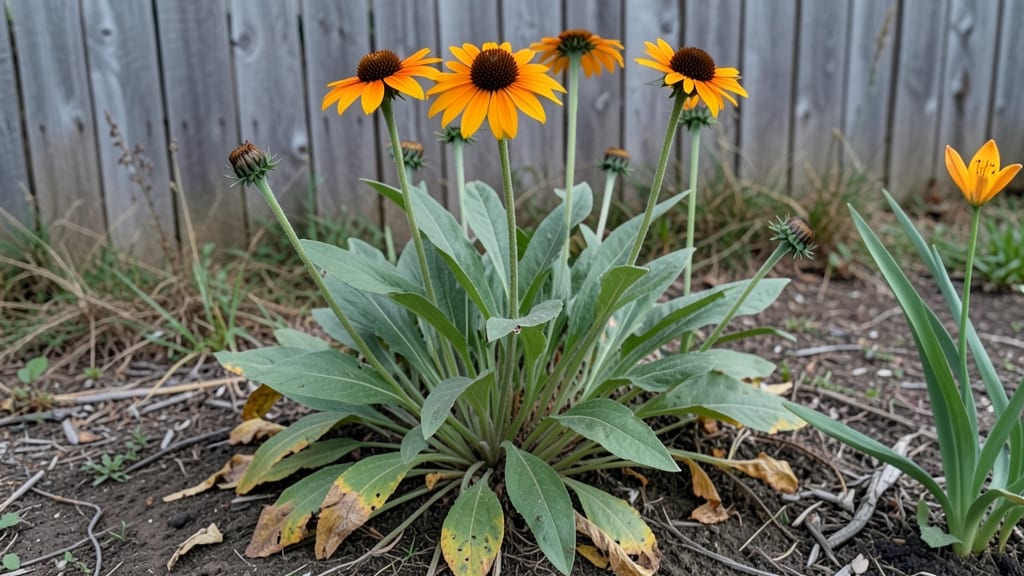
Coneflowers (Rudbeckia and Echinacea) spread exactly how you want them to—with patience and a little guidance. 🌱 Most varieties grow steadily through rhizomes (underground stems) or self-seeding, but they’re never invasive like aggressive ground covers.
The key is understanding their natural habits so you can enjoy their bold blooms without losing control.
Rhizomatous types like Echinacea purpurea spread 1-2 feet per year, creating lush clumps that multiply over time. Self-seeders like Rudbeckia hirta drop seeds that sprout freely, filling in gaps naturally.
Neither spreads aggressively, but without management, they’ll slowly expand into empty garden space—exactly why they’re so beloved for low-maintenance beauty.
To control their spread, deadhead spent blooms in early fall to reduce self-seeding, or divide clumps every 3-4 years when growth slows. A quick dig and replanting keeps them contained while ensuring vibrant, healthy blooms.
The best part? Even when they spread, they rarely outcompete other plants—just more of those cheerful, drought-tolerant flowers.
Perfect for borders, meadows, or cottage gardens, coneflowers thrive with minimal effort. Whether you let them wander or keep them tidy, they’ll reward you with months of color and pollinator visits. Here’s how to work with their natural habits instead of against them.
📚 In This Guide
- What you need
- Instructions
- Tips and common mistakes
- Wrapping up and next steps
What you need
- ● Coneflower plants: 3–5 Echinacea purpurea (purple coneflower) or other varieties (e.g., E. pallida, E. atrorubens)
- ● Option: Seeds (if starting from scratch—germination can take 10–30 days!)
- ● Soil: Well-draining, loamy soil (amend heavy clay with compost)
- ● pH: 6.0–7.0 (cone flowers thrive in slightly acidic to neutral soil)
- ● Fertilizer: Balanced 10-10-10 or 5-10-10 granular fertilizer (apply lightly—cone flowers dislike over-fertilizing!)
- ○ Optional: Organic compost (1–2 inches mixed into the topsoil)
- ● Tools: Garden trowel or transplant spade
- ● Garden gloves (for comfort and hygiene)
- ● Watering can or hose with a gentle spray nozzle
- ○ Optional: Mulch (2–3 inches of shredded bark or straw to retain moisture)
- ● Sunlight: Full sun (6+ hours/day) for optimal blooming
- ● Spacing: 18–24 inches apart (allows airflow and prevents disease)
- ● For hedges: Plant 12–18 inches apart in rows 2–3 feet apart
- ● Watering: Keep soil consistently moist (not soggy) for the first 2 weeks, then water deeply 1–2 times/week (drought-tolerant once established!)
- ● Hardiness Zone: 3–9 (perfect for most U.S. climates!)
Understanding cone flower spread: how to manage their natural growth habits
Cone flowers (Echinacea) are prized for their bold blooms and resilience—but their spreading behavior depends entirely on variety and care.
🌱 Step 1: Identify Your Cone Flower Variety
Cone flowers spread through underground rhizomes, but the rate varies dramatically. Tall varieties like 'White Swan' or 'Magnus' spread 2-3 feet per year, while compact types like 'Kim's Knee High' stay contained at 1-2 feet. Check your plant tag—if it doesn't specify, assume moderate spread and plan accordingly.
Here's the thing—rhizomes spread horizontally, not vertically. You'll notice new shoots popping up 6-12 inches away from the original clump, especially in well-drained soil. If you're planting near walkways or hardscapes, give them at least 3 feet of clearance to prevent unwanted encroachment.
☀️ Step 2: Control Spread Through Strategic Planting
Cone flowers thrive in full sun to partial shade (6+ hours of light), but their spread accelerates in rich, moist soil. To slow growth, plant in average garden soil with minimal organic amendments—avoid compost-heavy beds that encourage aggressive rhizome development.
I like to place them at the back of borders where their height (2-5 feet) won't be overwhelmed, but their spread won't crowd other perennials. Divide established clumps every 3-4 years in early spring to refresh vigor and contain size—this also gives you free plants for neighbors.
✂️ Step 3: Prune and Divide to Manage Growth
Deadhead spent blooms in late summer to encourage a second flush of flowers, but leave the foliage until spring—it protects the crown from winter winds. In early spring before new growth emerges, dig up the entire clump, separate the rhizomes with a clean knife, and replant the strongest sections.
This is the moment that matters: When dividing, look for healthy, firm rhizomes with multiple buds. Discard woody, shriveled pieces—they won't regrow. Replant divisions at the same depth they grew originally, and water deeply to reduce transplant shock.
💧 Step 4: Adjust Watering to Influence Spread
Cone flowers are drought-tolerant once established, but consistent moisture in their first year encourages faster, more aggressive spread. Water deeply once weekly during dry spells, but reduce frequency in winter. Overwatering in summer can lead to fungal issues that stress plants and slow rhizome growth.
Real talk: If you want to curb spread, let the soil dry out between waterings. You'll see growth slow noticeably—rhizomes expand when soil stays consistently moist, but they become dormant in drier conditions. Mulch with 2-3 inches of shredded bark to retain moisture without smothering the crown.
⏰ Step 5: Monitor and Adjust Long-Term
After 3-5 years, cone flowers may form dense clumps. Thin them in early spring by removing 1/3 of the oldest stems at the base—this rejuvenates the plant and prevents overcrowding. You'll know it's time when flowers become smaller and less frequent.
For aggressive spreaders, consider containment methods like edging with landscape fabric or planting in large containers (20+ gallon pots). Even then, expect some rhizome escape—cone flowers are determined survivors. The key is balancing their natural habits with your garden's design goals.
Tips & tricks for managing cone flower spread
Mastering cone flower growth takes a little strategy—here's how to work with their natural tendencies rather than against them.
Variety-Specific Planning: The 2-3 feet annual spread of varieties like 'White Swan' or 'Magnus' means you should plant them at least 3 feet from hardscapes or pathways. For compact types like 'Kim's Knee High', you can safely plant just 1-2 feet from borders. I've learned this the hard way after watching 'Magnus' take over my garden bed—always check your plant tag before planting!
Rhizome Behavior Insight: Those 6-12 inch new shoots appearing around your original clump are your first warning sign. The key is to notice them early—when shoots are just 2-3 inches tall, you can easily dig them up before they establish roots. This simple step prevents the 3-foot clearance requirement from becoming a reality.
Soil Management Strategy: Cone flowers spread fastest in rich, moist soil, so if you're dealing with aggressive varieties, plant in average garden soil with minimal organic amendments. I've found that adding too much compost actually encourages more rapid rhizome expansion. For containment, use well-draining soil and avoid watering heavily during the first growing season.
Division Timing Secret: The early spring division in Step 3 is your best chance to control spread. Look for those firm rhizomes with multiple buds—they're the ones that will give you the strongest new plants. I always divide my established clumps every 3-4 years in early spring, and it's amazing how much more manageable they become afterward.
Pro Tips for Do Cone Flowers Spread
- Mastering cone flower growth takes a little strategy—here's how to work with their natural tendencies rather than against them.
- Variety-Specific Planning: The 2-3 feet annual spread of varieties like 'White Swan' or 'Magnus' means you should plant them at least 3 feet from hardscapes or pathways.
- Rhizome Behavior Insight: Those 6-12 inch new shoots appearing around your original clump are your first warning sign.
Frequently asked questions
Got questions about managing your Echinacea (cone flower) spread? You’re not alone! Here are answers to the most common concerns—from controlling growth to maximizing beauty without the hassle.
How fast do cone flowers spread in a garden?
Cone flowers typically spread 1–2 feet per year under ideal conditions (full sun, well-drained soil). Their growth rate depends on variety—some, like Echinacea purpurea, are more aggressive, while others (e.g., Echinacea paradoxa) stay compact. Divide clumps every 3–4 years to manage spread and rejuvenate plants.
Can I stop cone flowers from spreading too much?
Yes! Use these tricks to control their spread:
- Deadhead spent blooms to redirect energy to root growth instead of seed production.
- Edge plantings with barriers like rocks or edging to contain roots.
- Divide clumps in early spring—dig up and separate roots, then replant where you want them.
- Choose dwarf varieties (e.g., ‘White Swan’) if space is limited.
When is the best time to divide and transplant cone flowers?
The ideal window is early spring or fall when temperatures are mild. Avoid transplanting in summer heat or winter frost. Dig up the clump, separate into 3–5 inch sections with roots and shoots, and replant in loose, fertile soil. Water deeply after transplanting to reduce shock.
What if my cone flowers aren’t spreading at all?
Slow or no spread can stem from poor soil, overcrowding, or lack of sunlight. Try these fixes:
- Amend soil with compost to improve drainage and nutrients.
- Thin out nearby plants to give them more sun (they thrive in 6+ hours of sunlight daily).
- Fertilize lightly in early spring with a balanced, low-nitrogen fertilizer.
Are there cone flower alternatives that spread less?
If you love the look but want low-spreading perennials, consider:
- Black-eyed Susan (Rudbeckia) – Clump-forming with bold blooms.
- Shasta Daisy (Leucanthemum) – Stays neat and spreads slowly.
- Russian Sage (Perovskia) – Drought-tolerant and non-invasive.
- Dwarf Coneflower (Echinacea ‘Sombrero Rosso’) – Grows only 12–18 inches tall.
Wrapping up and next steps
Coneflowers are a gardener’s dream—low-maintenance, hardy, and eager to spread with minimal effort! 🌿 Whether you’re embracing their natural growth habits or guiding them with simple techniques, these vibrant blooms will reward you with years of color and wildlife support.
Ready to watch your garden flourish? Start by planting a few this season, then sit back and enjoy the show as they multiply effortlessly.
Next step: Grab some seeds or seedlings and give your garden a pop of purple, pink, or white! 🌸 Shop now or explore planting tips to get started.