
Light Requirements
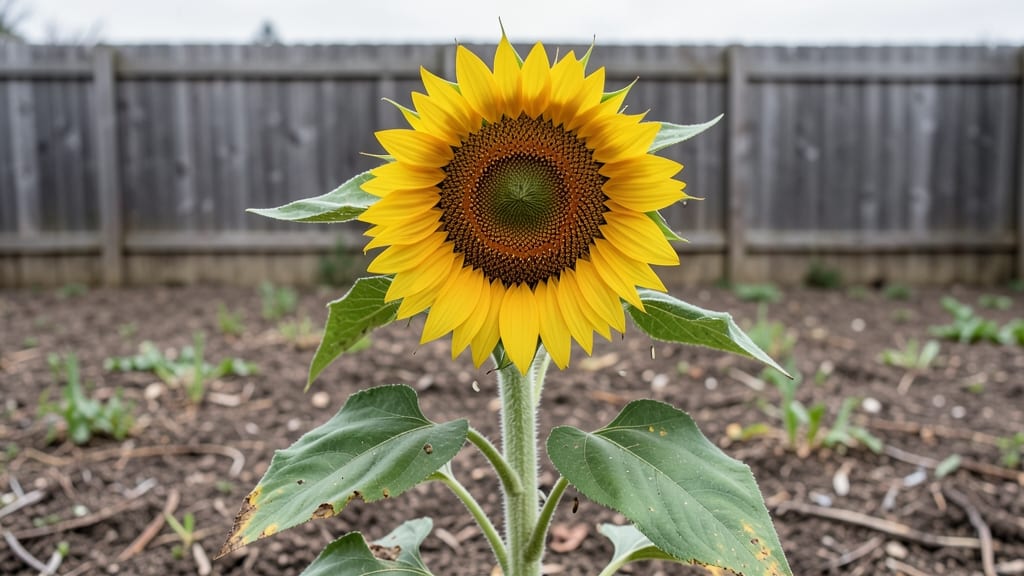
Growing Double Sun King sunflowers in the Pacific Northwest means you can plant them earlier than most varieties—and still get those iconic double blooms that turn heads.
I learned the hard way that regular sunflowers bolt when the soil warms too fast, but these frost-resistant giants handle our cool springs like champs. The secret isn’t just timing; it’s matching their needs to our climate’s quirks.
These sunflowers thrive in full sun but tolerate partial shade better than most varieties, making them perfect for gardens where afternoon clouds roll in. The soil? Just loose and well-draining—no fancy amendments needed.
Water them deeply once a week once established, and watch those stems grow thick enough to support blooms that can reach 6-8 feet tall. Spacing them 18-24 inches apart gives them room to shine without fighting for nutrients.
By midsummer, you’ll have velvety double blooms in shades of gold, red, and bronze, each one a magnet for bees and butterflies. The real magic happens when you let a few go to seed—the birds will thank you, and next year’s plants will be even more vigorous.
Just keep an eye out for sunflower moths; they love the buds but can be deterred with a simple spray of neem oil.
Whether you’re growing them as cut flowers, bird feed, or just for the joy of watching them grow, these sunflowers deliver reliable results even in our unpredictable weather.
Start seeds indoors 4-6 weeks before your last frost, or direct-sow after the soil reaches 50°F—and get ready for a season of sunflower stunners.
📚 In This Guide
- What you need
- Instructions
- Tips and common mistakes
- Wrapping up and next steps
What you need
- ● Seeds: 1 pack of Double Sun King sunflower seeds (open-pollinated, non-GMO, ~20 seeds per pack). Pro tip: 💡 Buy from a reputable seed supplier like blank">Baker Creek Heirloom Seeds or blank">High Mowing Organic Seeds for the best results.
- ● Soil: 10–20 lbs of well-draining, organic potting mix or garden soil (amend with compost if your soil is heavy clay, common in PNW regions).
- ● Fertilizer: 1 lb of balanced organic fertilizer (e.g., 5-5-5 or 10-10-10) for planting.
- ○ 1 lb of low-nitrogen fertilizer (e.g., 0-10-10) for flowering stage (optional but recommended for larger blooms).
- ● Containers (if not planting directly in ground): 5-gallon pots or larger (2–3 plants per container). Ensure pots have drainage holes!
- ● Watering can or hose: With a gentle spray nozzle for seedlings.
- ● Row covers or frost cloth: Lightweight fabric to protect young plants from late frosts (common in PNW springs).
- ● Garden trowel or transplanter: For digging holes or pots.
- ● Measuring tape or ruler: To space seeds/pots correctly (18–24 inches apart).
- ○ Gloves (optional): For handling soil or prickly sunflower stems.
- ● Sunlight access: Full sun (6+ hours/day)—critical for these giants! PNW’s shorter days in winter? No problem; they’ll still thrive with spring/summer sun.
- ● Patience: 🌱 These beauties take 85–95 days to maturity—plan ahead!
- ● Stakes or cages: For support as plants grow 8–12 feet tall (especially in windy PNW regions).
- ● Mulch: Straw or wood chips to retain moisture and suppress weeds.
- ● Sunflower companion plants: Marigolds or borage to deter pests.
- ● Pruning shears: To shape plants or remove dead blooms for longer vase life.
Step-by-step instructions for growing double sun king sunflowers
Here's how to coax these towering beauties to thrive in your Pacific Northwest garden.
Select the Perfect Planting Site
Double Sun King sunflowers need full sun—at least 6-8 hours daily—to reach their full 12-foot height. In the Pacific Northwest, where summer days are long but skies often cloudy, choose a spot sheltered from prevailing winds and with southern exposure. I always test the site by observing how much direct sunlight it gets over a week—mark the area where the sun hits hardest, as this is where your sunflowers will grow tallest.
These sunflowers are famously frost-resistant, but they still prefer well-drained soil. If your garden holds water after rain, amend the area with 2-3 inches of compost mixed into the top 12 inches of soil. The goal is loose, crumbly soil that won’t compact around developing roots. Test the drainage by digging a hole, filling it with water, and checking if it drains within an hour—if not, add more organic matter.
Prepare Soil and Plant Seeds at the Right Time
Plant Double Sun King seeds 2-3 weeks after your last frost date, typically mid-to-late May in the Pacific Northwest. These giants take 90-110 days to mature, so time it so they flower before fall frosts. I like to soak seeds overnight in lukewarm water to soften the outer shell—this speeds germination and ensures stronger seedlings.
Dig holes 1 inch deep and 6 inches apart, spacing rows 2-3 feet apart to allow for their massive growth. Drop 2-3 seeds per hole (they germinate at 70-80% efficiency), then cover lightly with soil. Press gently but don’t compact—you want the soil to feel like a damp sponge, not concrete. Water deeply after planting to settle the soil around the seeds.
Provide Consistent Water and Support
Water deeply once a week during the first month, ensuring the soil stays moist but not soggy to a depth of 6 inches. Double Sun Kings have taproots that can extend 6 feet deep, so deep watering encourages strong root development. I check moisture by sticking my finger into the soil—if it feels dry past the first inch, it’s time to water.
As stems reach 3-4 feet tall, they’ll need staking. Use 8-foot bamboo stakes or heavy-duty garden stakes placed 6 inches from the stem and tied loosely with soft cloth or plant ties. Avoid wire ties—they can cut into the thick stems as they grow. Watch for the first signs of leaning; this is your cue to add support before the wind does the work for you.
Monitor for Pests and Fertilize Strategically
Double Sun Kings are relatively pest-resistant, but aphids and sunflower moths can still appear. I inspect the undersides of leaves weekly—if you spot clusters of tiny green insects, spray with a soapy water solution (1 tablespoon mild dish soap per gallon of water). For moths, handpick larvae or use BT (Bacillus thuringiensis), a natural bacterial pesticide safe for pollinators.
Fertilize once after the first true leaves appear, using a balanced 10-10-10 fertilizer at half strength. These sunflowers are heavy feeders, but too much nitrogen leads to lush foliage at the expense of flower production. Scatter granules around the base, water deeply, and avoid fertilizing after mid-July—you want the plant to focus on flowering, not leafy growth.
Harvest and Enjoy Your Giants
Flowers typically bloom mid-to-late summer, and you’ll know they’re ready when the petals fully unfurl and the center turns a deep, rich brown. Cut stems at a 45-degree angle with clean pruners, leaving 6 inches of stem to prolong vase life. For seed harvesting, leave some heads on the stalk until they turn completely brown and dry—then rub the dried heads to collect seeds for next year.
Double Sun Kings make stunning cut flowers, but their real magic is in the garden. Their sheer size provides shade for smaller plants below and attracts pollinators like bees and butterflies. I always leave at least one uncut to enjoy the spectacle of its towering presence—it’s a Pacific Northwest summer centerpiece you won’t find anywhere else.
Tips & tricks for growing double sun king sunflowers
These insider tricks will help you coax those towering sunflowers to their full 12-foot glory, even in the Pacific Northwest's unpredictable climate.
Sunlight Strategy: While the instructions call for 6-8 hours of daily sun, I've found that in cloudy PNW summers, you need to be extra vigilant. If your garden gets afternoon shade, consider planting companion plants like dwarf sunflowers on the north side to create a windbreak while still allowing maximum light exposure. The key is to observe your garden's microclimates—what might seem like full sun could actually be 4 hours of weak morning light that won't support these giants.
Soil Preparation Insight: The 2-3 inches of compost recommendation is perfect, but I've learned that in heavy clay soils common in the Pacific Northwest, you might need to go deeper. Mix that compost into the first 12 inches of soil and consider adding perlite or coarse sand to improve drainage. The goal is soil that holds moisture but drains freely—think of it as creating a sponge that won't suffocate those deep taproots. Don't skip the drainage test: if water sits in your test hole longer than an hour, you're not ready to plant.
Planting Timing Hack: While the 2-3 week window after last frost is ideal, I've had success pushing this to 4 weeks out in cooler PNW springs. The overnight seed soaking is brilliant—it not only softens the shell but also helps prevent the common issue of seeds drying out before germination in our variable weather. For extra insurance, I plant a few seeds a week apart rather than all at once, which creates a staggered bloom time and extends your enjoyment period.
Staking System: The 8-foot stakes are essential, but I've developed a more secure method. Instead of tying to the stem, I weave the plant through the stake like a trellis, creating multiple contact points. This prevents the stem from rubbing against the stake as it grows, which can create weak points. For extra stability, I bury the stakes about 18 inches deep and add a second stake on the opposite side when plants reach 6 feet—this creates a natural brace against our frequent windstorms.
Pro Tips for Double Sun King Sunflower
- These insider tricks will help you coax those towering sunflowers to their full 12-foot glory, even in the Pacific Northwest's unpredictable climate.
- Sunlight Strategy: While the instructions call for 6-8 hours of daily sun, I've found that in cloudy PNW summers, you need to be extra vigilant.
- Soil Preparation Insight: The 2-3 inches of compost recommendation is perfect, but I've learned that in heavy clay soils common in the Pacific Northwest, you might need to go deeper.
Frequently asked questions
about growing Double Sun King sunflowers in the Pacific Northwest—where frost and giant blooms collide! Here are answers to the most common questions from gardeners eager to cultivate this stunning variety.How cold can Double Sun King sunflowers handle?
Double Sun King is one of the most frost-resistant giant sunflowers, tolerating light frosts down to 20°F (-7°C). Young seedlings may need protection below 30°F (-1°C), but established plants often recover well. In the PNW’s unpredictable climate, start seeds indoors 4-6 weeks before last frost or use row covers for early spring plantings.
When is the best time to plant Double Sun King in the Pacific Northwest?
For the PNW’s Zone 6-8 regions, sow seeds directly in the garden 2-4 weeks after your last frost date (typically late April to early May). If you’re in cooler areas (e.g., Western WA or coastal OR), opt for early May plantings to avoid early-season frost damage. For a longer bloom season, succession plant every 2-3 weeks.
Can I grow Double Sun King in containers, or does it need a garden bed?
While Double Sun King can technically grow in containers, it’s not ideal—this variety can reach 10+ feet tall with massive blooms (up to 16 inches wide). A 5-gallon pot or larger is the minimum, but a deep garden bed (2+ feet wide) with room for sturdy staking is best. If container-growing, ensure full sun (6+ hours/day) and use a support cage.
Why aren’t my Double Sun King sunflowers blooming, even though they’re tall?
Several factors can delay blooming: insufficient sunlight (they need full sun), overcrowding (space plants 18-24 inches apart), or nutrient deficiencies (use a balanced fertilizer at planting and mid-season). Check for pests like sunflower moths or disease signs (e.g., powdery mildew). If nights are too cool (below 50°F/10°C), blooming may stall—try row covers for warmth.
Are Double Sun King sunflowers edible, and how do I harvest them?
Yes! While primarily grown for their ornamental double blooms, the seeds and leaves are edible. Harvest seed heads when fully mature (brown and dry) for roasting or birdseed. For greens, pick young leaves like spinach. Warning: Avoid eating the flower petals—they’re not toxic but lack nutritional value. Wear gloves when handling raw seed heads to avoid skin irritation from sap.
Wrapping up and next steps
Growing the Double Sun King sunflower in the Pacific Northwest is a rewarding journey—especially with its frost-resistant charm and stunning double blooms! 🌻 By selecting the right location, preparing nutrient-rich soil, and providing consistent care, you’ll enjoy a thriving giant sunflower that stands out in any garden.
Whether you’re a beginner or a seasoned gardener, these steps make it easy to nurture a showstopper that brings joy and beauty to your outdoor space.
Ready to plant your masterpiece? Start by marking your calendar for early spring or late summer planting—then grab your tools and get growing! Your future sunflower will thank you with bold, golden blooms that turn heads all season long.