
Planting
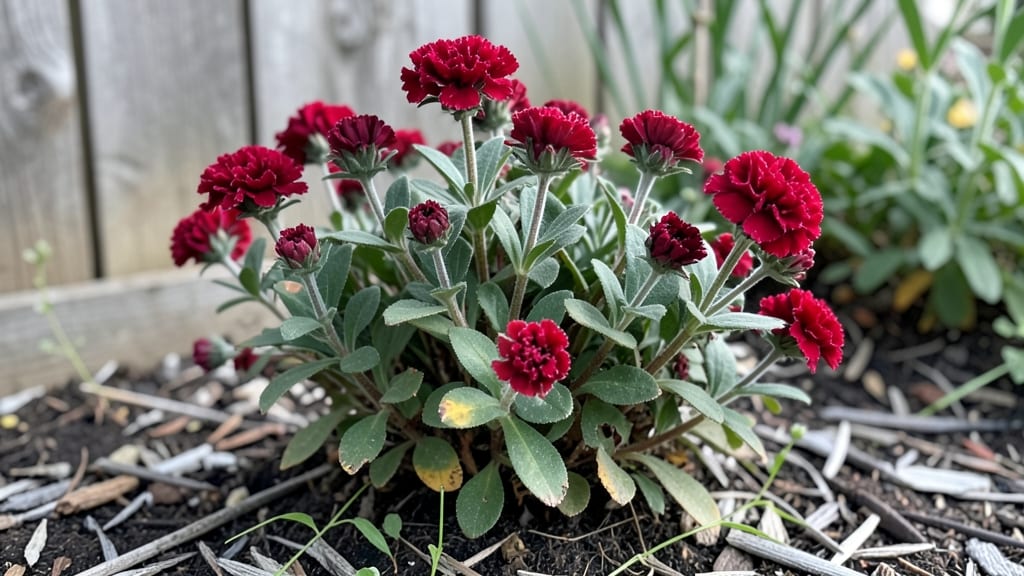
Your Pacific Northwest garden just got a showstopper with the Ever Red Fringe Flower—that deep burgundy foliage stays vibrant even through our damp winters. 🌿 I planted mine last fall, and it’s now the centerpiece of my shade garden, thriving where other plants struggle.
The secret lies in mimicking its natural habitat: moist but well-drained soil and morning sun with afternoon shade.
This plant loves acidic, organic-rich soil (think peat moss or compost mixed in) and partial shade, making it perfect for understory plantings or woodland-style gardens. Water it once a week during dry spells—it’s drought-tolerant once established, but don’t let it dry out completely.
Prune lightly in early spring to shape it and remove any dead growth, but avoid heavy cuts.
What makes this plant magical is how it brightens shady spots without needing full sun. The foliage stays rich red all season, and in spring, it bursts with delicate white fringe flowers. Pair it with hostas, ferns, or rhododendrons for a lush, low-maintenance woodland garden that pops year-round.
Fair warning: Overwatering or alkaline soil will dull those striking colors. Test your soil pH and amend if needed—this plant rewards the right conditions with bold, year-round drama. Ready to transform a shady corner into a standout feature?
📚 In This Guide
- What you need
- Instructions
- Tips and common mistakes
- Wrapping up and next steps
What you need
- ● Ever-red fringe flower plant: 1-3 nursery-grown plants (3-4 ft tall, mature size) or 5-10 seeds (if starting from scratch). Pro tip: 💡 Nursery plants are faster and more reliable for cold climates!
- ● Well-draining soil: Mix 1 part native soil with 1 part compost and 1 part perlite or coarse sand (5-10 gallons per plant). Critical: 🌡️ Avoid heavy clay—this plant hates soggy roots!
- ● Organic mulch: 2-3 inches of pine bark or wood chips (helps retain moisture and regulate temperature).
- ● Garden trowel or spade (for digging holes 2x wider than the root ball).
- ● Garden gloves (to protect hands from thorns and rough bark).
- ● Watering can or hose with a gentle spray nozzle (for post-planting hydration).
- ● Pruning shears (for shaping and removing dead branches after planting).
- ○ pH testing kit (optional but helpful): Aim for soil pH 5.0–6.0 (slightly acidic).
- ● Sunlight: A full-sun to partial-shade spot (6+ hours of sunlight daily). PNW tip: ✨ In rainy winters, partial shade (morning sun) prevents leaf burn.
- ● Cold-hardiness: Plant in USDA Zones 7-9 (with winter protection in Zones 6-7).
- ● Water source nearby: Keep soil evenly moist (not waterlogged) for the first 2 weeks.
- ● Slow-release fertilizer (e.g., 10-10-10 or acid-loving plant food).
- ● Epsom salt (1 tbsp/month in water) for magnesium boost (promotes vibrant red foliage!).
- ● Decorative stones or pebbles (to enhance drainage and aesthetics).
Step-by-Step guide to thriving Ever Red Fringe flowers in the Pacific Northwest
This hardy perennial loves cold climates—here’s how to coax its bold blooms to life.
🌱 Step 1: Choose the Perfect Planting Spot
The Ever Red Fringe (Loropetalum chinense) thrives in partial shade to full sun, but in the Pacific Northwest’s damp winters, morning sun with afternoon shade prevents leaf scorch while keeping stems sturdy. I always scout a location with well-draining soil—this plant despises soggy roots, which lead to root rot and stunted growth.
Test your soil by squeezing a handful: if it clumps tightly when wet, amend with 2-3 inches of compost mixed into the top 12 inches of soil. The ideal spot also has some wind protection—PNW’s coastal winds can stress young plants, so near a fence or shrub line works best.
☀️ Step 2: Plant at the Right Time and Depth
Fall is the best time to plant in the Pacific Northwest—6-8 weeks before first frost gives roots time to establish before winter. Dig a hole twice as wide as the root ball but only as deep—planting too deep suffocates the crown, while too shallow invites frost heave in winter.
Gently tease out any circling roots and place the plant so the top of the root ball sits 1 inch below soil level. Backfill with native soil mixed with 1 part compost, then water deeply to settle everything. Mulch with 3 inches of shredded bark to insulate roots and retain moisture—this is non-negotiable in rainy climates.
💧 Step 3: Water Deeply and Adjust for Seasonal Needs
Water once a week for the first month, then taper to every 2 weeks once established—this plant’s native to China’s moist forests, but PNW’s damp winters mean overwatering is the real risk. You’ll know it’s thirsty when the top 2 inches of soil feel dry to the touch, but the leaves start curling slightly.
During the first growing season, fertilize lightly with a balanced 10-10-10 fertilizer in early spring and again after blooming. Skip fall applications—too much nitrogen then encourages tender new growth that won’t survive winter. In summer, reduce watering to once every 3 weeks to encourage deeper root growth.
✂️ Step 4: Prune for Health and Spectacular Blooms
Prune immediately after flowering (late spring) to shape the plant and remove spent blooms. Cut back one-third of the oldest stems to encourage new growth at the base—this keeps the plant bushy and prevents legginess. I always use clean, sharp pruners dipped in rubbing alcohol to prevent disease spread.
In late winter (just before new growth starts), do a light cleanup: remove any dead or crossing branches. Avoid heavy pruning then—you’ll sacrifice next year’s blooms. The goal is to maintain an open, airy shape so sunlight reaches all stems, which is key for those signature red-edged blooms.
⏰ Step 5: Protect Through Pacific Northwest Winters
Ever Red Fringe handles Zone 7 winters with ease, but young plants or exposed locations need extra care. Apply 4-6 inches of mulch in late fall, then top with burlap or frost cloth if temperatures dip below 15°F—this prevents frost heave and protects tender new shoots.
Watch for leaf scorch in early spring if winter winds dried out the foliage. A light application of anti-desiccant spray (like Wilt-Pruf) helps, but the real fix is planting near evergreens to break wind. Once buds form in late winter, reduce watering—hydrating too much then delays blooming.
Tips & tricks for perfect Ever Red Fringe flower plant care
These pro-level strategies will help your Ever Red Fringe thrive in Pacific Northwest conditions—no more guesswork, just stunning blooms.
Soil Test Tip: Before amending soil in Step 1, conduct a simple pH test—Ever Red Fringe prefers slightly acidic soil (pH 5.5-6.5). If your soil tests alkaline, mix in 2-3 inches of peat moss with that 2-3 inches of compost to adjust the pH. I've seen plants struggle in alkaline soil despite perfect drainage, so don't skip this test! The 12-inch soil depth for amendments is critical for root development.
Planting Depth Secret: When positioning your plant in Step 2, use a small stake to mark where the top of the root ball should sit—1 inch below soil level. I've seen gardeners plant too deep (burying the crown) which suffocates the plant, or too shallow (inviting frost heave). The stake method ensures perfect placement every time. After planting, press down gently around the edges to eliminate air pockets.
Watering Wisdom: The once a week watering schedule in Step 3 works for most PNW gardens, but adjust based on your microclimate. In coastal areas with heavier rainfall, you might only need watering every 2-3 weeks once established. For inland locations, stick to the weekly schedule but check that top 2 inches of soil—if it's consistently moist, hold off. Overwatering is the #1 killer of this plant in damp climates.
Pruning Precision: When you cut back one-third of the oldest stems in Step 4, make clean cuts just above a leaf node or bud. I use a sharp pair of pruners dipped in rubbing alcohol to prevent disease spread—this is non-negotiable for long-term plant health. For the late winter cleanup, focus on removing dead wood first, then any crossing branches that block airflow. This open shape is what creates those signature red-edged blooms.
Pro Tips for Ever Red Fringe Flower Plant
- These pro-level strategies will help your Ever Red Fringe thrive in Pacific Northwest conditions—no more guesswork, just stunning blooms.
- Soil Test Tip: Before amending soil in Step 1, conduct a simple pH test—Ever Red Fringe prefers slightly acidic soil (pH 5.5-6.5).
- Planting Depth Secret: When positioning your plant in Step 2, use a small stake to mark where the top of the root ball should sit—1 inch below soil level.
Frequently asked questions
Got questions about growing ever red fringe flower (Loropetalum chinense 'Ever Red') in the Pacific Northwest’s chilly climate? You’re not alone! Here are answers to the most common queries—from planting tips to winter care.
Is the ever red fringe flower truly cold-hardy for PNW winters?
The Ever Red variety is one of the hardiest loropetalums, tolerating USDA Zones 7-9. In the PNW (Zones 7-8), it thrives with mulch protection (3-4 inches of wood chips or shredded bark) and sheltered planting (near fences or walls). Young plants may need winter wraps in harsh years—just remove in early spring!
How do I protect my fringe flower from frost damage?
Frost can scorch leaves, but the plant usually rebounds. Water deeply before winter to encourage root strength, and apply mulch in late fall. Avoid heavy snow buildup on branches—gently brush it off. If temps drop below 10°F, drape frost cloth loosely over the plant (secure with stakes).
Can I grow ever red fringe flower in containers?
Use a large pot (15+ gallons) with well-draining soil mixed with perlite. Choose a terracotta or fabric pot for better insulation in winter. Move containers to a garage or sheltered porch if temps dip below 15°F. Dwarf varieties like 'Razzle Dazzle' are ideal for pots.
Why isn’t my fringe flower blooming?
Blooms thrive with full sun (6+ hours daily) and pruning after flowering (late winter/early spring). Over-fertilizing with nitrogen can reduce blooms—use a balanced 10-10-10 or bloom-boosting 5-10-5 instead. If the plant is young (<3 years), patience is key—it may take time to establish.
What’s a good PNW alternative if ever red fringe is too finicky?
If you love Ever Red’s color but want low-maintenance options, try:
- Dwarf ninebark (Physocarpus opulifolius 'Little Devil') – Zones 3-7, deep red foliage, no mulch needed.
- Oregon grape (Mahonia aquifolium) – Zones 5-8, evergreen, drought-tolerant, and pollinator-friendly.
- Heuchera ('Plum Pudding') – Zones 4-9, velvety purple-black leaves, thrives in shade.
Wrapping up and next steps
The ever red fringe flower is a stunning, low-maintenance addition to your Pacific Northwest garden, perfect for cold climates and thriving with minimal fuss. With its vibrant blooms and resilience, it brings color and life to your outdoor space—you’ve got this! 🌸
Ready to grow? Start by choosing the right spot, gather your supplies, and follow the steps we’ve shared. Before you know it, your garden will be bursting with these cheerful flowers—happy planting! 🌱