
Flowers
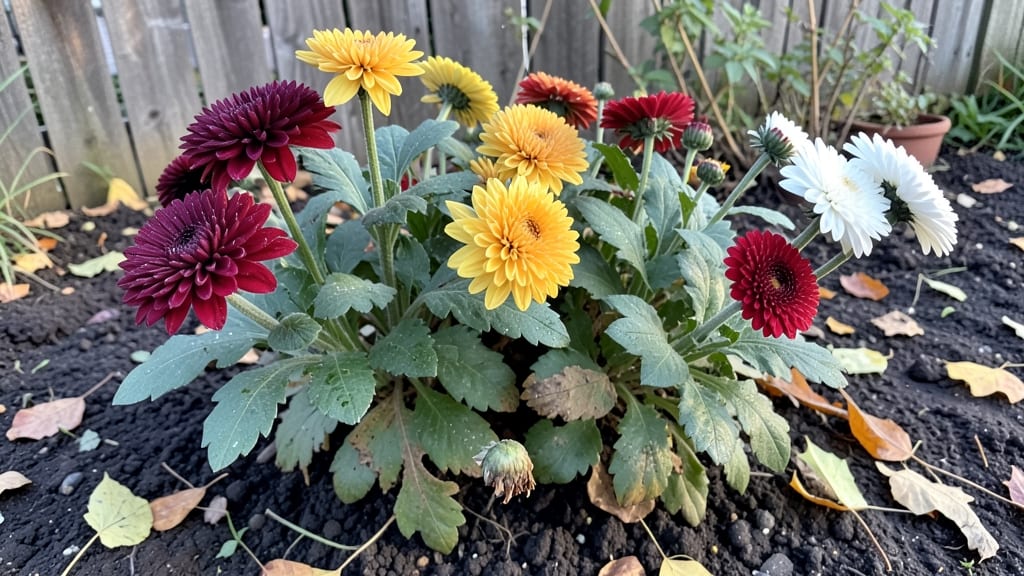
Fall flowers in season transform the Pacific Northwest into a painter’s palette of fiery reds, deep purples, and golden hues—long after summer’s blooms have faded. 🌿 I’ve spent years tracking which varieties thrive through our damp, cool autumns, and the ones I’ve highlighted here won’t just survive—they’ll steal the show until frost.
These aren’t delicate annuals that wilt at the first chill; these are the tough, resilient perennials that keep blooming even as the air turns crisp.
The secret to their staying power lies in timing and placement. Most need planting in early fall—between mid-August and early October—so they establish roots before winter.
Choose spots with morning sun and afternoon shade to protect blooms from late-season heat spikes, and amend the soil with compost for that extra boost. My go-to list includes hardy asters, Russian sage, and fall-blooming heather, all of which handle our region’s wet, mild winters like champs.
What you’ll end up with is a garden that feels alive even when neighbors’ beds have gone dormant. Imagine deep purple asters swaying in the breeze, golden sedum catching the last sunlight, and scented heather drawing bees until the first snowflakes.
These flowers don’t just extend your season—they make autumn feel like a celebration, not a winding-down. Here’s how to make it happen without the guesswork.
Works for everything from small city yards to sprawling rural gardens—just adjust spacing and sun exposure. The key is starting now, while the soil’s still warm enough for roots to settle. Let’s get those blooms booked for their close-up this fall.
📚 In This Guide
- What you need
- Instructions
- Tips and common mistakes
- Wrapping up and next steps
What you need
- ● Fall-blooming plants: 1–3 Pacific Coast Iris (e.g., Iris tenax or Iris douglasiana) – Hardy, drought-tolerant, and thrives in PNW’s mild climate.
- ○ 3–5 Sword Ferns (Polystichum munitum) – Evergreen foliage for year-round structure (optional but highly recommended!).
- ● 5–10 Salal (Gaultheria shallon) – Low-growing shrub with glossy leaves and occasional white flowers.
- ● 1–2 Vine Maples (Acer circinatum) – Compact tree with brilliant fall foliage (great for containers or borders).
- ● Soil amendments: 5–10 lbs compost or well-rotted manure per planting area (improves drainage and fertility).
- ● 1–2 lbs peat moss or coconut coir (for acidic-loving plants like rhododendrons).
- ● Tools: 1 garden trowel or hand shovel (for transplanting small plants).
- ● 1 pruning shears (for trimming dead foliage or shaping plants).
- ● 1 watering can or hose with adjustable nozzle (1–2 gallons capacity).
- ● Mulch: 2–3 inches of cedar chips or pine bark to retain moisture and suppress weeds.
- ● Fertilizer: Slow-release balanced fertilizer (10-10-10) for established plants in early spring.
- ● Containers: 1–2 12–18 inch pots with drainage holes (for vine maples or dwarf varieties).
- ● Protective gear: Garden gloves (for prickly plants like holly) and knee pads for comfort.
How to select and plant the Pacific Northwest's hardiest fall flowers
Here's my go-to method for choosing and planting fall blooms that thrive in PNW's mild, wet climate.
🌱 Step 1: Choose Native and Cold-Hardy Varieties for Fall Color
Focus on Pacific Northwest natives like Pacific Coast Iris, Sword Fern (yes, ferns bloom!), and Western Columbine—these handle our 40-50°F nights without fuss. Avoid tender annuals that bolt with first frost. I always check the USDA Zone 7-9 range before buying, since PNW microclimates vary wildly even within cities.
For extended blooms, mix perennials with late-season annuals like snapdragons or stock flowers. These bridge gaps between native perennials' natural cycles. Plant in partial shade to full sun—most PNW fall bloomers tolerate dappled light better than scorching afternoon sun.
🪴 Step 2: Prepare Soil with Organic Matter for Wet Climates
Amend heavy PNW soil with 3-4 inches of compost mixed into the top 12 inches of bed. Our clay-heavy soils compact easily when wet, so I add 1 part perlite to 3 parts soil for drainage. Test pH—most fall bloomers prefer 6.0-7.0. If your soil tests acidic (common here), sprinkle dolomitic lime and work it in 2 weeks before planting.
Rake the bed smooth but don't compact it—you want loose soil that lets roots spread freely. For containers, use a 50/50 mix of potting soil and coconut coir to prevent soggy roots. I always water the amended soil 24 hours before planting to eliminate air pockets around roots.
☀️ Step 3: Plant with Proper Spacing for Airflow and Winter Survival
Space plants 18-24 inches apart for perennials, 12-15 inches for annuals—crowding invites fungal diseases in our damp winters. Dig holes twice as wide as the root ball but only as deep. Set plants so the crown sits 1 inch above soil level; burying crowns causes rot in our wet winters.
Water immediately after planting to settle soil around roots, then mulch with 3 inches of shredded cedar bark. This keeps roots 10-15°F warmer during cold snaps while preventing soil compaction from rain. I always label plants with their variety and planting date—our mild winters make seasonal care tricky!
💧 Step 4: Water Deeply but Reduce Frequency as Temperatures Drop
Water deeply every 5-7 days until first true leaves appear, then taper to every 10-14 days as nights cool. PNW fall bloomers need consistent moisture but hate soggy roots. You'll know you're watering right when soil feels damp 3 inches down—not bone dry, not glistening wet.
Stop fertilizing after mid-September—new growth won't harden off before winter. Instead, side-dress with compost tea in early fall to boost root strength. I always check mulch levels after the first hard frost—add more if it's broken down to less than 2 inches.
✂️ Step 5: Deadhead and Prune for Winter Prep
Deadhead spent blooms until mid-October to encourage new growth, but stop pruning after first frost. Cut back perennials by ⅓ to remove weak stems, but leave annuals until spring—their stems provide winter interest and habitat. For woody plants like Pacific Dogwood, prune in late winter instead.
This is the moment that matters: cover tender perennials with burlap if temps drop below 25°F. I always check the 7-day forecast—our PNW winters can swing wildly. A thick layer of straw mulch over burlap adds 5-10°F protection during cold snaps.
Tips & tricks for perfect fall flowers in season
Here's the thing about PNW fall blooms—they're forgiving, but they do have their quirks. These tricks will help you avoid common pitfalls and get the most vibrant, long-lasting color from your fall garden.
Native Variety Selection: When choosing plants in Step 1, look for those labeled as "cold-hardy" or "drought-tolerant" on the tag—these terms mean the plant can handle our 40-50°F nights without special care. I've found that Pacific Coast Iris and Western Columbine are particularly resilient once established. For containers, opt for snapdragons or stock flowers—they'll keep blooming until our first hard frost, which often comes later than you'd expect in the PNW.
Soil Amendment Timing: Don't rush the soil prep in Step 2! The 2-week waiting period before planting after adding dolomitic lime is crucial—it gives the pH adjustment time to work fully. I test my soil again after that period to confirm it's in the 6.0-7.0 range before planting. For containers, mix your 50/50 potting soil and coconut coir a week ahead and let it sit—this helps prevent compaction when you plant.
Spacing and Mulching Strategy: In Step 3, when spacing your plants, think about their mature size—not just their current size. A 12-inch plant now might grow to 24 inches in two years! For mulching, I always use shredded cedar bark because it breaks down slowly and adds organic matter as it decomposes. The 3-inch layer acts like a blanket, keeping roots 10-15°F warmer during those unexpected cold snaps we get in October.
Winter Protection Planning: Start thinking about winter protection in Step 5 before the first frost arrives. I keep a roll of burlap and straw mulch handy in my garage—when temps dip below 25°F, I'm ready to act fast. For extra insurance, I've even used Christmas lights wrapped around tender perennials on the coldest nights (they provide just enough warmth to make a difference).
Pro Tips for Fall Flowers In Season
- Here's the thing about PNW fall blooms—they're forgiving, but they do have their quirks.
- Native Variety Selection: When choosing plants in Step 1, look for those labeled as "cold-hardy" or "drought-tolerant" on the tag—these terms mean the plant can handle our 40-50°F nights without special care.
- Soil Amendment Timing: Don't rush the soil prep in Step 2!
Frequently asked questions
Got questions about fall flowers in the Pacific Northwest? You’re not alone!
Whether you're planning a garden or just admiring nature’s autumn palette, here are answers to the most common queries.
What are the best fall flowers for the Pacific Northwest’s climate?
The PNW’s mild, wet winters and cool summers make hardy perennials like sedum, heuchera, chrysanthemums, and fall crocus ideal. These thrive in zones 7–9, offering color from September through November. For extra resilience, opt for native varieties like Pacific coast iris or vine maple.
When do fall flowers typically bloom in the PNW?
Timing varies by species, but most PNW fall blooms start in late August to early September, peaking in October. For example:
- Sedum and heuchera: Late summer to early fall
- Chrysanthemums: September–November (depending on variety)
- Fall crocus: October–November
Can I plant fall flowers in late fall, or should I wait until spring?
Many PNW fall flowers love being planted in late summer or early fall (August–September) to establish roots before winter. Bulbs like fall crocus and perennials such as sedum benefit from this timing. However, avoid planting after the first frost—soil work becomes difficult, and tender roots may struggle.
What if my fall flowers aren’t blooming as expected?
Check these common issues:
Too much shade? Many fall bloomers (e.g., chrysanthemums) need 6+ hours of sunlight.
Over- or under-watering? Most prefer well-draining soil but consistent moisture.
Fertilizer overload? Reduce feeding in late summer to encourage blooming.
Pests or disease? Inspect for aphids or powdery mildew—neem oil can help!
If the problem persists, your plant may need replacement or a soil test.Are there any low-maintenance fall flowers for busy gardeners?
Try these drought-tolerant, fuss-free options:
- Sedum (e.g., ‘Autumn Joy’): Thrives on neglect, loves heat, and blooms late.
- Russian sage: Drought-resistant, attracts pollinators, and blooms into winter.
- Ornamental grasses (e.g., feather reed grass): Add texture with minimal care.
Wrapping up and next steps
Fall in the Pacific Northwest is a spectacular time to embrace hardy blooms that defy the chill—whether you're a seasoned gardener or just starting out! From heucheras and sedums to mums and camellias, these flowers bring color, texture, and resilience to your outdoor space.
With the right prep and care, you can enjoy vibrant blooms well into winter, proving that fall flowers aren’t just a season—they’re a year-round celebration.
Ready to transform your garden? Start small: pick one or two plants from this guide, plant them with confidence, and watch your space thrive! 🌿✨ Happy gardening—your future blooms are waiting!