
Flowers
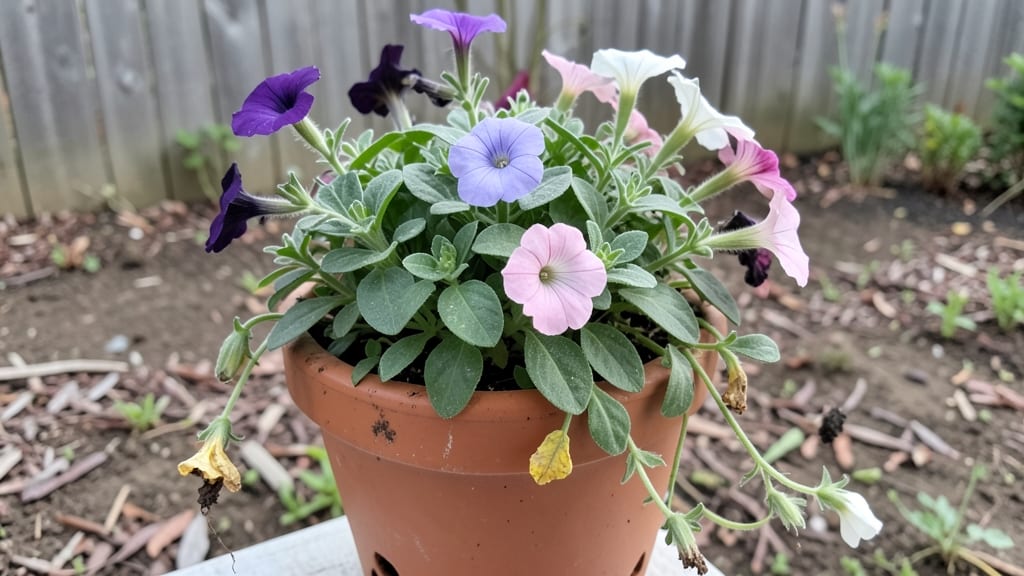
Flowers on a balcony transform a tiny space into a vibrant escape—year-round color without needing a yard. 🌸 I’ve turned my 6-foot-wide balcony into a lush garden using containers that fit snugly against the railing, and the results are shocking: petunias spilling over terracotta pots, geraniums in hanging baskets, and even herbs like basil tucked into window boxes.
The key? Matching plants to the light they get (or don’t get) and choosing varieties that thrive in small spaces.
You don’t need fancy setups—just containers with drainage holes, a mix of sun-loving and shade-tolerant plants, and a watering routine that keeps roots happy without drowning them.
My balcony gets morning sun and afternoon shade, so I planted petunias (full sun) in the east-facing pots and impatiens (partial shade) in the west. Even in winter, evergreen ferns and pansies keep the color going, proving that small spaces can pack big impact.
What you’ll end up with is a balcony that feels like a secret garden—fragrant, colorful, and full of life—without the upkeep of a full yard.
The petunias bloom nonstop from spring to frost, the geraniums repel pests naturally, and the basil grows so fast I’m always sharing it with neighbors. Plus, you’ll save money by avoiding store-bought bouquets and growing your own cut flowers right outside your door.
This works for any balcony size, from studio apartments to sprawling decks, and adapts to different climates by swapping out seasonal plants. Whether you’re a beginner or a gardener looking to maximize space, these tricks will turn your balcony into the most talked-about feature of your home.
Let’s get those containers filled!
📚 In This Guide
- What you need
- Instructions
- Tips and common mistakes
- Wrapping up and next steps
What you need
- ● Containers: 3–5 space-saving containers (10–14 inches in diameter, with drainage holes). Options: hanging baskets, window boxes, or self-watering pots.
- ○ Optional: Decorative trays or saucers to catch water (if containers lack built-in drainage).
- ● Potting Mix: 1–2 bags of high-quality, well-draining potting soil (avoid garden soil—it compacts and drains poorly). Look for mixes labeled "for containers" or "all-purpose."
- ○ Optional: Perlite or vermiculite (1–2 cups) to improve aeration if your soil feels dense.
- ● Flowers: 3–5 compact, balcony-friendly plants. Top picks: Petunias, geraniums, or impatiens (for vibrant color).
- ● Herbs like basil or thyme (edible + fragrant!).
- ● Succulents or sedum (drought-tolerant and low-maintenance).
- ● Pro Tip: Choose plants with similar water/sun needs to simplify care! 💡
- ● Fertilizer: Slow-release granules or liquid fertilizer (follow package instructions for dosage).
- ● Mulch: 1–2 inches of organic mulch (like bark chips) to retain moisture.
- ● Watering Can or Hose: A gentle spray nozzle helps avoid disturbing soil.
- ● Support Structures: Small stakes or trellises for climbing plants (e.g., morning glories or nasturtiums).
- ● Safety Gear: Gloves (if handling thorny plants) and a dust mask (for potting mix).
- ● A balcony with at least 4–6 hours of sunlight daily (check your space’s light exposure before buying plants!).
- ● Access to water (a nearby sink or hose makes life easier).
- ○ Optional: A small cart or stand to elevate containers (improves drainage and visibility).
Step-by-Step instructions for creating a balcony flower garden
Turn your balcony into a vibrant oasis with these simple, space-saving techniques.
🪴 Step 1: Choose the Right Containers and Locations
Start by selecting containers that match your balcony space and plant needs. For 4 plants, you’ll want a mix of sizes—small 6-inch pots for delicate flowers like petunias and 10-inch containers for heartier varieties such as geraniums. Ensure each pot has drainage holes to prevent root rot, and place them where they’ll receive the right amount of sunlight.
Face north? Opt for shade-tolerant flowers like impatiens or ferns. South-facing? Go for sun-lovers like marigolds or zinnias. I like to group containers by sunlight needs to simplify care. Avoid placing pots directly on concrete without saucers—water runoff can damage your balcony over time.
🌱 Step 2: Prepare Soil and Plant Your Flowers
Fill your containers with a lightweight potting mix—never garden soil, as it compacts too easily in pots. Mix in a slow-release fertilizer to give your flowers a nutrient boost right from the start. For each pot, leave about 1 inch of space at the top to prevent overflow when watering.
Gently remove plants from their nursery pots and place them in the center of their new containers. Fill in around the roots with soil, pressing lightly to eliminate air pockets. Water immediately after planting to help the soil settle and encourage roots to spread. If you’re planting seeds, follow the packet’s depth guidelines—usually twice the seed’s diameter—and keep the soil consistently moist until germination.
☀️ Step 3: Water and Adjust for Seasonal Changes
Water your balcony flowers early in the morning to reduce evaporation and fungal risks. Check the soil daily during hot months—it should feel dry to the touch about 1 inch below the surface. Overwatering is a common mistake; saucers under pots help catch excess water, but empty them after 10 minutes to prevent soggy roots.
As seasons shift, adjust your care routine. In winter, reduce watering frequency and move tender plants indoors or to a sheltered spot. I’ve found that adding a lightweight frost cloth around containers in late fall extends the blooming season for many varieties. Watch for signs of stress—yellowing leaves often mean too much water, while crispy edges signal underwatering.
✂️ Step 4: Prune and Maintain for Continuous Blooms
Deadhead spent blooms regularly to encourage new flowers and keep your plants looking tidy. Use clean, sharp scissors to snip just above a set of healthy leaves. This simple step can double your blooming time for annuals like geraniums or petunias. I prune mine every 7-10 days during peak growing season.
Fertilize every 4-6 weeks with a balanced liquid fertilizer to keep your flowers thriving. Avoid over-fertilizing—it can burn roots and lead to lush foliage but fewer blooms. If you notice leggy growth, your plants need more light. Rotate containers weekly so all sides get even exposure, and consider adding a small grow light if natural light is limited.
Tips & tricks for perfect balcony flower arrangements
A few simple tricks will help your balcony garden thrive all year long without the guesswork.
Container Selection: Look for containers with built-in saucers or add your own to catch overflow—this prevents water damage to your balcony. I always choose containers with feet to improve airflow around the roots. For the 6-inch pots in Step 1, opt for self-watering designs if you tend to forget watering days. These clever containers hold extra water at the bottom, giving your delicate flowers a steady supply between waterings.
Soil Preparation: In Step 2, don't skip mixing in perlite or vermiculite with your lightweight potting mix—this improves drainage while retaining moisture. I like to add a handful of compost to each container for extra nutrients, especially for the 10-inch containers that hold heartier plants. This small upgrade makes a noticeable difference in bloom quality and plant health.
Seasonal Adjustments: The 10-minute saucer emptying in Step 3 is crucial during summer downpours. I've learned the hard way that leaving water sitting in saucers can lead to root rot, even with drainage holes. For winter care, consider wrapping containers in bubble wrap before adding frost cloth—this extra layer of insulation helps protect tender roots from temperature swings.
Pruning Strategy: When deadheading every 7-10 days as mentioned in Step 4, I use a small pair of floral scissors dedicated solely to this task. Keeping them sharp and clean prevents spreading disease between plants. For varieties like petunias, I also trim back leggy growth by about one-third to encourage bushier, more productive plants.
Pro Tips for Flowers On Balcony
- A few simple tricks will help your balcony garden thrive all year long without the guesswork.
- Container Selection: Look for containers with built-in saucers or add your own to catch overflow—this prevents water damage to your balcony.
- Soil Preparation: In Step 2, don't skip mixing in perlite or vermiculite with your lightweight potting mix—this improves drainage while retaining moisture.
Frequently asked questions
Got questions about keeping your balcony blooming?
Here are answers to the most common ones—so you can enjoy year-round color without the stress!
What’s the best time of year to plant flowers on a balcony?
Most flowers thrive when planted in spring or early fall—when temperatures are mild and rain is more consistent. However, cool-season flowers (like pansies or violas) can handle light frosts, while warm-season blooms (e.g., geraniums or petunias) need to wait until after the last frost. If you’re in a warm climate, you can plant year-round!
How often should I water balcony flowers in containers?
Containers dry out faster than garden beds, so check soil moisture daily in hot weather. Water deeply in the morning (about 1 inch per week, or until water drains from the bottom). Self-watering pots or drip irrigation can help maintain consistency. Pro tip: Use your finger to test moisture—if the top inch feels dry, it’s time to water!
Can I keep flowers on a balcony in winter?
Yes! Choose cold-hardy varieties like heather, cyclamen, or winter jasmine, and use insulated pots or wrap containers in bubble wrap to protect roots. Move pots to a sheltered spot (like under an overhang) and reduce watering. Avoid frost-sensitive plants (e.g., succulents or tropicals) unless you bring them indoors.
What are the best small-space alternatives if my balcony gets little sunlight?
Low-light balconies can still shine with shade-tolerant flowers like fuchsia, impatiens, or African violets. Herbs (e.g., parsley or mint) also thrive in indirect light. Use reflective surfaces (mirrors or light-colored walls) to maximize natural light. For zero sunlight, opt for artificial grow lights or houseplants with flowers (like peace lilies).
Why are my balcony flowers wilting or dying despite regular care?
Wilting can signal overwatering, underwatering, pests, or poor drainage. Check for:
- Root rot (yellow leaves, foul smell)—repot with fresh soil.
- Pests (aphids, spider mites)—spray with neem oil or insecticidal soap.
- Nutrient deficiency—fertilize every 4–6 weeks with a balanced formula.
- Overcrowding—thin out plants or repot if roots are tangled.
If the issue persists, inspect for hidden damage (like cracked pots or blocked drainage holes).
Wrapping up and next steps
Transforming your balcony into a blooming oasis is easier—and more rewarding—than you think! 🌸 With the right space-saving containers, sun-smart plant choices, and a little creativity, you can enjoy vibrant flowers year-round, no matter how small your space.
Whether you’re a seasoned gardener or a newbie with a green thumb, every petal and leaf you nurture brings joy, color, and life to your outdoor retreat.
Ready to take the next step? Start small—pick one or two containers and a few low-maintenance blooms to begin your balcony garden today! 🌱 Plant, water, and watch your vision grow!